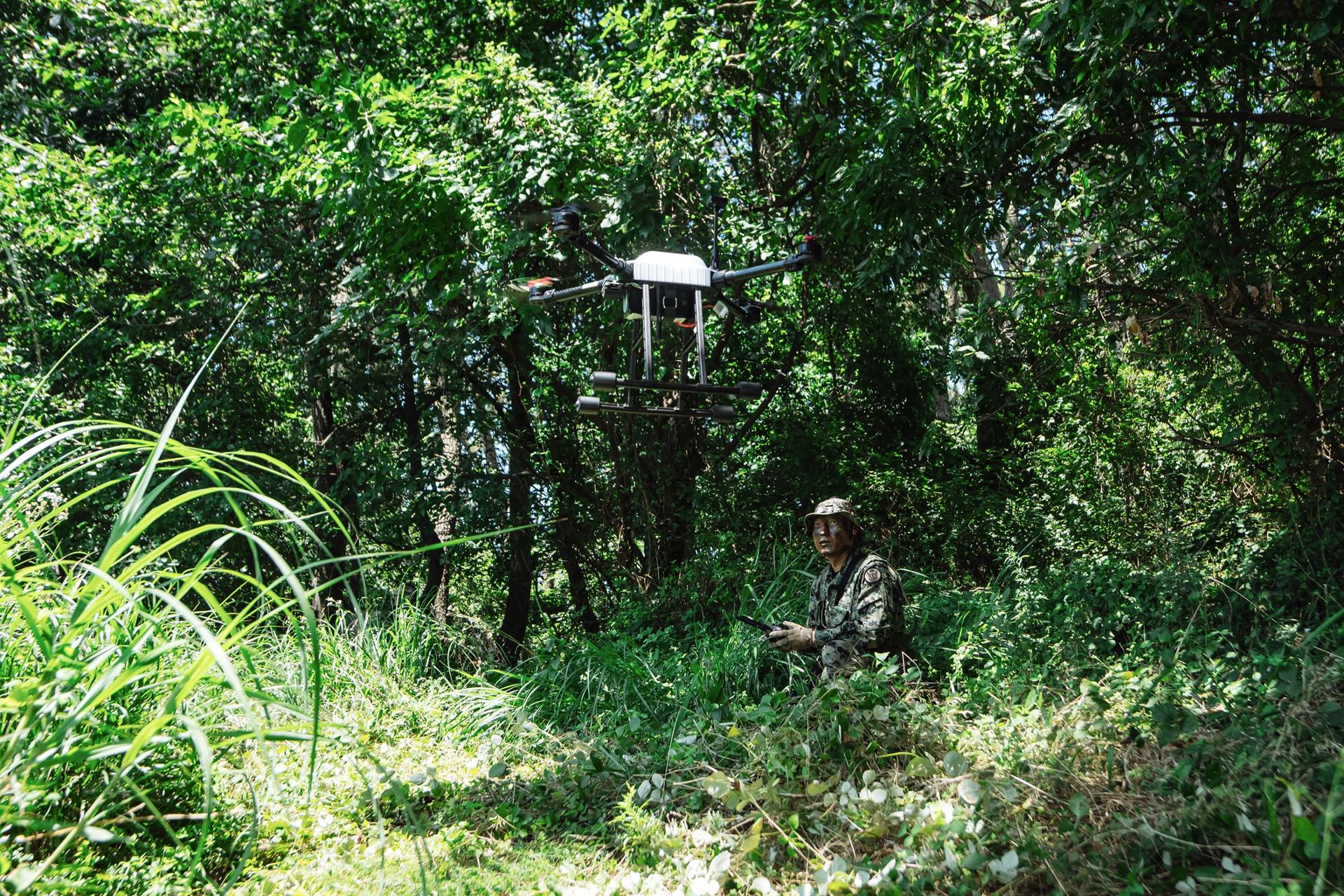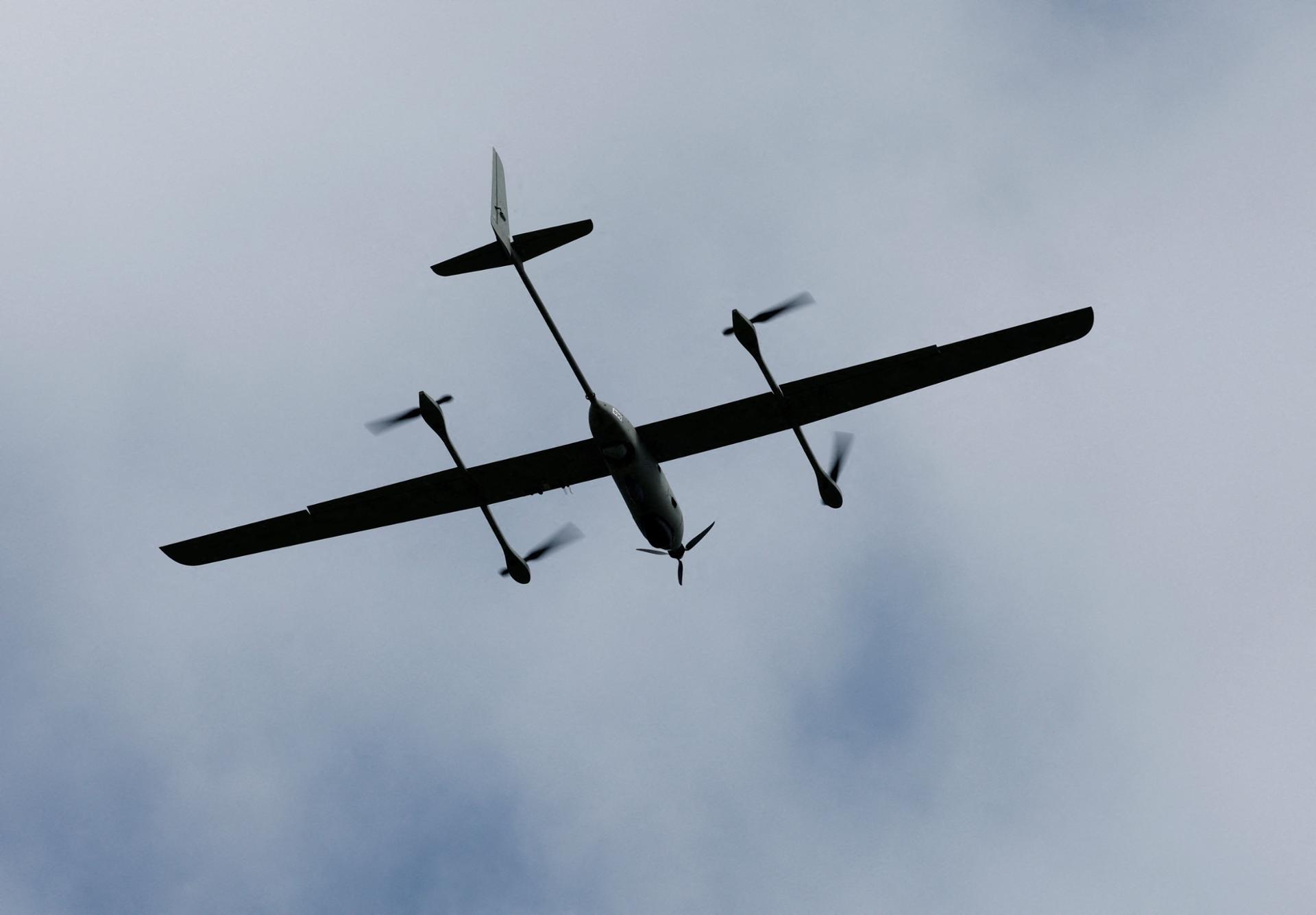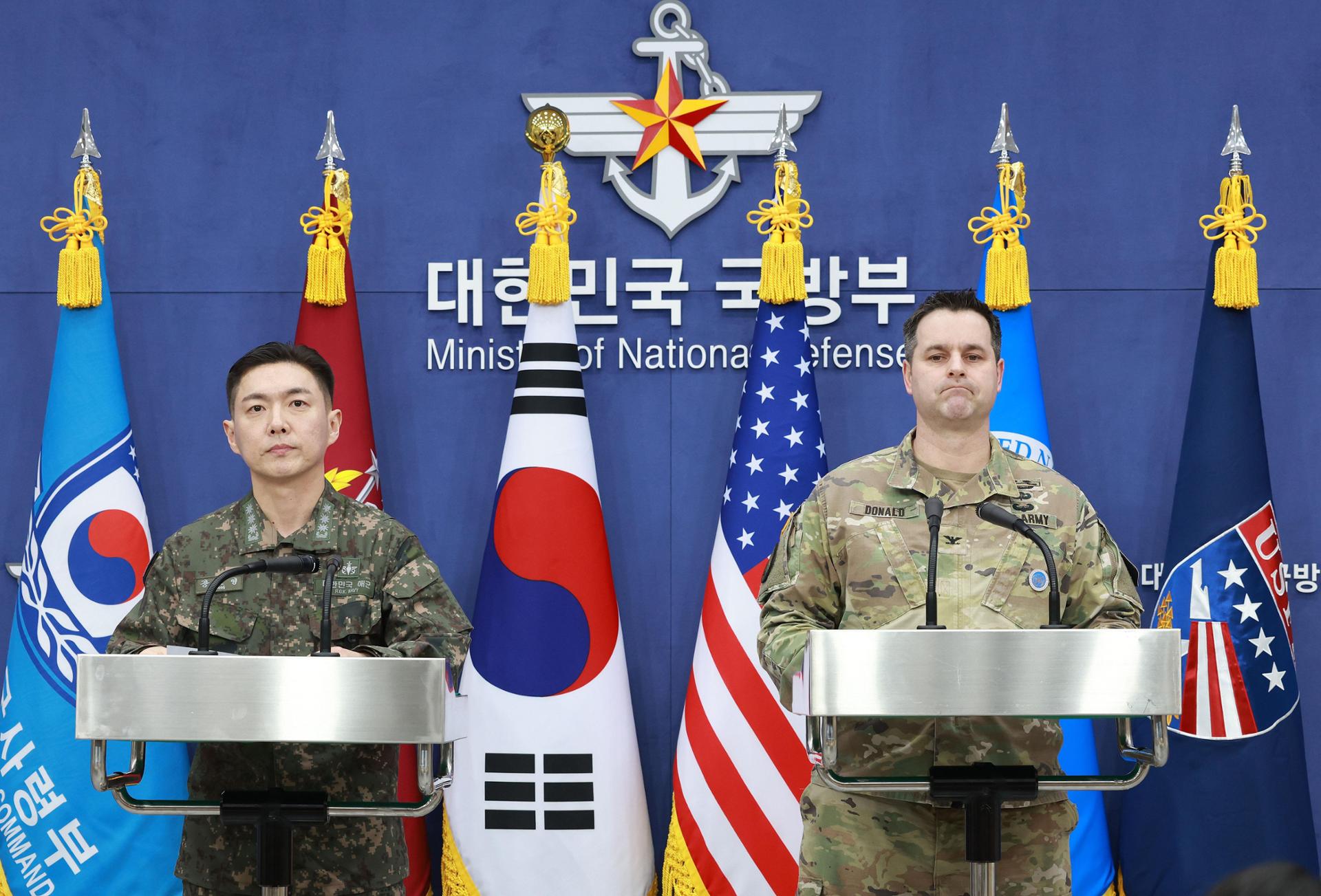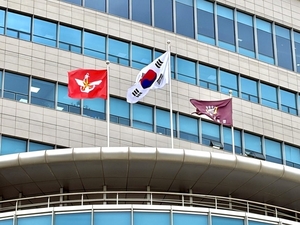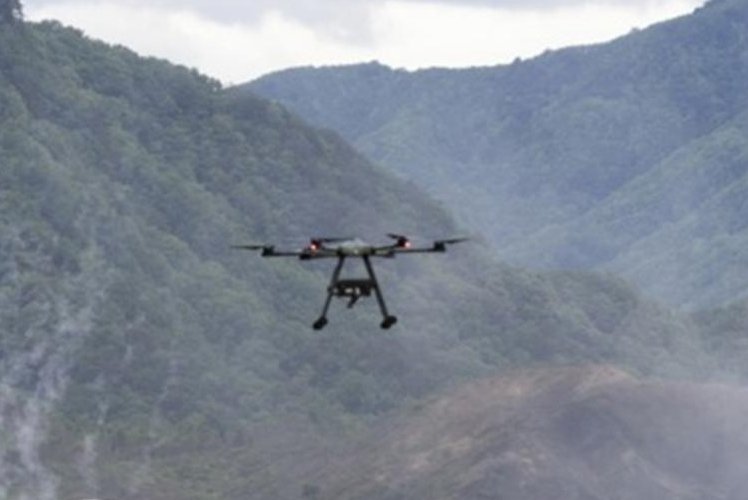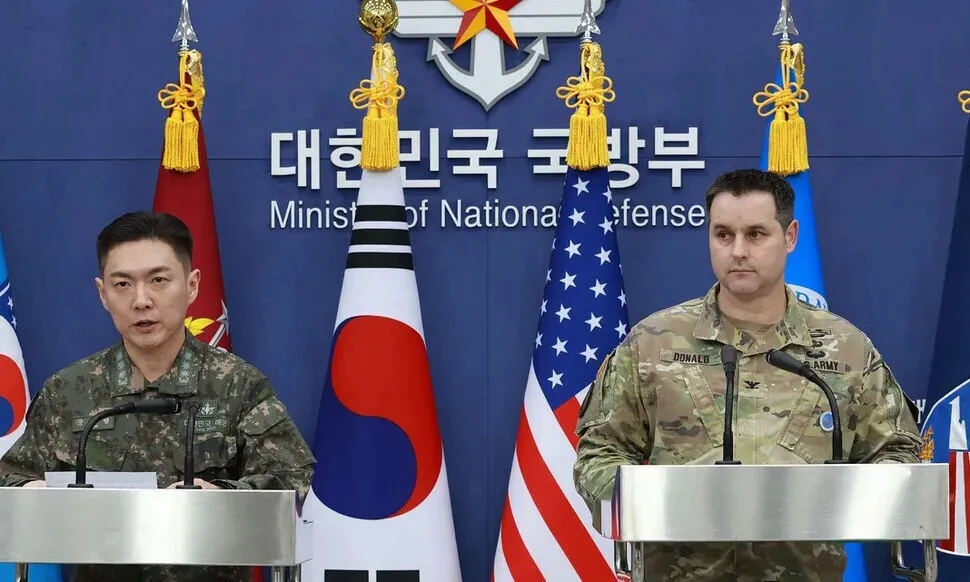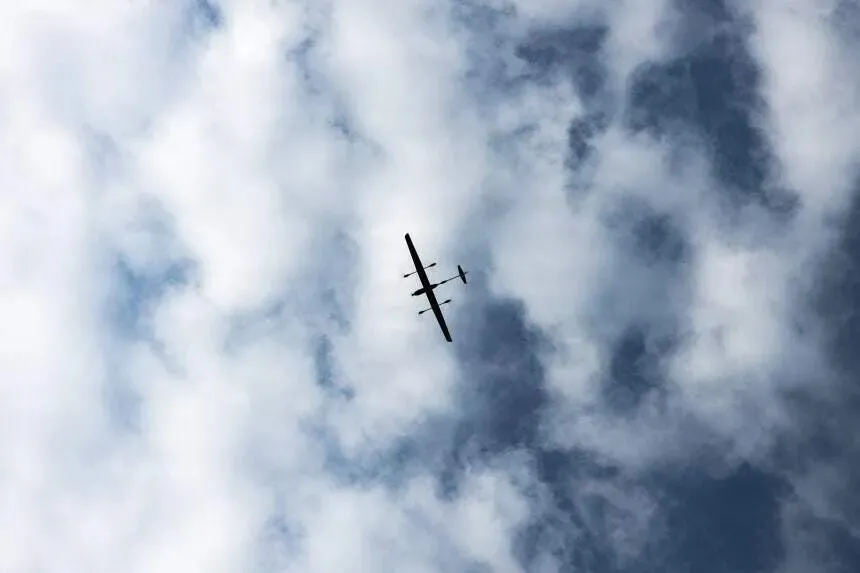
Both the Korean and US militaries are at fault for the near-miss incident in which a US drone was mistaken for an unidentified flying object and nearly intercepted on Thursday. Both parties were lax and failed to accurately adhere to the special-use airspace flight approval procedure. The US military failed to comply with the rule that it should gain flight authorization five days in advance and merely relayed its flight plan via a text message sent the day before; the Korean military official who received the text did not report to their higher-ups after assuming that the drone would be flown at a low altitude. Disobeying written procedure in favor of what was “customary” and maintaining a cavalier attitude when carrying out exercises almost led to a catastrophe: an ally’s drone could have been shot down. The communication system between the Korean and US military must be reviewed, and the Korean military should tighten its discipline so that mishaps of this nature never occur again. According to the explanation provided by South Korea’s Joint Chiefs of Staff on Monday, the US liaison sent a document asking for the approval of a drone flight exercise to the captain overseeing the ROK I Corps on July 29 via text. The US military violated the rule that stipulates that in order to fly a drone near the North Korean border, it needs to send an official notice in advance and gain flight authorization. The projected altitude of the drone was not specified in the text and was only included in the photograph of the official note, which was attached to the text. The approval of the Ground Operations Command (via the ROK I Corps) is required when flying a drone at a low altitude, but flying at a higher altitude requires the approval of the Air Force Operations Command. The Joint Chiefs explained that, in this instance, the drone exercise warranted the approval of the Air Force Operations Command. In short, the US military contacted the wrong body to ask for authorization. The Korean military’s response was also lacking in many aspects. The ROK I Corps captain who received the text message from the US liaison replied by saying there are no restrictions when flying such drones. The captain made an unofficial judgment to bypass the authorization process after deeming that the drone would be flown at a low altitude, in accordance with previous routine US military exercises. The captain also failed to report this issue, becoming the only person to know of this flight plan. This working-level official claimed that it was customary to communicate with the US military through text messages. “The ROK Army has determined this incident was caused by a failure of the reporting system under the chain of command and failure to comply with formal flight authorization procedures for special use airspace due to customary practice,” a Joint Chiefs official stated.The deteriorating security environment surrounding the Korean Peninsula has led to heightened military tension between the two Koreas. A small miscalculation near the inter-Korean border has the potential to cause a major incident. To ensure an airtight response in this volatile situation, it is imperative that Korean and US military authorities closely follow established procedures at all times while still being able to communicate freely. An army that fails at communication has little hope of operational success.
[Editorial] Drone incident should serve as a wake-up call for US-Korea communication
An army that fails at communication has little hope of operational success
559 words~3 min read