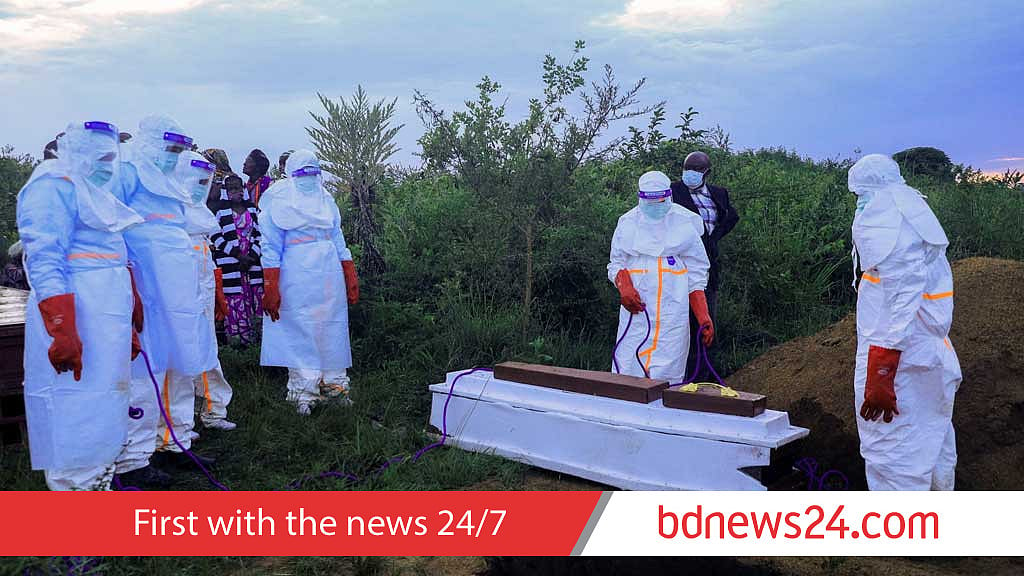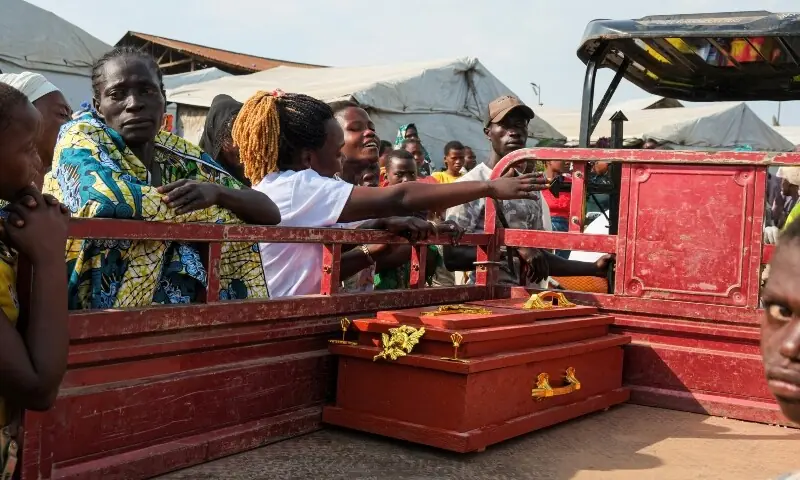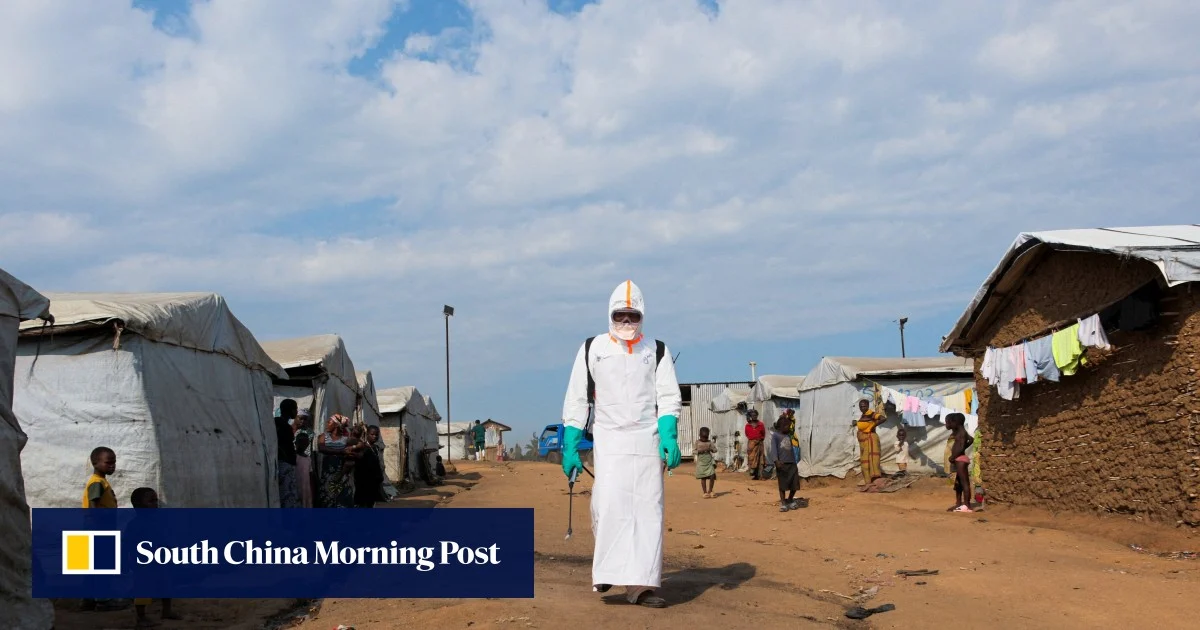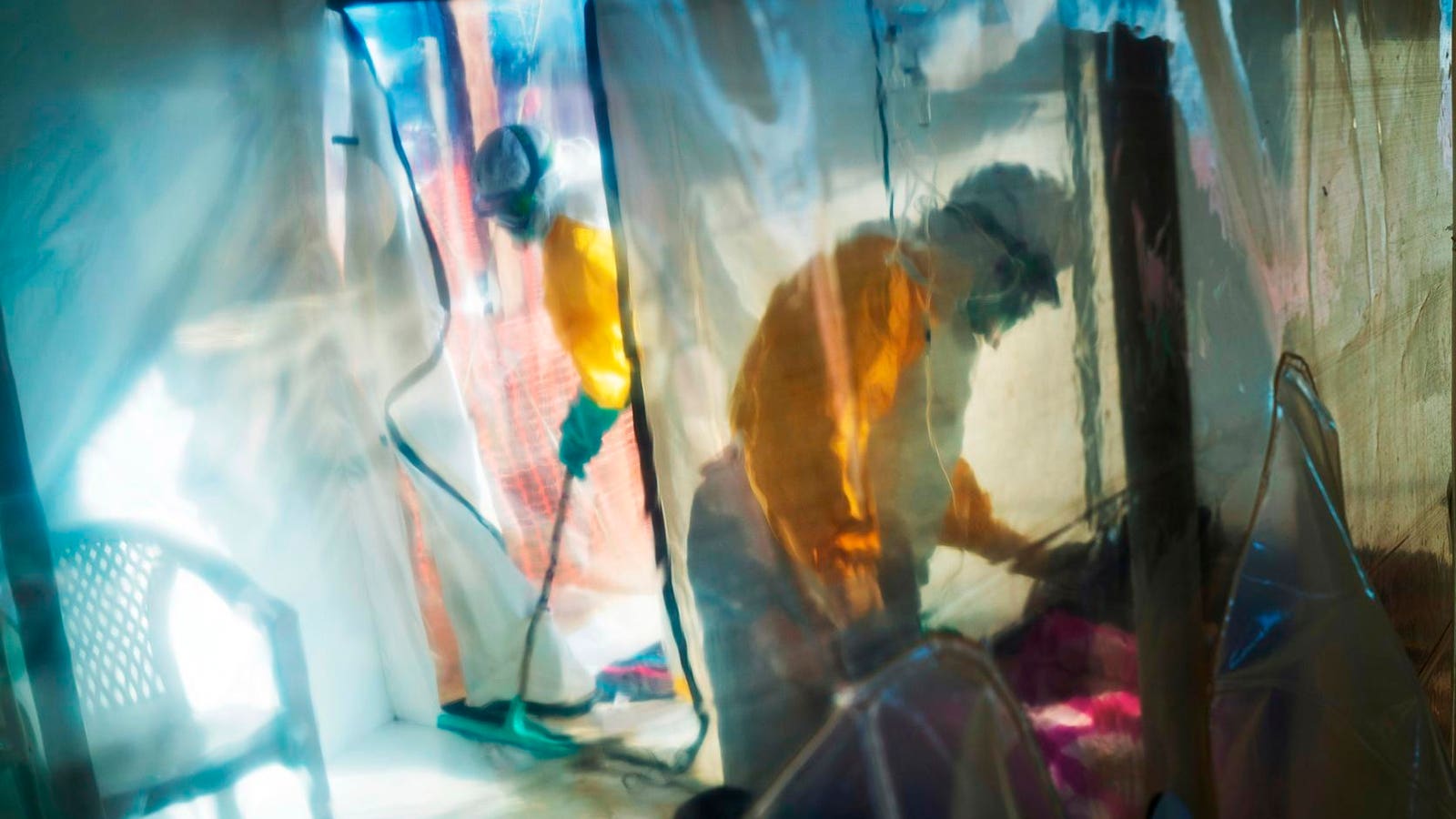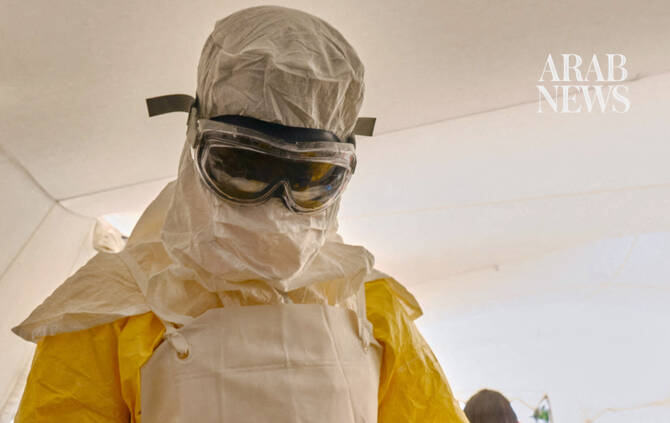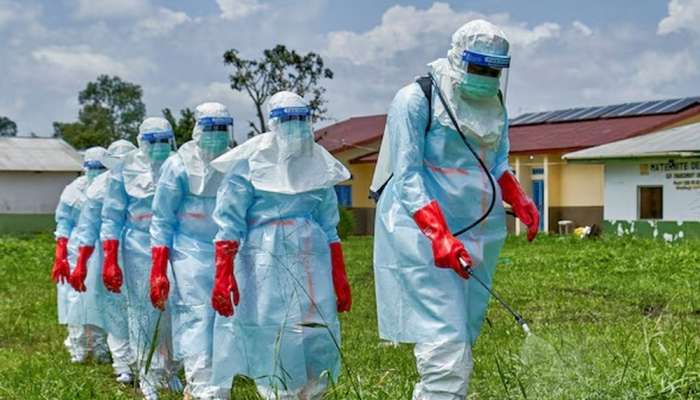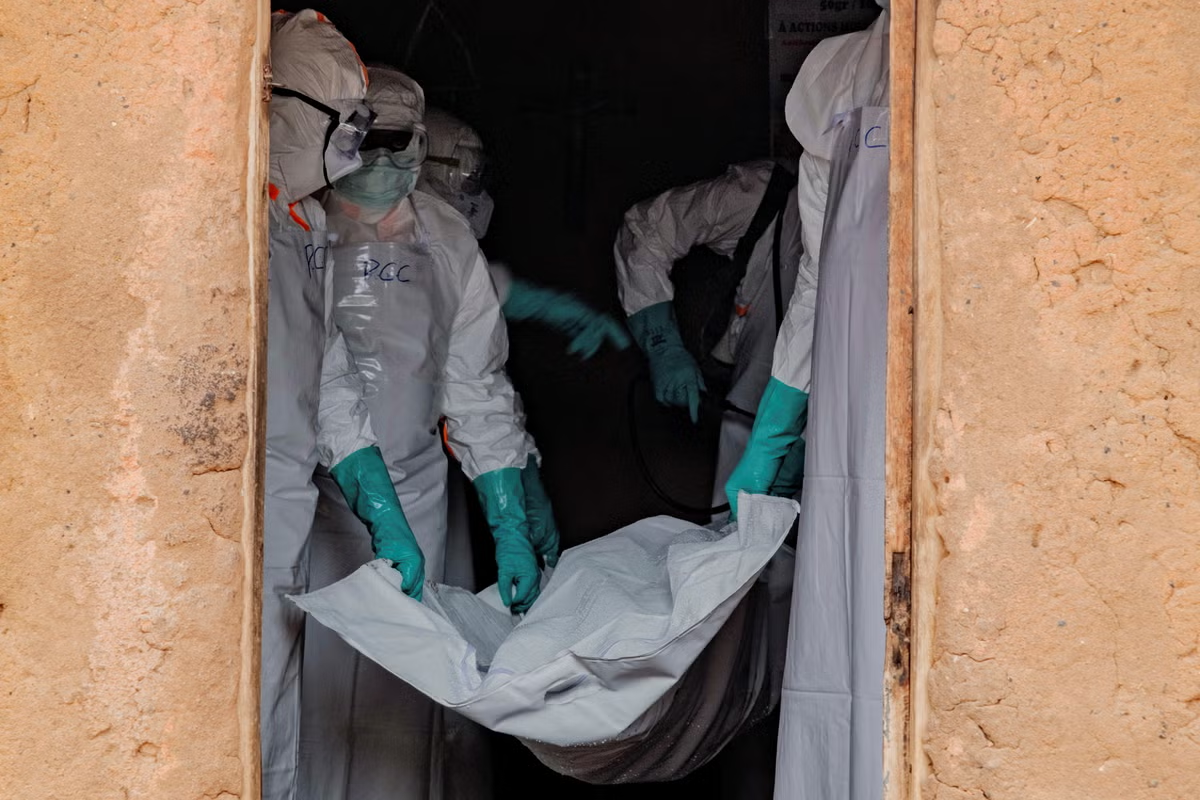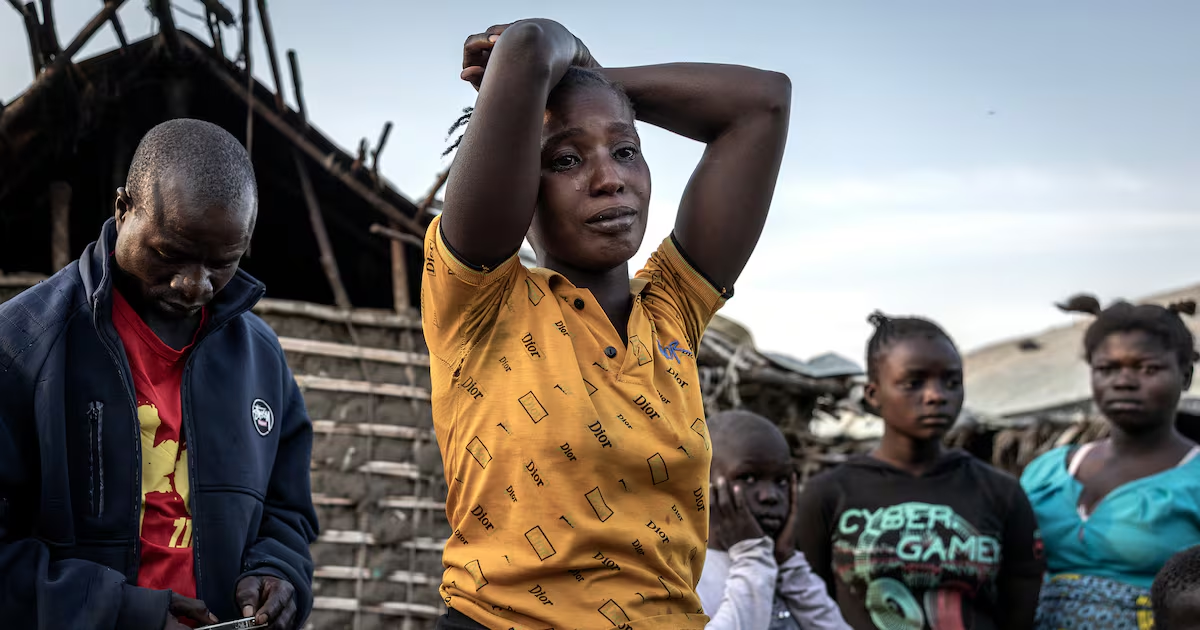
Four deaths happened in just 24 hours. The families were told they needed to bury the bodies themselves. Workers at the morgue were too busy to help. Nineteen people had already died in the camp that month, many more than usual.Here in the camps dotted around Ituri province, the epicentre of the Ebola outbreak in the Democratic Republic of the Congo (DRC), the virus appears to be spreading among the cramped tents that house more than one million displaced Congolese.Despite an influx of aid and health workers since the outbreak was first officially declared in May, the battle against Ebola remains a staggering challenge – and the camps are a stark example. Sanitary conditions are dire. Access to basic nutrition is limited. Patients vanish down winding alleys. Tracing people who may be infected is a Sisyphean task.With the death toll from Ebola skyrocketing in DRC, attention has turned to these camps, where some of the country’s most vulnerable people live after fleeing violence elsewhere in Ituri province. More than 80 per cent of new Ebola cases in eastern DRC are being detected outside known contact lists, World Health Organisation (WHO) chief Tedros Adhanom Ghebreyesus said this month.Many of the new infections are happening in communities where people have little to no access to health facilities – communities like these camps.Recent strikes by unpaid health workers, attacks on Ebola treatment centres and highly mobile populations have made matters worse. Congo’s health ministry has recorded 3,442 confirmed Ebola cases and 1,521 confirmed deaths as of last week. The WHO has said the real numbers may be two to four times higher.A camp in Bunia in the DRC's Ituri province, where people displaced by violence are living in dangerous conditions and fighting the virus with very little clean water. Photograph: Finbarr O'Reilly/The New York Times
‘We will all die from Ebola here’: Virus stalks crowded camps in Congo
The outbreak is now the second-deadliest ever, and in record time
1,329 words~6 min read