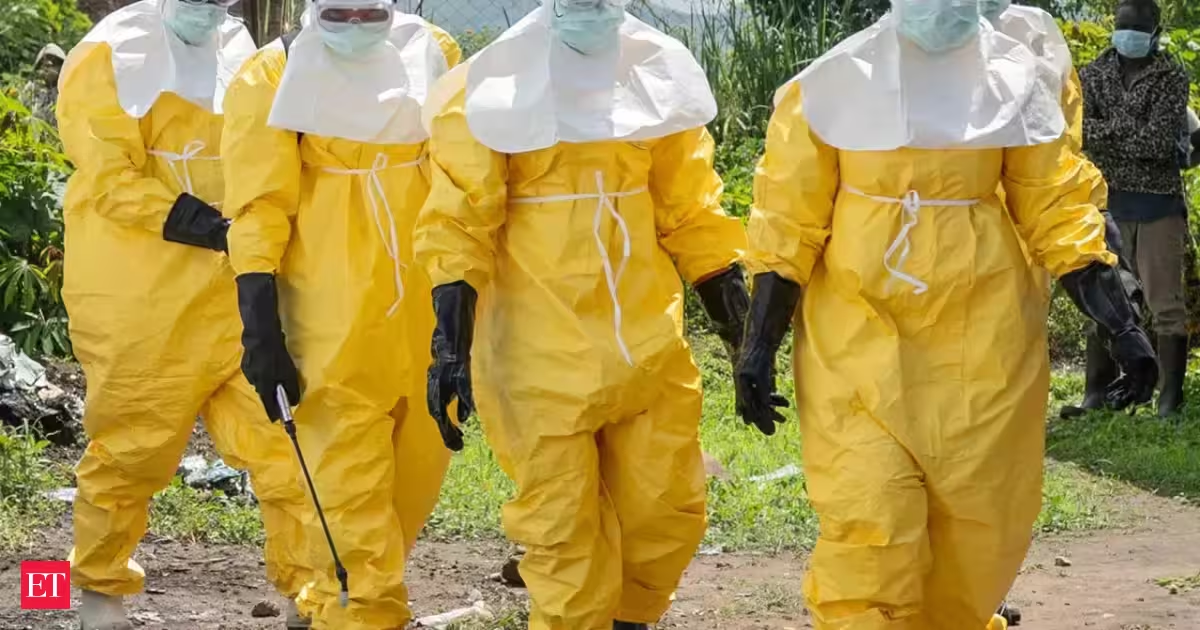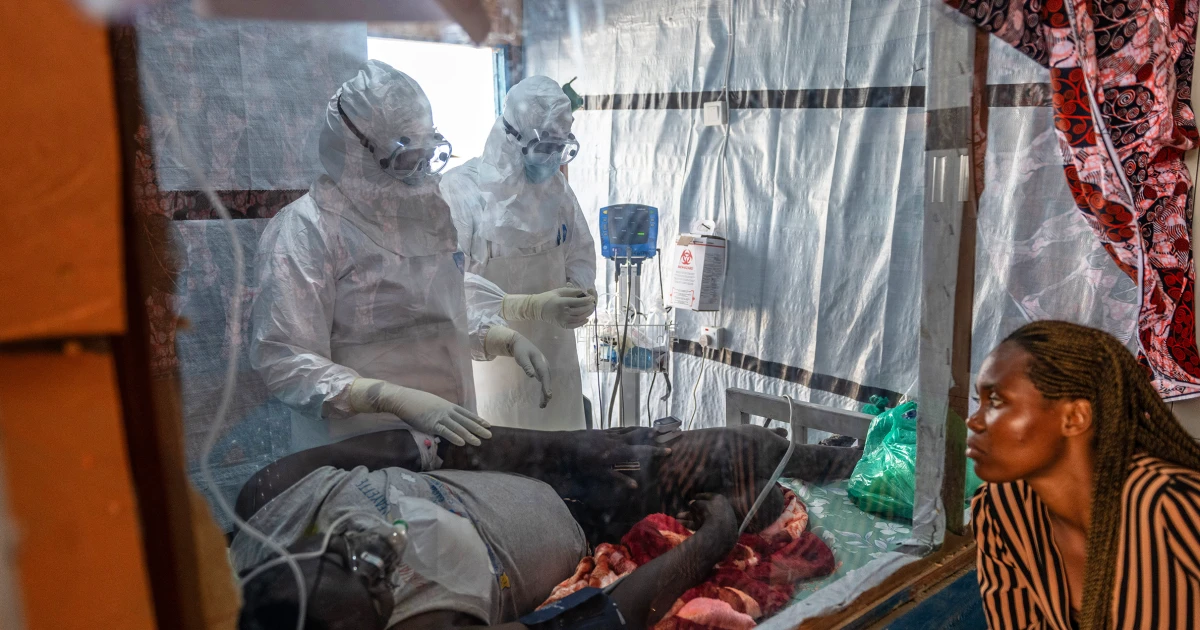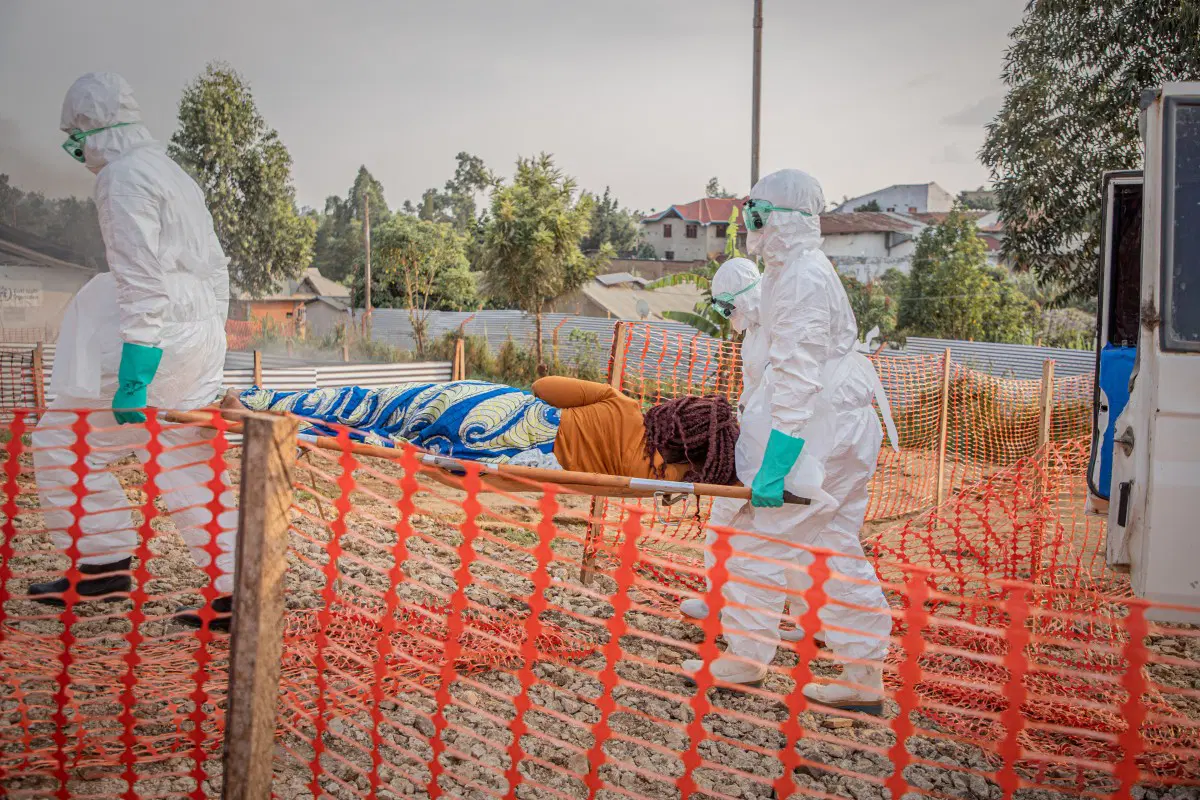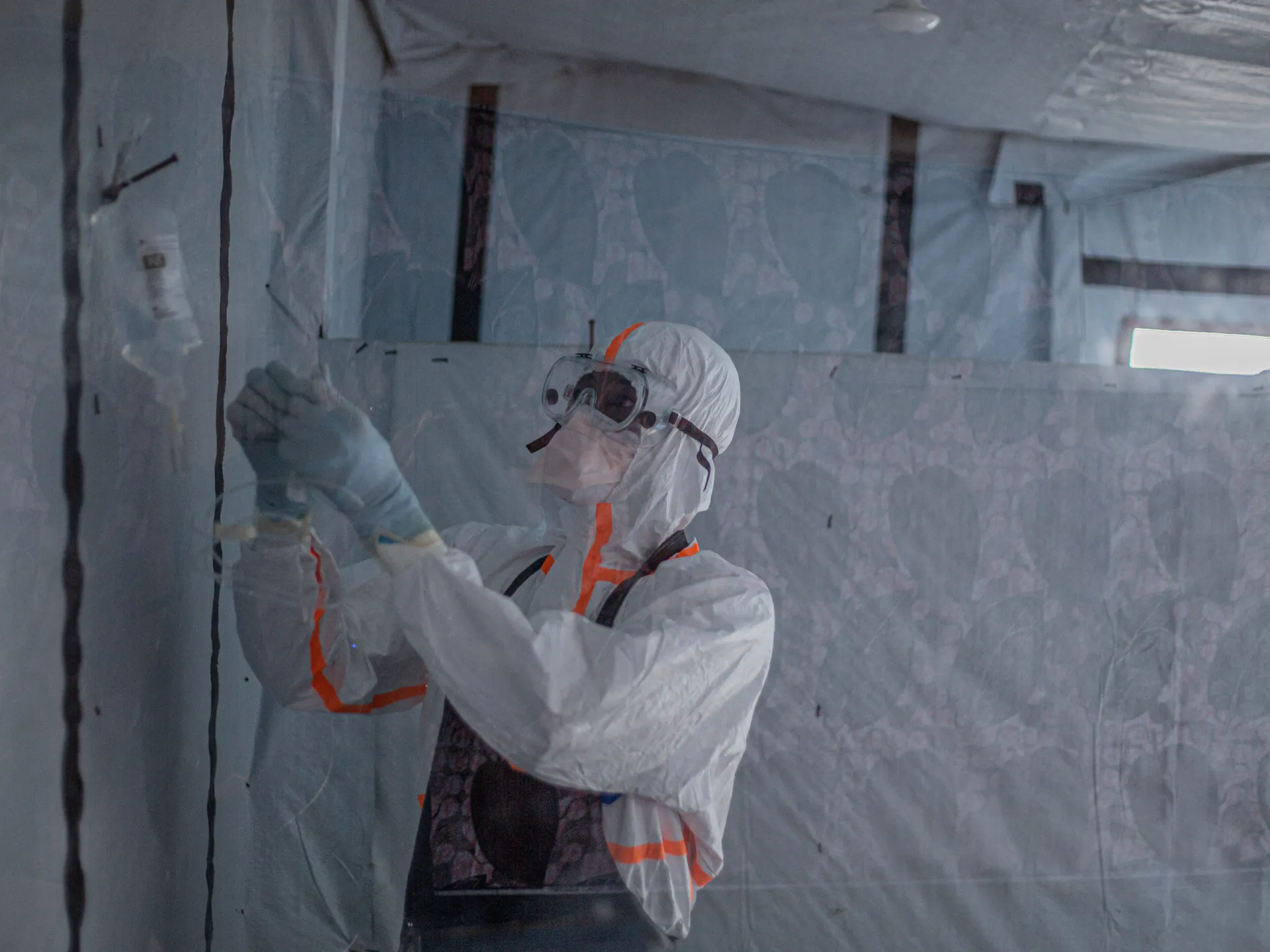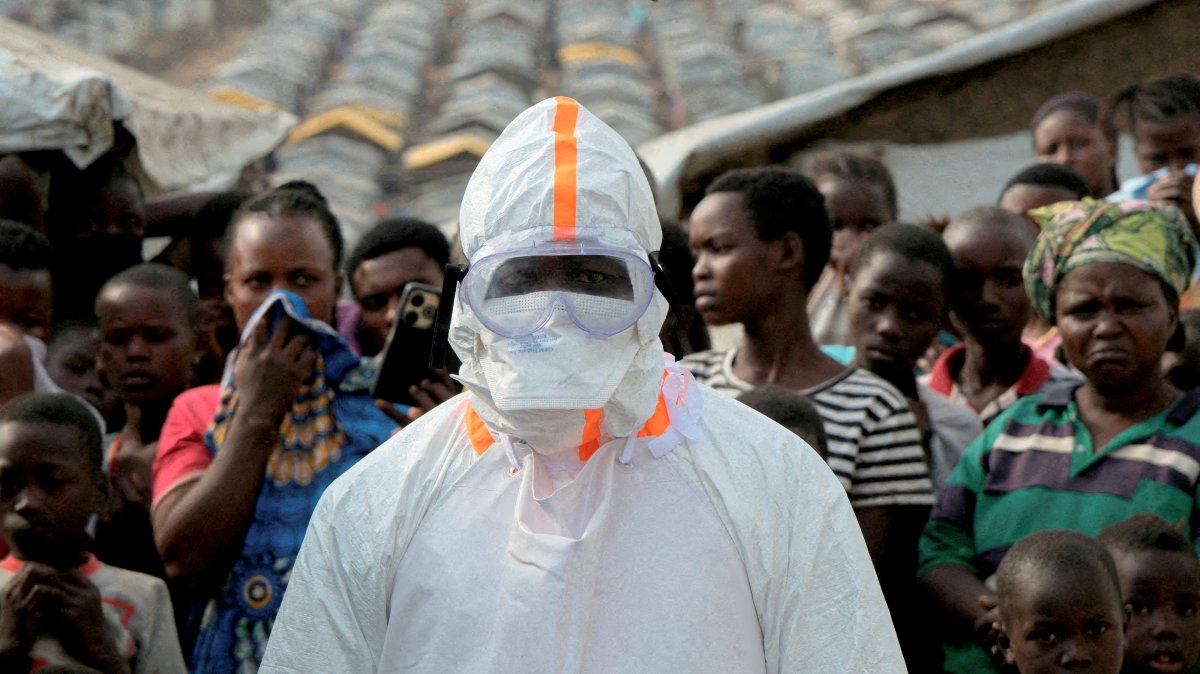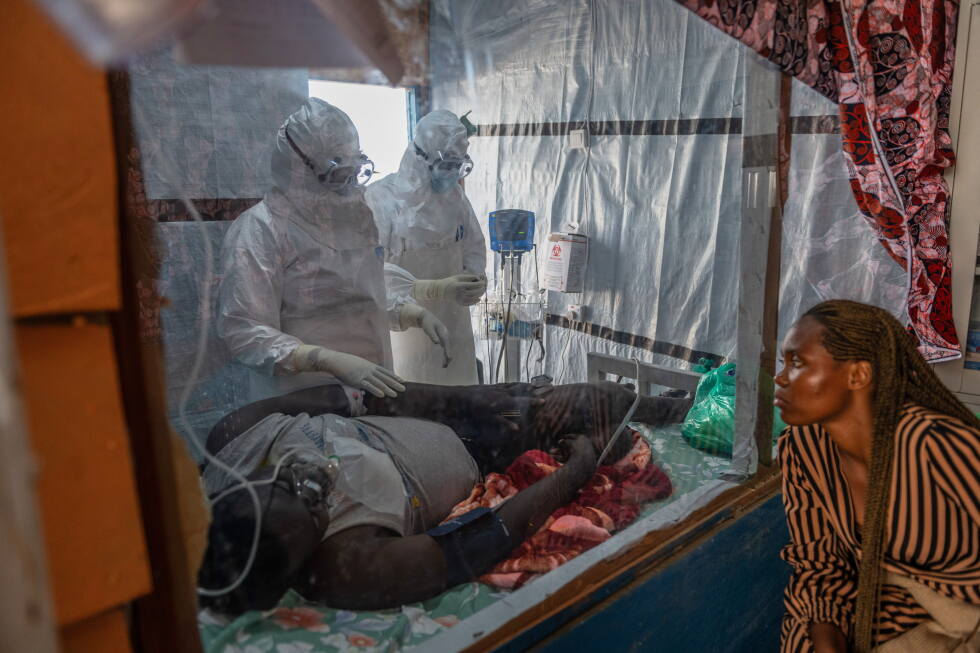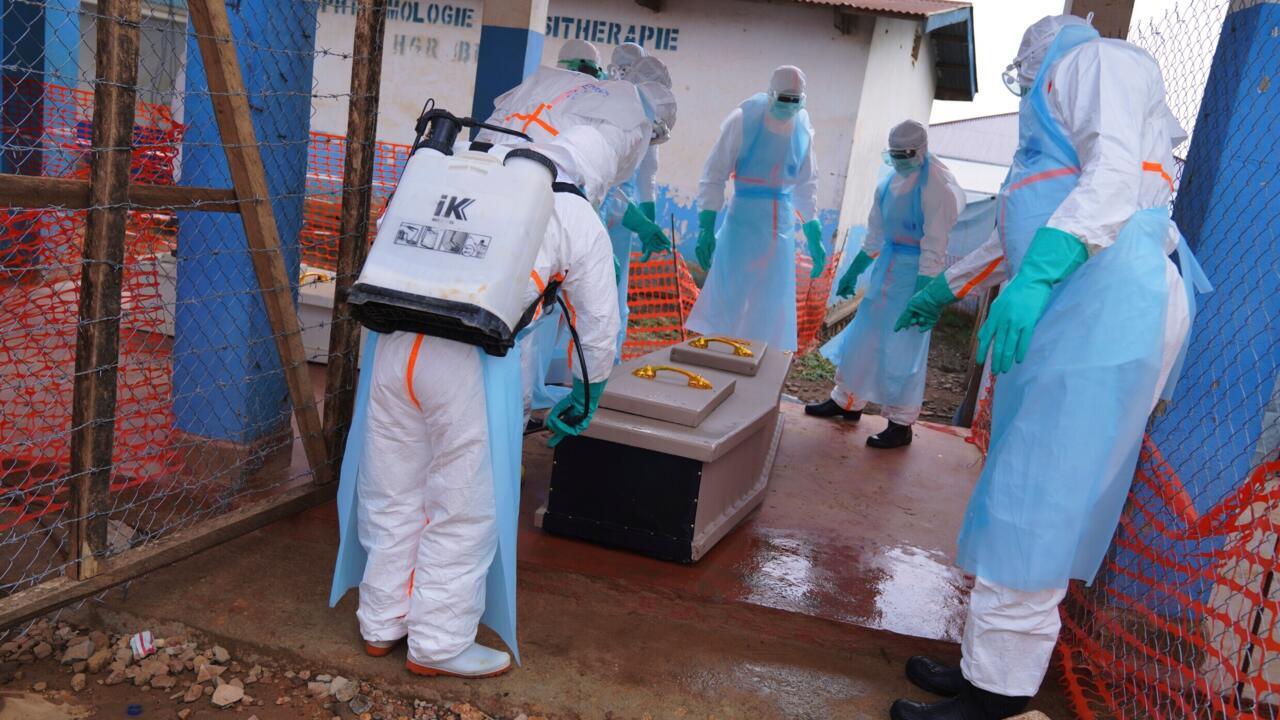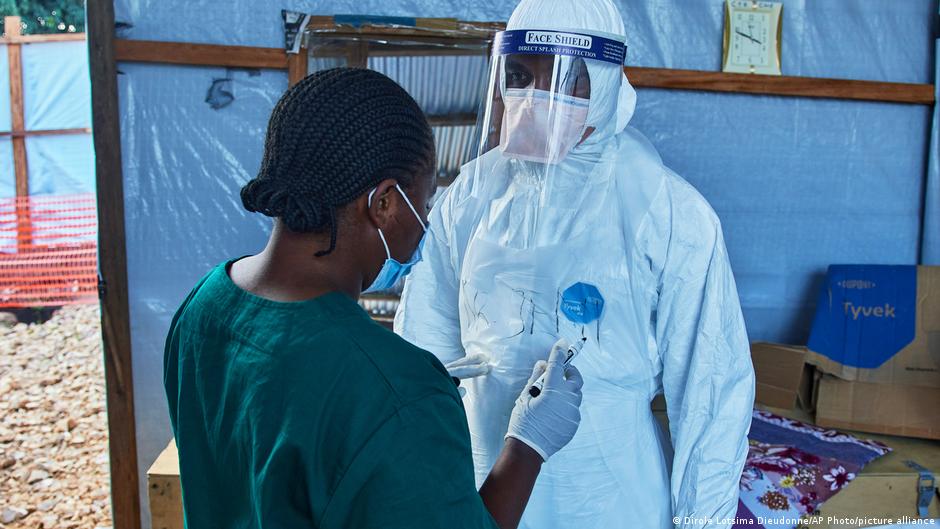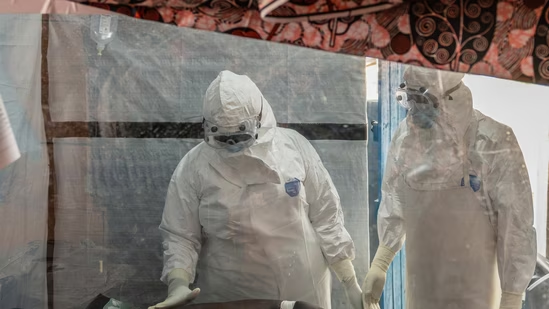
At least 930 people have now died after the Bundibugyo virus caused an outbreak of Ebola in the Democratic Republic of Congo as frontline workers and health centres in Ituri were targeted by violence14:38, 20 Jul 2026In the space of just 24 hours, a further 37 Ebola deaths were recorded in the Democratic Republic of the Congo - one of the highest totals since the outbreak began.It comes as the country's Ministry of Health said that at least 930 people have now died as the killer virus sweeps across the nation with safety fears hampering aid efforts in one of the worst-hit areas.The 37 deaths recorded in the 24 hours spanning Friday into Saturday came out of the 2,344 cases that had been confirmed as of Saturday.The outbreak began two months ago, on May 15, and is the fastest-growing Ebola outbreak on record. Part of the reason the virus has carved such a devastating path through the Central African nation is because the virus responsible for the outbreak, the Bundibugyo virus, is less common than other causes and has no approved vaccination or treatment.The virus is highly contagious and can be passed to people from wild animals. In the human population, it spreads through contact with bodily fluids of an infected person, such as vomit, blood or semen, as well as through contact with contaminated surfaces and materials such as bedding and clothes.In its latest update, the Democratic Republic of Congo's Health Ministry said that 724 patients are currently in isolation and in hospitals, and that it is intensifying response efforts in impacted health zones. The ministry said: "Patient care and support capacities are consolidating, with 22 new recoveries recorded in 24 hours."While the disease is rare, it is severe and often fatal. The latest spike in deaths come as the response in the worst-affected province of Ituri were hampered by safety fears. In total, five of the country's 26 provinces have been impacted, all in the eastern region where rebel violence also runs rampant.Since the outbreak was declared in mid-May, at least 12 attacks - largely fuelled by skepticism and rumours - have been recorded aimed at health facilities and teams, according to authorities.At the same time, health workers have walked away fro their jobs in protest over unpaid salaries. So far, at least 36 health workers who became infected with the virus have died.Many of the attacks on healthcare centres and workers have been carried out by angry mobs who have stormed treatment centres or targeted response teams working in the field, according to Pierre Akilimali, incident manager for the Ebola response.According to Dr Adelard Lufongola, operations manager for the Ebola response, the attacks are not limited to healthcare teams with frontline workers such as burial teams also targeted."Members of the various response teams have been held captive in some health zones. Teams responsible for safe and dignified burials have been threatened and continue to be threatened in some cemeteries and within several communities," said Dr Lufongola. Traditional funerals, where loved ones wash and prepare bodies, have been restricted, angering some residents.According to locals in Ituri, which accounts for about 90% of all cases, health and aid workers have been seen leaving remote communities which are considered hotspots, heading instead to Bunia.On Thursday, UN spokesman Stéphane Dujarric told reporters that humanitarian actors are "deeply concerned by escalating violence" hindering the Ebola response, and that access to treatment centres and surrounding communities remains limited."The worsening security situation has forced several humanitarian partners involved in the Ebola response to temporarily relocate staff to Bunia which is relatively safer," he said.Article continues belowThe World Health Organization last week expressed concerns that 80% of new Ebola cases were emerging from unknown chains of transmission, a sign the outbreak is spreading faster than health officials can track despite an expanding response.
Ebola deaths soar as total nears 1,000 amid attacks on health centres and staff
At least 930 people have now died after the Bundibugyo virus caused an outbreak of Ebola in the Democratic Republic of Congo as frontline workers and health centres in Ituri were targeted by violence
638 words~3 min read