A few weeks ago, I facilitated a session on strategy and business acumen for a group of graduate trainees at one of Nigeria’s leading banks. It was one of those sessions that leaves the facilitator thinking long after the class has ended. As we discussed macro- and microeconomics, competitive advantage, financial performance, strategic execution, and the role each employee plays in creating organisational success, I found myself wondering how many experienced professionals would have been able to answer the same questions. The more I reflected, the more I realised that one of the greatest capability gaps in many organisations is not technical expertise. It is strategic and business acumen – an extension of financial and business literacy that my colleagues and I consider a “life skill” that needs to be taught to children.
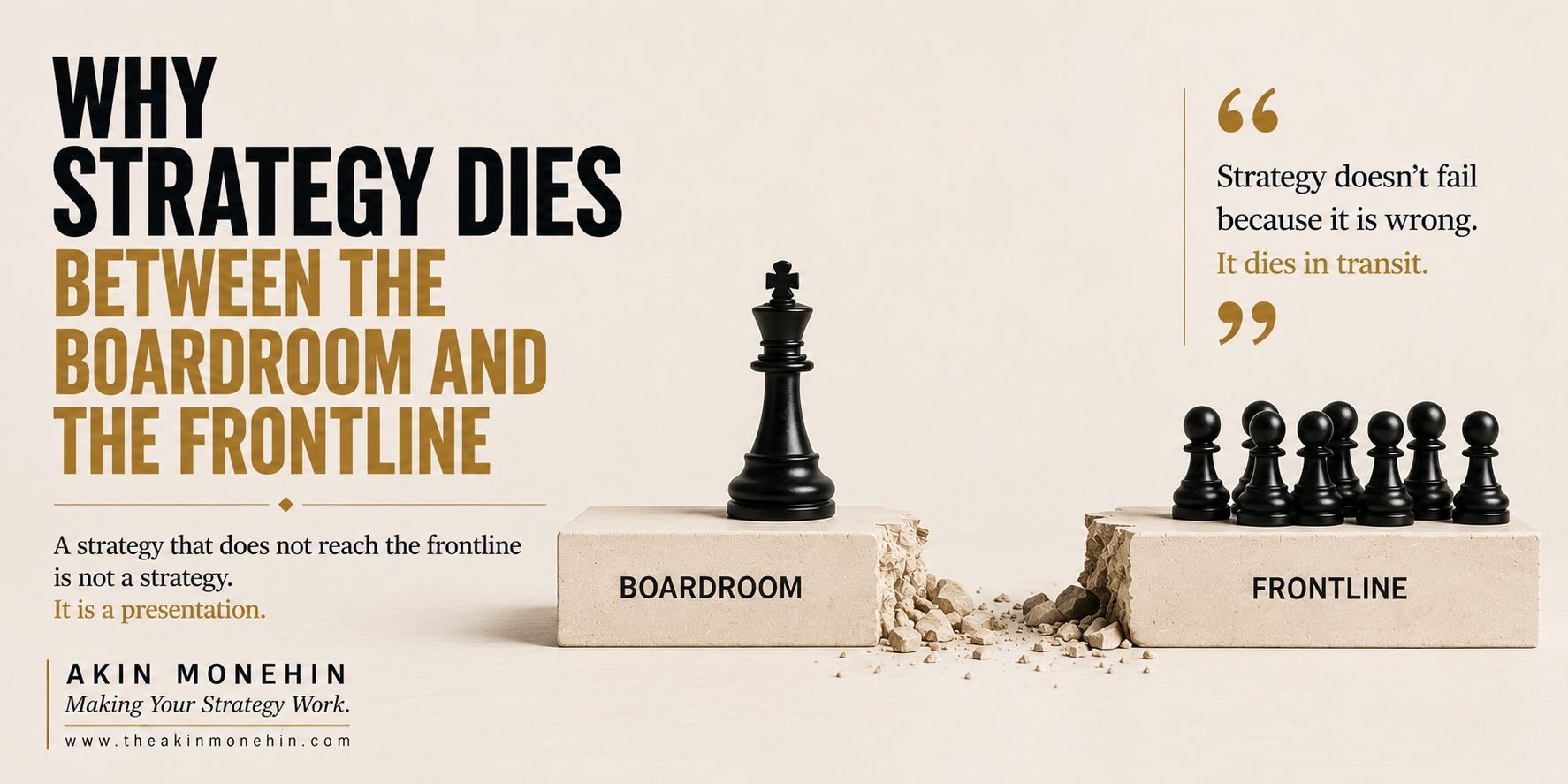
Ironically, many of the people responsible for making strategic decisions have never intentionally learned about how strategy works or how businesses create value. We assume these capabilities somehow emerge with experience. Sometimes they do. Often, they do not, and fancy training for a handful of top managers in renowned business schools are not necessarily the silver bullet. This matters because organisations do not execute strategy through strategy documents. They execute strategy through thousands of decisions made every day by managers and employees across the business. If those individuals cannot see the bigger picture, even the best strategy will struggle to deliver meaningful results.