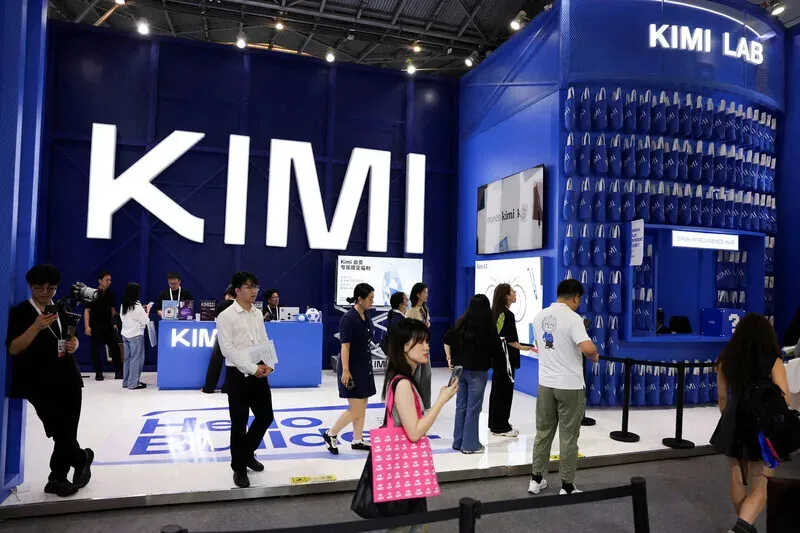
The global AI debate often fixates on models: Which ones are faster, which ones can do more, which ones are cheaper. The prominence of low-cost systems from China, like those from DeepSeek, z.ai, and Moonshot, has sharpened this focus, suggesting a narrowing gap with U.S. leaders.
The rise of these brilliant, cheap AI models diverts attention away from a fundamental truth: So long as the U.S. controls the underlying infrastructure that enables AI ecosystems, it will stay dominant.
It’s tempting to see the AI race as a competition between different models, such as Anthropic’s Fable or OpenAI’s GPT, pitted against DeepSeek V4 or Moonshot’s Kimi K3. Or, from a hardware perspective, we focus on the AI chips used to train and run these models.
But frontier AI depends on a far broader, capital-intensive system: Hyperscale data centers, cloud computing infrastructure, AI servers, and the underwater fiber-optic cables that connect them. Today, these layers of enabling hardware are themselves highly susceptible to American export controls, extraterritorial data extraction laws, and the spillover effects from a massive commercial-military symbiosis.
Nvidia’s AI ecosystem and American tech hegemony