https://arab.news/bfw3z
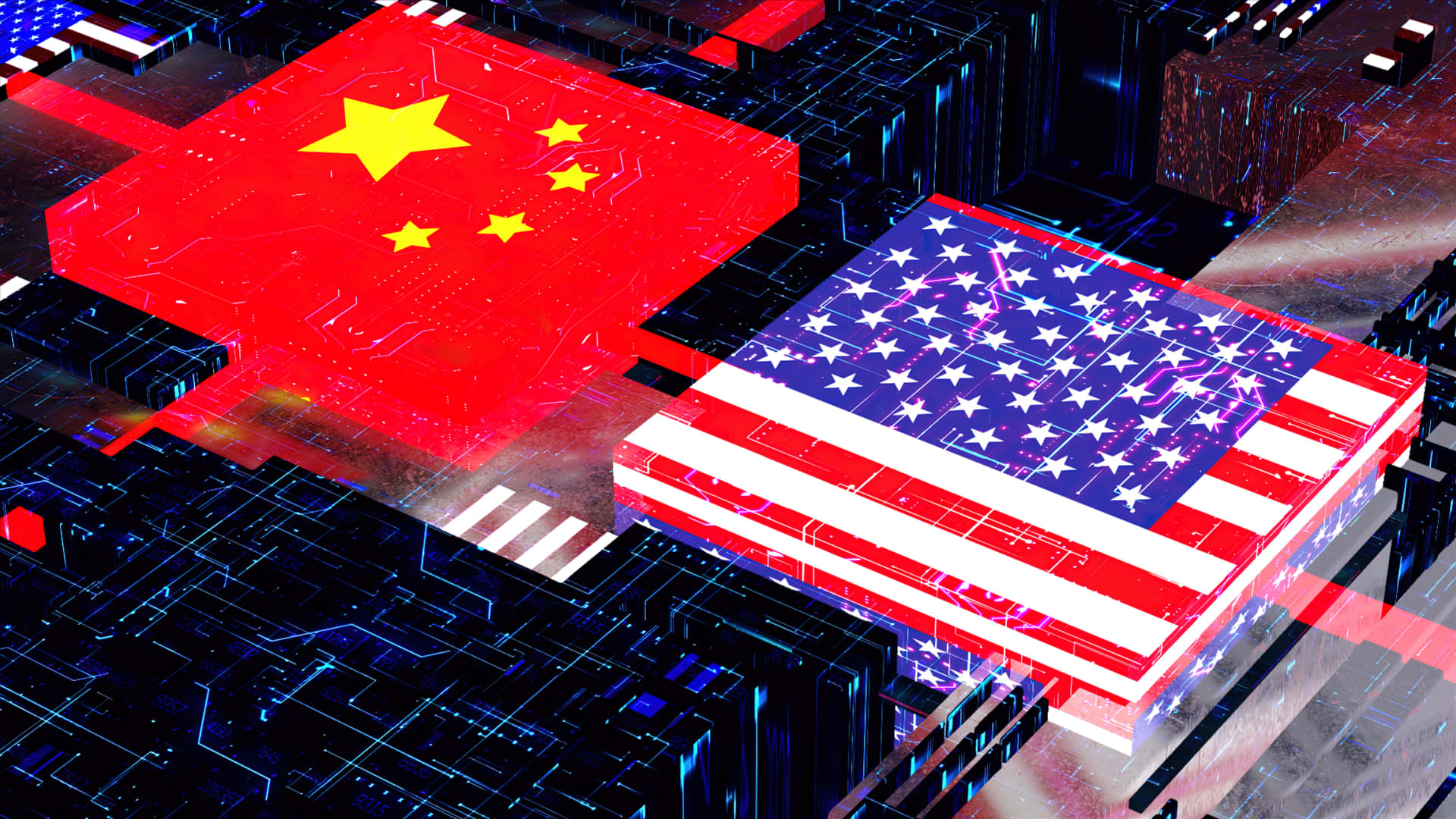
While debates over the artificial intelligence race between the US and China tend to fixate on which country has the most powerful frontier models and the most advanced semiconductors, that framing is becoming outdated. As AI moves from our screens into the physical world, the question is no longer whose models hit technical benchmarks but who can build and sustain an ecosystem that embeds AI into everyday products and services.
Such an ecosystem must rest on three pillars. First, it requires cheap, reliable and widely deployed hardware capable of hosting AI systems across a range of applications, from cars and drones to industrial equipment. Second, it depends on software in the form of AI stacks that can be updated continuously as firms learn from real-world use. And lastly, it involves supporting infrastructure that allows these systems to operate safely, such as data centers, smart roads, charging stations and power grids.
Viewed through this lens, China enjoys a distinct advantage that does not show up in standard measures of AI performance. Counterintuitively, China’s strength stems from what economists have long treated as one of its deepest structural weaknesses: overcapacity.