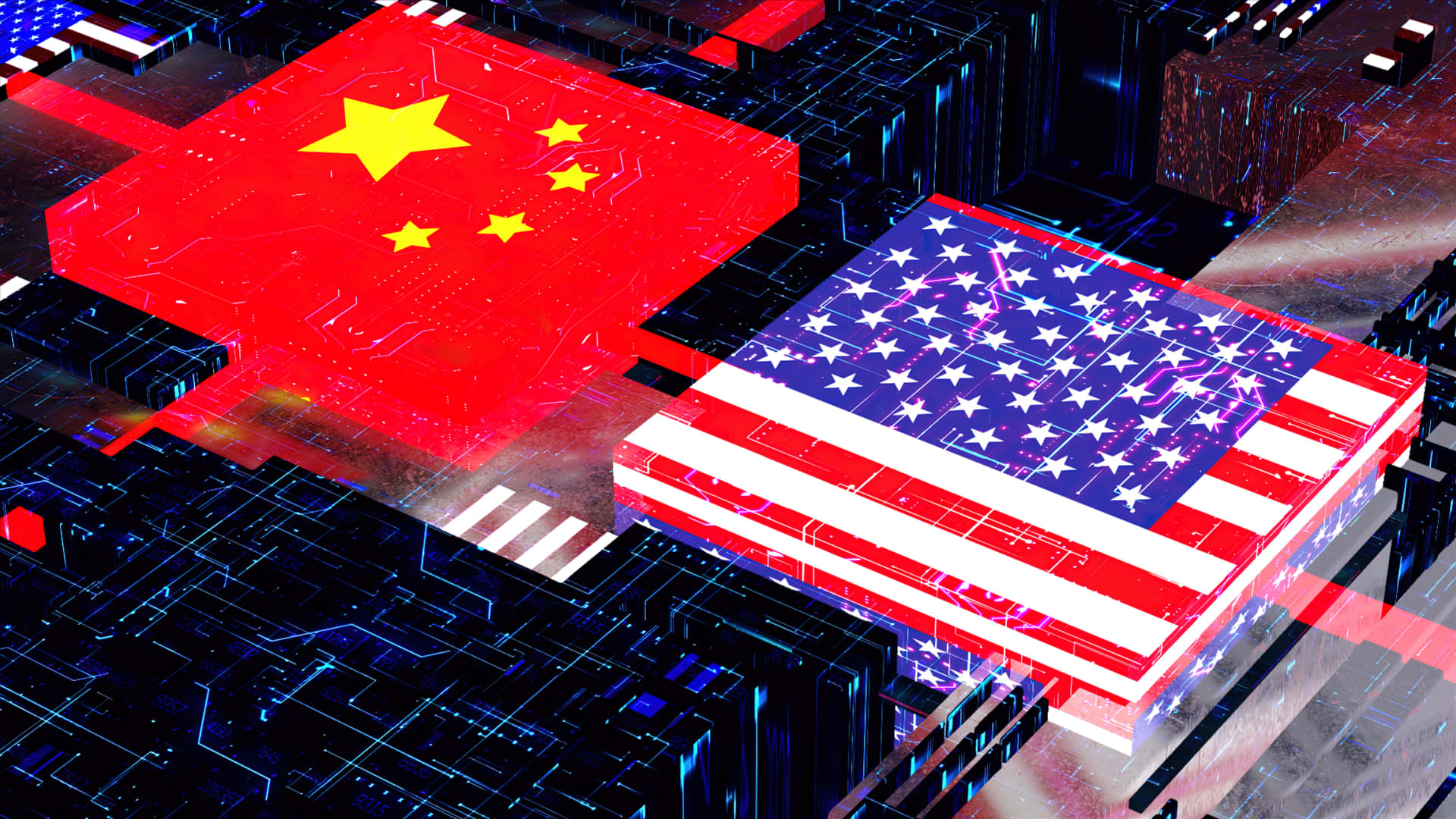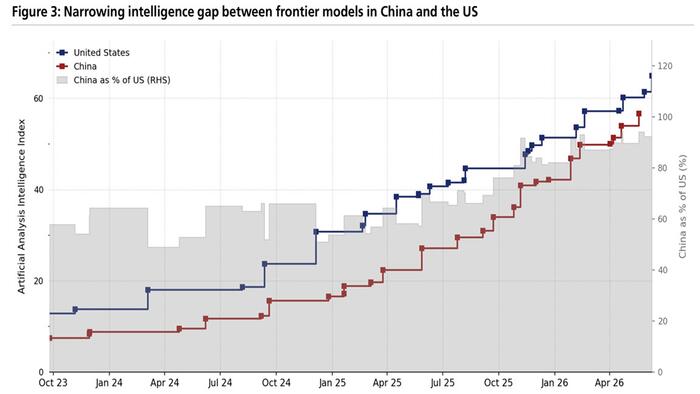
In the contest between US and Chinese artificial intelligence stacks in several markets, especially in Africa, state capacity and infrastructure deals will prove more decisive than model quality.
The contest will hinge on chips, data centers, energy, cloud regions, and the financing that binds them, together with the capacity of recipient states to regulate, procure, and absorb what is on offer. Topping the model leaderboards may count for less than the ability to finance, power, and permit the infrastructure stack underneath the models. Washington and Beijing have each built their strategy on that premise, and the African evidence so far bears it out.
According to one Atlantic Council analyst, a battle of opposing AI stacks is escalating, as national policymakers reach for control over critical digital infrastructure such as compute, cloud, chips, and regulation. Another Atlantic Council analyst expects Washington to sign more AI partnerships like the ones it established with Saudi Arabia and the United Arab Emirates, while working to counter Chinese influence in emerging markets, where Beijing’s growing strength in open-weight models could prove a winning formula for market share.
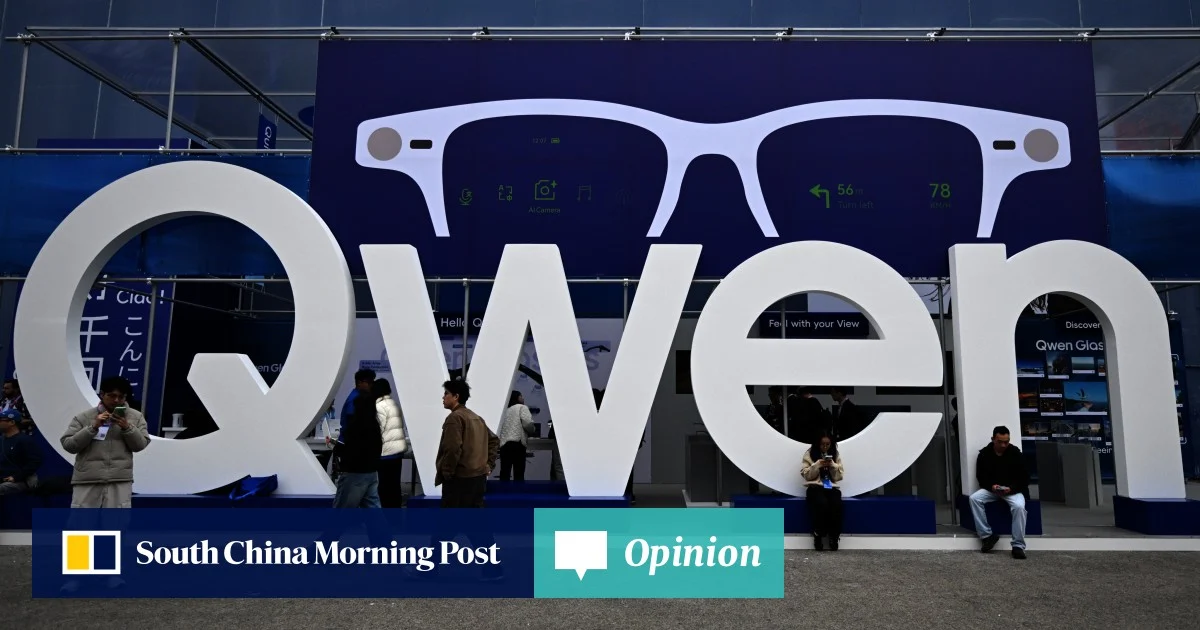
By late 2025, Qwen, the family of open-weight models developed by China’s Alibaba, had overtaken Meta’s Llama as the most downloaded model family on Hugging Face, the world’s largest repository for open-source AI models, while Chinese models accounted for more than 45 percent of downloads among leading open models. The significance is less that Chinese models are universally better than American alternatives, and more that they are increasingly becoming the default foundations on which developers around the world are choosing to build.