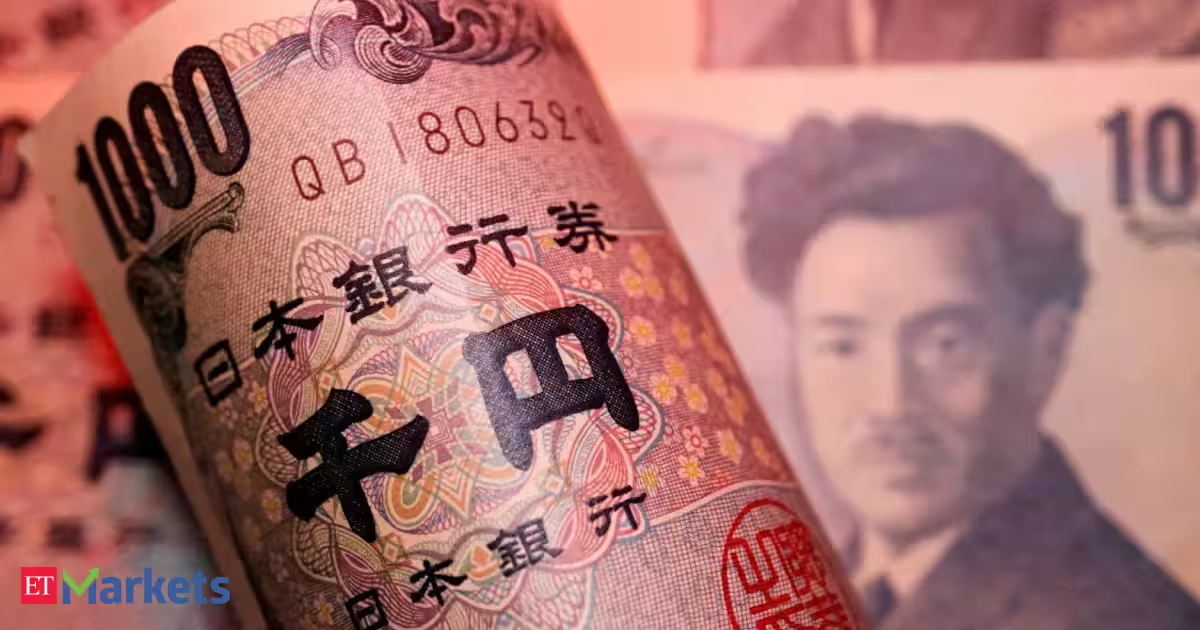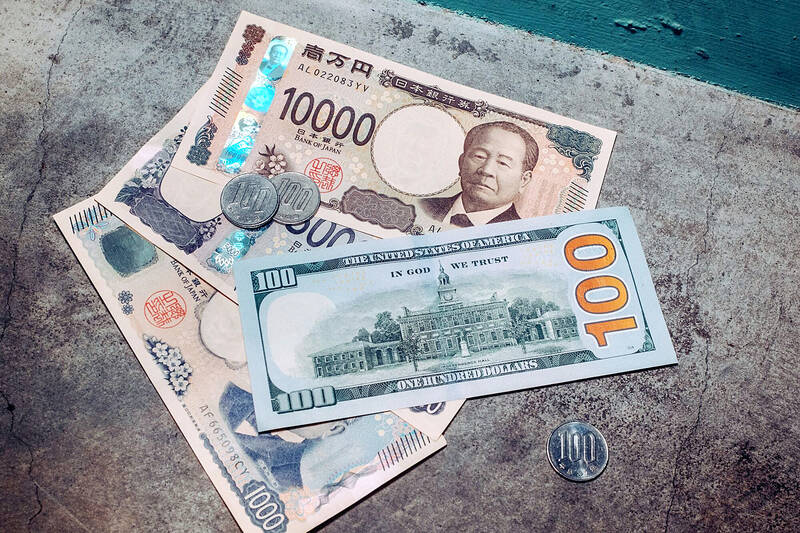
The US and Japan's first joint action on the yen in 15 years can only offer a temporary effect in defending the Asian currency, and a sustained reversal of the yen's long-term downward trend still depends on broader fiscal and monetary policy adjustments, experts warned on Monday.
They made the remarks after Japanese Finance Minister Satsuki Katayama confirmed in a statement on Monday that Japan purchased its currency "in coordination with the US Department of the Treasury" on Friday. Katayama said the intervention was aimed at countering "excessive volatility and disorderly movements" and that both sides "will not hesitate to conduct further joint intervention".
At 5 pm on Monday (Tokyo time), the yen strengthened to around 156.76 per dollar after briefly hitting 155.20, its strongest level since early May.
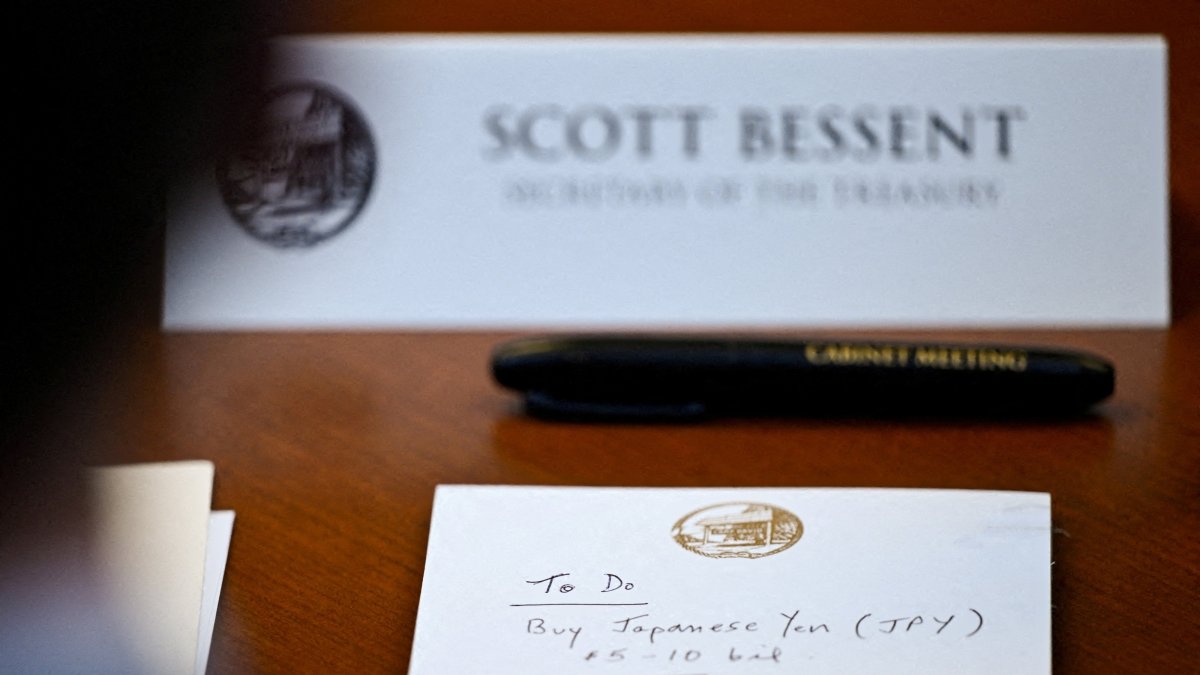
US President Donald Trump said on Sunday that the US had intervened in the foreign exchange market at Japan's request to support the weakening yen.
Data from the Bank of Japan, the country's central bank, indicated that Tokyo may have sold almost $59 billion of US dollars to buy yen when it intervened in New York markets on July 30, before the joint intervention with Washington on July 31.