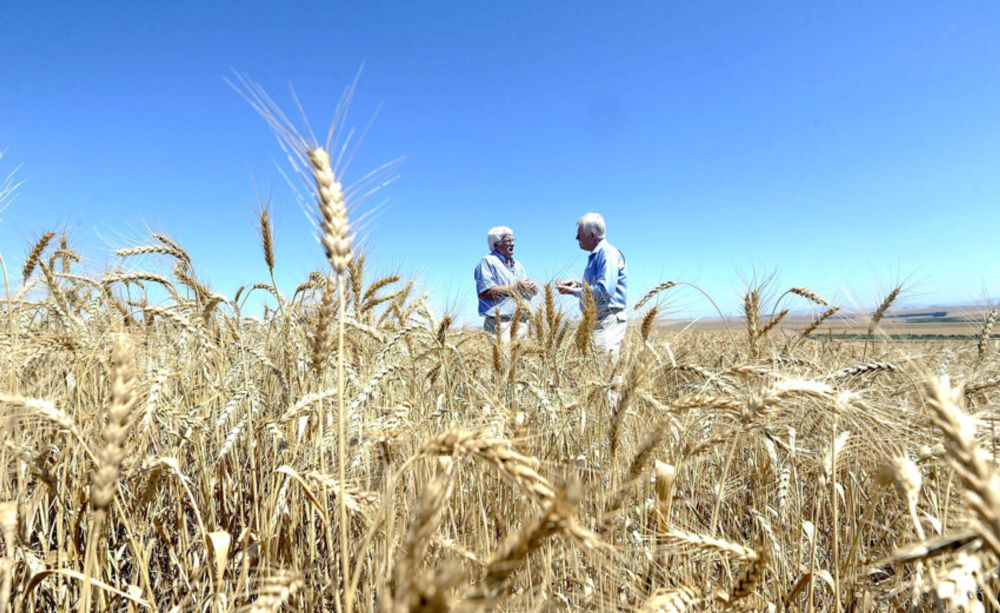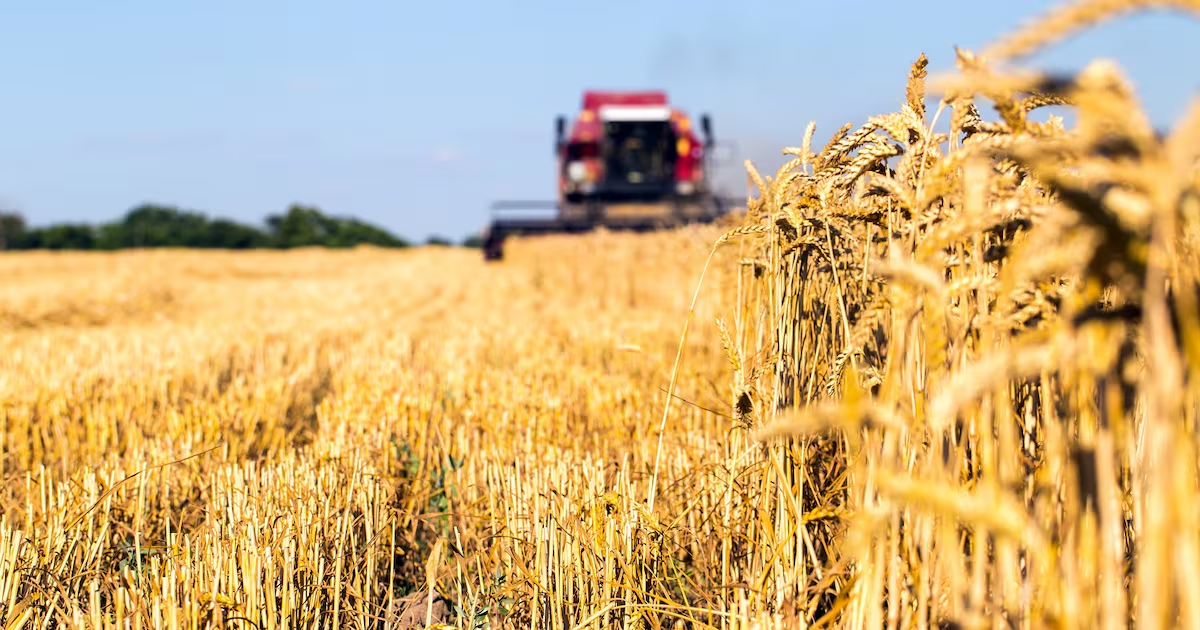
The overarching theme of South Africa’s agricultural outlook for 2026 has been broadly positive, particularly for field crops and horticulture. But not all industries in these subsectors are experiencing favourable production conditions. The wheat industry is under strain. The ample global wheat supplies at lower prices at various times in the past few months, with higher input costs due to the Middle East war and the unfavourable weather conditions in some parts of South Africa’s wheat-growing regions, have led to a reduction in area plantings. Among other things, these pressures contributed to the wheat industry’s decision to seek an increase in the wheat import tariff to cushion the domestic industry from the lower prices and subsidised imported wheat. These trade policy questions are important and the import tariff adjustment approach must seek a balance between consumer welfare and farmers’ welfare, among other considerations. Clearly, the domestic wheat industry is now under pressure. For example, in the 2026/27 winter wheat crop South African farmers lowered wheat plantings to 473,900ha, 8% lower than the previous season, according to the latest data from the crop estimates committee. It is the smallest area planted to wheat since 1929. About 69% of the area planted to wheat is in the Western Cape, followed by the Free State, which accounts for 11% of South Africa’s winter wheat plantings, the Northern Cape with 8%, Limpopo with 5% and other small plantings in KwaZulu-Natal, the North West, the Eastern Cape, Mpumalanga and Gauteng. The anchors of South Africa’s wheat industry are the Western Cape, Free State, Northern Cape and Limpopo. The plantings for the 2026/27 season have declined notably in most of these major provinces, with the Northern Cape about unchanged. It is unclear precisely what this decline in area plantings will mean for the overall harvest, since the first official winter wheat production estimate will only be available on August 26. Still, if we take the average five-year wheat yield of 3,88 tonnes per hectare, an area of 473,900ha under wheat should produce a crop of about 1.8-million tonnes. This would be 4% lower than the 2025-26 season and the smallest crop in six seasons. Given that the area plantings are the smallest in nearly 100 years, a wheat harvest that would be the smallest in six seasons would be a relatively good outcome. The yield will be influenced by the weather conditions and the level of input the producers apply. We will therefore only have a decent forecast of the yield later this month. However, assuming a 1.8-million tonne harvest it would mean that South Africa would have to import about 1.9-million tonnes of wheat, a little more than the expected imports of 1.8-million tonnes for this season. From the consumer side, while these figures and the extent of the decline in the winter wheat planting are worrying, supplies will be available. The ample global wheat harvest, which the International Grains Council forecasts at 821-million tonnes, is down 3% year on year but still well above the long-term average.South Africa will be able to secure affordably priced wheat to serve domestic needs in the near term. Still, it doesn’t take the focus away from the important policy questions of finding a balance in trade policy to support the domestic wheat industry, while also accommodating consumer well-being. • Sihlobo is presidential envoy on agriculture and land, chief economist at the Agricultural Business Chamber of South Africa and a senior fellow in Stellenbosch University’s department of agricultural economics.Business Day
WANDILE SIHLOBO | Wheat plantings hit lowest level since 1929
Farmers seek higher import tariffs to shield local industry from cheap global supplies
581 words~3 min read