Academia
Nearly two decades later, the appropriate time for realistic yet necessary change has arrived.
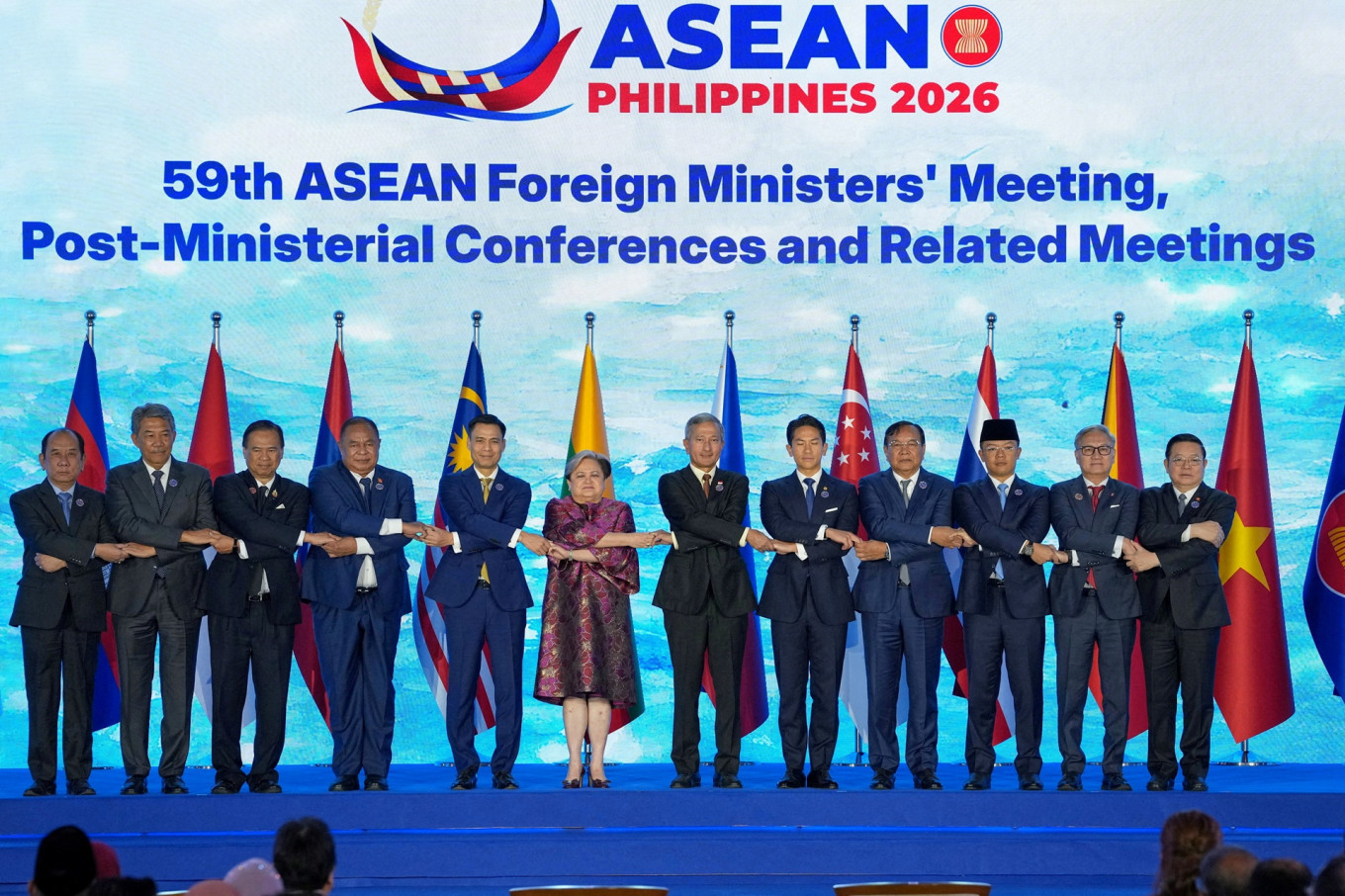
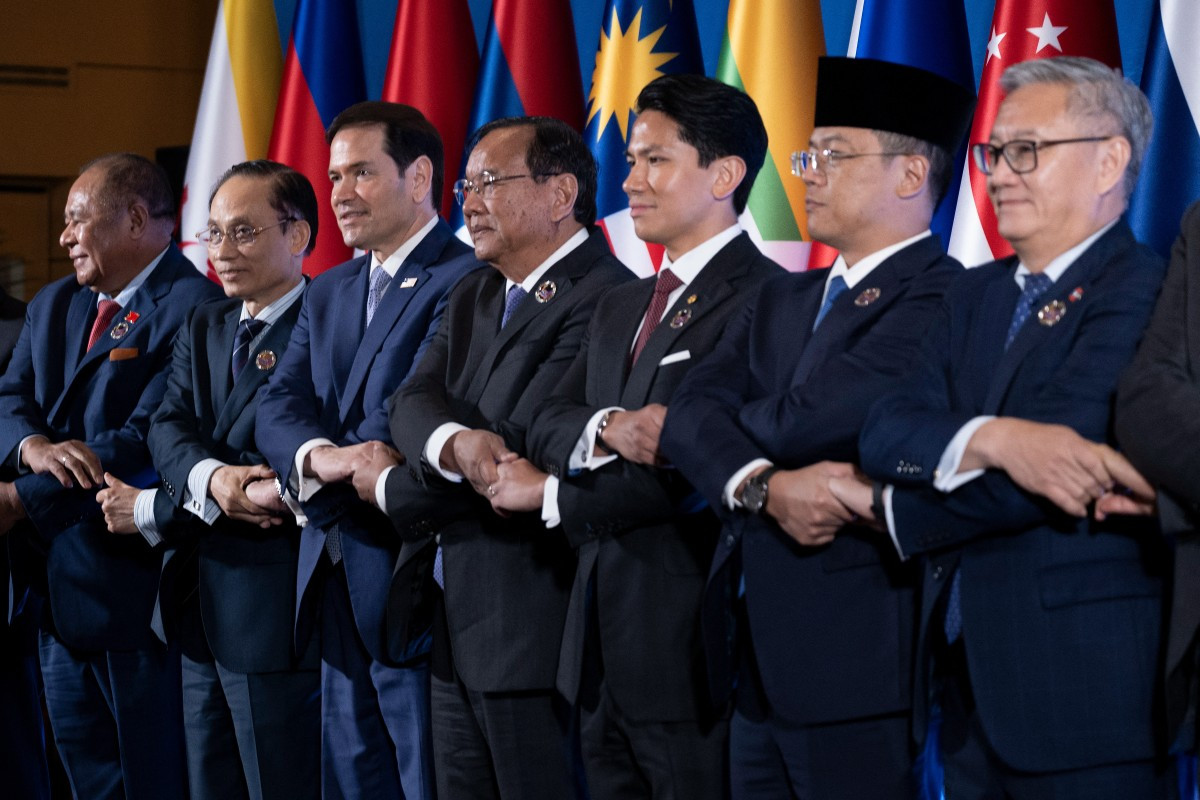
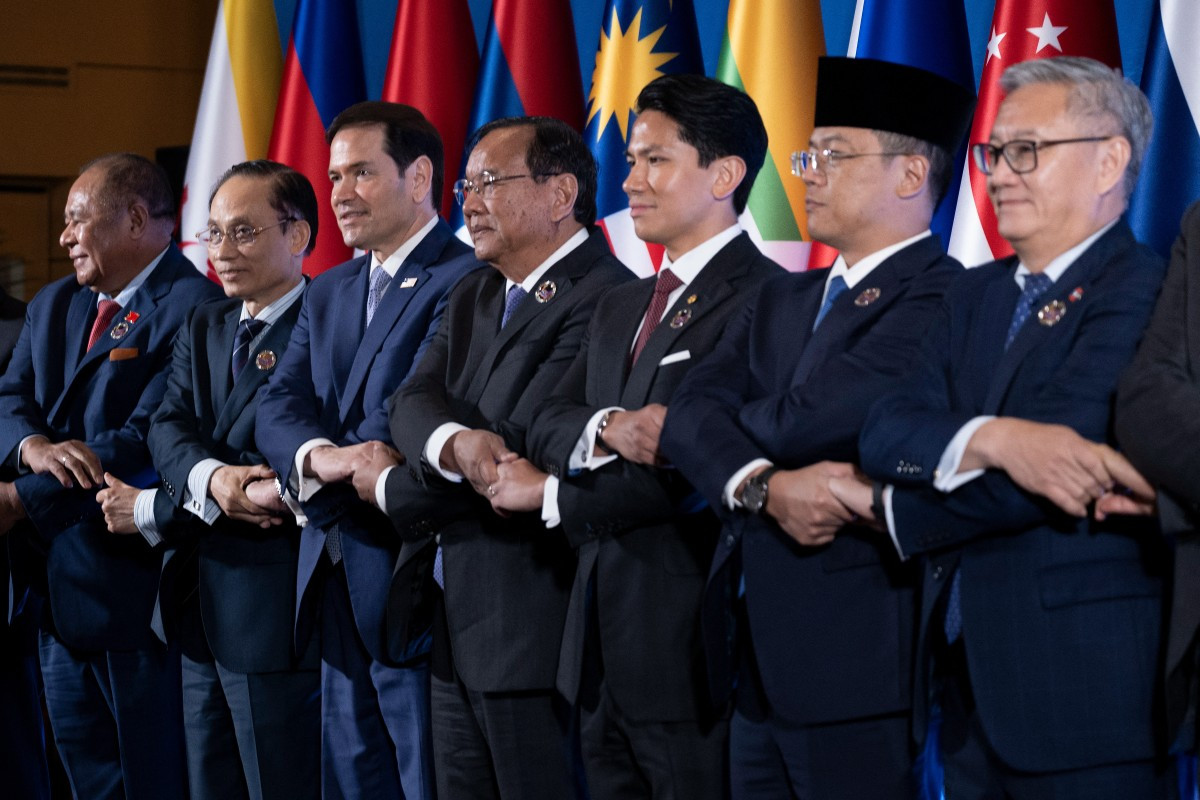
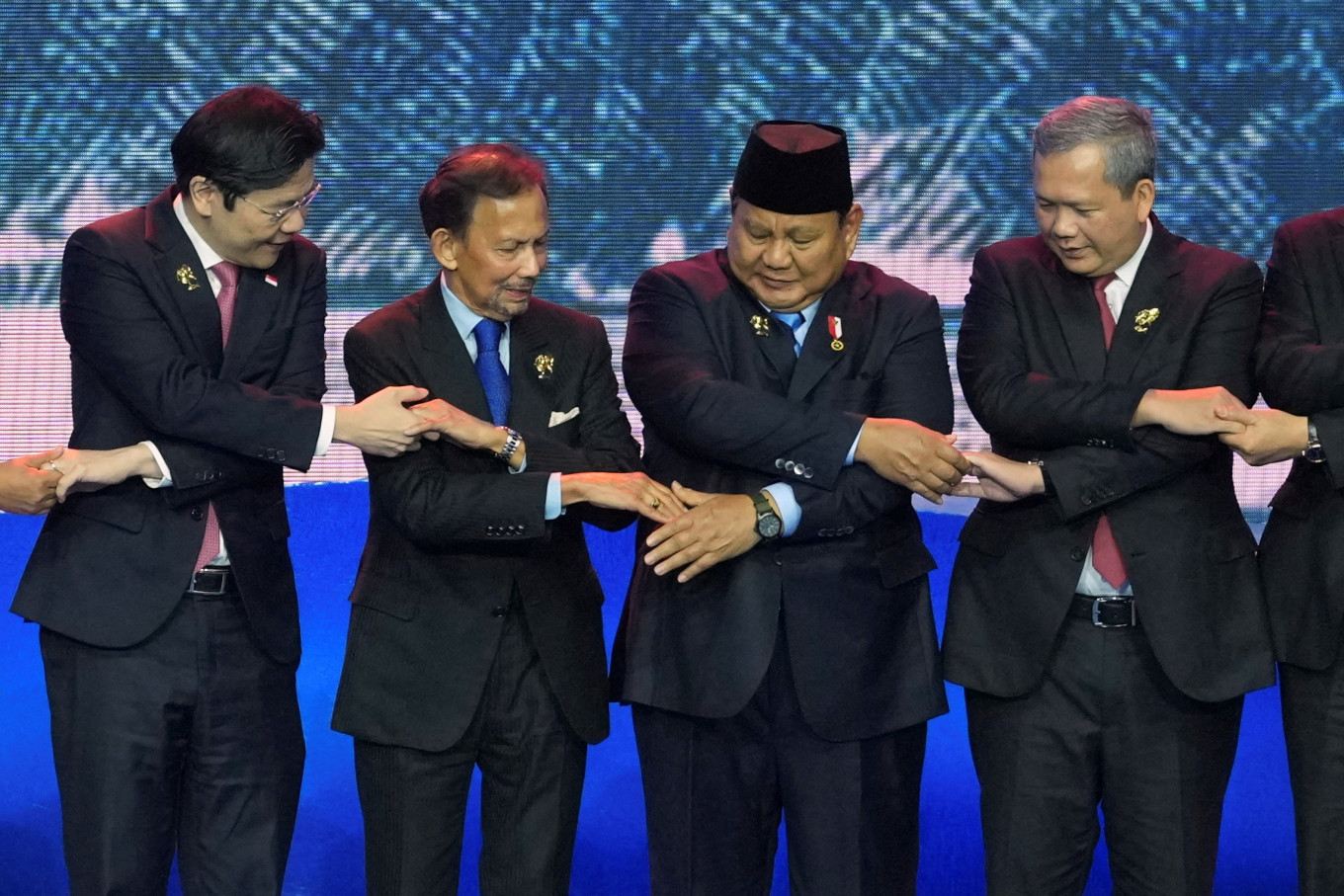
Singapore's Prime Minister Lawrence Wong (from left), Brunei's Sultan Hassanal Bolkiah, Indonesia's President Prabowo Subianto and Cambodia's Prime Minister Hun Manet hold hands for a group photo during the opening ceremony of the 48th ASEAN Summit and Related Meetings, in Cebu, Philippines, May 8, 2026. (Reuters/Aaron Favila)
Days before the ASEAN Charter was signed in Singapore in November 2007, Ali Alatas, one of Indonesia’s and Southeast Asia’s most revered diplomats, who served on the grouping’s Eminent Persons Group that helped draft the document, spoke with The Jakarta Post inside a hotel in the city state, on how monumental the moment was, expressing quiet pride that ASEAN leaders had finally agreed to codify the grouping's informal understandings into a single constitutional framework. For Alatas, who passed away just a year later, the Charter’s signing felt like the realization of a lifelong dream: transforming ASEAN from an unstructured regional association into a rules-based international organization. While acknowledging that the final document contained political compromises that failed to satisfy some external analysts, Alatas gave an assurance that the Charter was a baseline. It was a foundation, he insisted, that could be fixed at a more appropriate time.