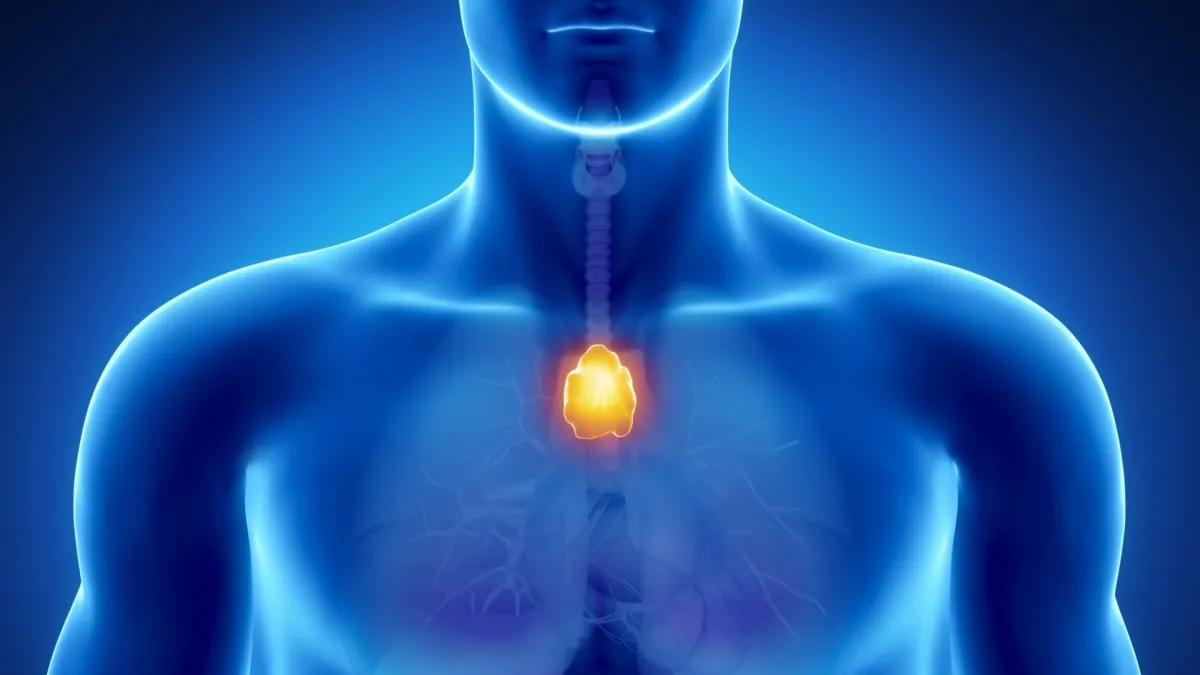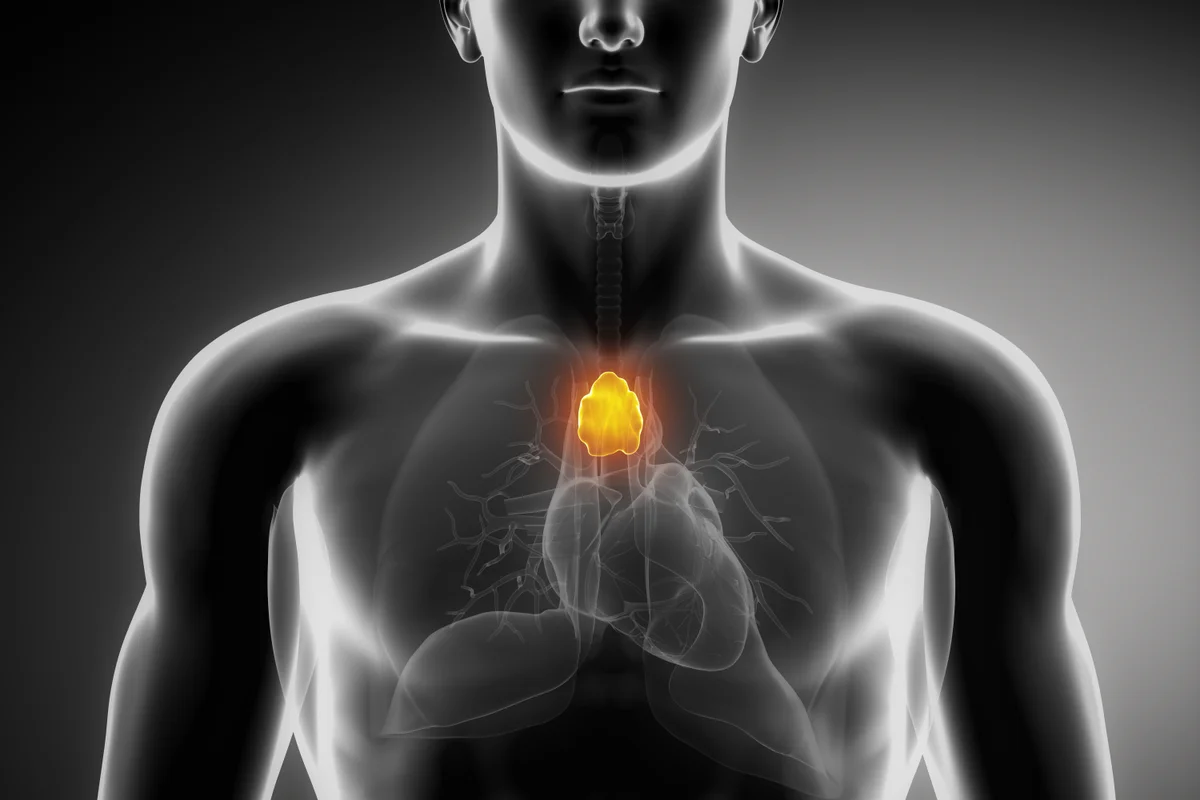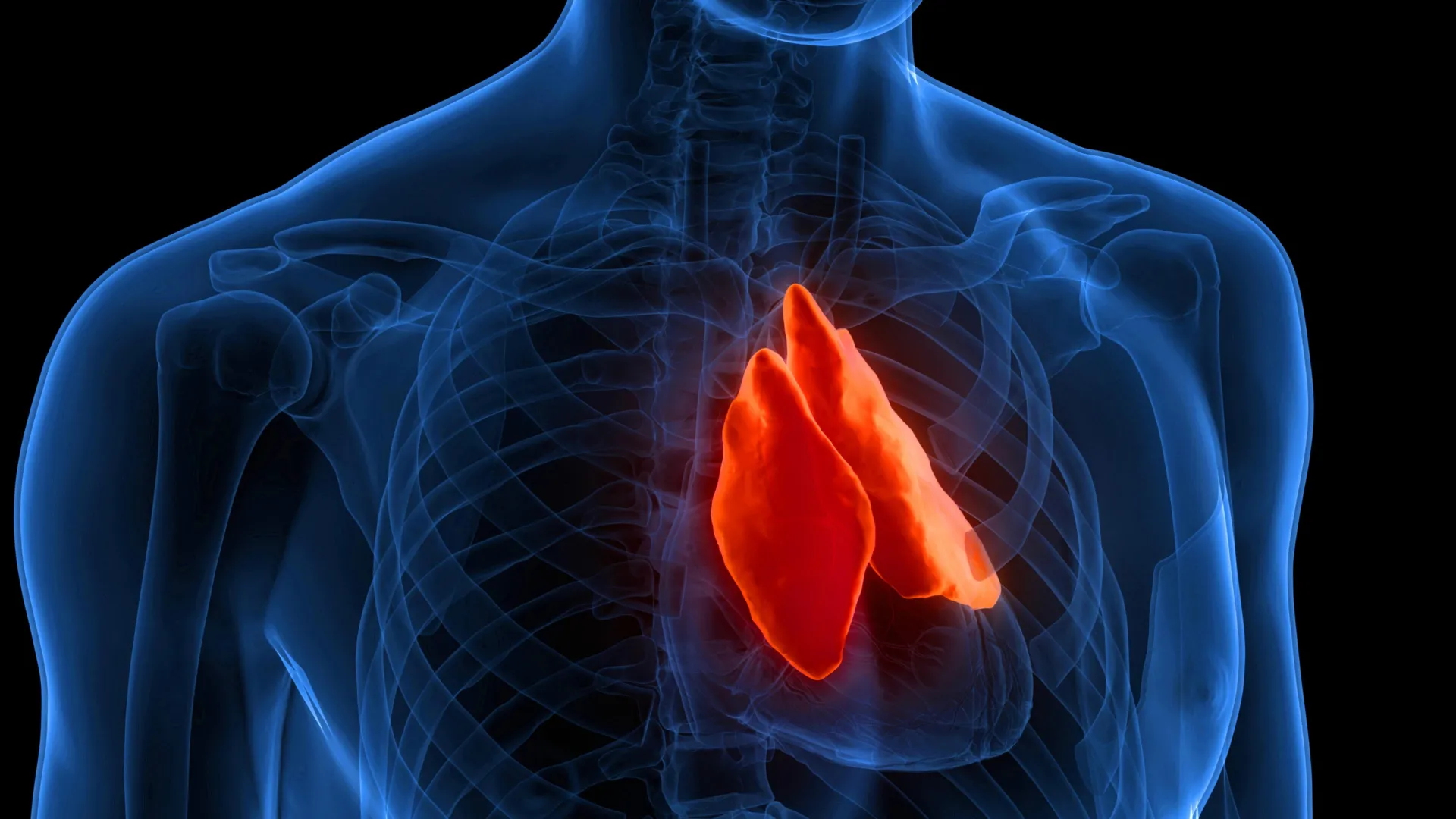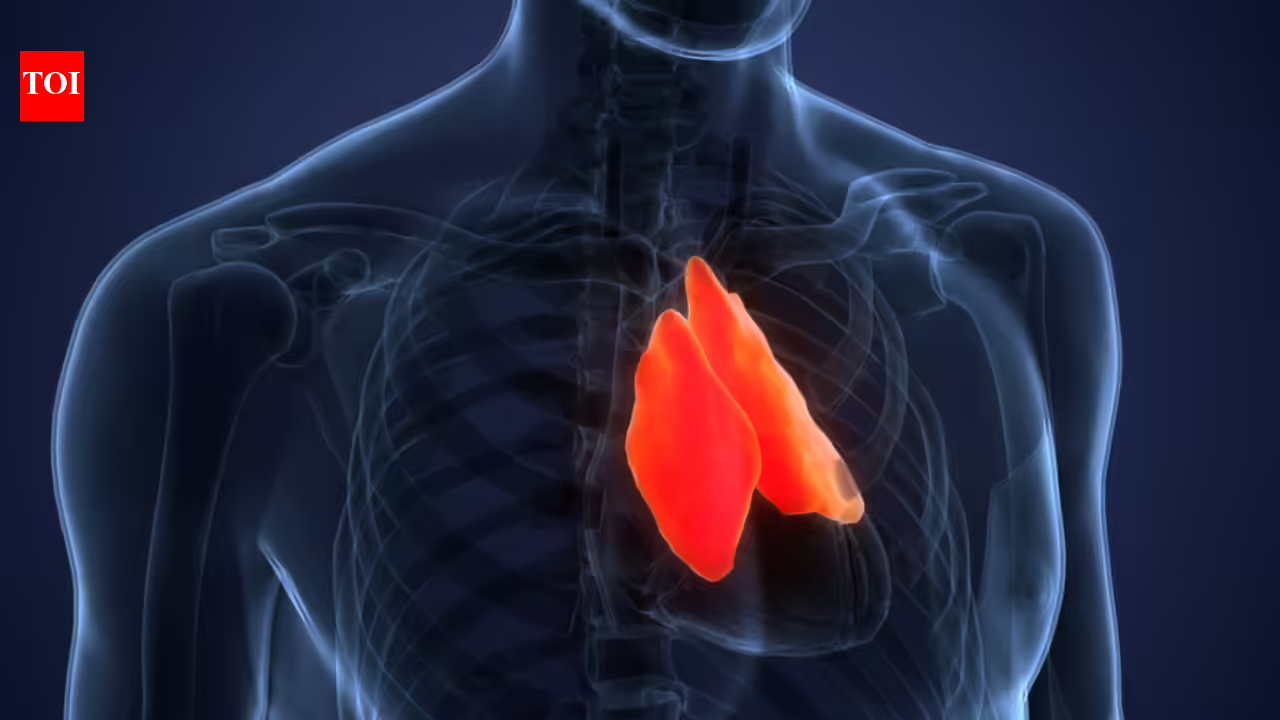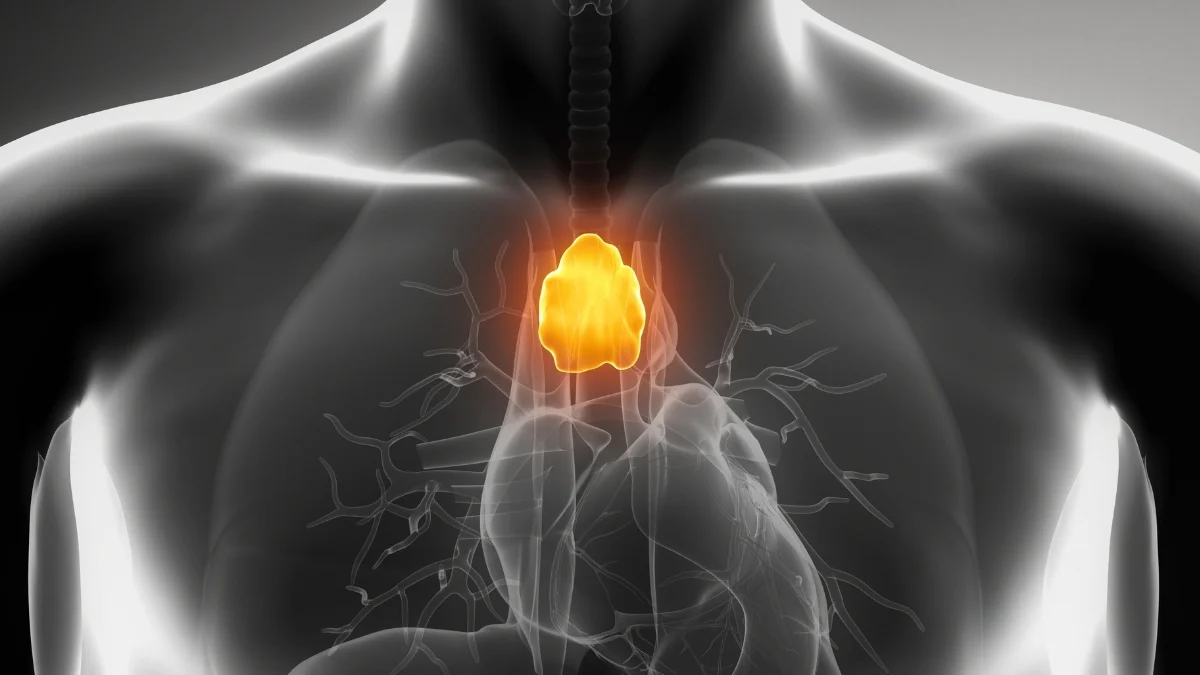
A small organ located in the upper chest has been plagued by an identity crisis for decades now.The thymus, which plays a crucial role in early life in helping to develop children's immune systems, is known to decay and shrink with age, leading to it often being considered a relatively useless or defunct organ in adults.But research is showing this maligned "immune cell graveyard" doesn't actually lose its purpose when we grow up, as many had thought.In fact, recent research published in Nature suggests the thymus could have a persistent and profound impact on health and longevity throughout people's lifetimes, helping the body counter disease risk, including cancer."We suspected the adult thymus might still matter, but we were surprised," oncologist Hugo Aerts from Harvard University, director of the Artificial Intelligence in Medicine (AIM) Program at Mass General Brigham, told ScienceAlert."We did not expect these differences to be so strongly and consistently associated with longevity, cancer incidence, cardiovascular disease, and cancer therapy response across multiple large, independent cohorts. That suggested the adult thymus is far more important than previously appreciated."In their study, Aerts and his team analyzed health data from over 27,000 people, collected in two separate cohorts, the Framingham Heart Study (FHS) and the National Lung Screening Trial (NLST).
This Organ Plays a Far More Profound Role in Human Longevity Than We Realized, Study Finds
A small organ located in the upper chest has been plagued by an identity crisis for decades now.
1,108 words~5 min read