Susanna was just 28 years old when she was diagnosed with bowel cancer. Andre developed lung cancer when he was only 34. Both of them have turned to social media to talk about their fight against the disease. Neither of them are medical outliers — not anymore.
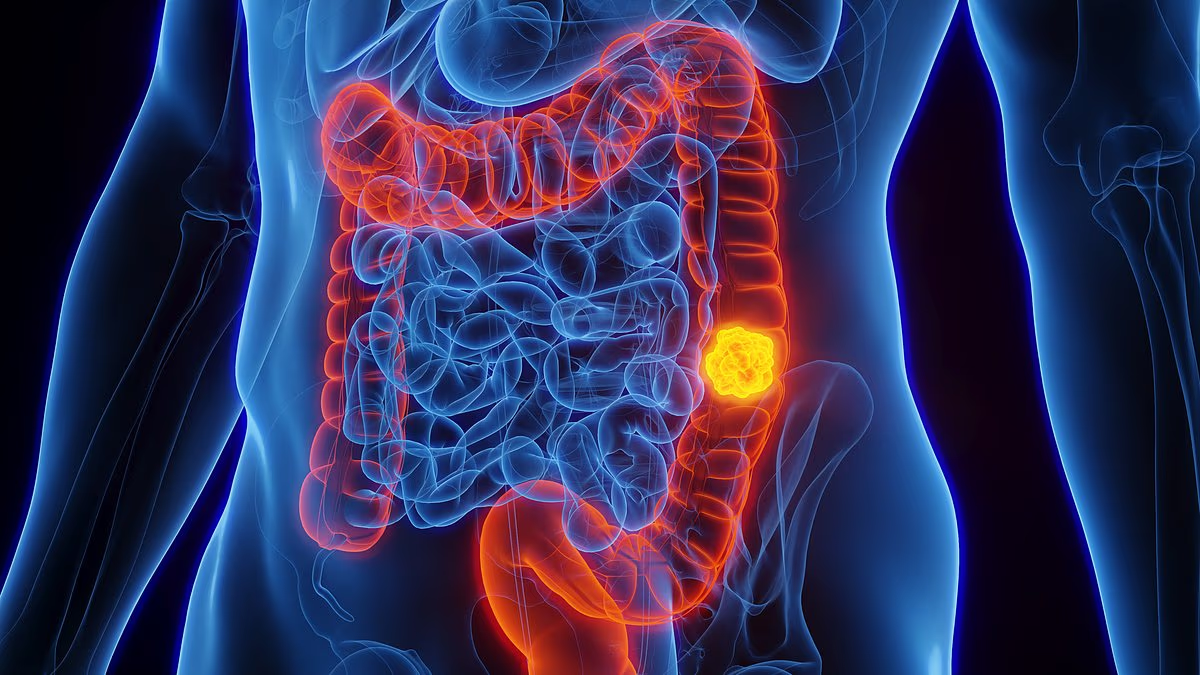
The German Cancer Research Center (DKFZ) has reported a sharp increase in gastrointestinal cancer cases for patients between the ages of 20 and 39. In the US, researchers have observed a similar development, with an even higher disease ratio than in Germany. Younger people are also increasingly being diagnosed with other types of cancers, including those that affect patients' bone marrow or uterus.
Cancer is usually regarded as an age-related disease. According to the German Cancer Aid non-profit, the average age for men and women with cancer is around 69. Cancer cells form when certain sections of the genetic sequence mutate and can no longer be repaired. The older we get, the less reliable our repair system becomes. Making cancer cell therapy affordableTo view this video please enable JavaScript, and consider upgrading to a web browser that supports HTML5 video
Gap between chronologal and biological gap increasing
A study by researchers at Washington University School of Medicine, US, has now found a link that could help explain why an increasing number of people under 50 are developing early-onset cancer. The reason, they suggest, is that younger generations are displaying a wider gap between their biological and their chronological ages. In short, they are aging faster.