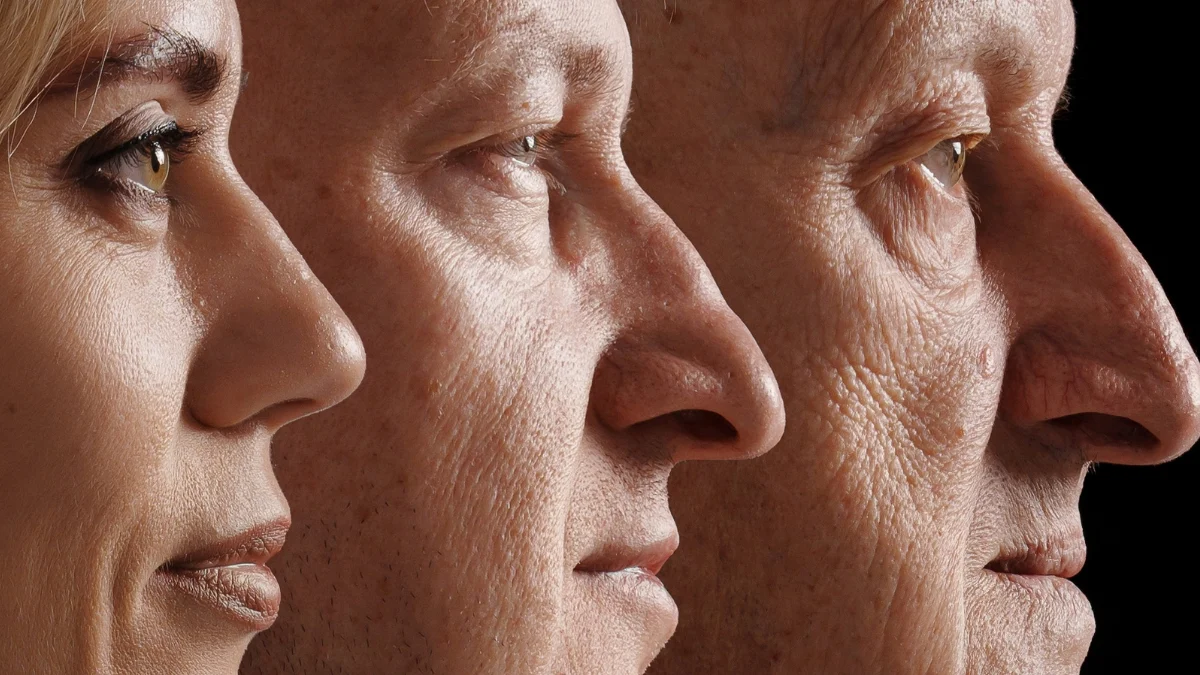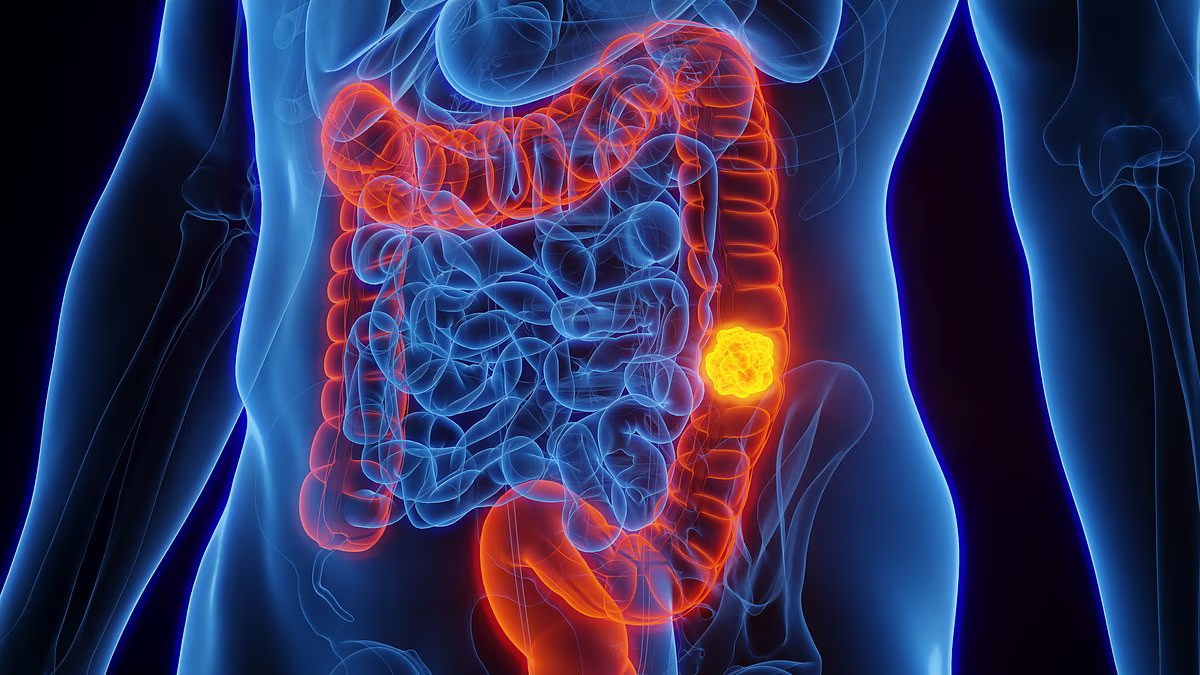
Younger adults are ageing faster than generations before them, making them more susceptible to cancer, research suggests. Earlier this year, it was revealed that 11 cancers are now rising among adults aged 20 to 49 – including breast, bowel and pancreatic cancer. Traditionally the disease has been more common in older age groups, leaving experts searching for answers. Several theories have been proposed, pointing to factors such as poor diet, obesity, smoking, alcohol consumption, disruption of the gut microbiome and even exposure to microplastics.However, a new study published in Nature Medicine suggests a different explanation: the way our bodies are ageing internally.Rather than relying on chronological age – the number of years a person has lived – scientists are increasingly focusing on 'biological age'. This reflects how well the body is functioning and ageing, based on factors such as lifestyle, nutrition, sleep, stress levels, fitness, inflammation and overall metabolic health.In an analysis of blood samples from around 164,000 adults in the UK and the United States, researchers found evidence of 'accelerated biological ageing' among people in their 30s and 40s – a pattern not observed in their parents' generation.Those born between 1965 and 1974 showed signs of ageing faster at a cellular level than individuals born two decades earlier. In effect, their bodies appeared older than would be expected for their actual age.The findings raise the possibility that this accelerated internal ageing could be contributing to the growing incidence of cancer among younger adults, though researchers stress that multiple factors are likely to be involved. The new study found that adults are ageing faster than their parents at a cellular level
Young people today are 'ageing faster' - increasing cancer risk
Younger adults are ageing faster than generations before them, making them more susceptible to cancer , a new study has found.
695 words~3 min read