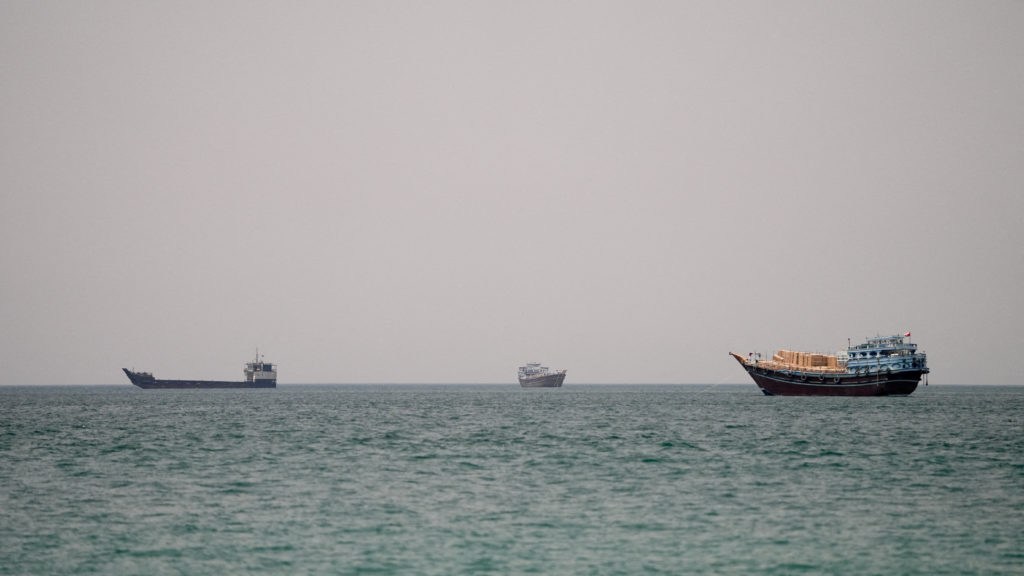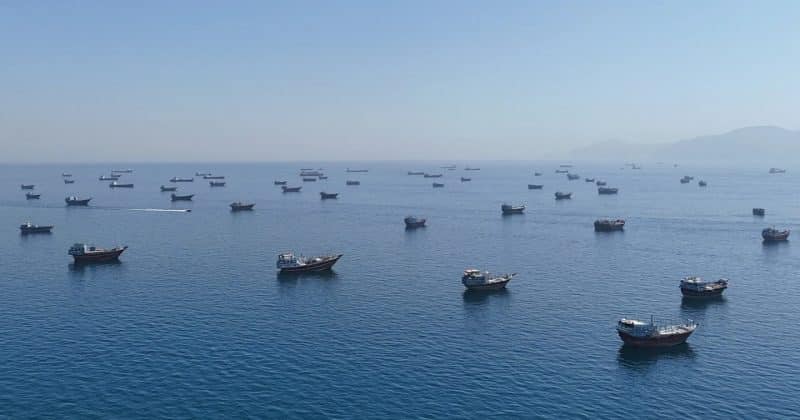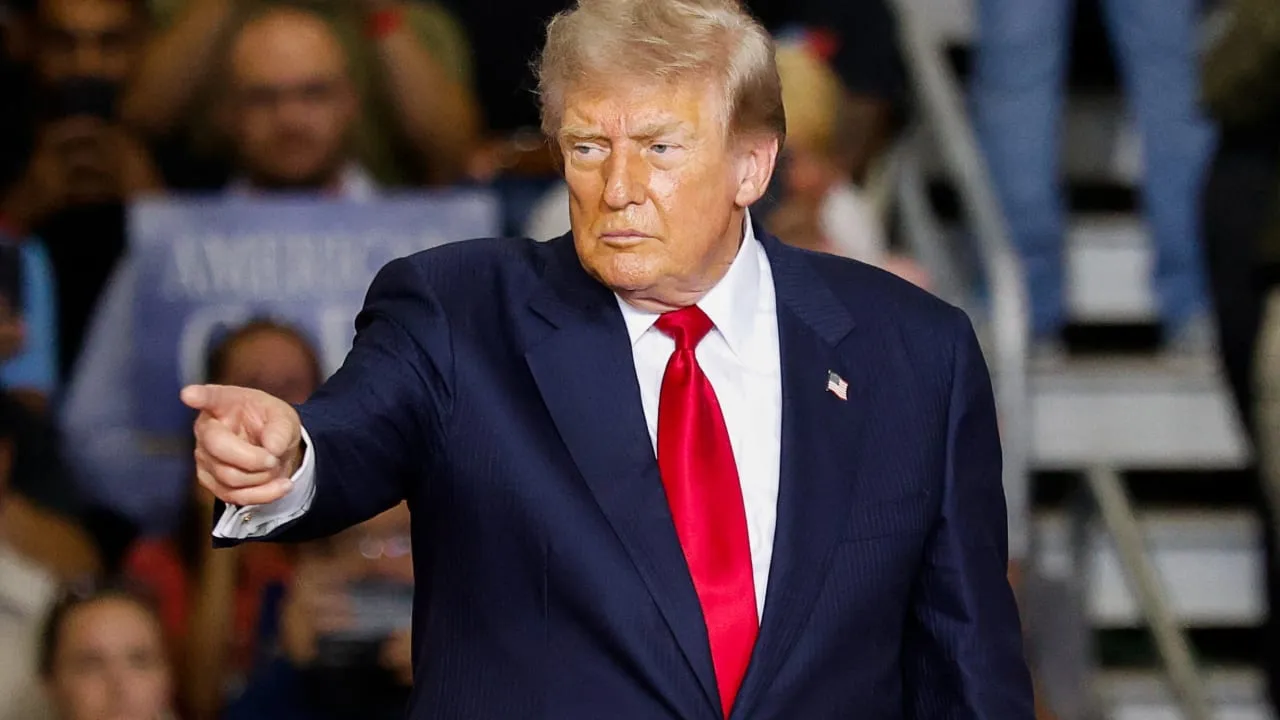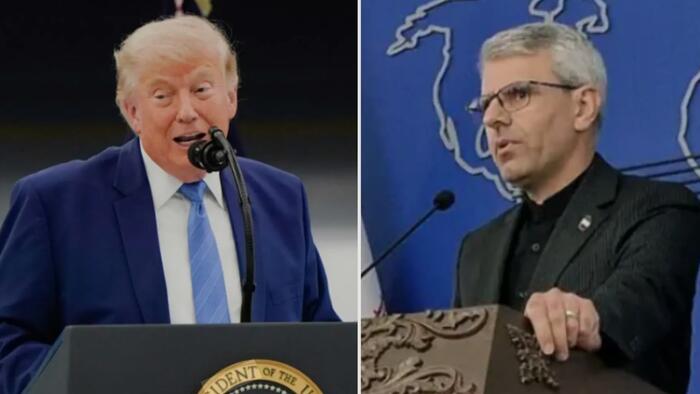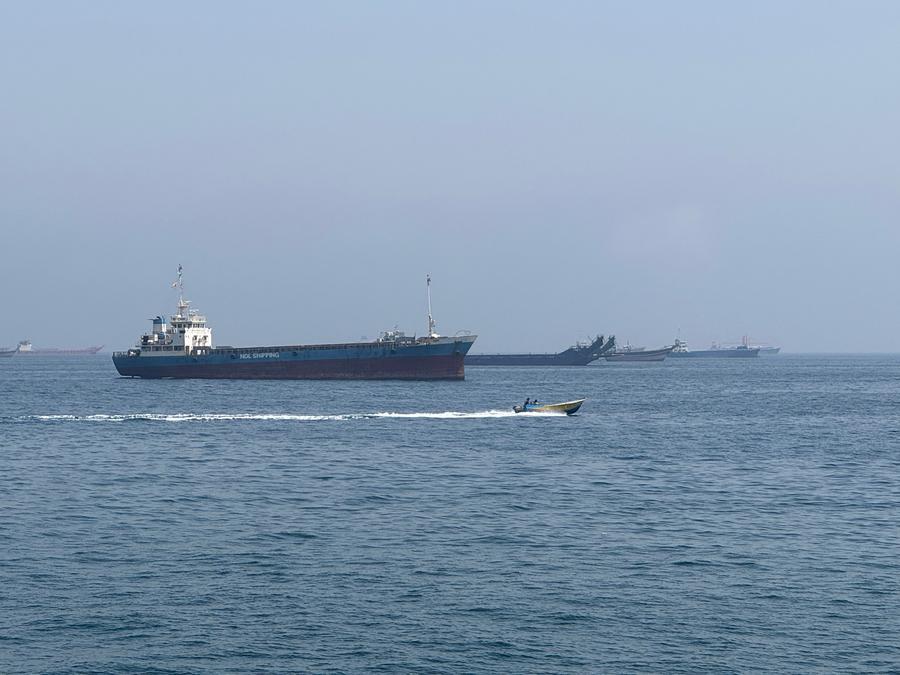
In a move that scrambled diplomatic signals across the Middle East, President Donald Trump announced on August 2 that Iran had formally requested talks with the United States. The proposed negotiations, Trump said, would center on two of the region’s most combustible issues: the status of the Strait of Hormuz and Iran’s nuclear program.
Trump added that Gulf allies, including Saudi Arabia, the UAE, and Qatar, had encouraged Iran to seek dialogue, and that their backing played a role in his decision to postpone a planned military strike against Iran that was set to take place imminently.
Tehran says: not so fast
Iran’s Foreign Ministry moved quickly to pour cold water on Trump’s framing. On August 3, Iranian officials stated publicly that no talks with the United States were scheduled, and that Iran intended to negotiate only through Oman, the Gulf state that has historically served as a back-channel between Washington and Tehran.
Trump, for his part, described Iranian leadership as “unbelievably duplicitous.”