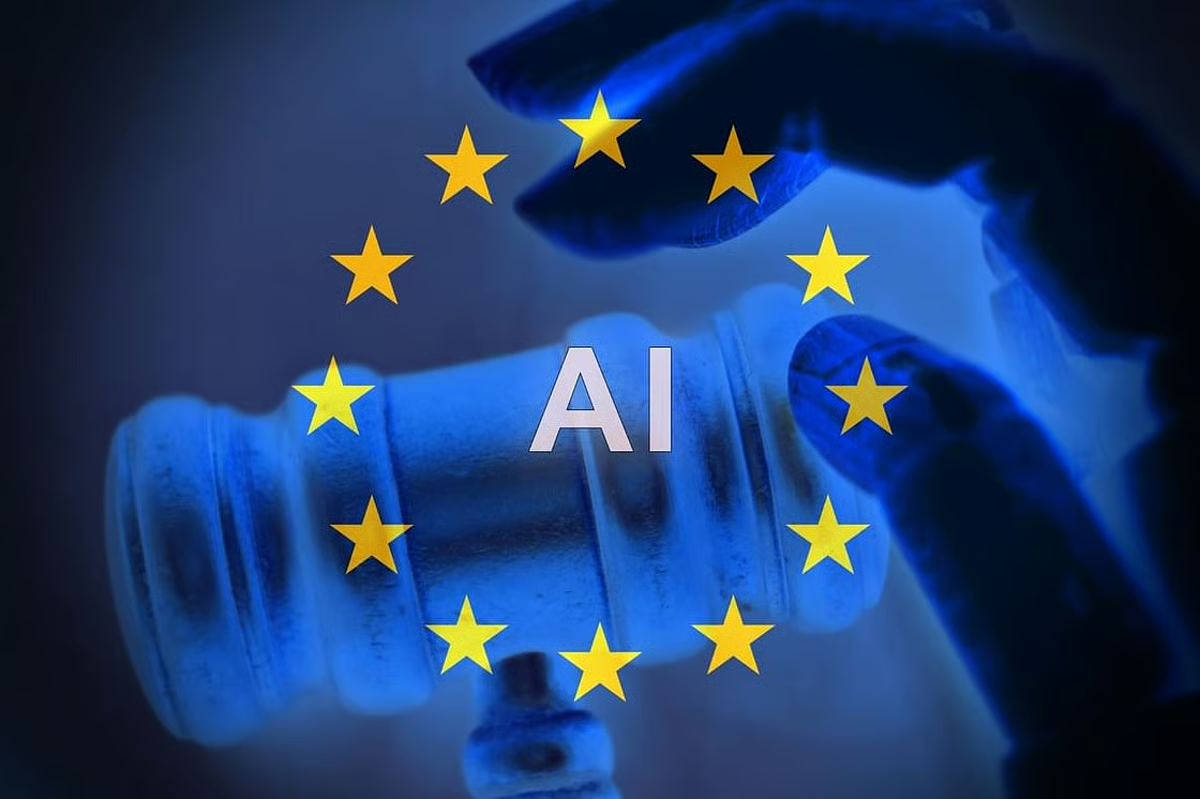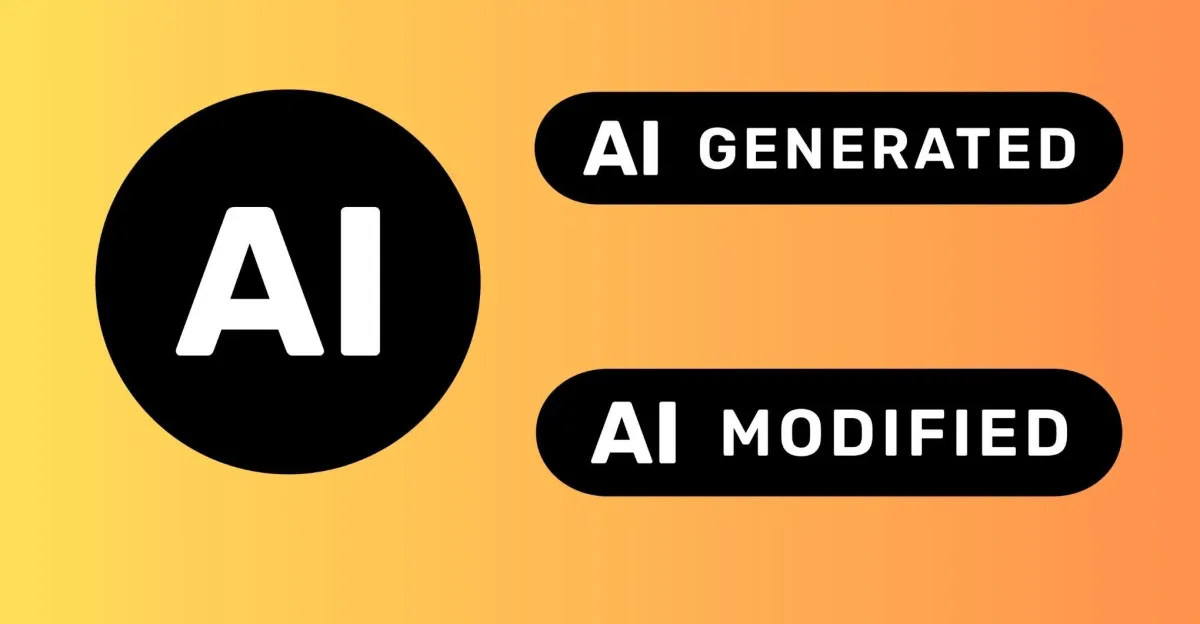
SynopsisUnder the new rules, companies operating AI systems, such as chatbots, must inform users that they are interacting with artificial intelligence. Text, images and other content generated using AI must also carry clear labels, which may include watermarks or other markers to facilitate identification.The European Union's new artificial intelligence transparency rules have entered into force, requiring companies to clearly label AI-generated content, including deepfakes, to help users distinguish between authentic and synthetic material.Under the new rules, companies operating AI systems, such as chatbots, must inform users that they are interacting with artificial intelligence. Text, images and other content generated using AI must also carry clear labels, which may include watermarks or other markers to facilitate identification.The rules also require operators to notify individuals when emotion recognition or biometric categorisation systems are used. Companies that fail to comply may face substantial financial penalties.The European Union has placed particular emphasis on deepfakes, including text, images, videos and audio recordings that appear authentic but are generated or manipulated by artificial intelligence.The requirements also extend to AI-generated content on matters of public interest that has been produced without human editorial oversight or review.Existing AI systems have until 2nd December 2026 to adapt to the new rules, and there are exemptions for "artistic, creative, satirical, fictional" work. ...moreElevate your knowledge and leadership skills at a cost cheaper than your daily tea.Subscribe Now
EU enforces mandatory labelling of AI-generated content - The Economic Times
Under the new rules, companies operating AI systems, such as chatbots, must inform users that they are interacting with artificial intelligence. Text, images and other content generated using AI must also carry clear labels, which may include watermarks or other markers to facilitate identification.
TL;DRAI
EU mandates visible labeling of AI-generated content by December 2026, with substantial penalties for non-compliance. This reshapes AI governance for enterprises using chatbots and generative systems, introducing material compliance costs to stack decisions.
227 words~1 min read