The European Union (EU) has started enforcing key parts of the AI Act, with immediate, visible consequences for chatbots, deepfakes and other consumer‑facing Artificial Intelligence (AI) systems.
From August 2, what you’ll likely notice are more “this is AI” labels, clearer rules for powerful foundation models, and new ways for users and researchers to complain when systems go off the rails.
The AI Act moved from theory to practice for three big areas:
General‑purpose AI (GPAI) models: The new AI Office in Brussels, together with national regulators, can now enforce rules on providers of general‑purpose AI models (think large language models and other foundation models behind many tools).
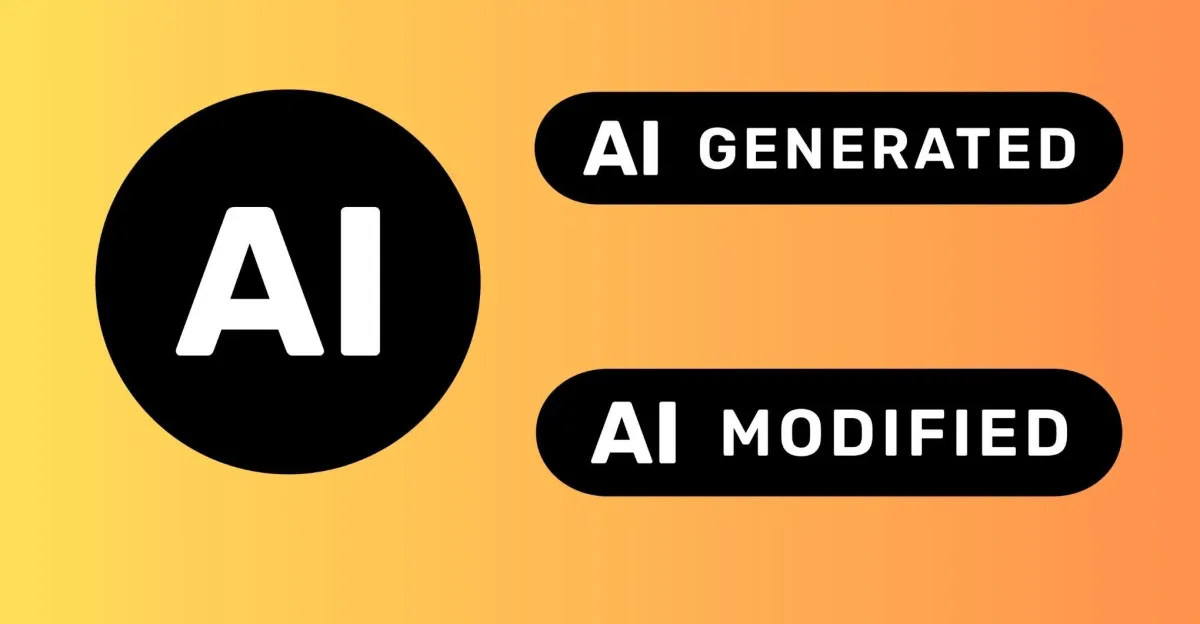
Transparency obligations: Transparency rules kick in for interactive systems and AI‑generated content: chatbots must say they are bots, and synthetic audio, images, video and text need to be marked as AI‑generated or manipulated.