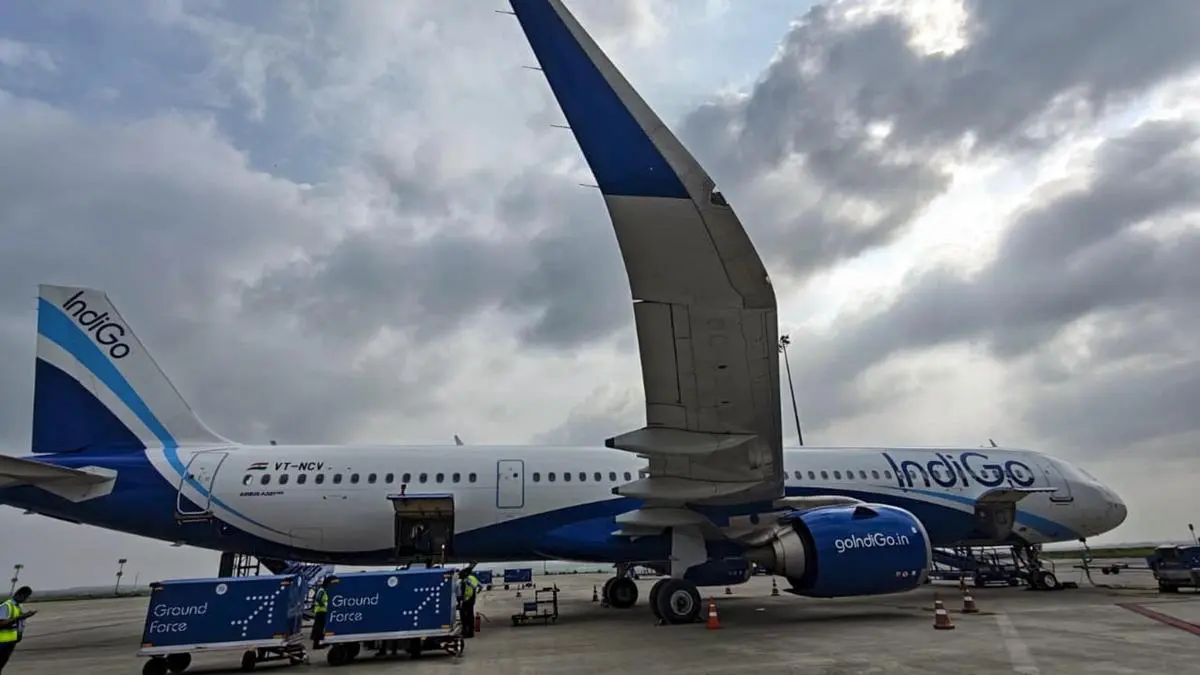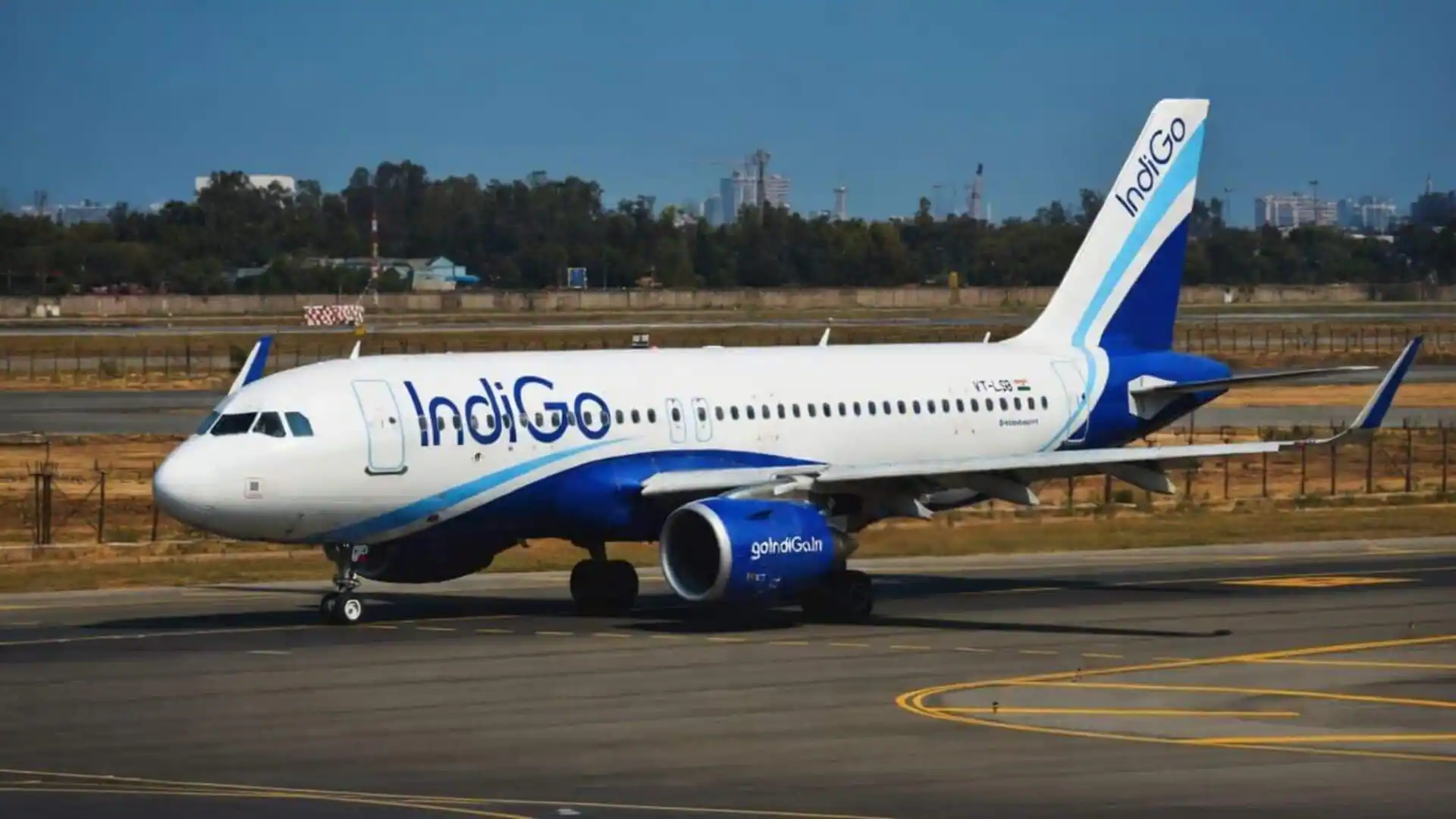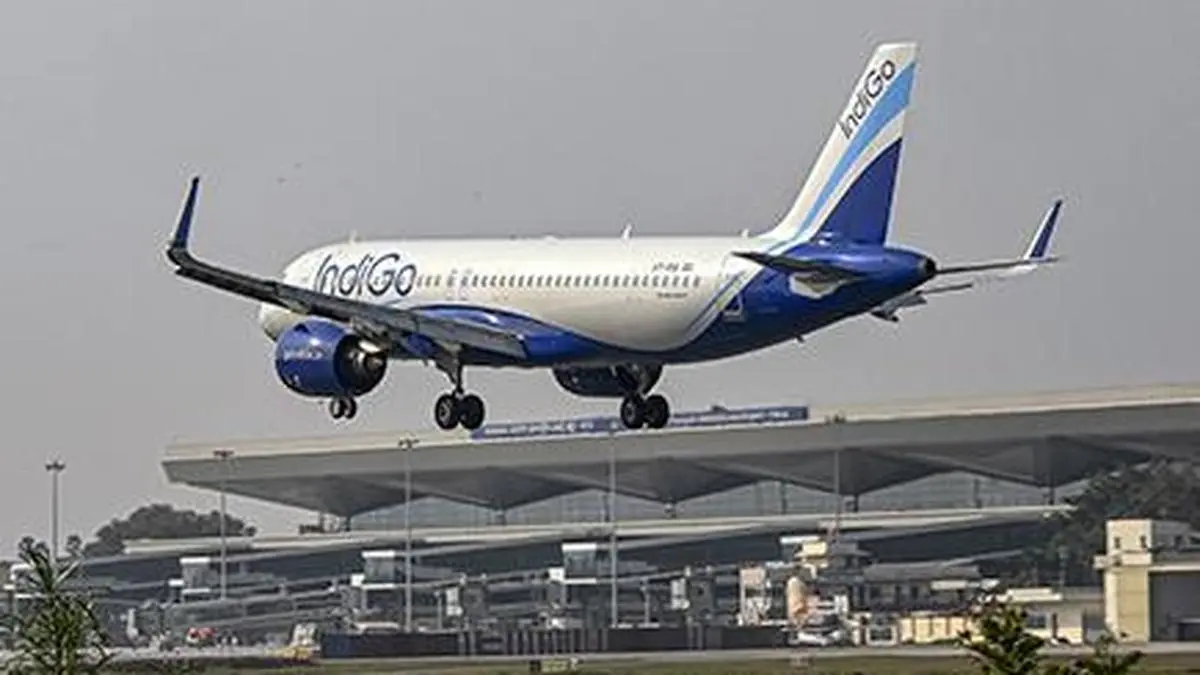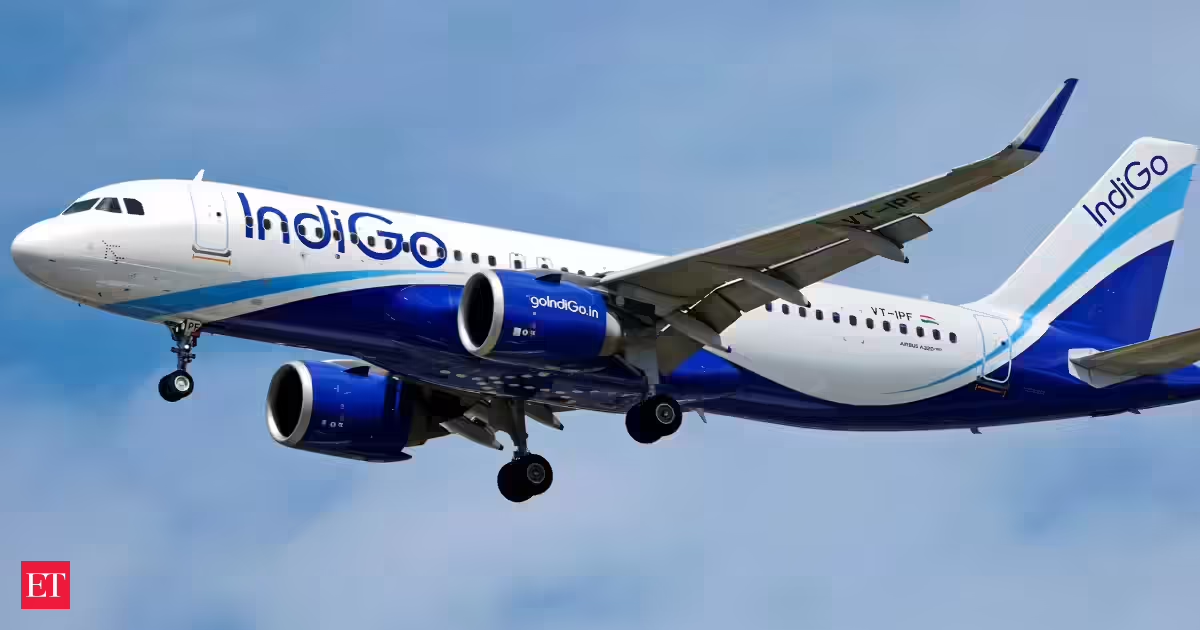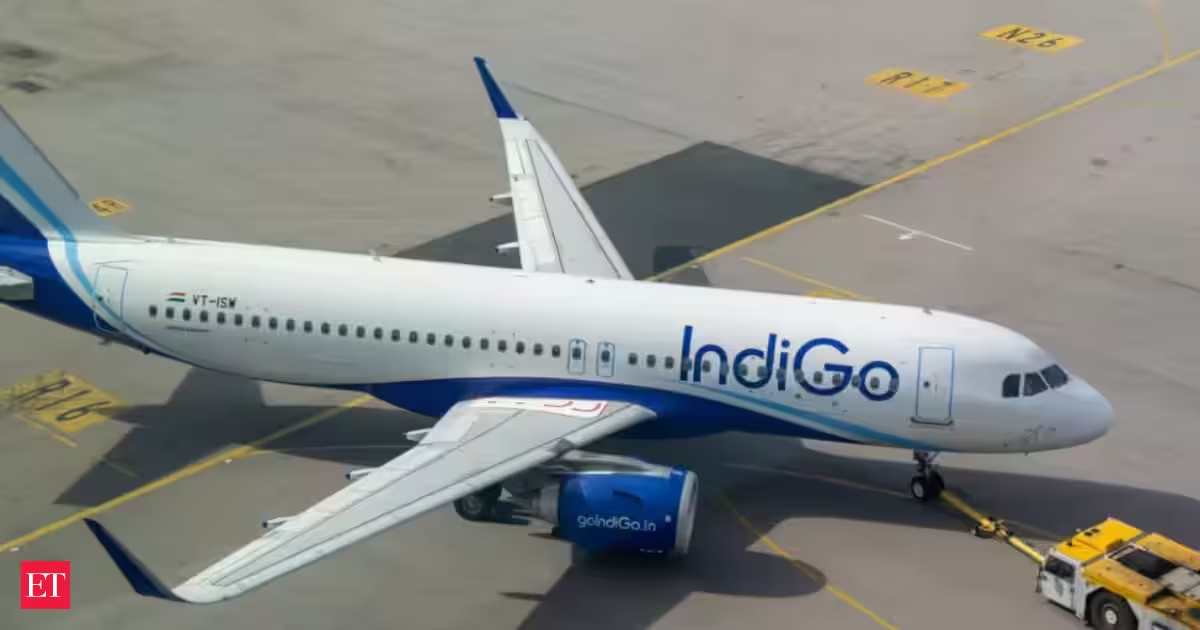
IndiGo will bet on a small business class with lie-flat seats and a premium economy cabin for its long-haul flights to Europe, while fitting its economy cabin with dense seating to sell more seats than rival Air India and protect its lean cost structure.The airline will have 16 business class and 28 premium economy seats, while economy will be fitted with 333 seats—making it one of the densest coach cabins on an Airbus A350.Also Read: New pilot in IndiGo's cockpit: Willie Walsh takes charge as CEOThe legroom, or seat pitch in industry parlance in economy will remain standard at around 31 inches, and the aircraft will offer hot food and inflight entertainment.Air India’s A350 planes have 316 seats including 28 and 24 in the business and premium economy cabins."As the flight length goes beyond the eight-hour range, the product will have to change according to the needs of the market. It will have a neat, efficient economy cabin, something on the business end and perhaps something between economy and business—our own version of a premium economy.But the underlying principle will remain the same: efficiency, cost discipline, scale, connectivity," Aloke Singh, chief strategy officer at IndiGo, said in an interview, without confirming the cabin layout.IndiGo currently operates the narrow-body A321 aircraft with a dual-cabin configuration on metro and short-haul international routes, offering hot food and priority baggage to front-cabin customers.The airline has ordered 60 Airbus A350-900 wide-body jets for long-haul routes, with deliveries expected from 2028 as part of an aggressive overseas expansion plan to increase the share of capacity deployed on international routes from 28% to 40% by 2030.Also Read: IndiGo's next flight plan: Airline targets bigger global push, diaspora traffic through IndiaFlying more seats will allow IndiGo to achieve a lower seat cost, enabling the carrier to compete aggressively on fares against Air India, which currently holds the advantage of being the only Indian carrier on long-haul routes.A denser cabin lowers an airline's unit cost by spreading largely fixed operating expenses such as aircraft lease payments, pilot salaries, and maintenance, landing and navigation charges across a greater number of seats.IndiGo has one of the lowest cost structures among global airlines, and Singh said the airline will stay obsessive about costs."I think we will be able to solve for both—open up new segments of the market by having good product and price points, while still maintaining financial and cost discipline," Singh said.The airline's strong domestic network will be a key pillar of its long-haul strategy, said Abhijit Dasgupta, senior vice president, planning and revenue management."We have been able to build a network to create multiple pathways and options for people to travel from one point to another at different times of the day. This will help our long-haul network immensely, which will benefit from aggregation," he said.The airline, which holds a 66% share of India's domestic market and connects 97 destinations—with over a third of its capacity deployed in non-metro cities—has one of the widest networks in India."As stage length gets longer, the point-to-point market gets thinner. The most effective way to operate a long-haul aircraft is to have strong feeds and aggregate them at a hub," Dasgupta said.A strong spoke network helps make long-haul routes viable by feeding passengers from multiple cities into a central hub, allowing airlines to fill wide-body aircraft that would be difficult to sustain on local demand alone.Dubai-based Emirates has built one of the world's largest long-haul networks by funnelling passengers from dozens of cities through its Dubai hub.But unlike Emirates, IndiGo plans to use multiple hubs across India's metro cities. "Each of them has its own geographic strengths and local catchment markets. Over a reasonable period of time, all major airports where we have built depth will see long-haul capacity," Dasgupta said.
IndiGo to offer lie-flat business class, dense economy on long-haul routes
IndiGo will unveil a compact yet premium economy cabin for its European flights. The airline's new Airbus A350s will showcase 333 economy seats, designed to optimize capacity without compromising on cost efficiency. With key Indian metro cities acting as strategic hubs, IndiGo aims to facilitate seamless connections to its extended international routes.
628 words~3 min read