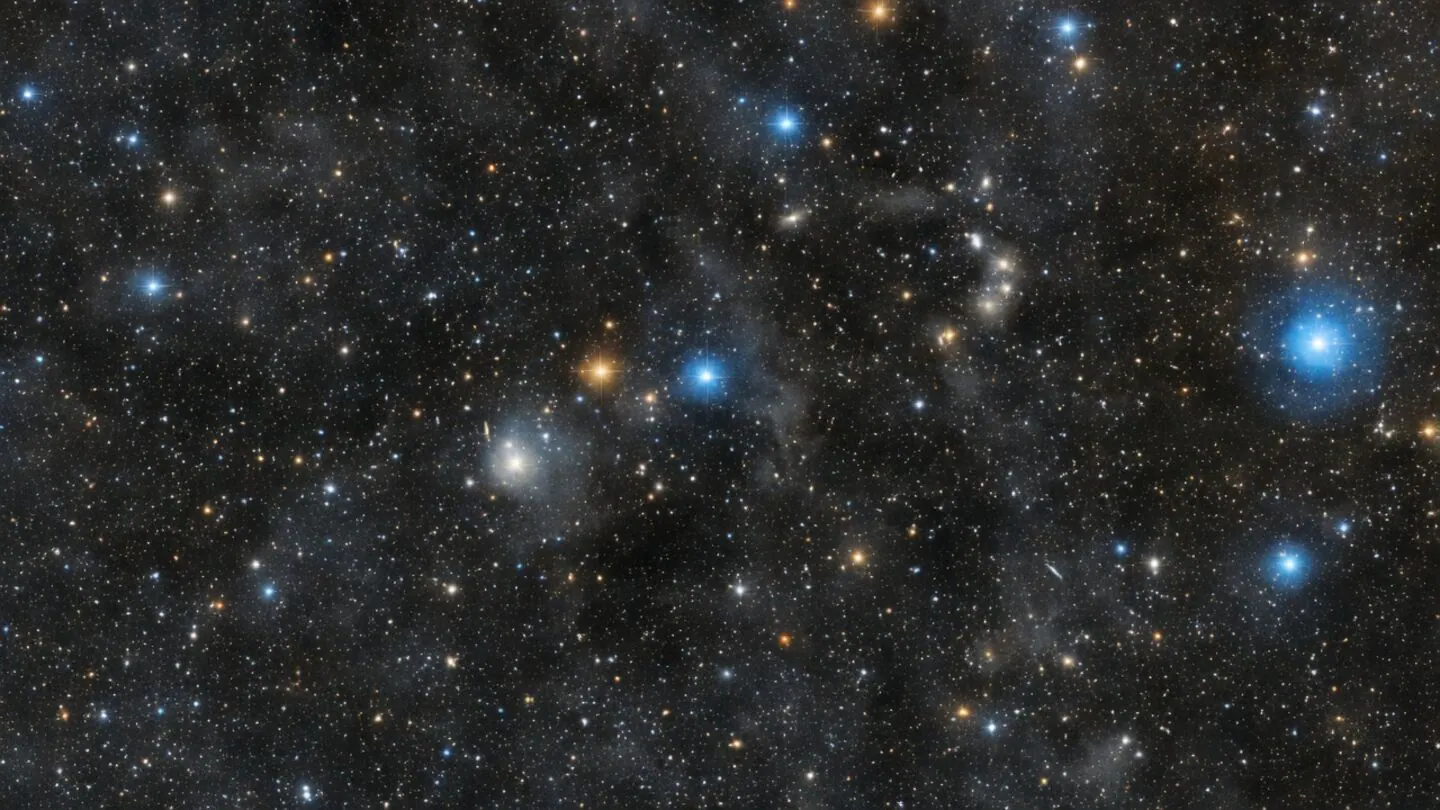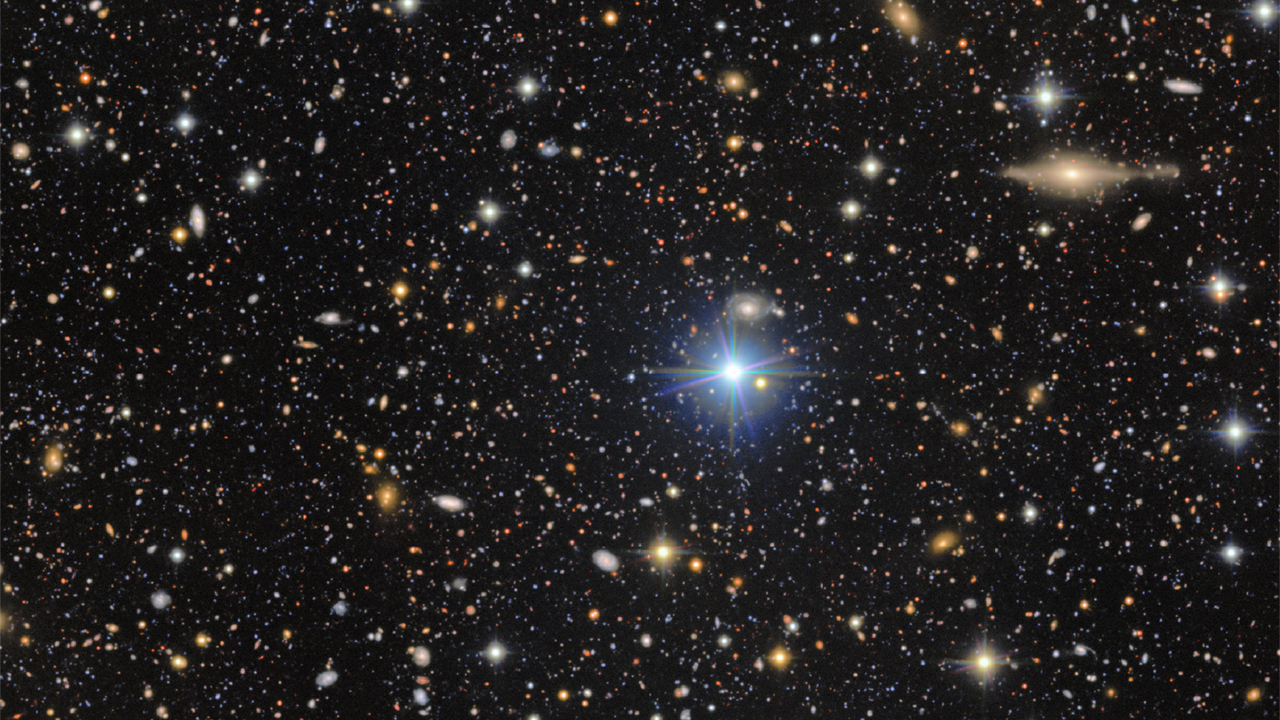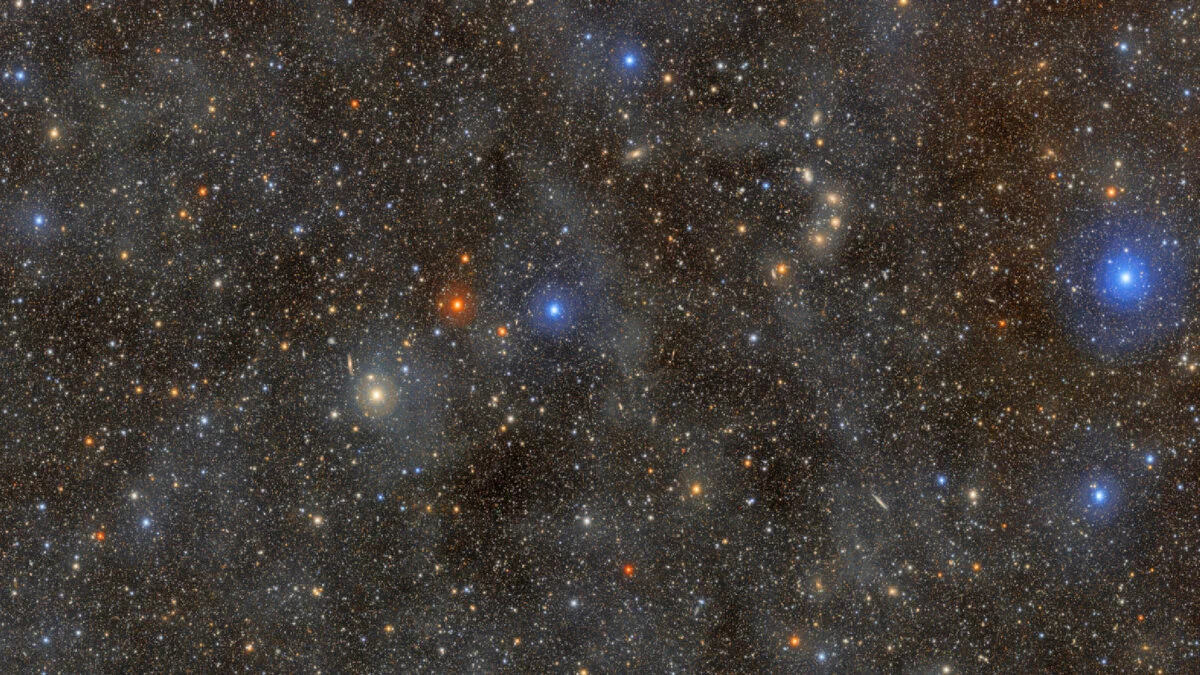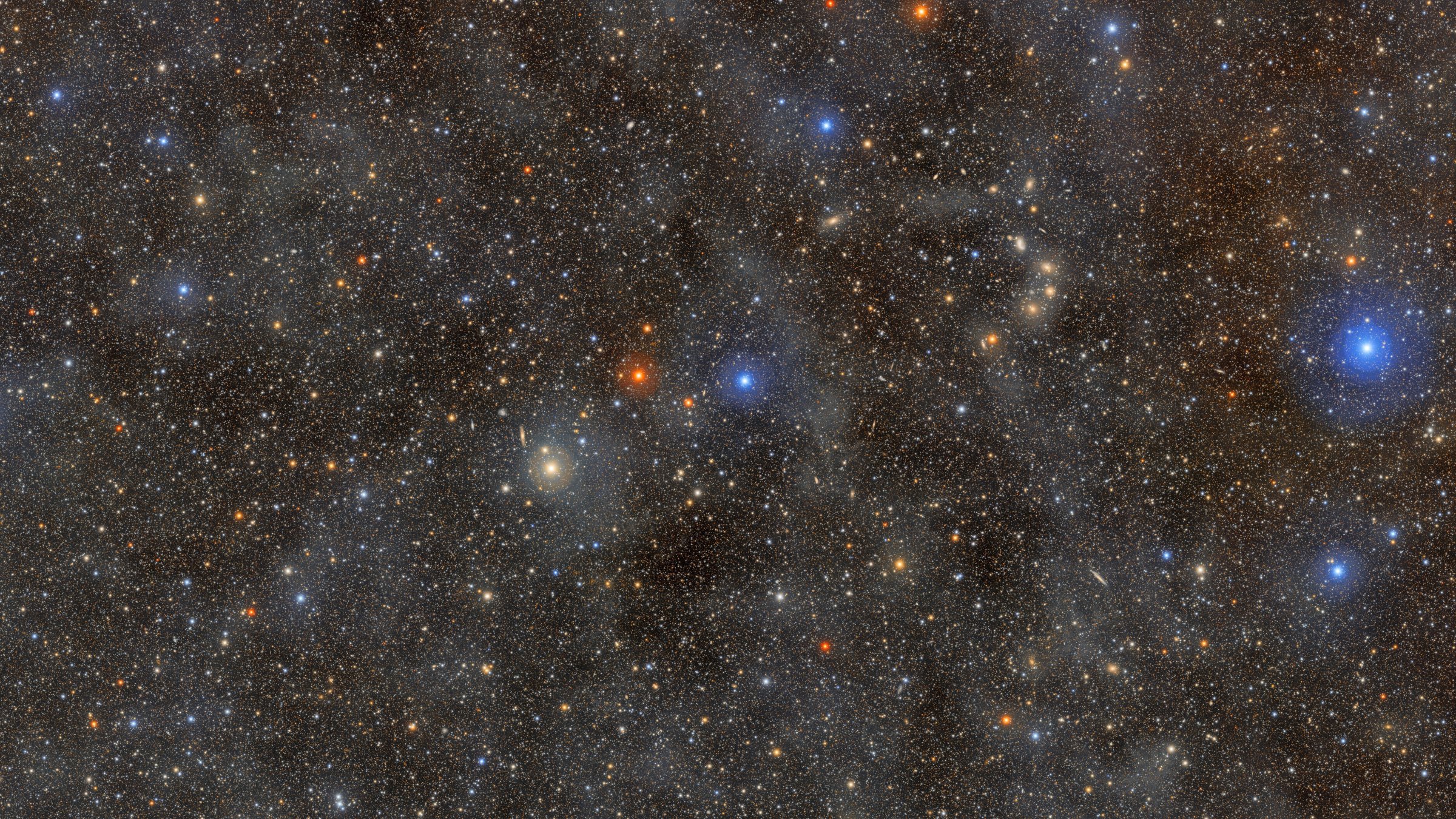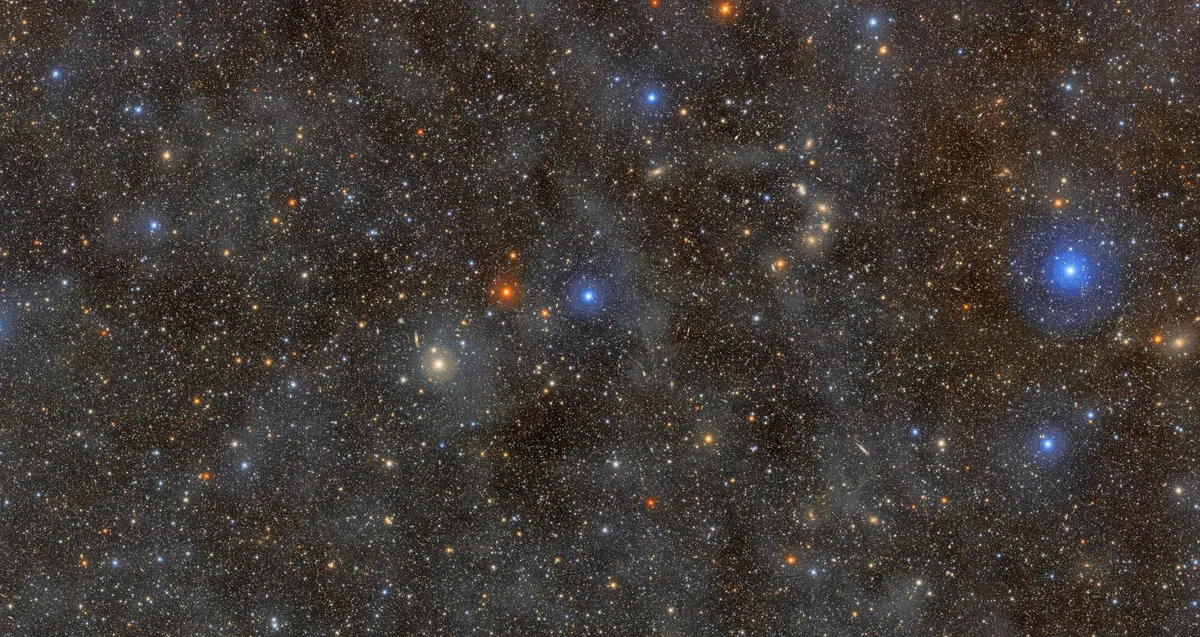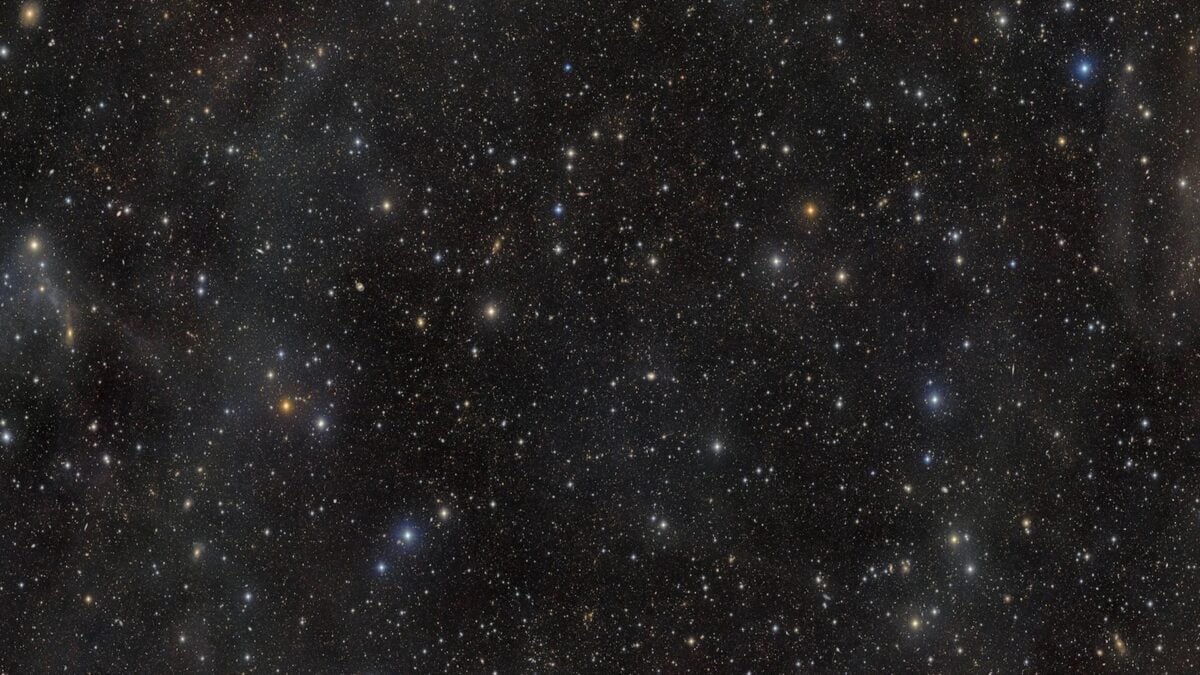
A new image from the Vera C. Rubin Observatory captures a well-documented patch of the universe in exceptional depth, revealing thousands of galaxies and stars that span across a wide range of distances and cosmic time. Using its 3.2-gigapixel camera, Rubin observed a region of the sky known as the COSMOS field to reveal more than 650,000 galaxies and over 50,000 stars packed in a single view. The new image provides a closer look at one of the most observed patches of the universe, adding a more detailed and dynamic view of this area. Familiar grounds The COSMOS field contains over 2 million galaxies that span across 75% of the age of the universe, with some as far as 12 billion light-years away. It serves as a prime spot for space telescopes to carry out sky surveys because it faces away from the crowded plane of the Milky Way galaxy, with only a few nearby stars and clouds of dust obscuring the view of the distant universe. Located in the constellation Sextans, COSMOS covers an area of the sky that’s around three times the size of the full Moon. By pointing telescopes toward this patch of the sky, astronomers can see a remarkably large number of distant galaxies, the light of which has traveled billions of years to reach Earth.
Rubin Gets a Closer Look at the COSMOS Field, Revealing More Than 650,000 Galaxies in One Image
The observatory recently began its 10-year survey of the southern sky using the world's largest digital camera.
589 words~3 min read