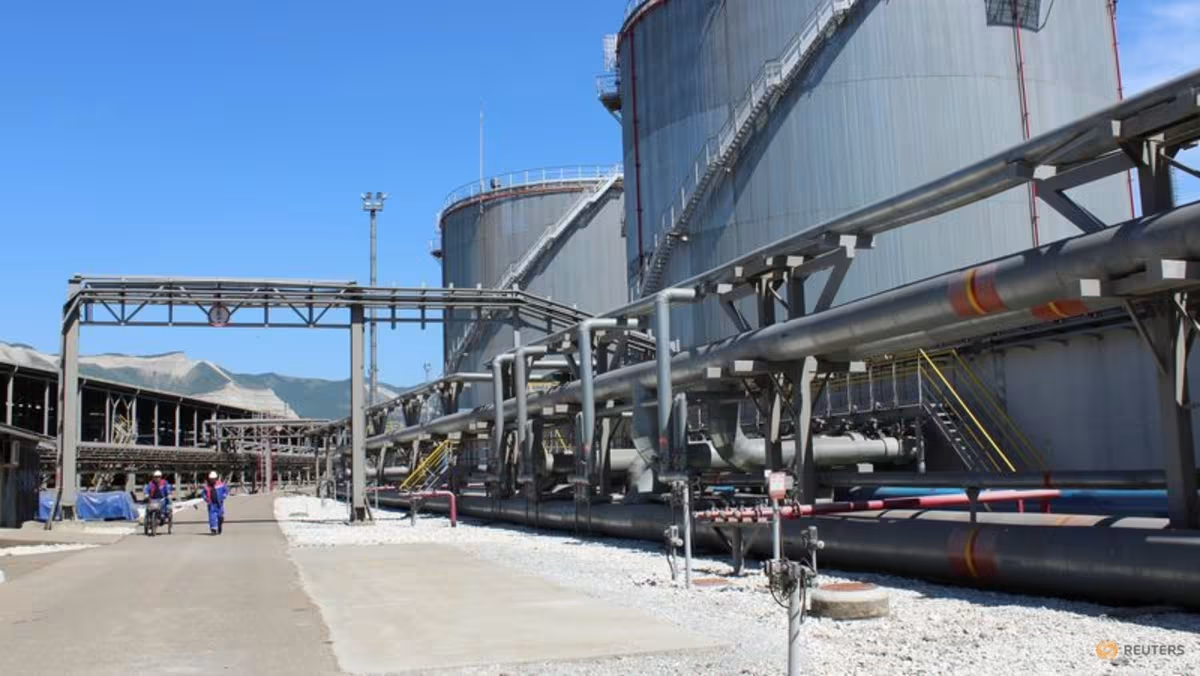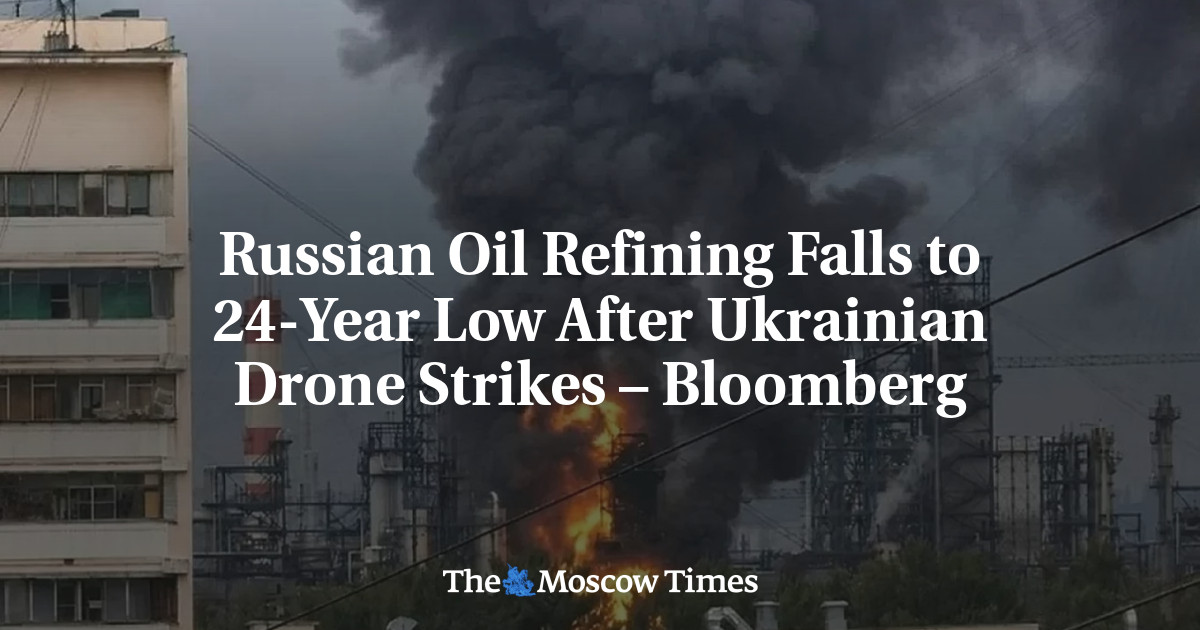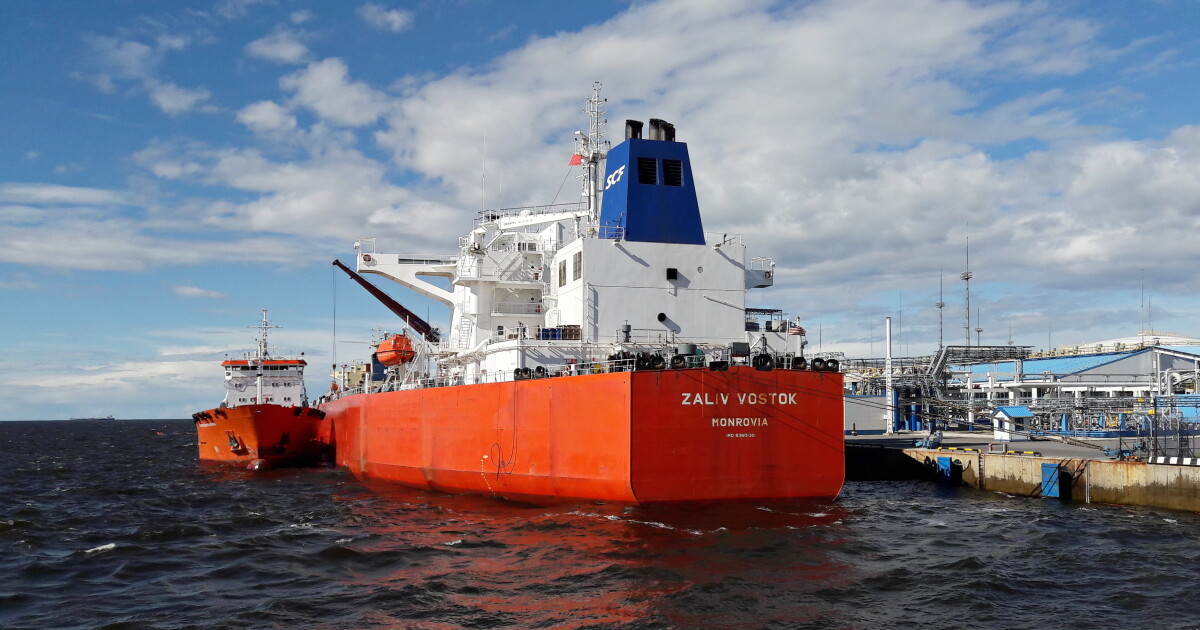
Moscow: Oil shipments from Russia's western ports are set to increase 4% in August from July as drone attacks on domestic refineries make more crude available for exports, while strong demand in Asia encourages sellers to load more, two traders said.Exports from the Baltic ports of Primorsk and Ust-Luga, along with the Black Sea port of Novorossiysk, are set to reach around 2.7 million barrels per day in August, according to the preliminary data collected by traders.Also Read: Indian refiners come to the rescue of Russia’s oil exportersUkraine's attacks on Russia's refineries have meant that less oil can be processed and has to be exported.Loadings from the ports are set to be near capacity, though ongoing strikes and a lack of tonnage available for such shipments may cap the export volumes, the traders said. Russia's oil exports from western ports declined in July to 2.6 million bpd as repeated Ukrainian attacks in the Black Sea disrupted loadings at Novorossiysk.Also Read: India closely monitoring US bill targeting buyers of Russian oil, says MEAHigh demand for Russian oil in Asia amid ongoing unrest in the Middle East, which has disrupted supplies via the Strait of Hormuz, is keeping prices for Russia's flagship Urals crude firm.Urals crude differentials for delivery to India in late August and September have firmed to minus $2 to $3 per barrel to Brent at delivery, Reuters reported.Chinese refiners have also turned back to Russian oil due to Middle East supply disruptions. Two major Chinese refiners snapped up most of Russian ESPO Blend for September-loading cargoes at narrower discounts.
Russia's western oil exports to rise 4% in August on refinery disruptions
Russian oil shipments from western ports are set to increase by four percent in August. This rise is driven by domestic refinery attacks and strong Asian demand for crude. Exports from Baltic and Black Sea ports are projected to reach 2.7 million barrels daily. Ukraine's attacks on refineries have redirected more crude oil for export. Asian refiners are increasing purchases of Russian oil due to Middle East supply disruptions.
260 words~1 min read