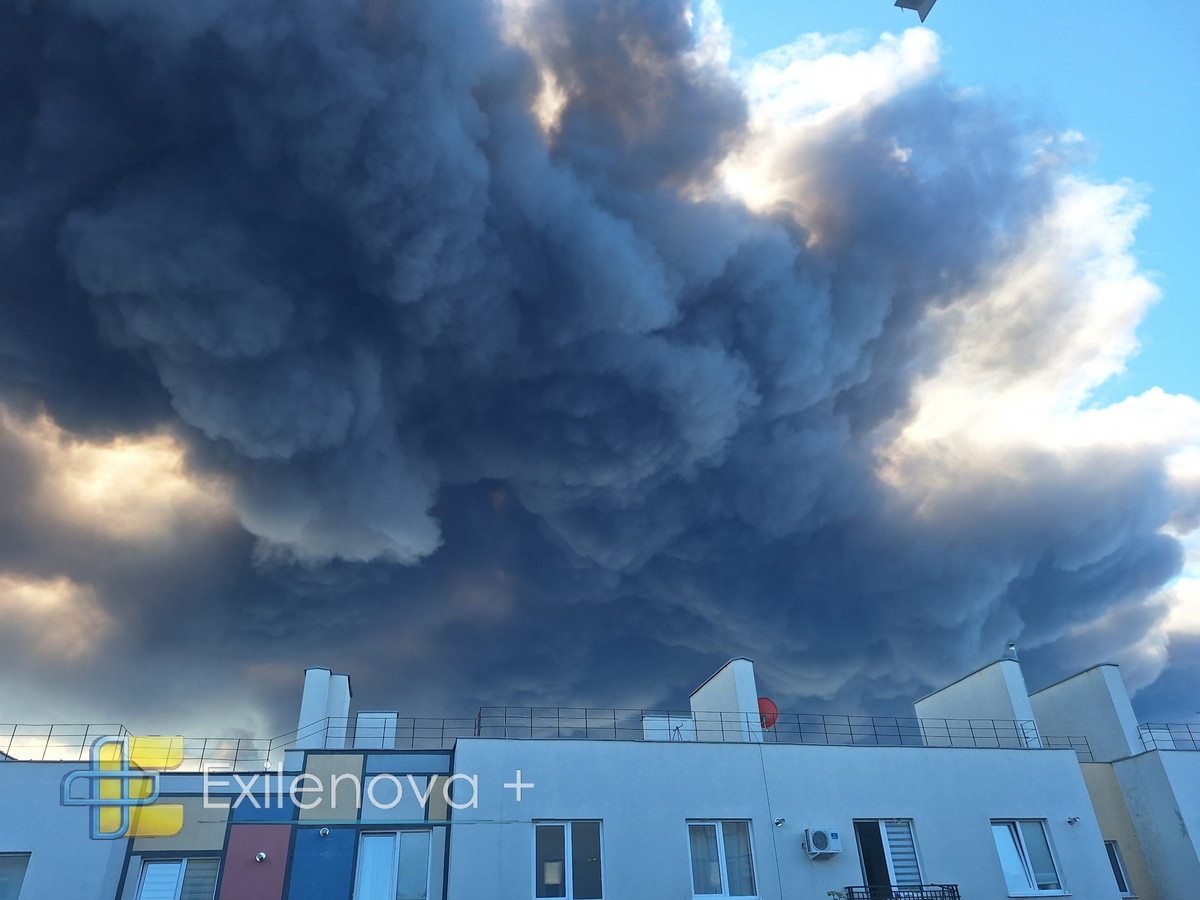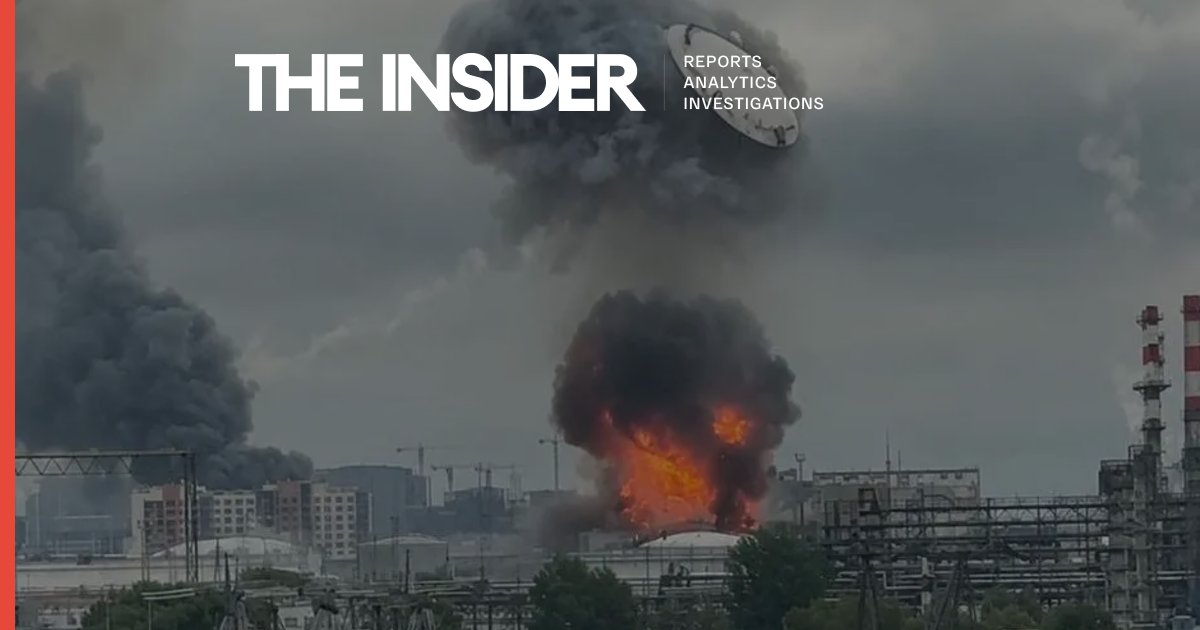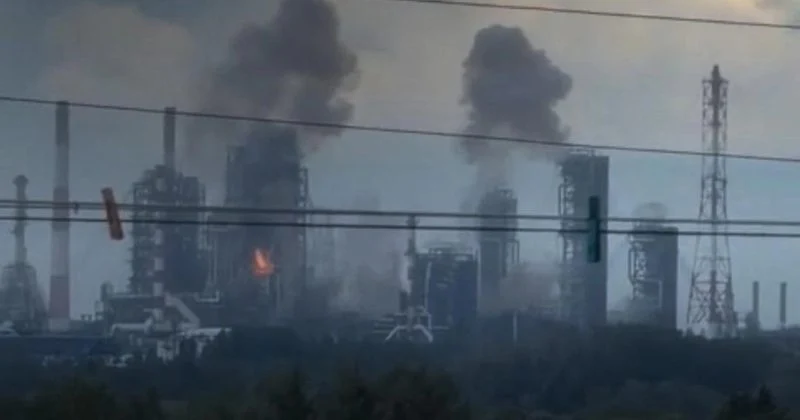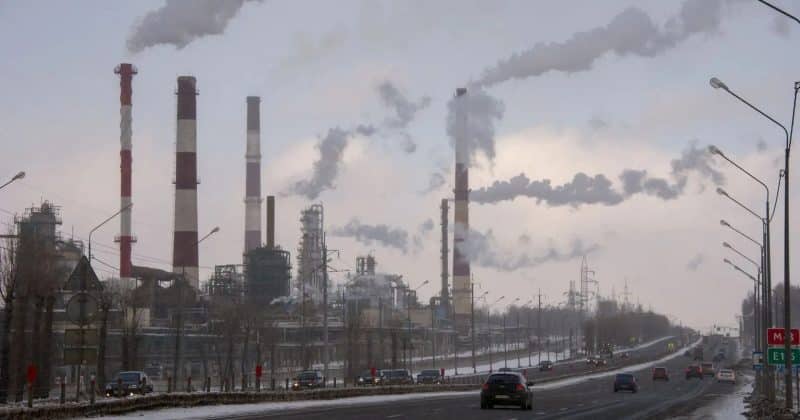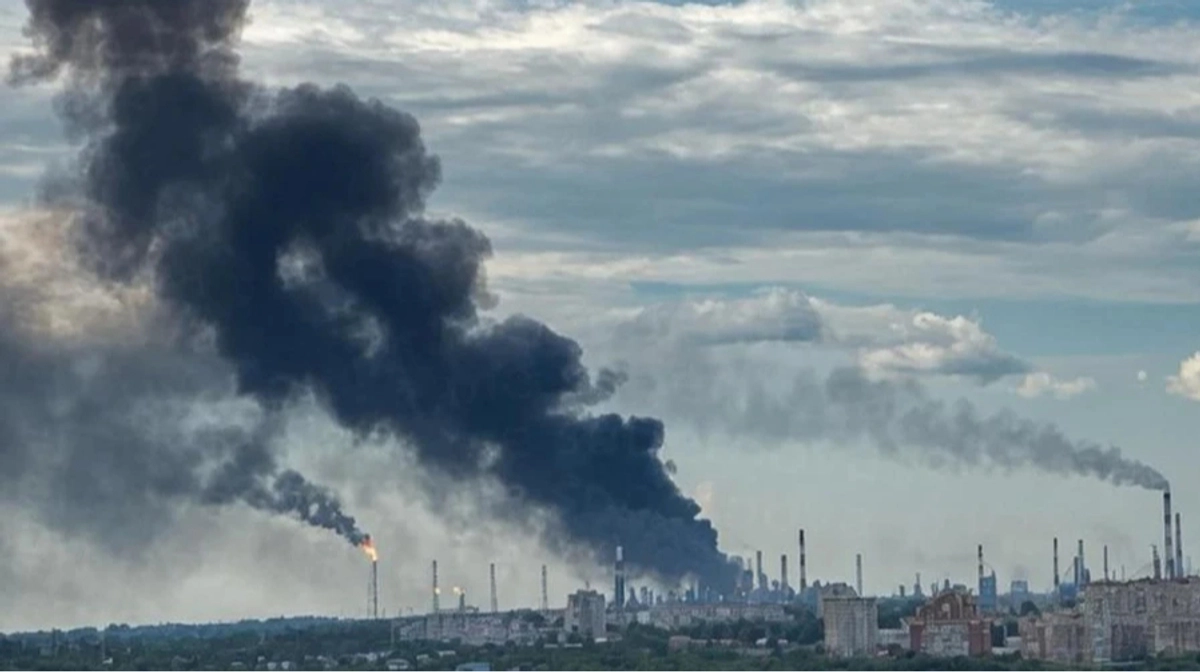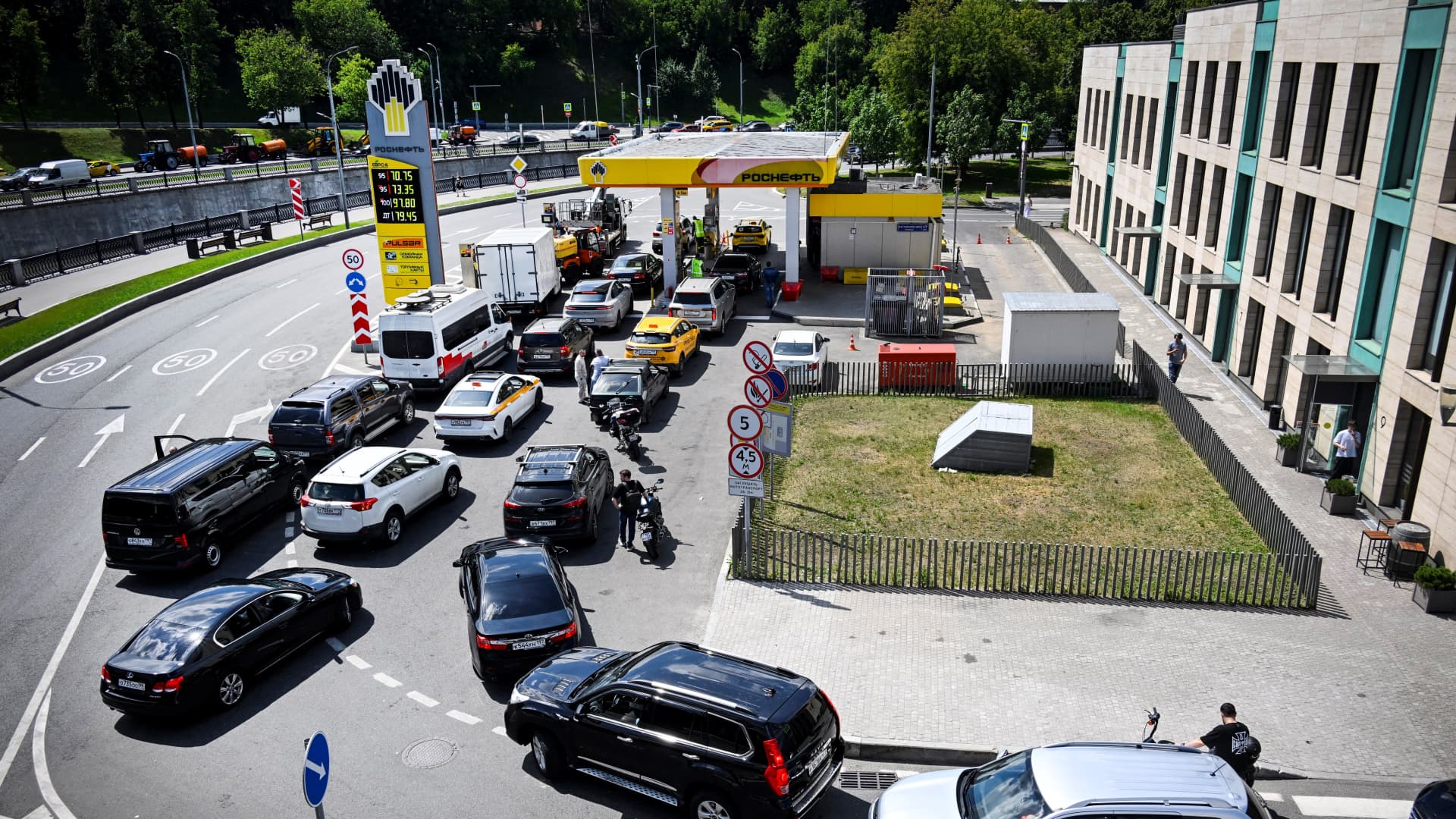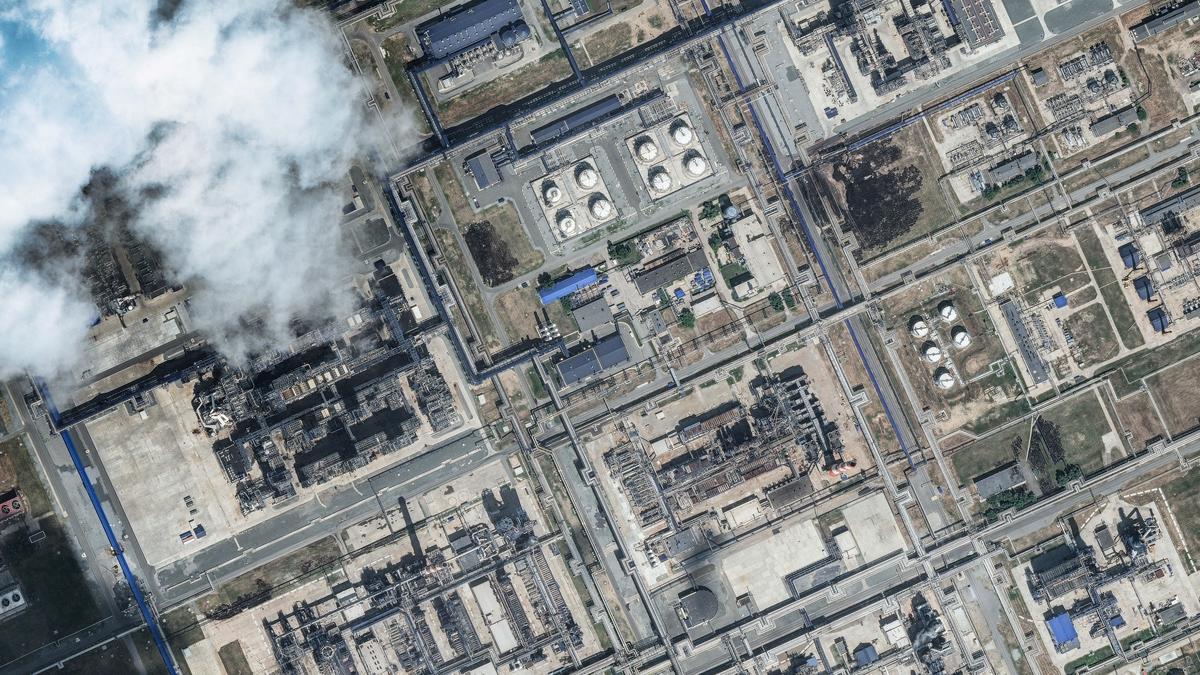
Russia’s oil infrastructure had a rough July. Ukrainian long-range drones targeted refineries, fuel depots, and maritime assets across Russian territory in a sustained campaign that left some facilities offline, others on fire, and domestic gasoline supplies running well short of what a peak summer demand period requires.
What the strikes actually hit
The Saratov Oil Refinery stopped operating entirely after a strike on July 7. Two days later, Ukrainian drones hit the Ilsky refinery in Krasnodar Krai, triggering fires and explosions at the site.
Those were the headliners, but the campaign ran much deeper. Lukoil facilities in Perm and Omsk were also targeted, and late July brought strikes on infrastructure in Ryazan, Tyumen, and multiple fuel depots across Moscow Oblast.
The cumulative effect was measurable. Russian gasoline production dropped to roughly 65% of seasonal demand by early July, leaving a shortfall of 25 to 35 percentage points against what peak summer consumption typically requires.