EDITOR’S NOTE: A version of this feature ran in the Big Style newsletter — a weekly portal into a world where clothing meets culture. Sign up here.
New York has a bad habit of inflicting trend culture upon the masses — especially when it comes to food. You can almost immediately identify a year based on the cult confection of its time. Magnolia Bakery cupcakes (created in 1996, but shot to fame in 2000 after being featured on an episode of “Sex and the City”), cronuts (2013), Levain’s gargantuan chocolate chip cookies (1995) and, more recently, dot cakes (just why?). While all of these goodies are still around, their public-derived hype cycles have since fizzled out. You don’t have to be a pastry chef, however, to comprehend that dessert shouldn’t be used as an edible marketing concept.
Whether you’re a keen home baker, a devout cake connoisseur, or simply just aiming to reject what dessert slop the algorithm throws your way, sweet treats should deliver more than a mere quick hit. Maybe Marcel Proust was indeed onto something!
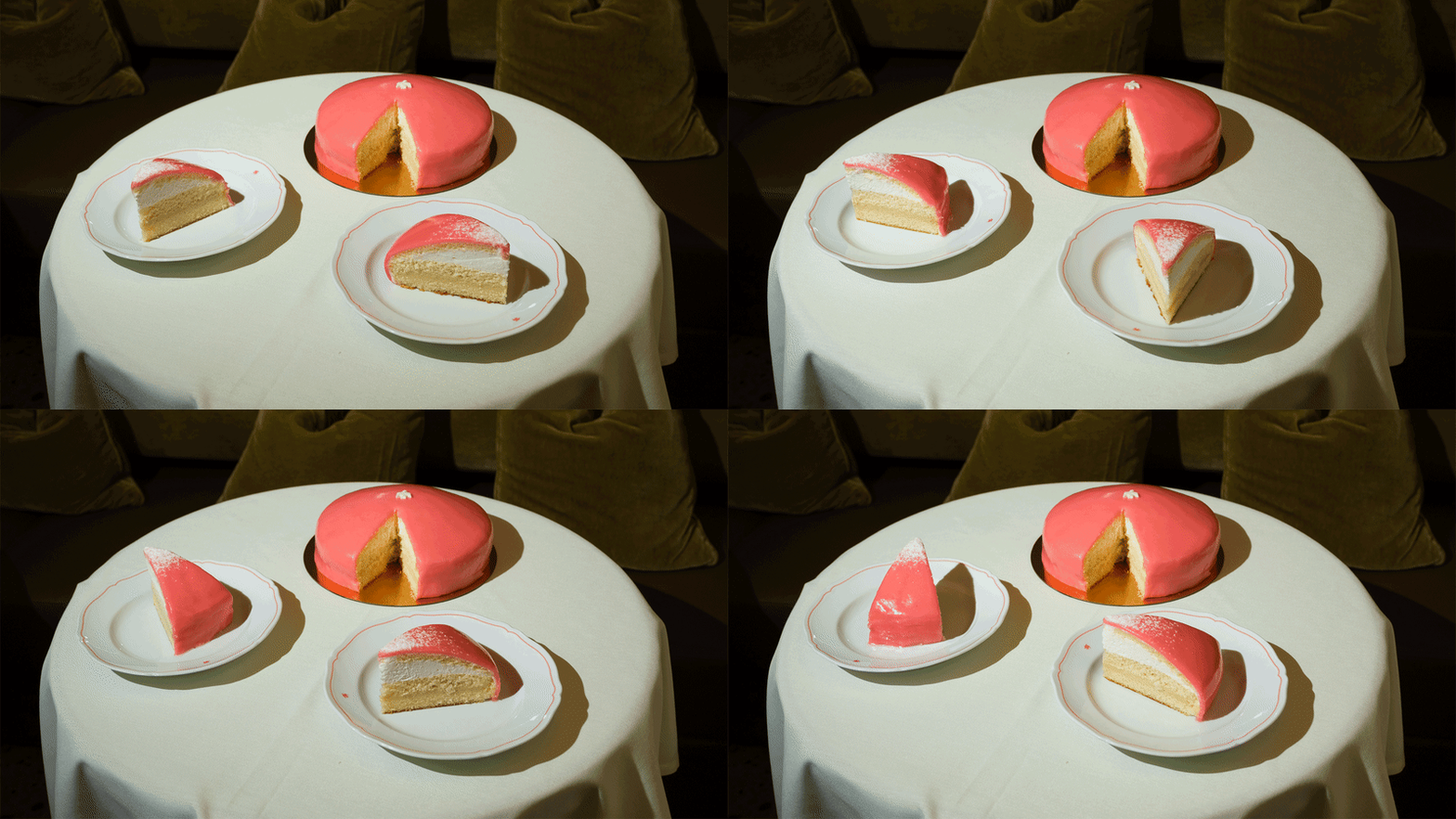
The best examples of this seep with tradition, skill and look too good to eat. To many, no other dessert exemplifies indulgence, legacy, craft — and maybe even a friendly dose of snobbery — quite like Sant Ambroeus’ principessa cake. Whether you’re dining in or merely passing by any of the Milanese cafe’s 10 locations, you’ve likely seen her: fabulously fluffy sponge cut with butter-yellow, lemon-scented cream, then a towering cloud of whip all encased in a dainty pink marzipan topcoat. And miraculously, all those intricately crafted layers result in a perfect bite that isn’t too sweet. She’s an old-school Hollywood diva personified in confectionary form.