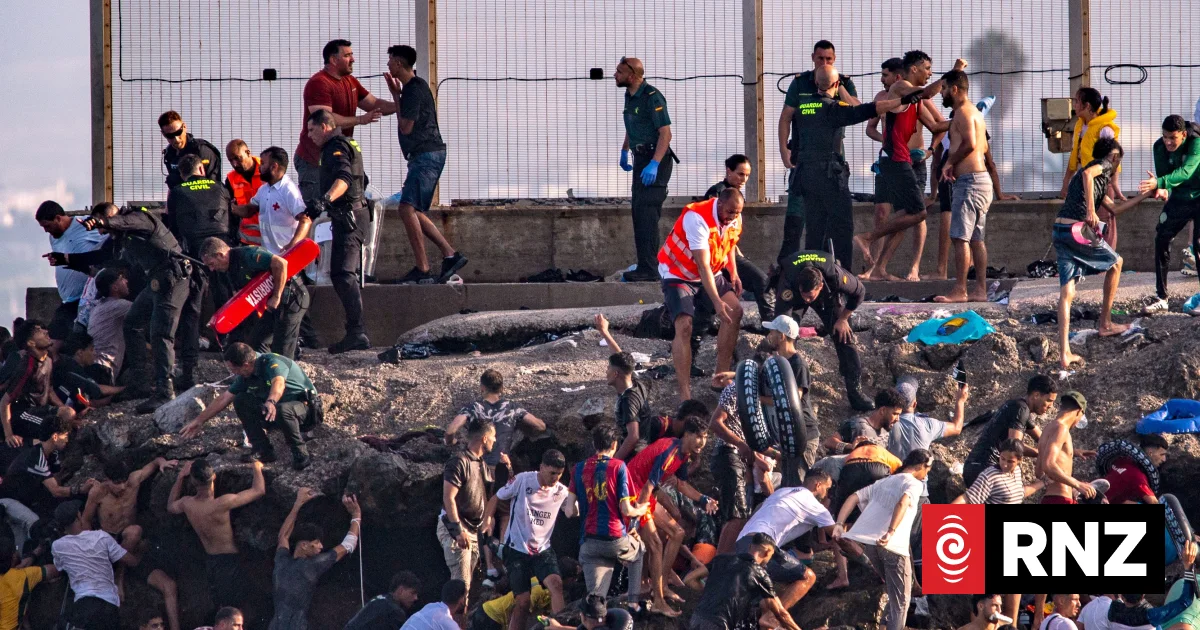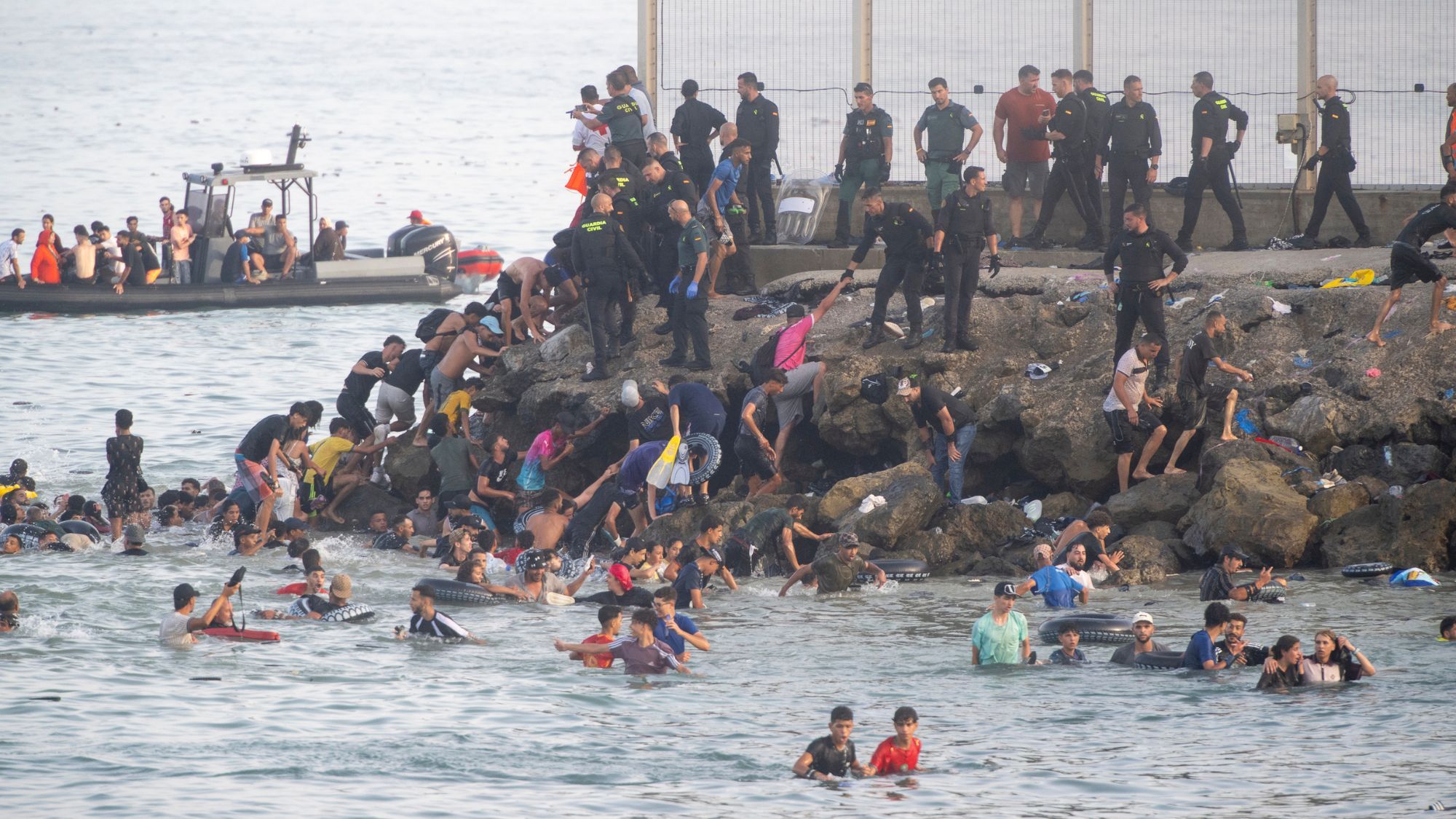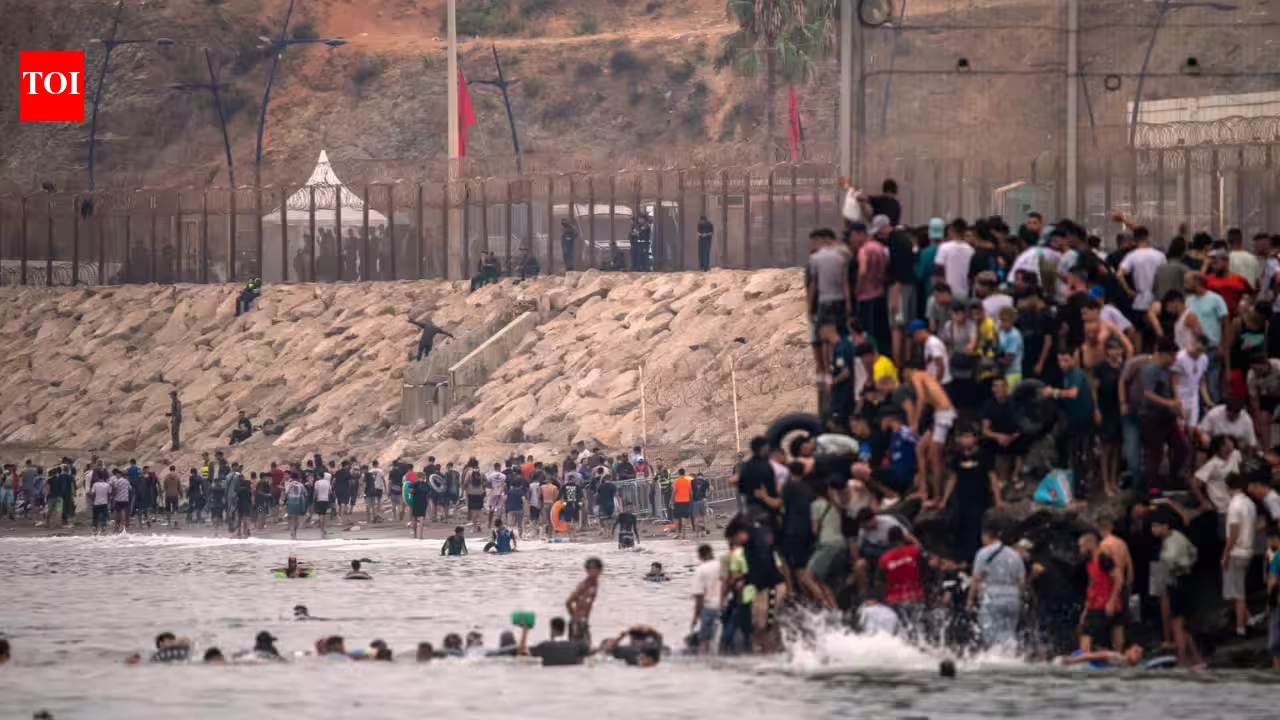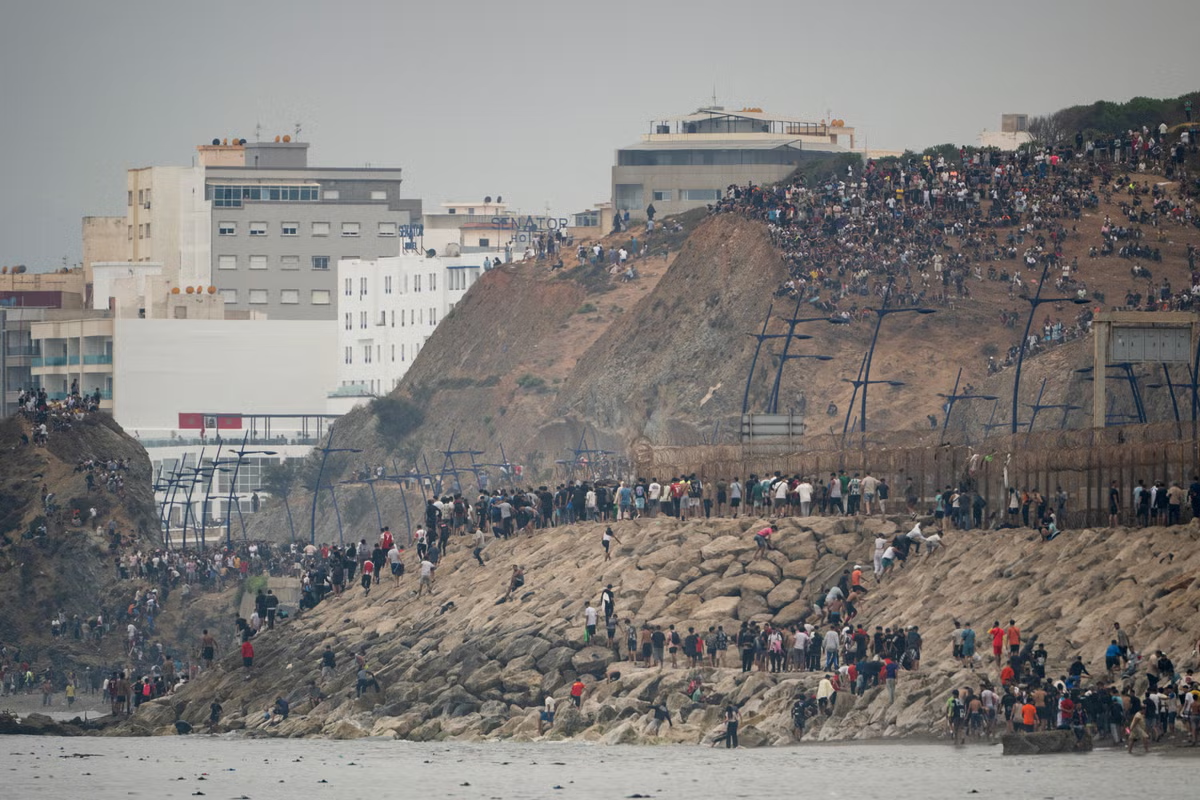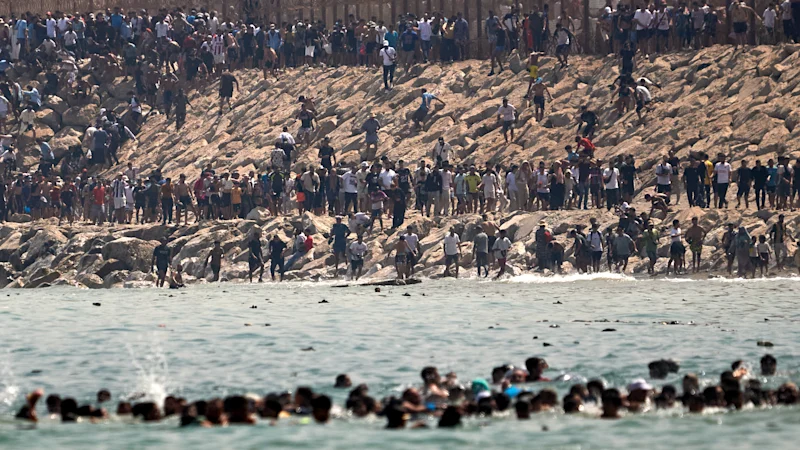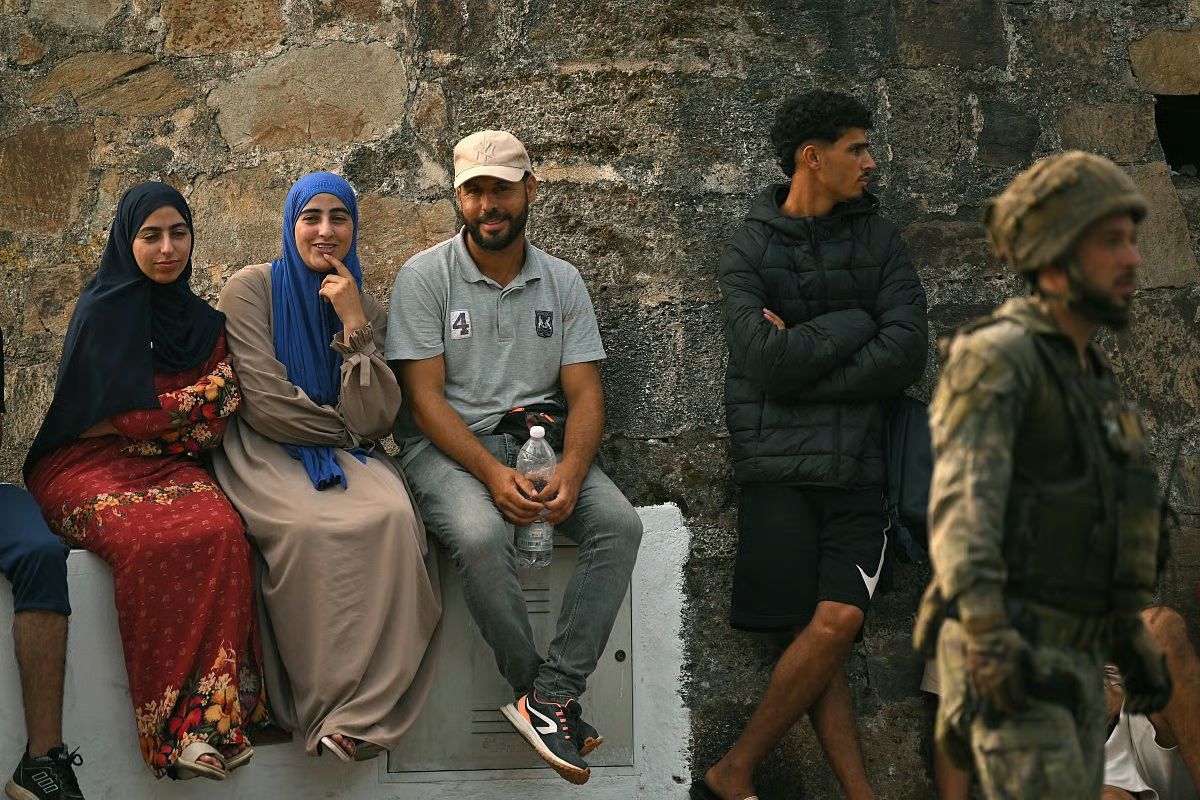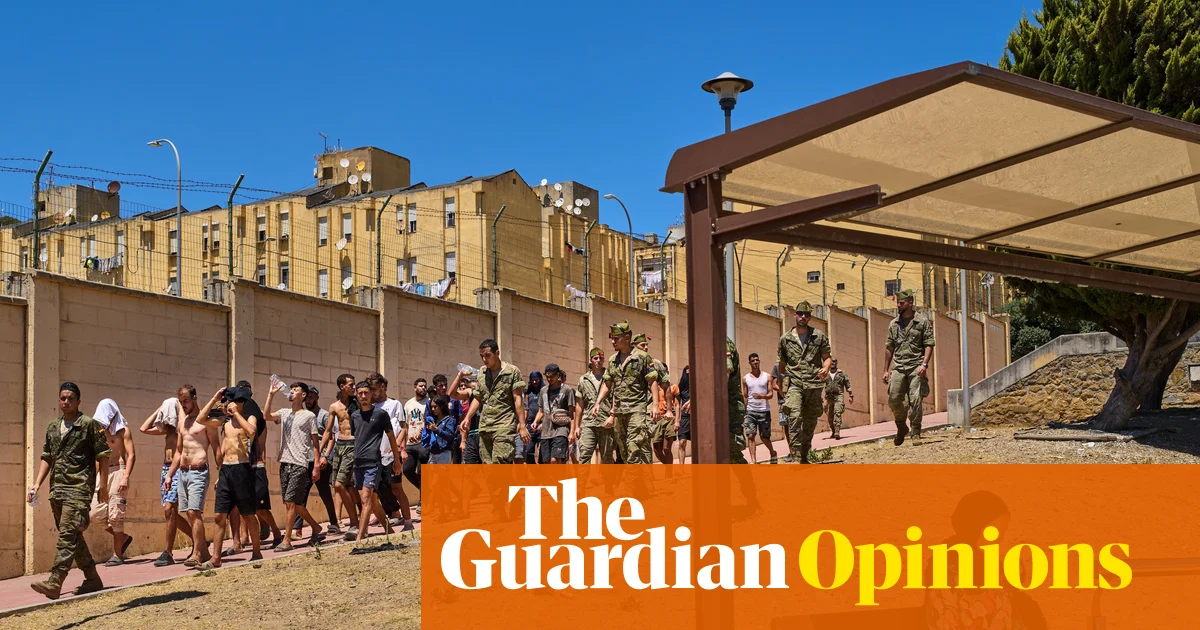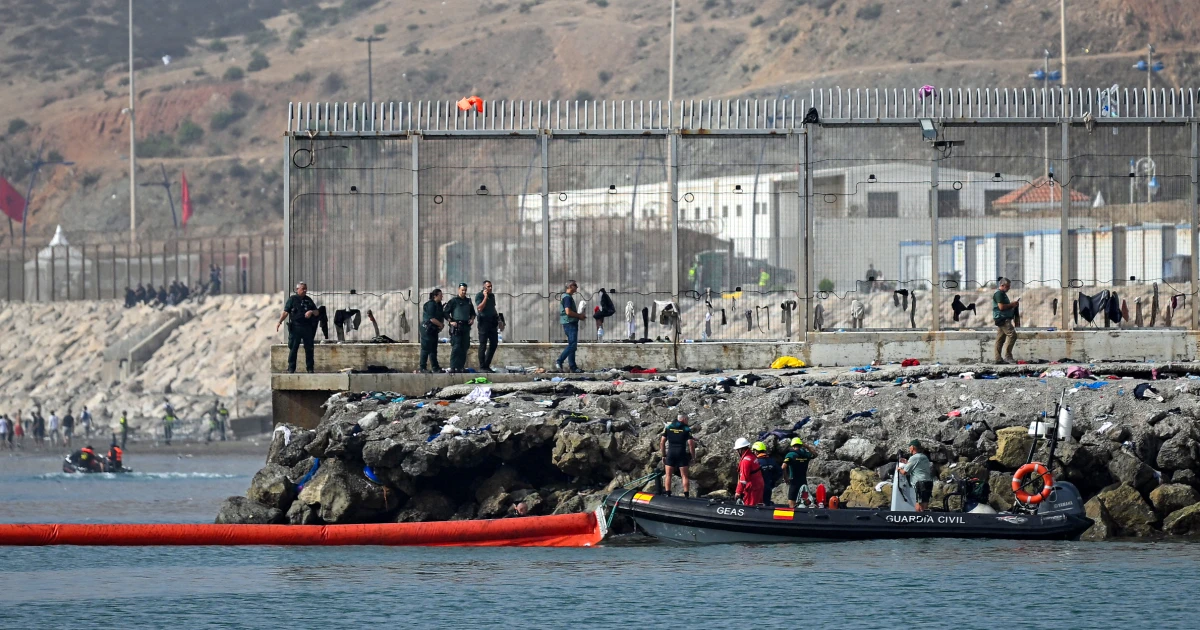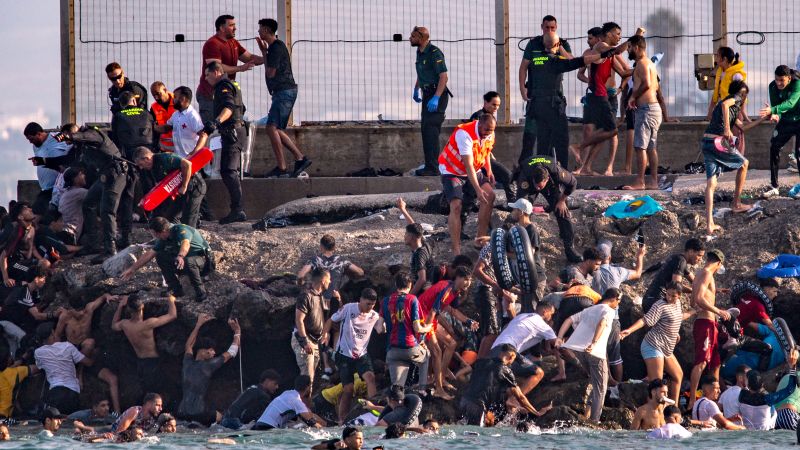
The human tragedy was undeniable: around 60,000 desperate people surging across a breakwater barrier from Morocco into the Spanish enclave of Ceuta last Thursday, some drowning and others trampling their fellow migrants underfoot, leaving at least 72 dead.
But while the dramatic incident passed almost as quickly as it had begun, with most of the migrants despondently trudging back across the border, the incident leaves behind a bigger, political crisis that points to future troubles and divisions for the European Union.
The migrants were never going to be able to reach the mainland EU, but that fact was irrelevant to hard-right, anti-migrant politicians around the world who portrayed the incident in apocalyptic terms. And that, in turn, is shaping the response of more mainstream governments, which for the last decade have been fending off those challenges and trying to appeal to voters tempted by populist alternatives.
No matter that the causes of this incident remain unclear, nor that illegal border crossings into the EU have decreased by 37% in the first half of 2026 compared to the same period last year, according to the bloc’s border agency.
The politics of migration are so contentious across much of the continent that several European governments quickly criticized Madrid, and the migration policies of Spain’s Prime Minister Pedro Sánchez.