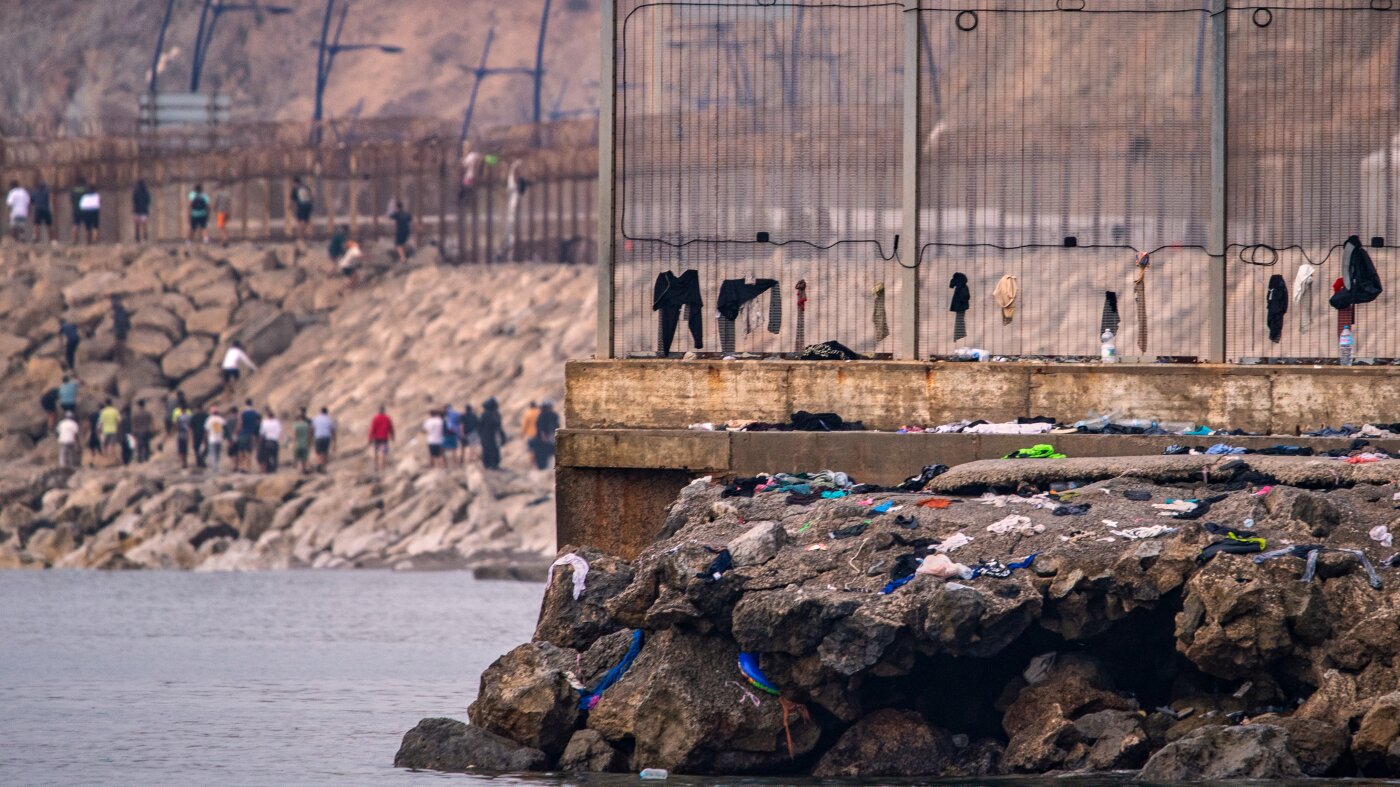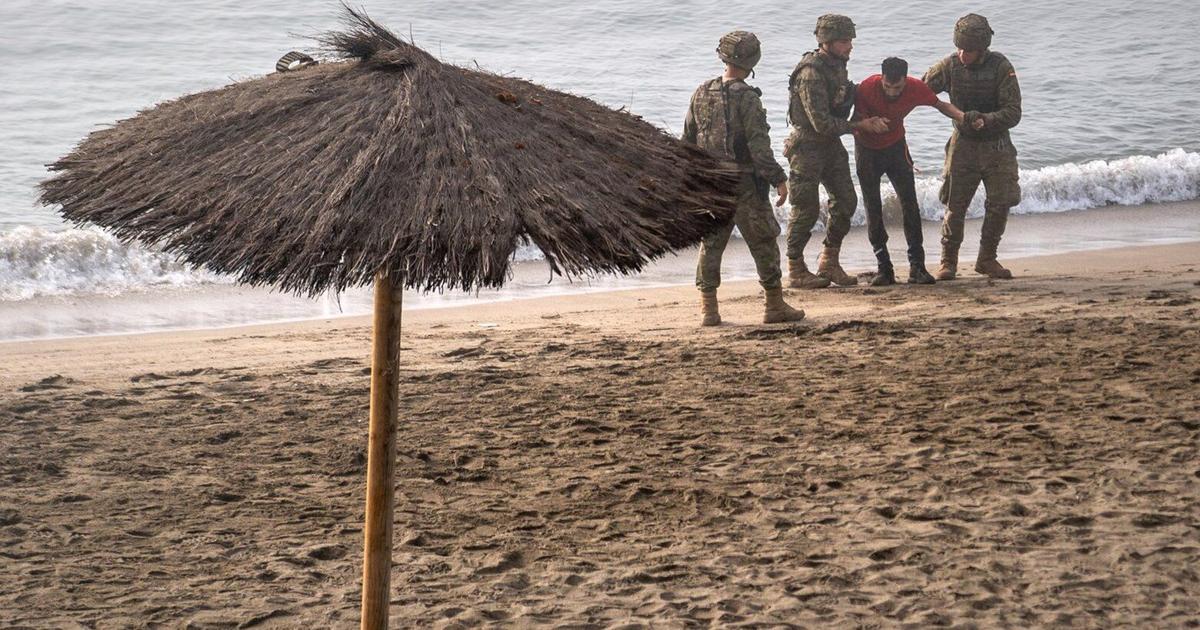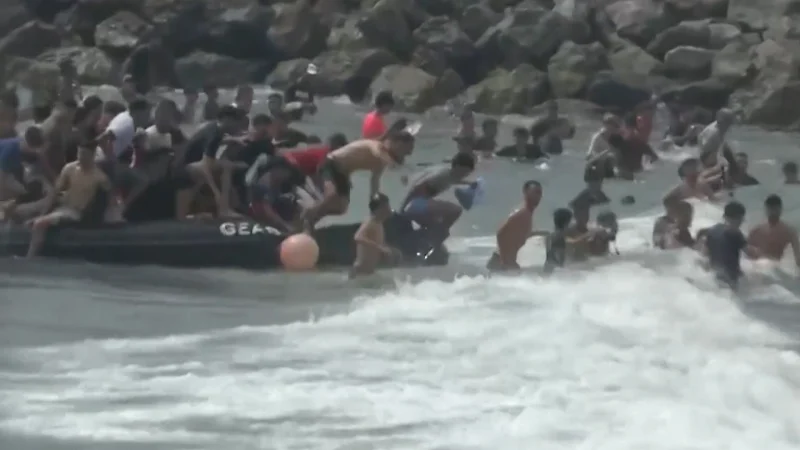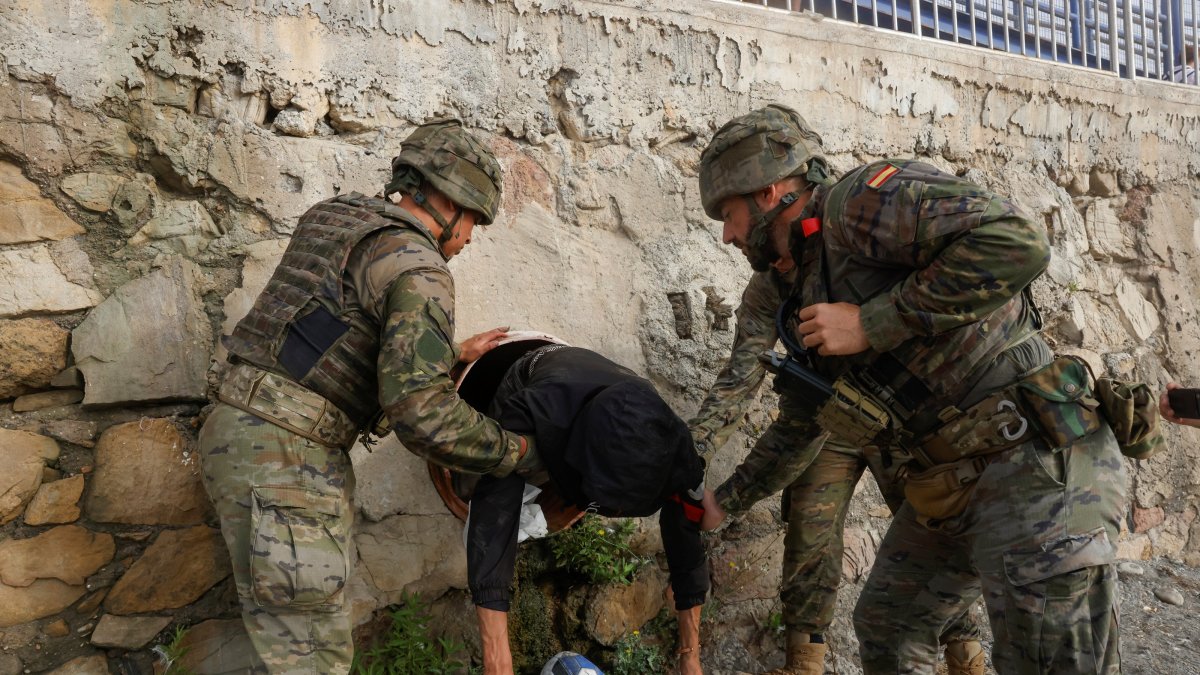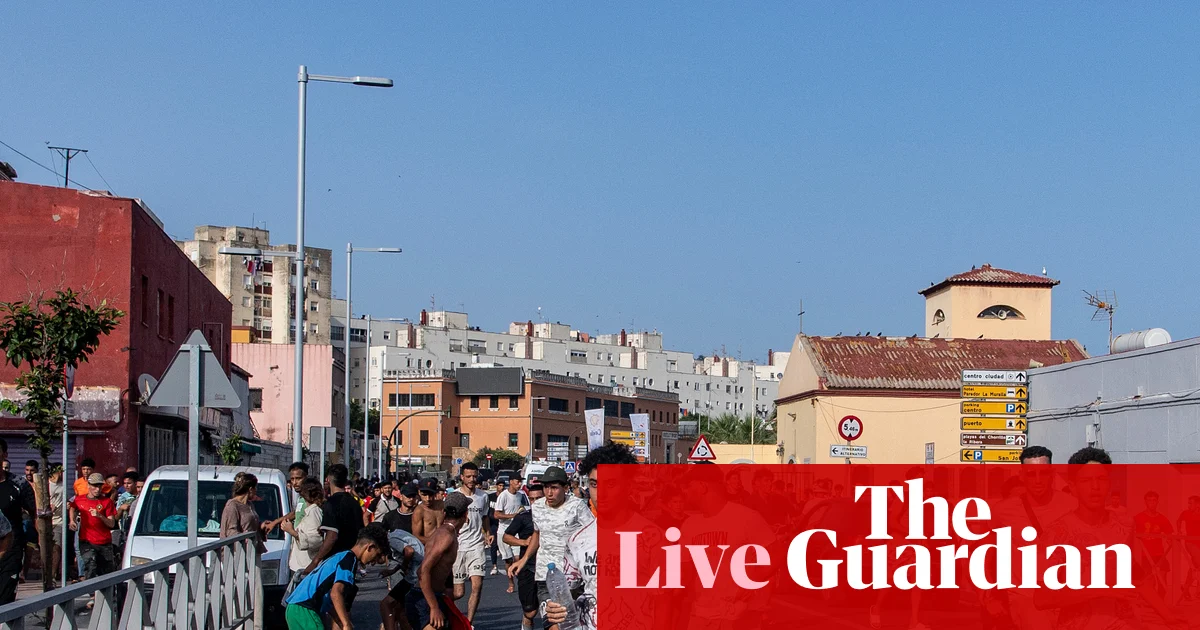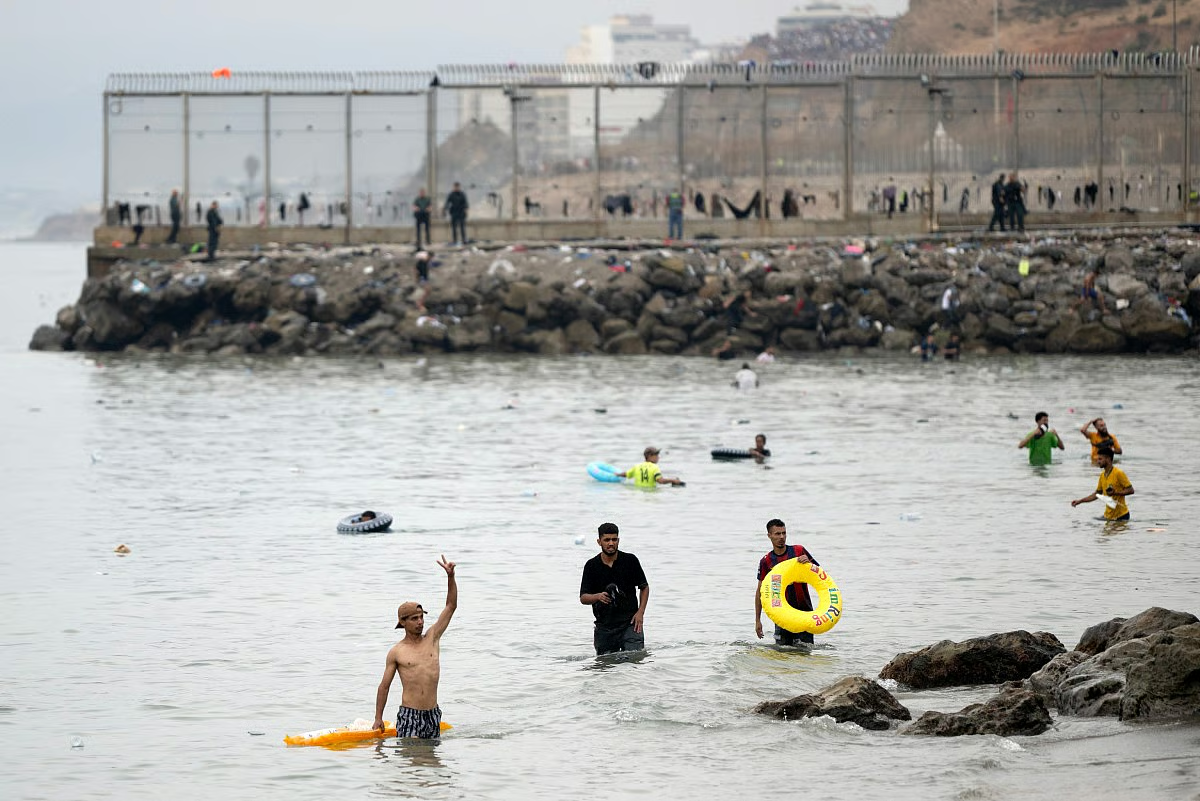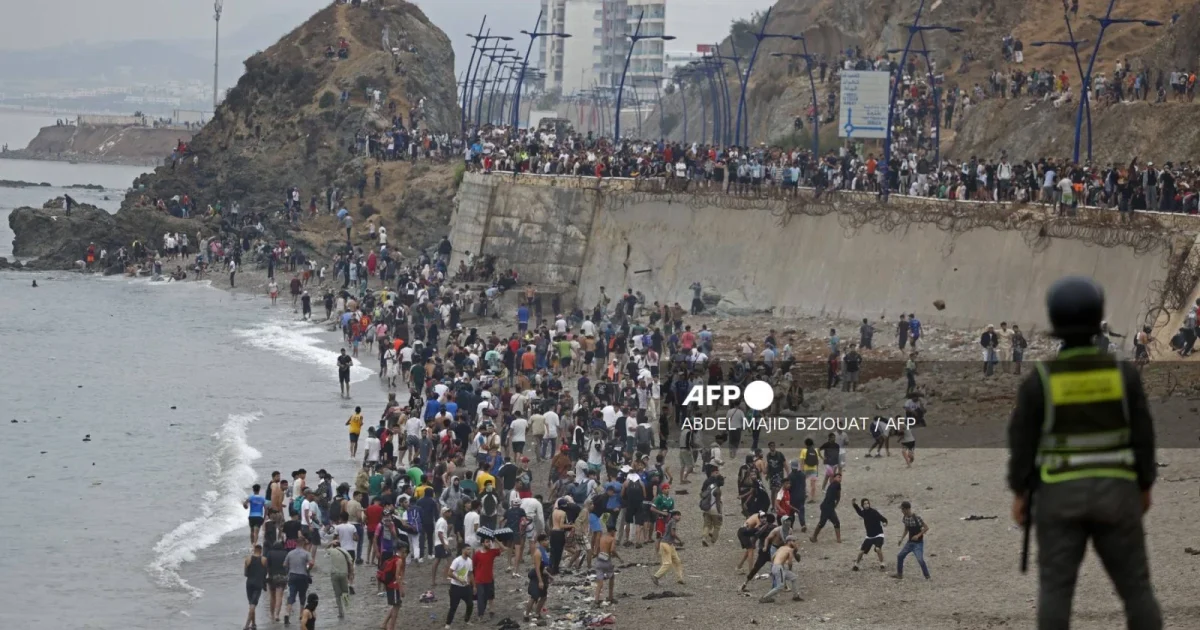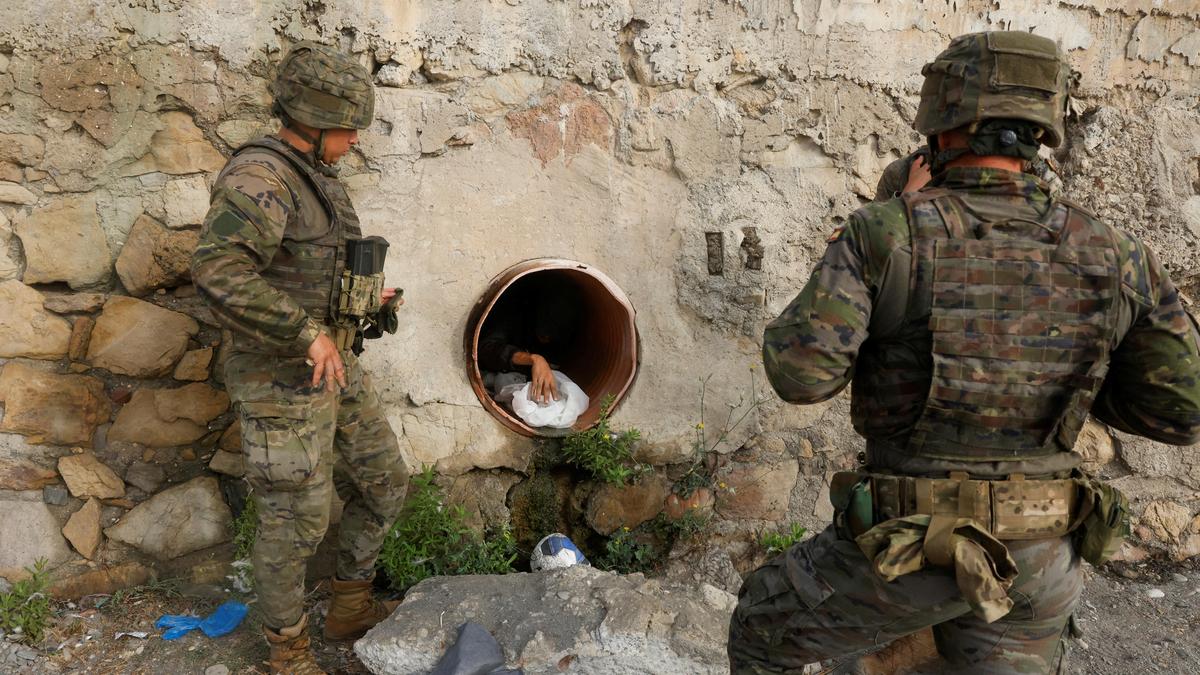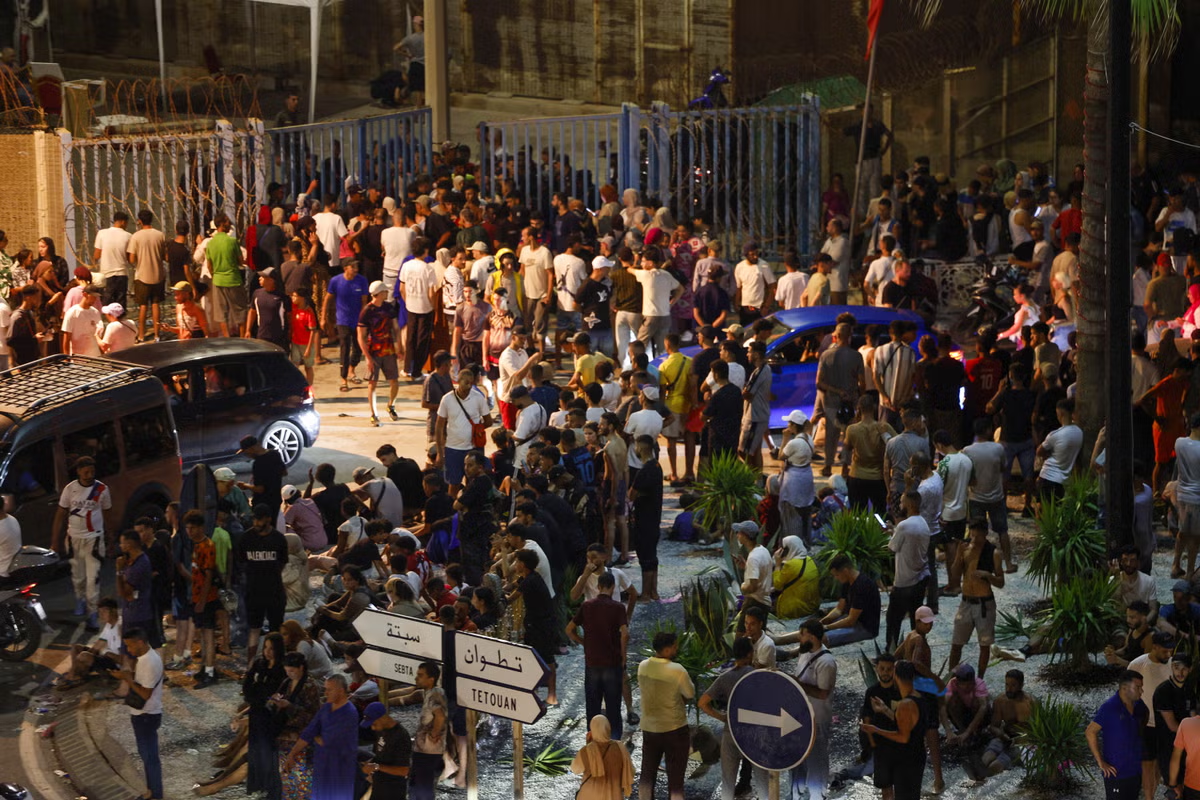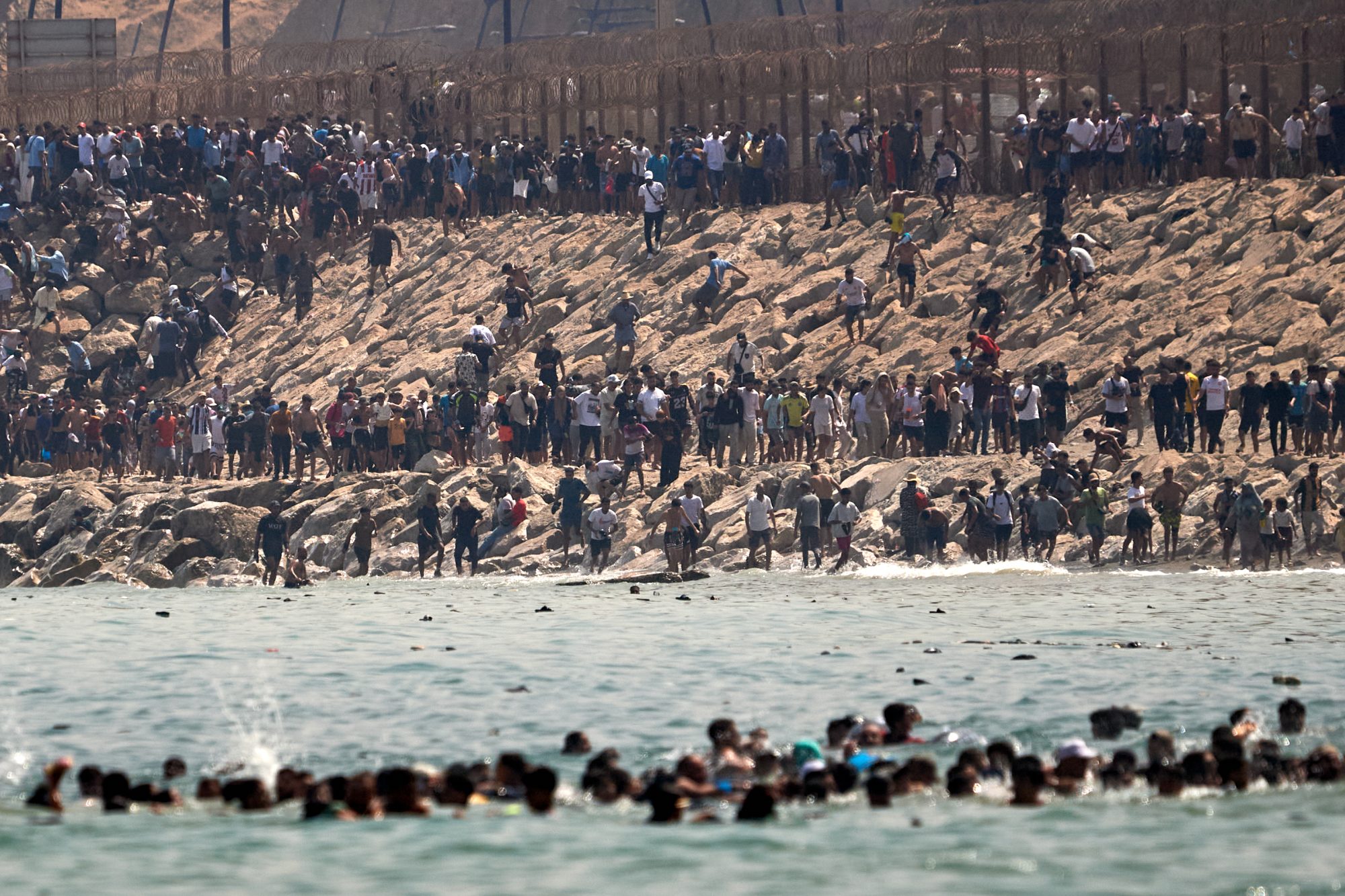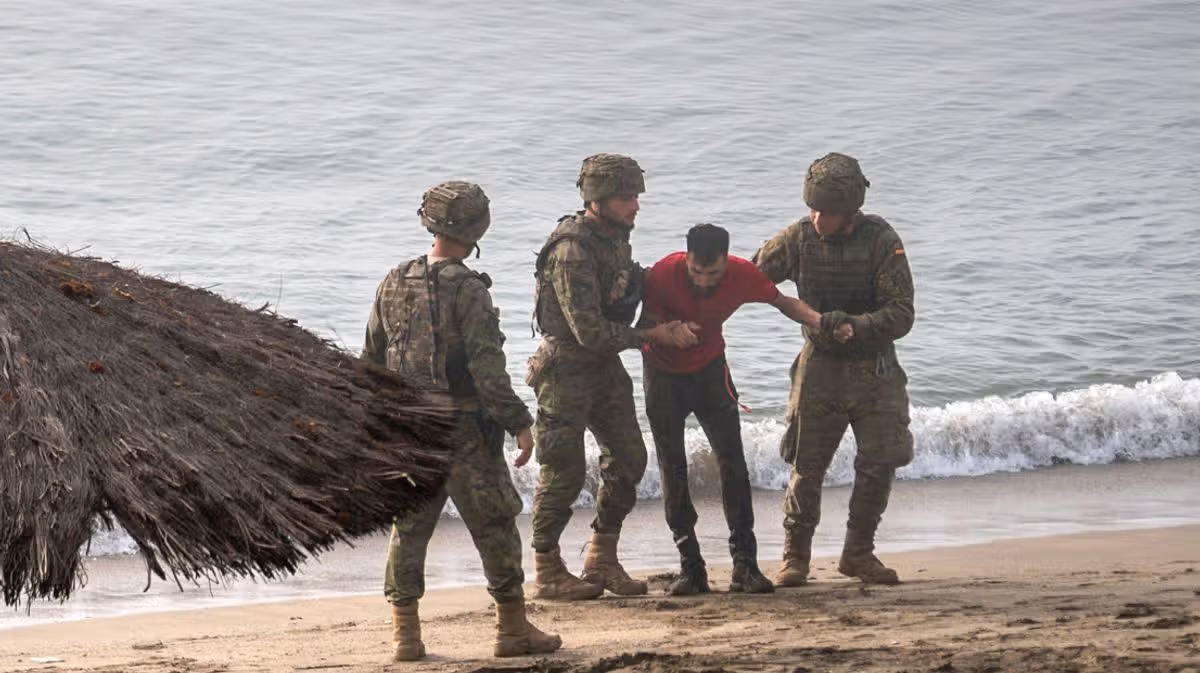
Up to 60,000 migrants entered the Spanish territory this week, with dozens dying including some who drowned or were killed in a stampede to cross a breakwater barrier13:23, 01 Aug 2026Updated 13:34, 01 Aug 2026The death toll in Spain’s border crisis with Morocco has risen to 67 with after tens of thousands of migrants entered the tiny enclave of Ceuta in north Africa.In the unfolding chaos, some people drowned or were killed in a deadly stampede. Spain announced it was installing a 500-metre containment barrier on the sea border between its territory and neighbouring Morocco. It comes after up to 60,000 migrants breached the border earlier this week.Last month, Spain’s Supreme court ruled migrants arriving by sea to Ceuta could not be summarily deported. A handful of exhausted migrants who swam to Ceuta's urban Tarajal beach on Saturday morning were met by soldiers who escorted them back across the border.Spain's interior ministry says the majority of those who entered the territory have already returned to Morocco, claiming that 53,000 of the 60,000 who crossed have now gone back. In Ceuta on Saturday, Spanish Interior Minister Fernando Grande-Marlaska said: "We are relentless against those who break the law.”Questioned how this massive border breach could have happened given the heavy security on both sides of the border and whether Morocco posed a threat to Ceuta, Marlaska defended the government in Rabat. He said: "The events require an evaluation by Spain and Morocco."But it was the cooperation with its neighbours that allowed Spain "to revert the situation in 24 hours”. Marlaska said: "Morocco is not a threat to Ceuta, or to the rest of Spain. It is a reliable partner."After days of chaos and streets packed with people who had hoped for a better life in Spain, residents of Ceuta woke up Saturday to an uneasy calm. Even so, security in the autonomous city of 84,000 remained bruised. Ceuta's President Juan Jesus Vivas said: "Life in this city has been disrupted as a result of the border incident.” He added: "The return of people has begun satisfactorily but the process must be completed," he said.In the Moroccan city of Tangier, about 46 miles west of Ceuta, the main railway station was busy with people returning from Ceuta or the border. Some slept on the ground, exhausted, as passers-by watched from a distance. Aspiring migrant Abdalah said: "I tried to cross, but I failed. I stayed near the border with Ceuta for two days, but I couldn't find anything to eat.”On the road leading to the Moroccan town of Fnideq, which borders Ceuta, many migrants were seen walking toward the fence, some barefoot, apparently hoping to try their luck. Taxi drivers and bus operators were refusing to take them, fearing retaliation from authorities. Police officers were deployed along the road, stopping and checking every vehicle heading toward Fnideq.Article continues belowBut some who made it to Ceuta were determined to stay, among them 23-year-old Moroccan Mohamed Hatri. He explained: "They've closed everything down so that we can't buy anything to eat, to force us to return to our country.” He added: "But even if they close it down - we're round to stay here, whether we're hungry or not."
Death toll in Spain’s Ceuta border crisis rises as thousands return to Morocco
Up to 60,000 migrants entered the Spanish territory this week, with dozens dying including some who drowned or were killed in a stampede to cross a breakwater barrier
534 words~2 min read