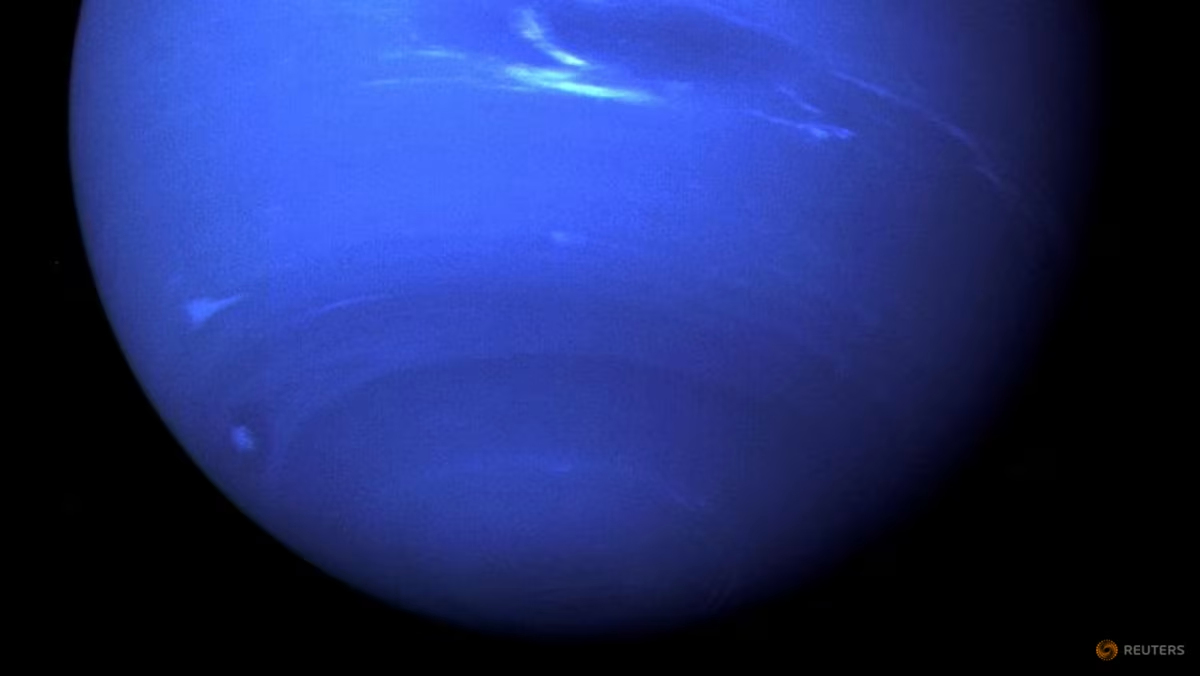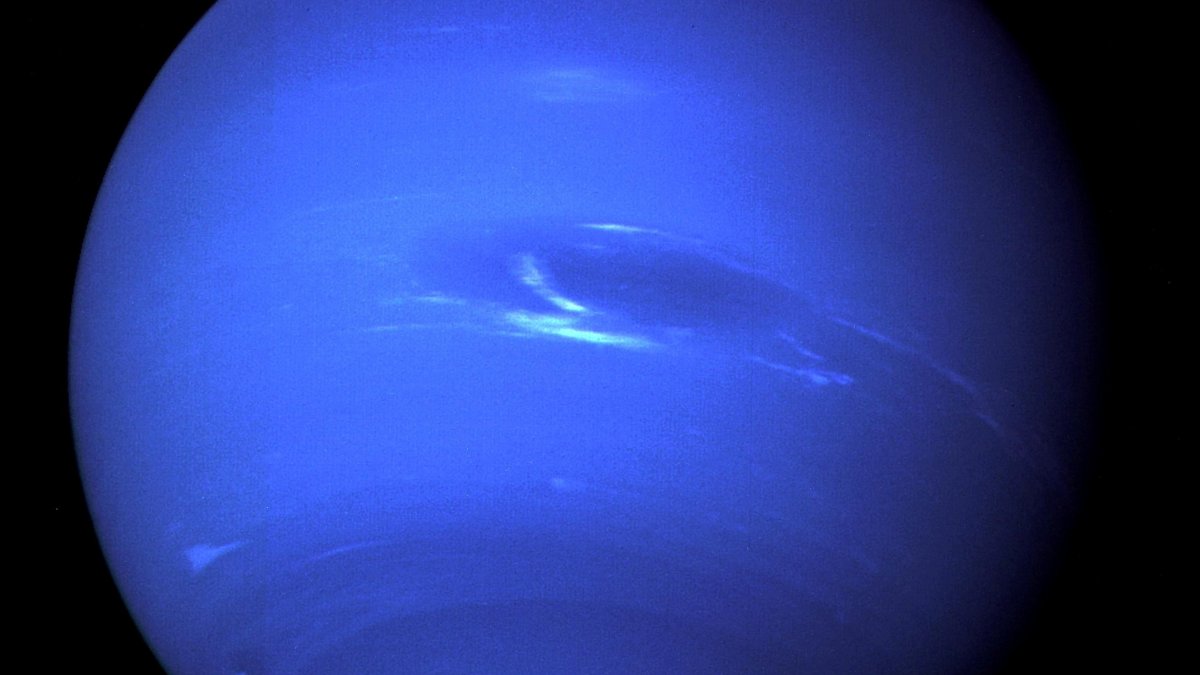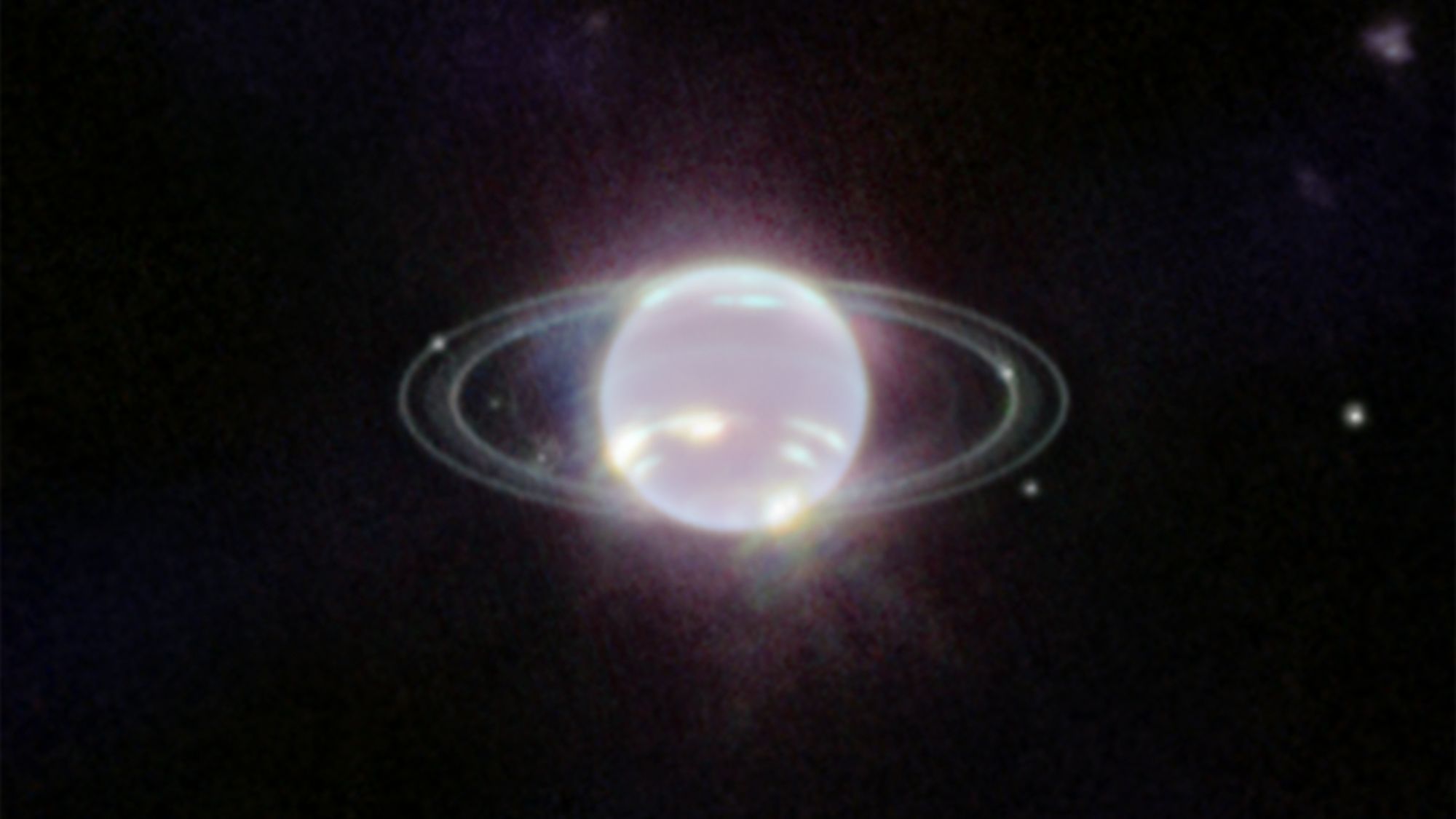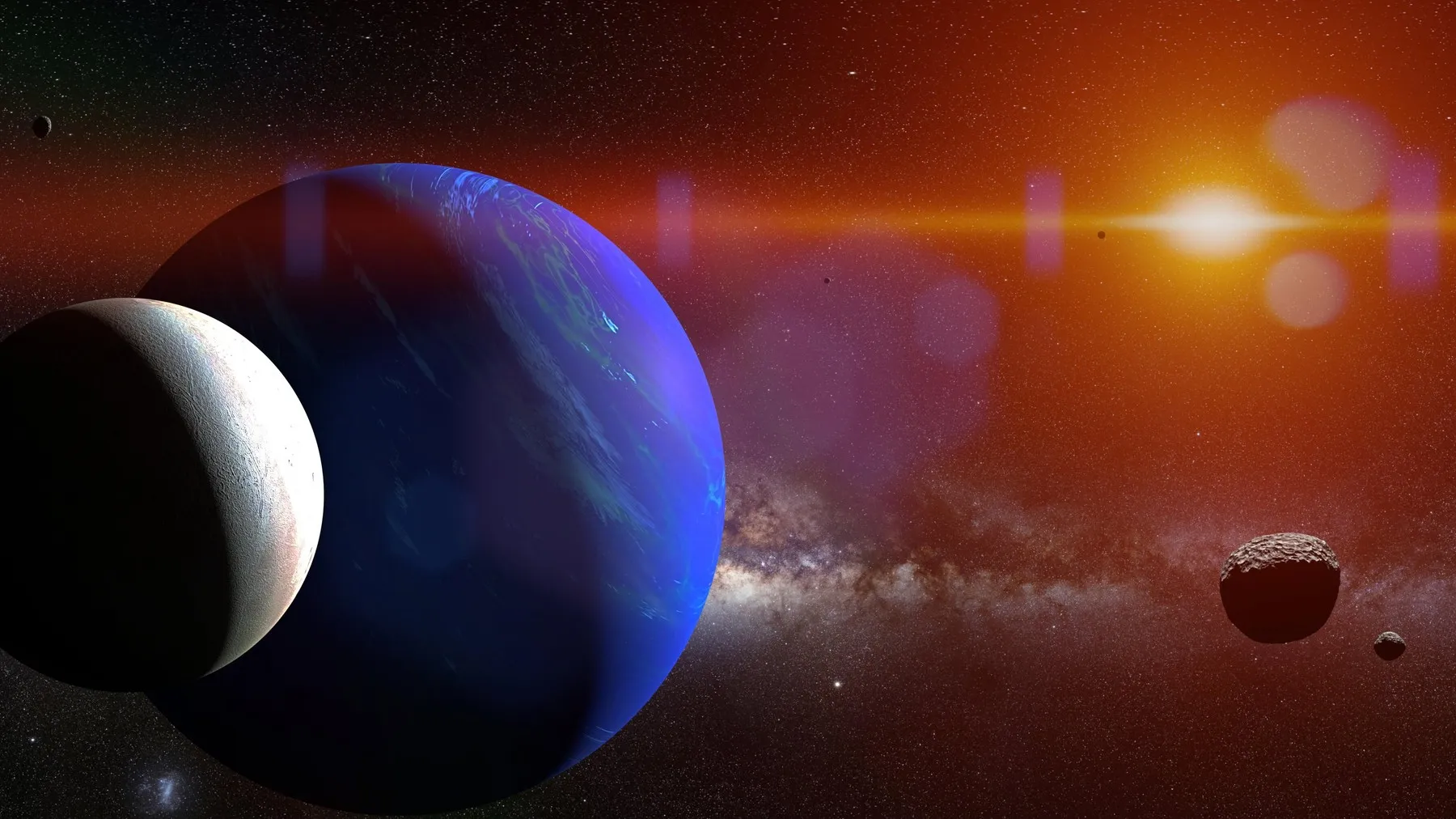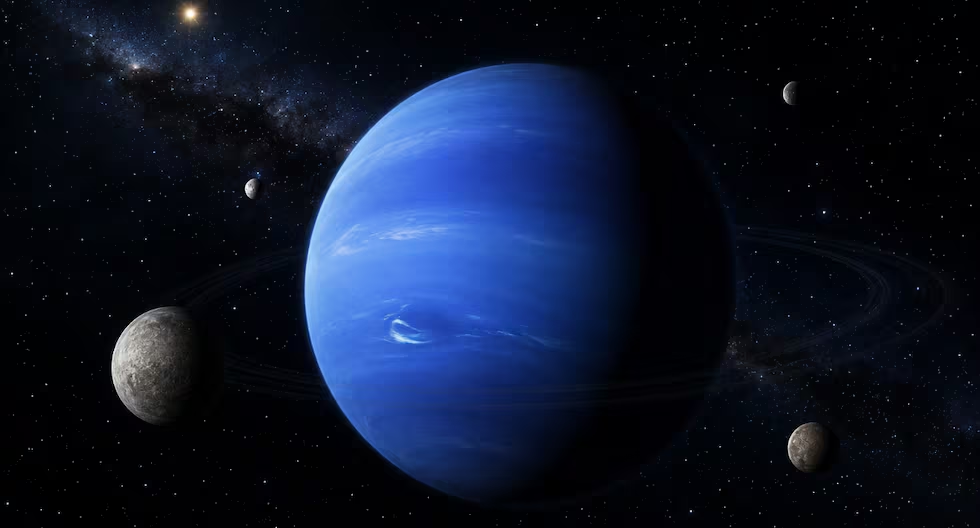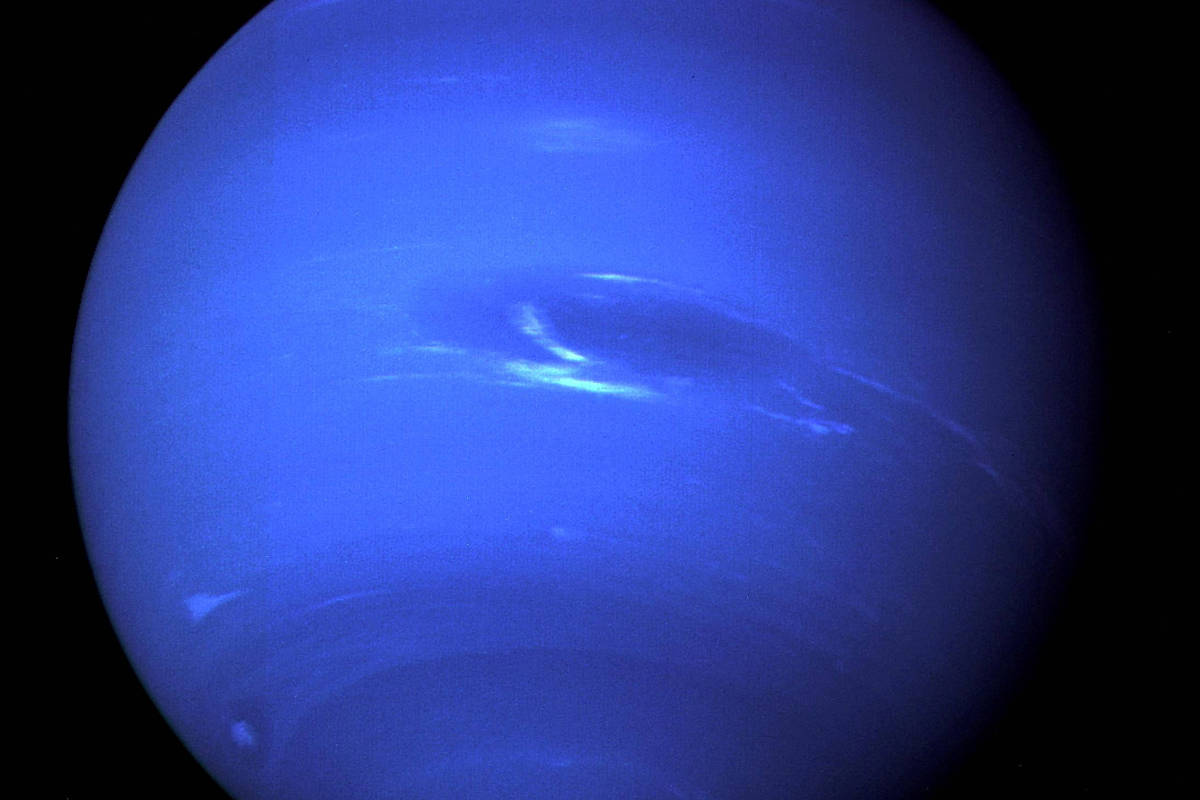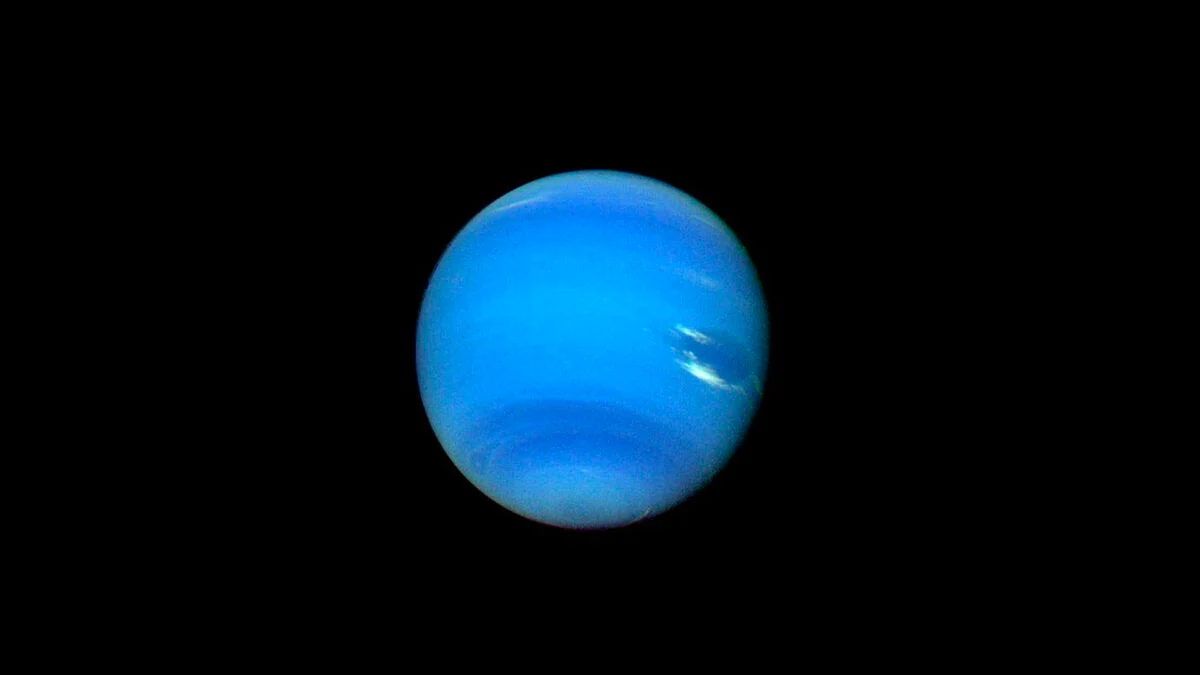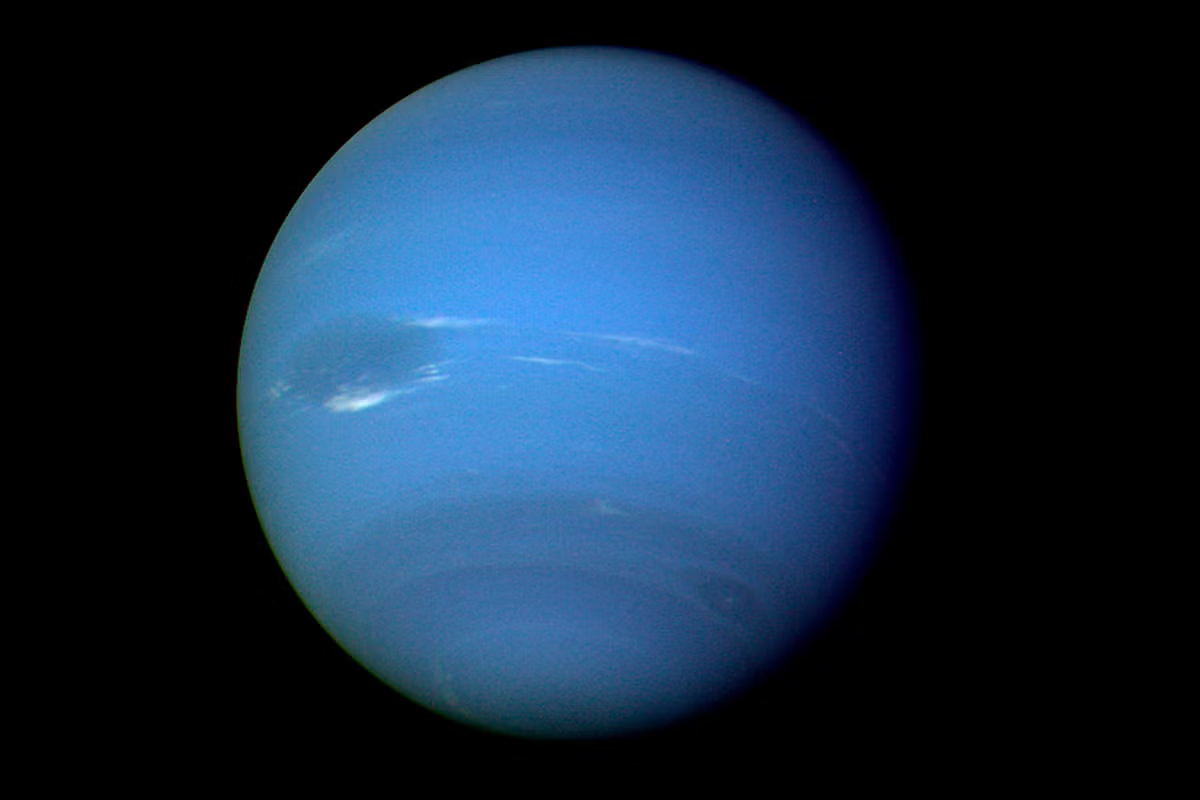
Jump to contentThank you for registeringPlease refresh the page or navigate to another page on the site to be automatically logged inPlease refresh your browser to be logged inAllNewsSportCultureLifestyleNew research, utilising observations from NASA's James Webb Space Telescope, has revealed that a catastrophic event billions of years ago 'destroyed ancient worlds' around Neptune, the solar system's outermost planet. Scientists discovered clay minerals, typically found deep inside certain worlds, on three of Neptune's small inner moons (Proteus, Larissa, Galatea) and its inner dusty rings, indicating these materials originated from a much larger ancient world that was subsequently destroyed. The culprit behind this cataclysm appears to be Triton, Neptune's largest moon, which was captured by Neptune's gravitational pull from the Kuiper Belt during the solar system's early, chaotic formation. After its capture, Triton's gravitational forces disrupted Neptune's original moons, causing most to collide; Neptune's current inner moons and rings then re-formed from this debris, offering a rare glimpse into the deep interiors of ancient icy worlds. Triton's unique retrograde orbit (opposite to Neptune's spin) further supports its capture theory, explaining why Neptune, unlike other gas giants, has a satellite system dominated by a captured interloper rather than an orderly family of moons. In fullAstronomers find signs of disaster on Neptune’s moons that destroyed ‘ancient worlds’ More bulletinsThank you for registeringPlease refresh the page or navigate to another page on the site to be automatically logged inPlease refresh your browser to be logged in
Neptune’s rogue moon Triton destroyed other ancient worlds around the planet
Jump to contentThank you for registeringPlease refresh the page or navigate to another page on the site to be automatically logged inPlease refresh your browser to be logged inAllNewsSportCultureLifestyleNew research, utilising observations from NASA's James Webb Space Telescope, has revealed that a catastrophic event billions of years ago 'destroyed ancient worlds' around Neptune, the solar system's outermost planet. Scientists discovered clay minerals, typically found deep inside certain worlds, on three of Neptune's small inner moons (Proteus, Larissa, Galatea) and its inner dusty rings, indicating these materials originated from a much larger ancient world that was subsequently destroyed. The culprit behind this cataclysm appears to be Triton, Neptune's largest moon, which was captured by Neptune's gravitational pull from the Kuiper Belt during the solar system's early, chaotic formation. After its capture, Triton's gravitational forces disrupted Neptune's original moons, causing most to collide; Neptune's current inner moons and rings then re-formed from this debris, offering a rare glimpse into the deep interiors of ancient icy worlds. Triton's unique retrograde orbit (opposite to Neptune's spin) further supports its capture theory, explaining why Neptune, unlike other gas giants, has a satellite system dominated by a captured interloper rather than an orderly family of moons. In fullAstronomers find signs of disaster on Neptune’s moons that destroyed ‘ancient worlds’ More bulletinsThank you for registeringPlease refresh the page or navigate to another page on the site to be automatically logged inPlease refresh your browser to be logged in