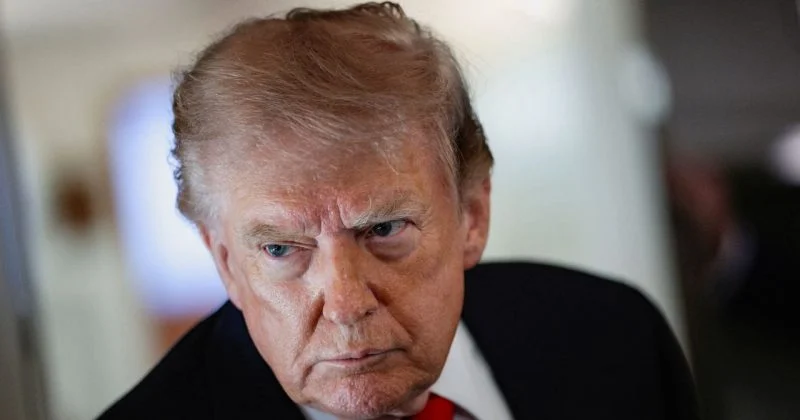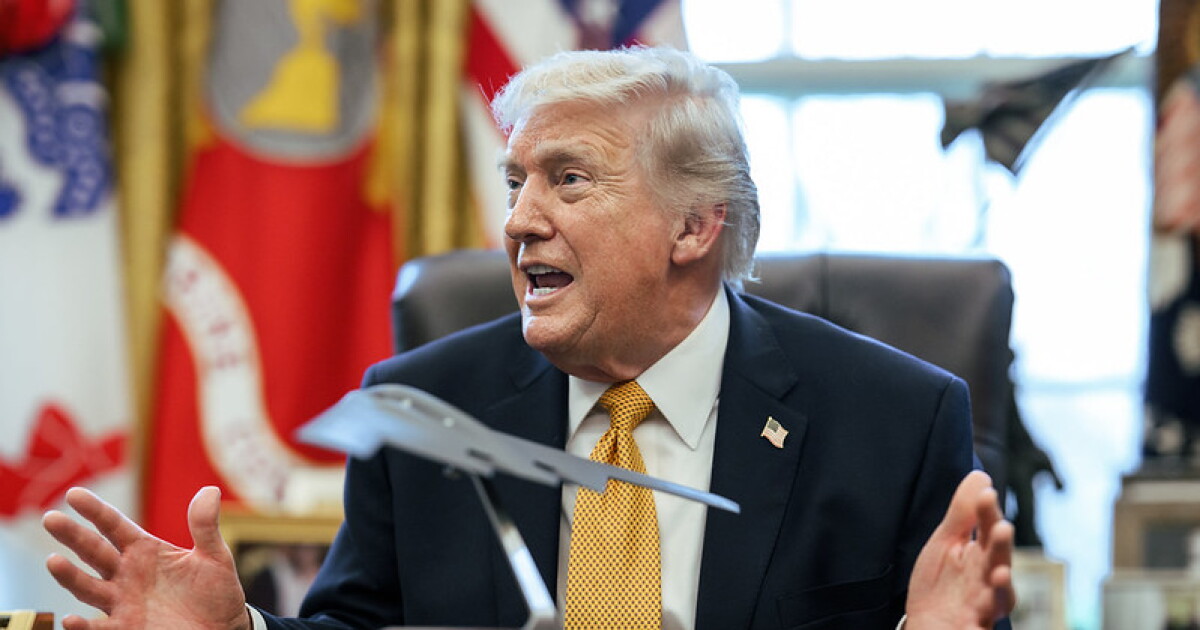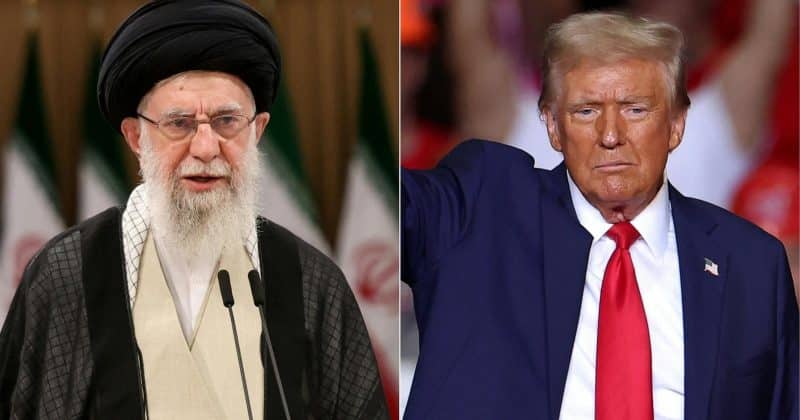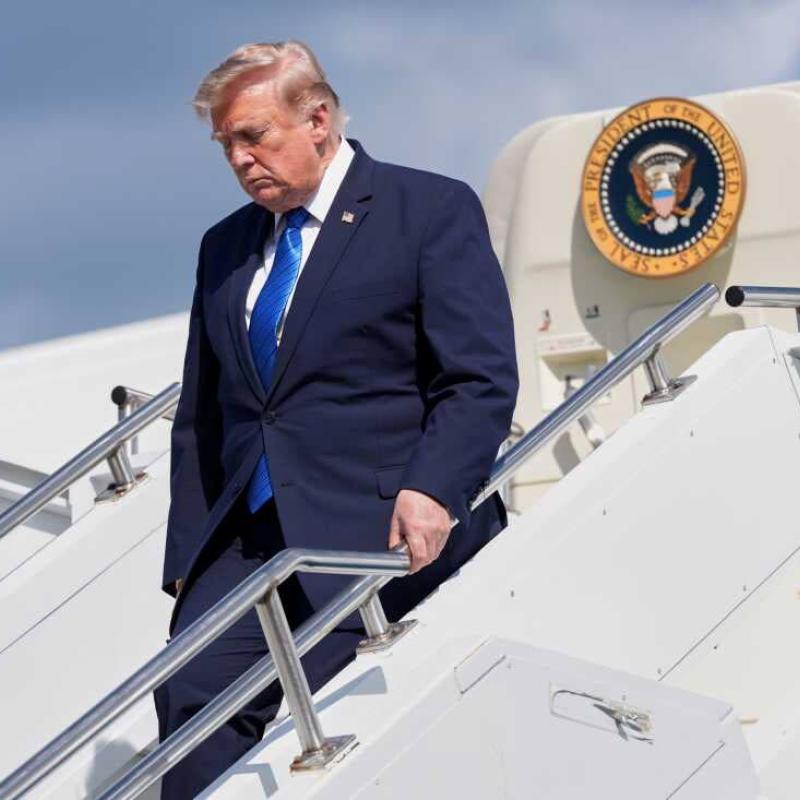
President Donald Trump has decided to halt a military escalation against Iran, instead opting to pursue a diplomatic resolution. This development follows earlier U.S. and Israeli strikes on Iran, which had escalated tensions in the region. The move comes as various diplomatic efforts have aimed to address unresolved issues, including Iran’s nuclear program. Trump’s decision to de-escalate suggests a potential shift towards negotiation, as the U.S. continues to use diplomatic channels in conjunction with military leverage. This move could impact ongoing discussions around the Strait of Hormuz, sanctions, and nuclear limitations.
Key Takeaways
Trump’s decision to de-escalate appears consistent with market expectations of reduced military tensions, impacting scenarios like Iran’s airspace closure.
Current pricing in the Iran full airspace closure market suggests a decreased likelihood of a full closure by August 31, now at 22% YES.
Activity around the potential for a US-Iran deal in 2026, including reconstruction funding, shows an increase to 35% YES, suggesting optimism about diplomatic progress.