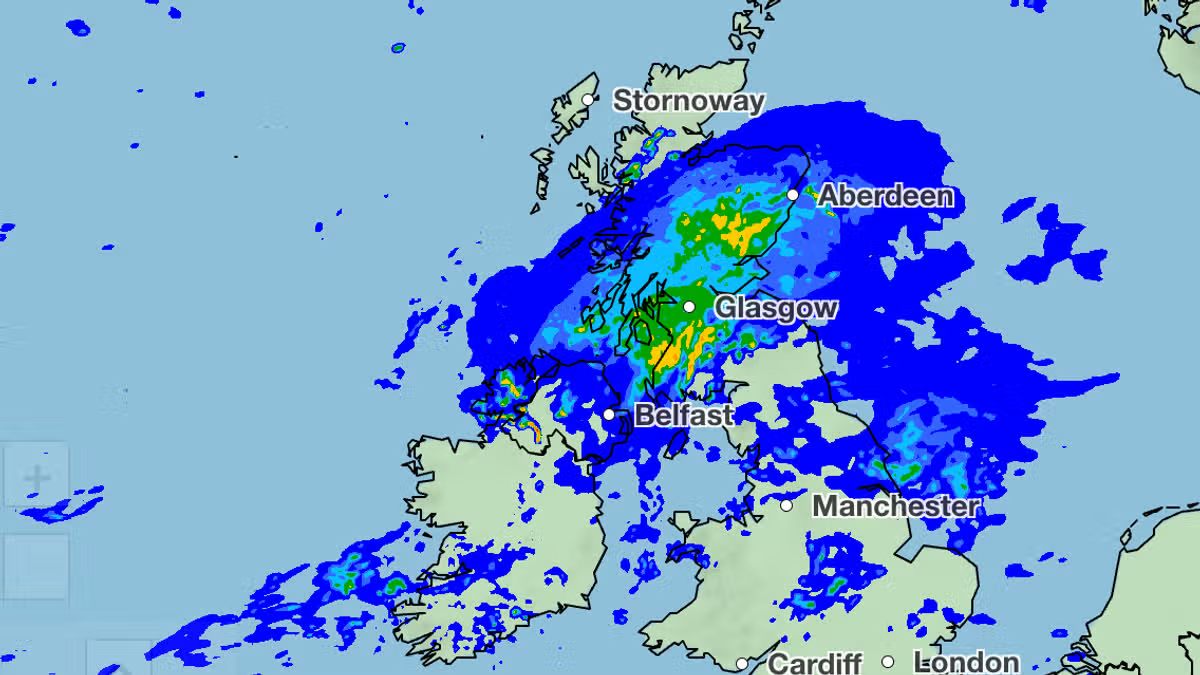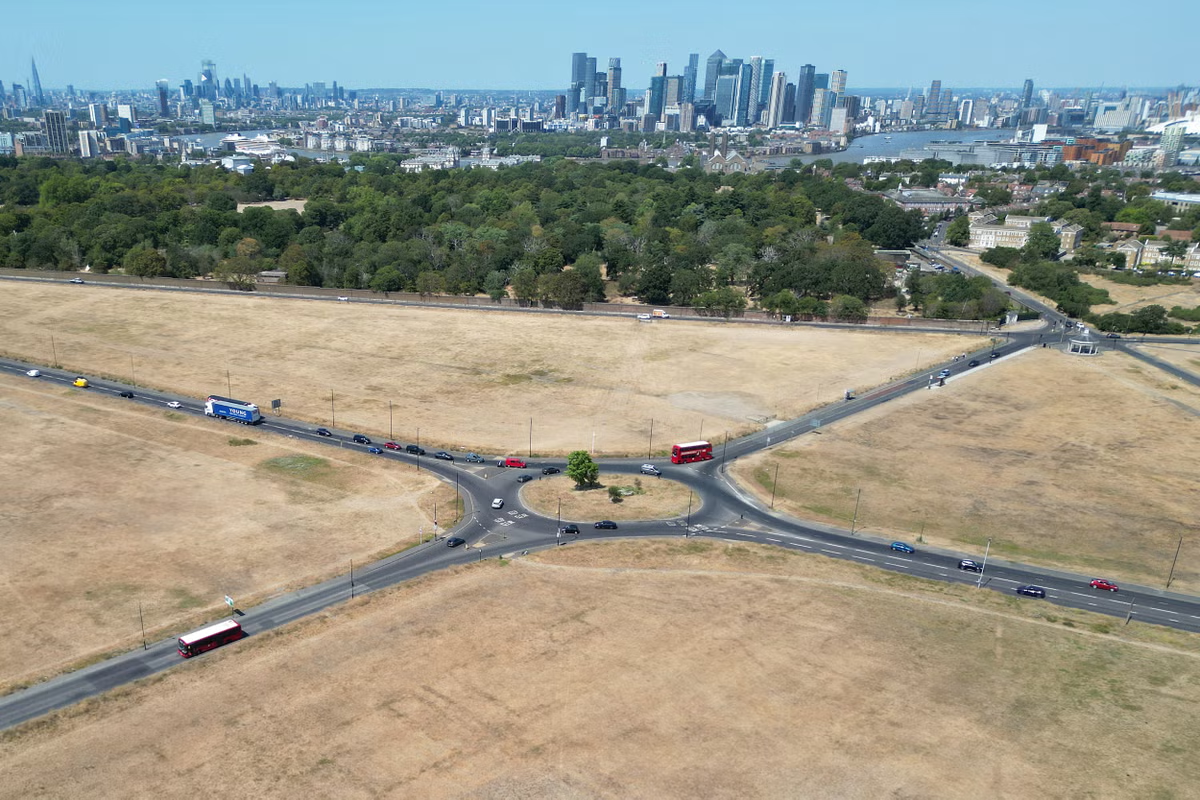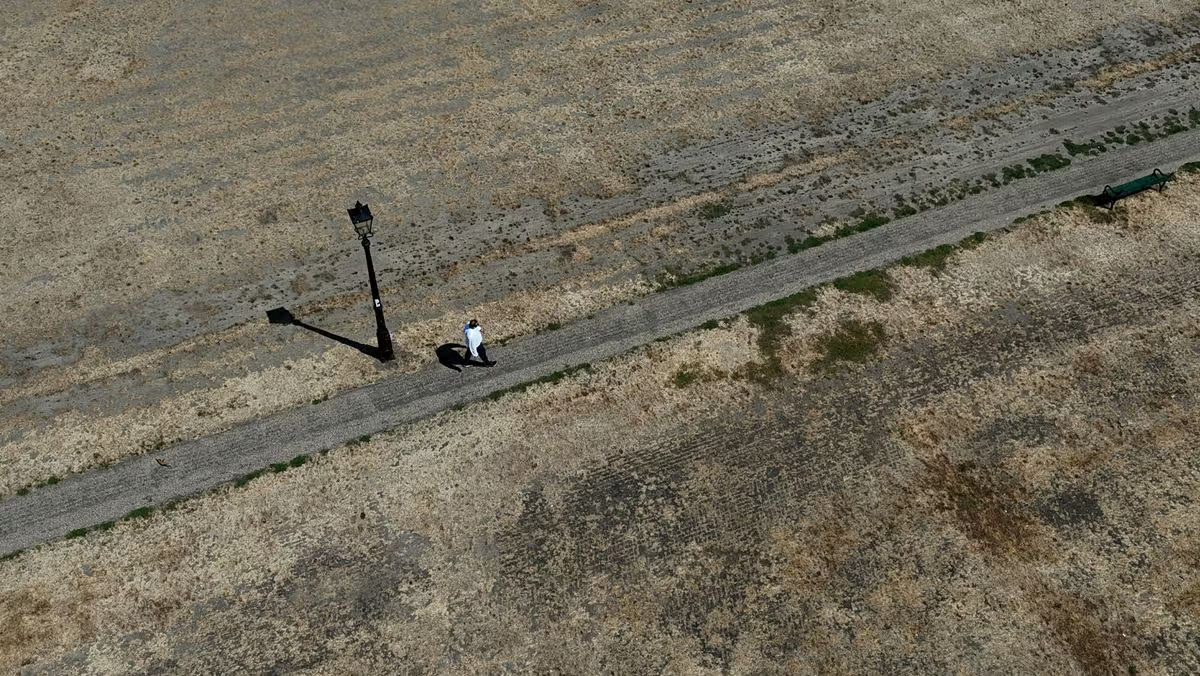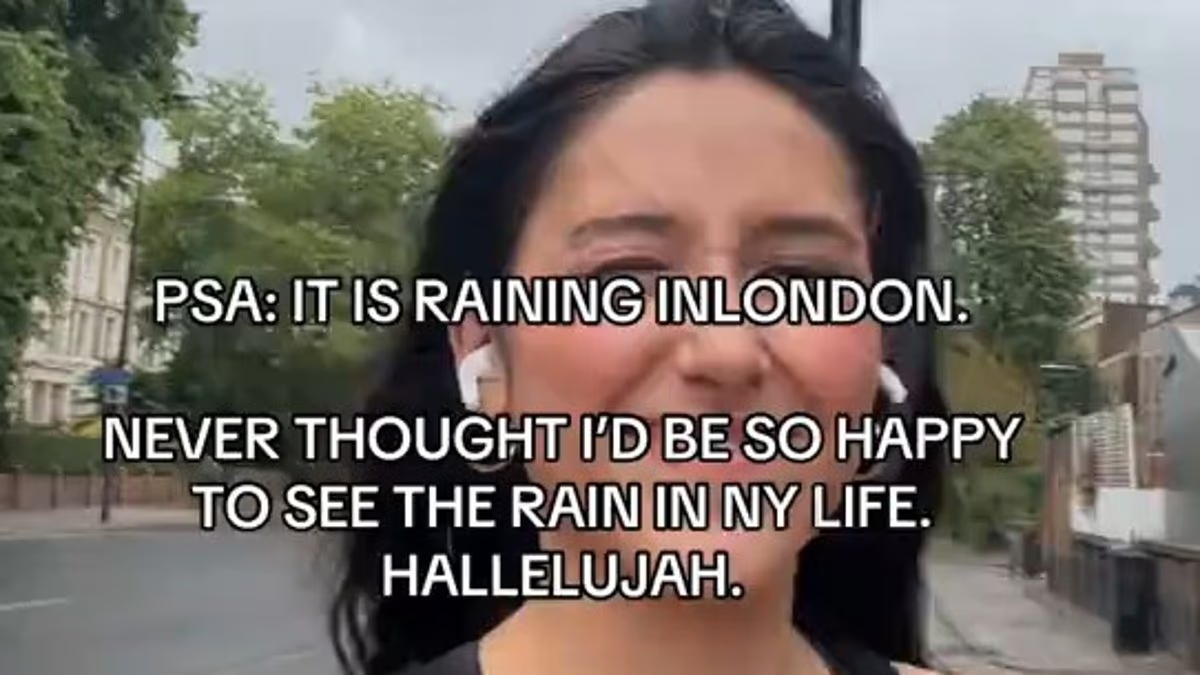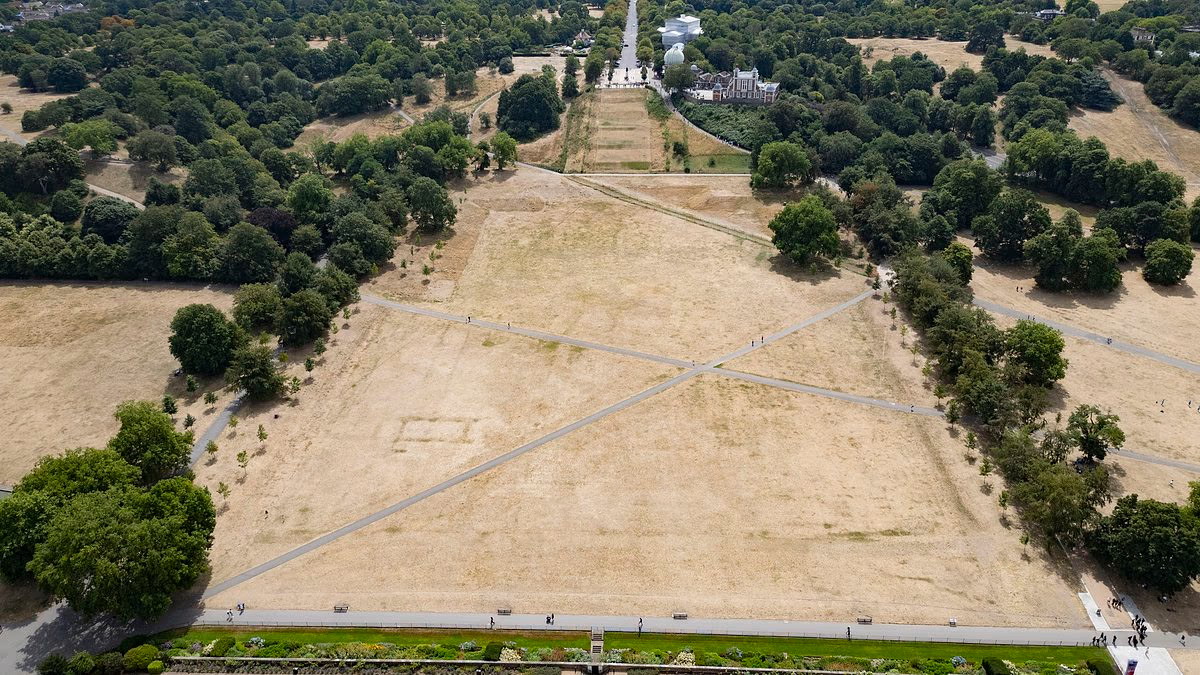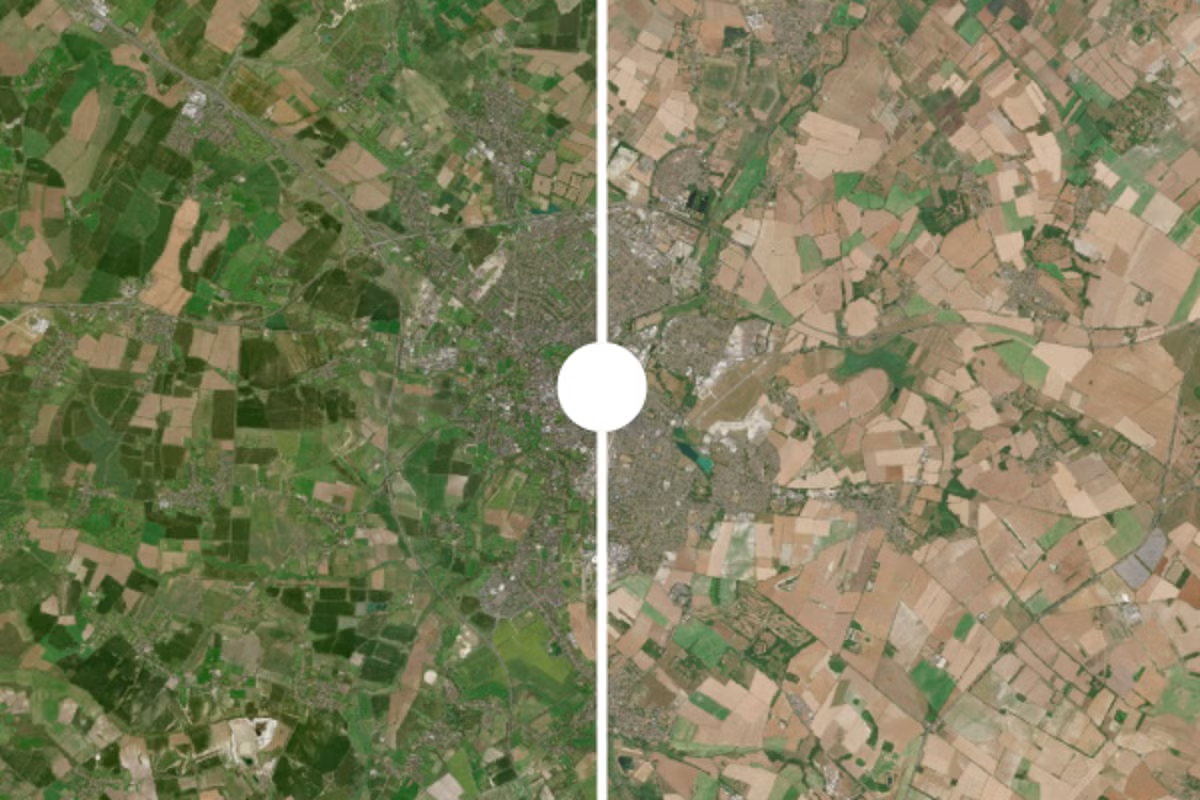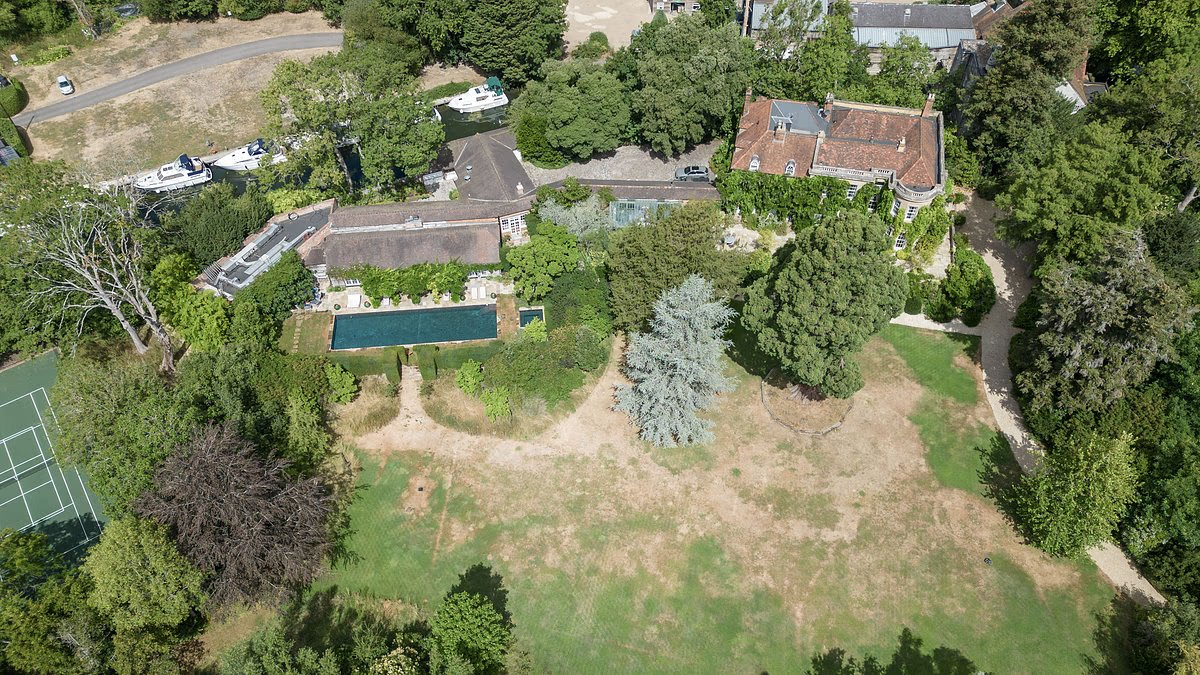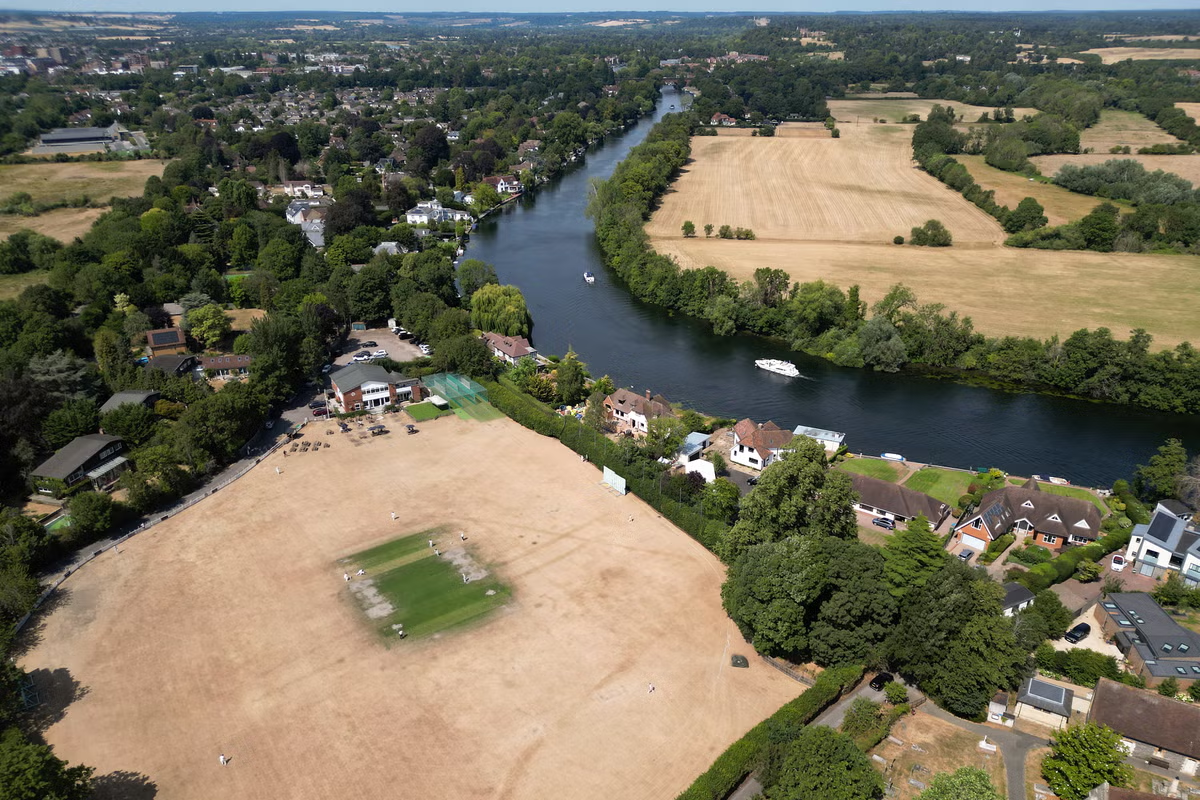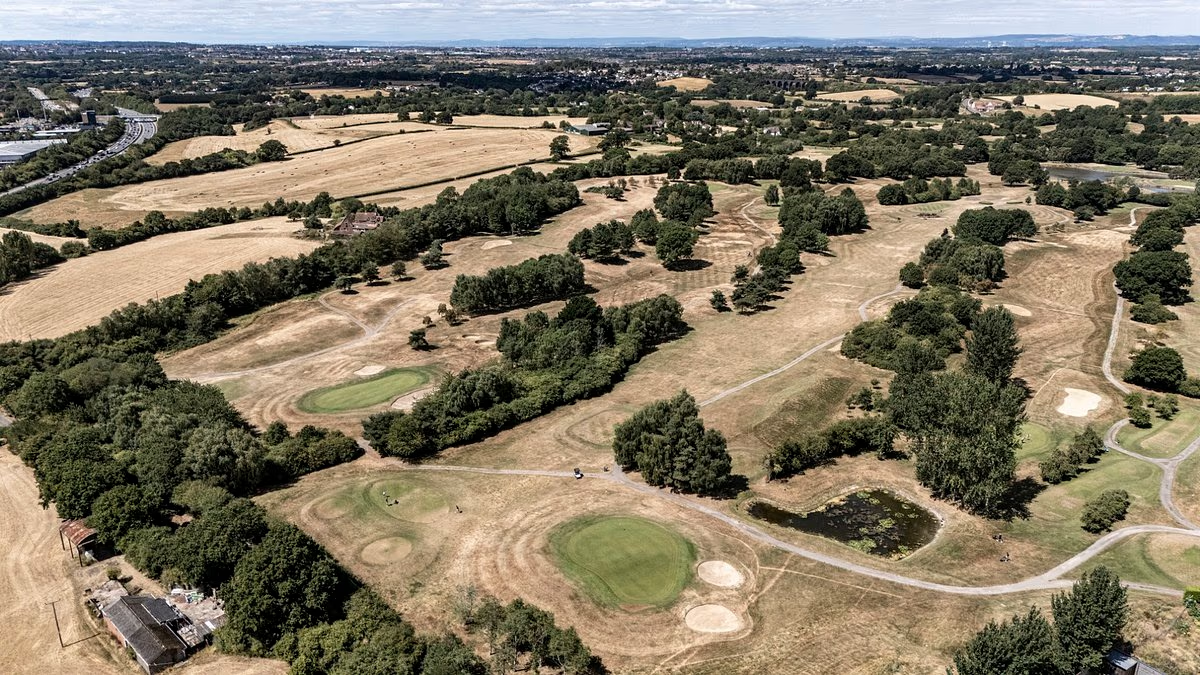
Some of Britain's most exclusive golf courses have been left looking more like bunkers than greens after one of the driest July months ever recorded.As temperatures were set to hit 35C in some areas today, the country's golf courses, usually covered in healthy grass, were left parched by low rainfall and hosepipe bans.One course in Ascot, Surrey, saw its greens marooned in a sea of brown as heat health alerts were issued for much of England today and the Met Office confirmed July was southern England's driest-ever month.Kendleshire golf course in South Gloucestershire, a membership for which can cost almost £1,700 a year, saw its rolling hills mirror the parched neighbouring fields.It was a similar story at Batchwood golf course in Hertfordshire, where a hosepipe ban is in place and the fairways have paled to a light brown colour.And at Royal Mid-Surrey golf course, where membership can reportedly set patrons back around £2,500 a year, players were greeted with the same patchy landscape.Amber alerts came into effect from 9am this morning and last until the same time on Wednesday, covering London, the South East, the East of England and the East Midlands.Issued by the UK Health Security Agency (UKHSA), the alerts warn of significant impacts to health and social care services because of high temperatures. One golf course near Ascot, Surrey, saw its greens hemmed in by a sea of brown grass as temperatures were set to hit 35C today ‹ Slide me › Kendleshire golf club in South Gloucestershire saw its greenery fade into brown, mirroring the neighbouring dry fields Batchwood golf and sports centre in St Albans, Hertfordshire before the droughtBatchwood golf and sports centre in St Albans, Hertfordshire has been parched by low rainfall and high temperaturesRoyal Mid-Surrey golf club was previously filled with lush green grassRoyal Mid-Surrey golf club has been reduced to a patchy brown as high temperatures took their tollThere may also be a rise in deaths, particularly amongst vulnerable people, while the heat continues.Less severe yellow heat alerts have also been issued for the same period for the North West, Yorkshire and the Humber, the West Midlands and the South West.These alerts warn minor impacts are likely across health and social care services.The North East is the only English region without a UKHSA heat health alert in place today.It is expected the week's hottest weather will come today as hot air moving north from France combines with a low-pressure system moving in from the Atlantic.As the country braced for another week of high temperatures the Government faced warnings that Britain could face food shortages after farmers struggled to cope with the prolonged warm and dry spell. The latest hot weather is another blow to British farming, already affected this year by winter flooding which made planting difficult.Now farmers in drought-affected areas are having their water access restricted as around 23million people in England and Wales have been hit by hosepipe bans.Tom Bradshaw, the National Farmers' Union (NFU) president, said low rainfall and record-breaking heatwaves which have dried soil could lead to food shortages.He told BBC Radio 4 that Prime Minister Andy Burnham should give farmers tax breaks for water storage systems on their land to prepare for future hot weather.Mr Bradshaw said: 'Those other countries around the world that we currently rely on to produce our food and vegetables, their climates are changing as well.'It does feel like there is going to be shortages of [food] products.'Amid the country's third drought in five years, wheat farmers have said their crop is half its normal height.And England is experiencing its earliest-ever harvest as farmers bid to salvage their lacklustre yield. Grass at Weybrook Park golf club in Basingstoke, Hampshire, looked identical to the harvested fields next door as the sun beat down today Aerial images showed a similar picture in the grounds of Buckingham Palace, where grass also appeared parchedA football pitch looked scorched this afternoon as heat health alerts came into forceToday southern and eastern areas of England are expected to see temperatures around the low- to mid-30sC with some spots around London to hit 35C.Other areas including the Midlands, East Anglia and southern England will see temperatures around 30C while eastern parts of Wales could see similar heat levels.But Scotland and Northern Ireland could see outbreaks of rain caused by low pressure moving across Ireland, causing cloudier skies.Similar conditions could also impact western England but the rest of the country will remain mostly dry, the Met Office said.The country faces another week under the threat of drought as much of the country remained starved of rainfall.Earlier today the Met Office said England and Wales had seen their driest July since records began in 1836.All of Wales and much of south-western, central and eastern England were experiencing drought at the end of last week while wildfires broke out across the country.One burned near Britain's biggest nuclear power station - Sizewell B - and the construction site for the new Sizewell C last week. Welsh fire crews battled a blaze on the hills above Ferndale in the Rhondda Valley today Smoke rose from a wildfire near Britain's biggest nuclear power station last week which covered an area the size of 140 football pitches in Suffolk Some 116 properties were affected by power cuts as fire crews were sent from London and helicopter crews dropped water on the blaze.The UK remained on course for the highest number of deaths caused by heatwaves in a year since records began.Millions of Britons are also under hosepipe bans as water companies look to protect reserves.A Daily Mail investigation today told how one Kent road has been divided by water freedoms, with one half forbidden to use their hosepipes as the other remained free to do so.The Met Office said more than half of England was in drought and several counties had seen less than 1mm of rainfall across the whole of July.Last week it said provisional statistics showed England and Wales were on track to record their driest July in almost 200 years.Meanwhile the country as a whole was set for its third driest July on record, seeing just 35 per cent of the rainfall it would usually experience.The Met Office added the dry conditions had come alongside 'exceptional warmth' across the country, with England set for its joint-warmest July for average temperature and Wales on course for its hottest-ever.Northern Ireland was heading for its third-warmest July ever but Scotland had not seen average temperatures last month break into its top ten most warm.England, Wales and the UK as a whole recorded their sunniest July months on record - it was also those two home nations' sunniest months ever. Met Office science manager Dr Amy Doherty said last month was 'truly remarkable'.'The combination of record-breaking dryness, exceptional warmth and unprecedented sunshine has delivered one of the most notable summer months in our historical records,' she added.
Weeks without rain turn Britain's golf courses from green to brown
As temperatures were set to hit 35C in some areas today, the country's golf courses, usually covered in healthy grass, were left parched by low rainfall and hosepipe bans.
1,352 words~6 min read