Wall Street has found a new way to play hot potato with risk. Investment banks are offloading their exposure to leveraged single-stock ETFs by selling exotic derivatives called “crash puts” to hedge funds and institutional investors willing to bet that the worst won’t happen.
The instrument in question pays out if a stock experiences a catastrophic one-day drop, typically exceeding 50%. For the counterparties willing to absorb that tail risk, the premiums are generous. Goldman Sachs reported “immense demand” for these hedges as early as May, with potential yields ranging from 14.2% to 20% for those taking the other side of the trade.
What exactly are crash puts
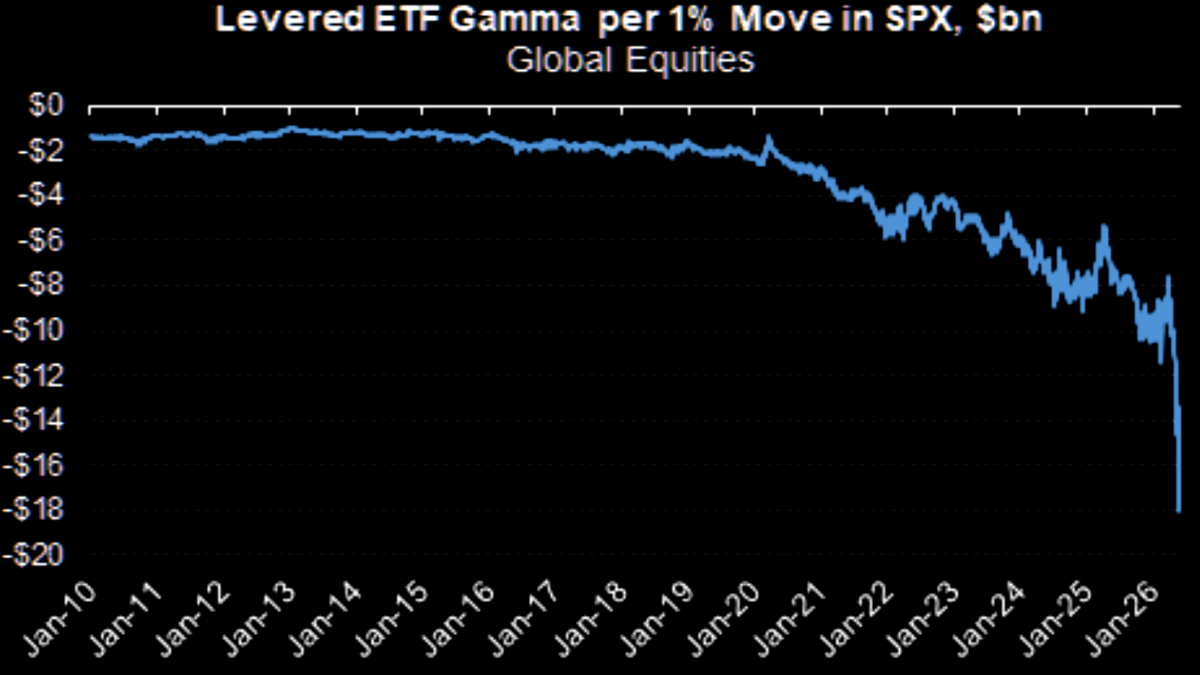
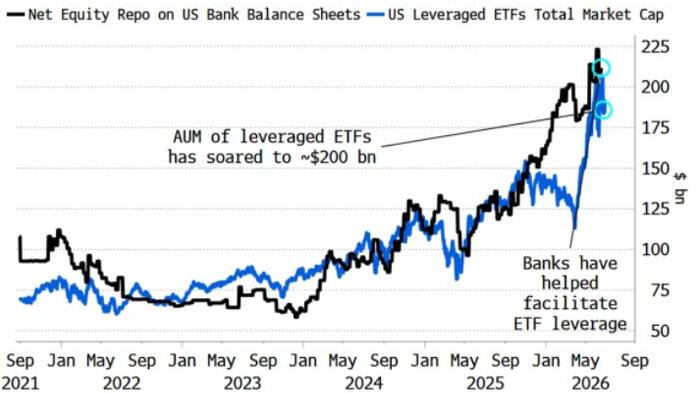
Banks that market-make or provide exposure through leveraged ETFs are essentially sitting on a ticking time bomb if one of those underlying stocks craters in a single session. A 2x leveraged ETF on a stock that drops 50% in a day doesn’t just lose 100% of its value. It effectively ceases to exist.
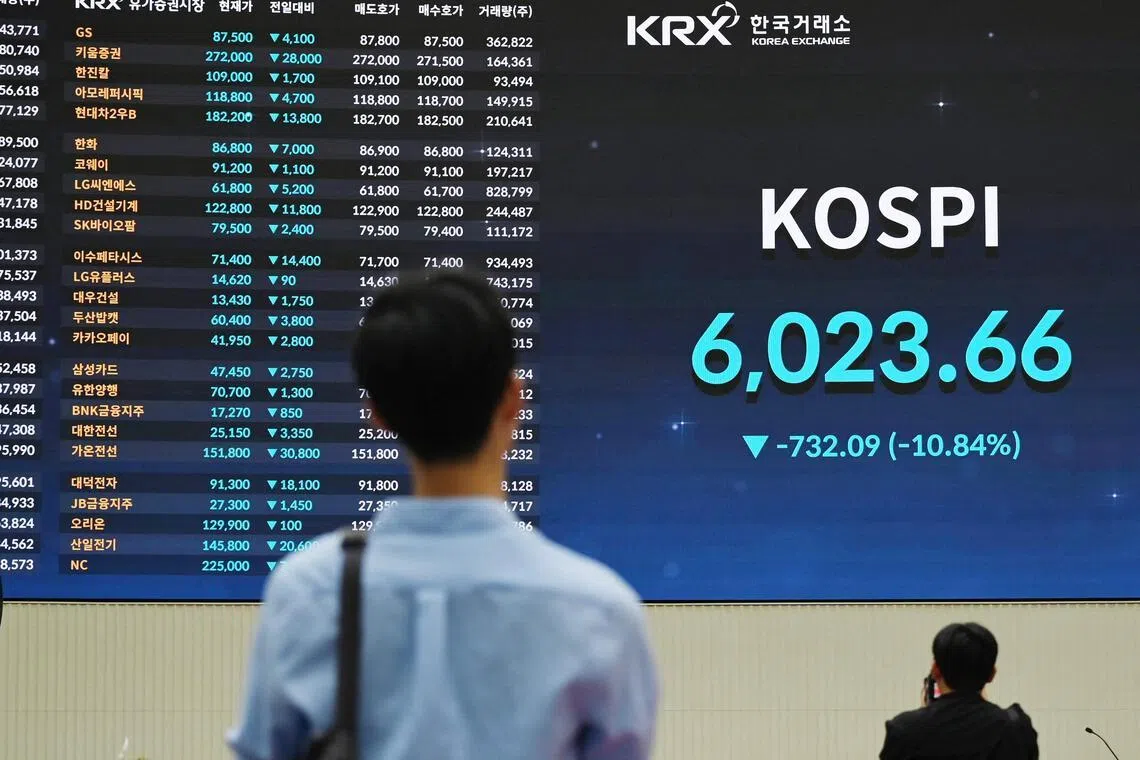
That’s not a hypothetical scenario. On July 14, Lucid Group shares plunged 57% in a single day, which led to the closure of a related leveraged ETF. The day before, SK Hynix dropped 15.4%. These aren’t penny stocks. SK Hynix is one of the world’s largest memory chip manufacturers, and Samsung Electronics has been among the most heavily traded names in these structures.