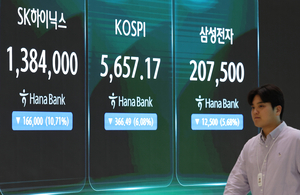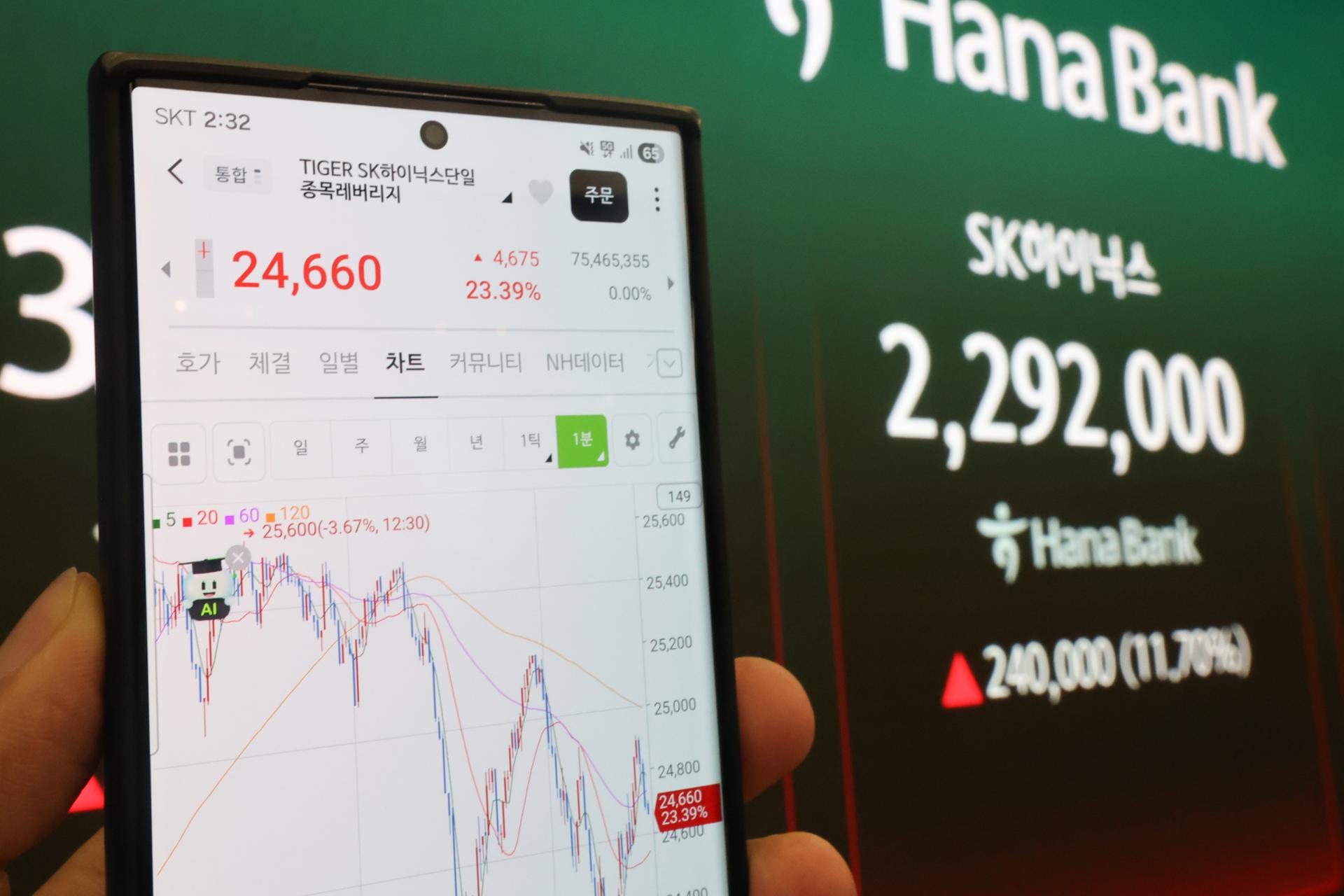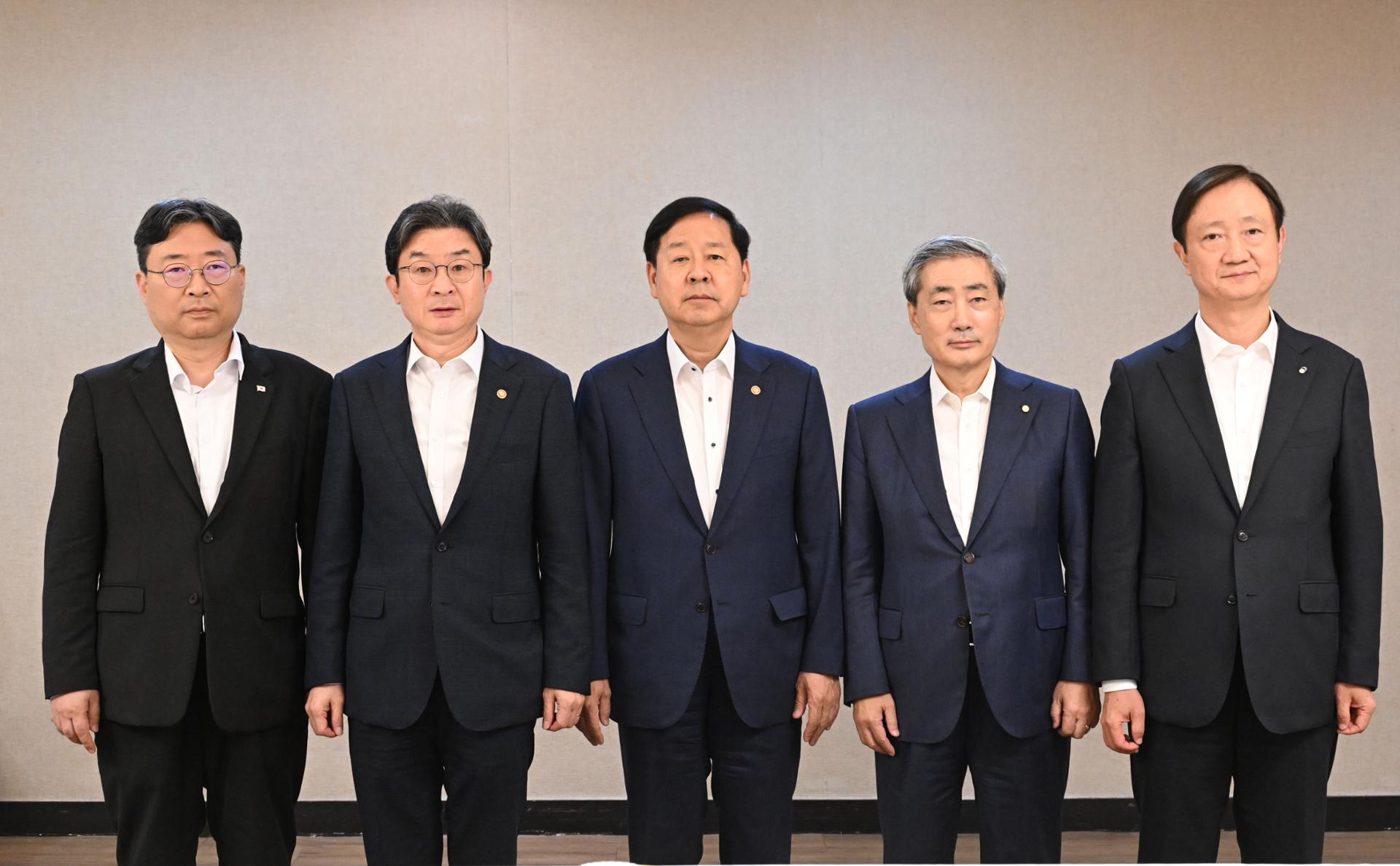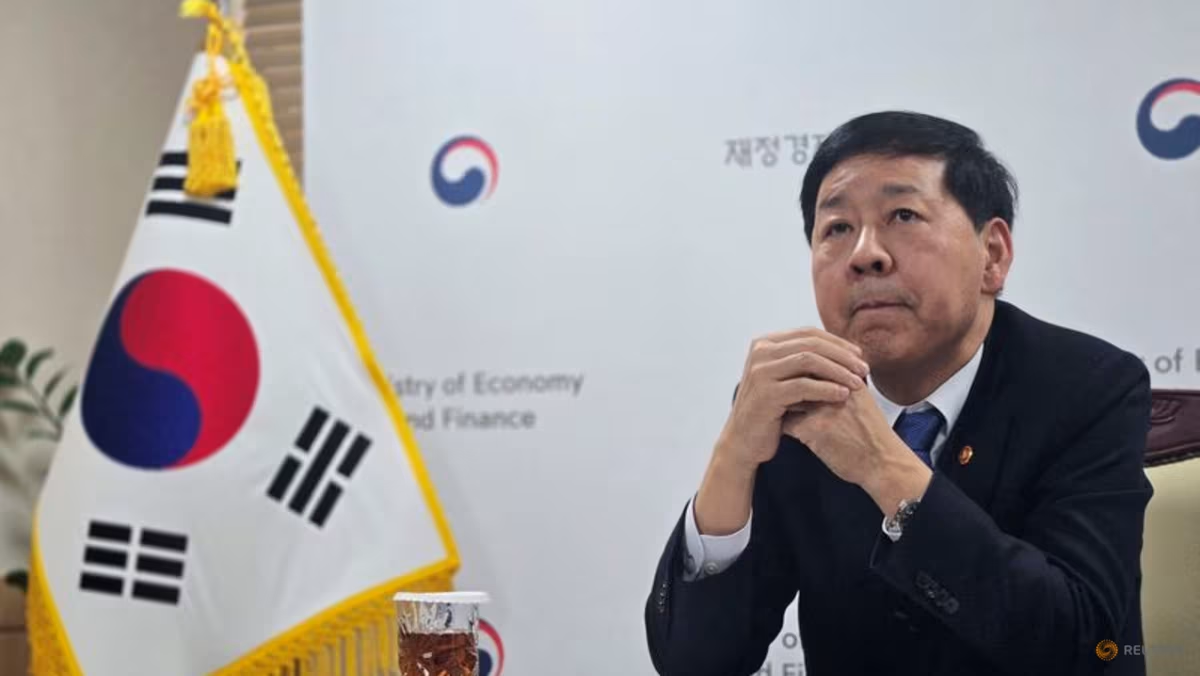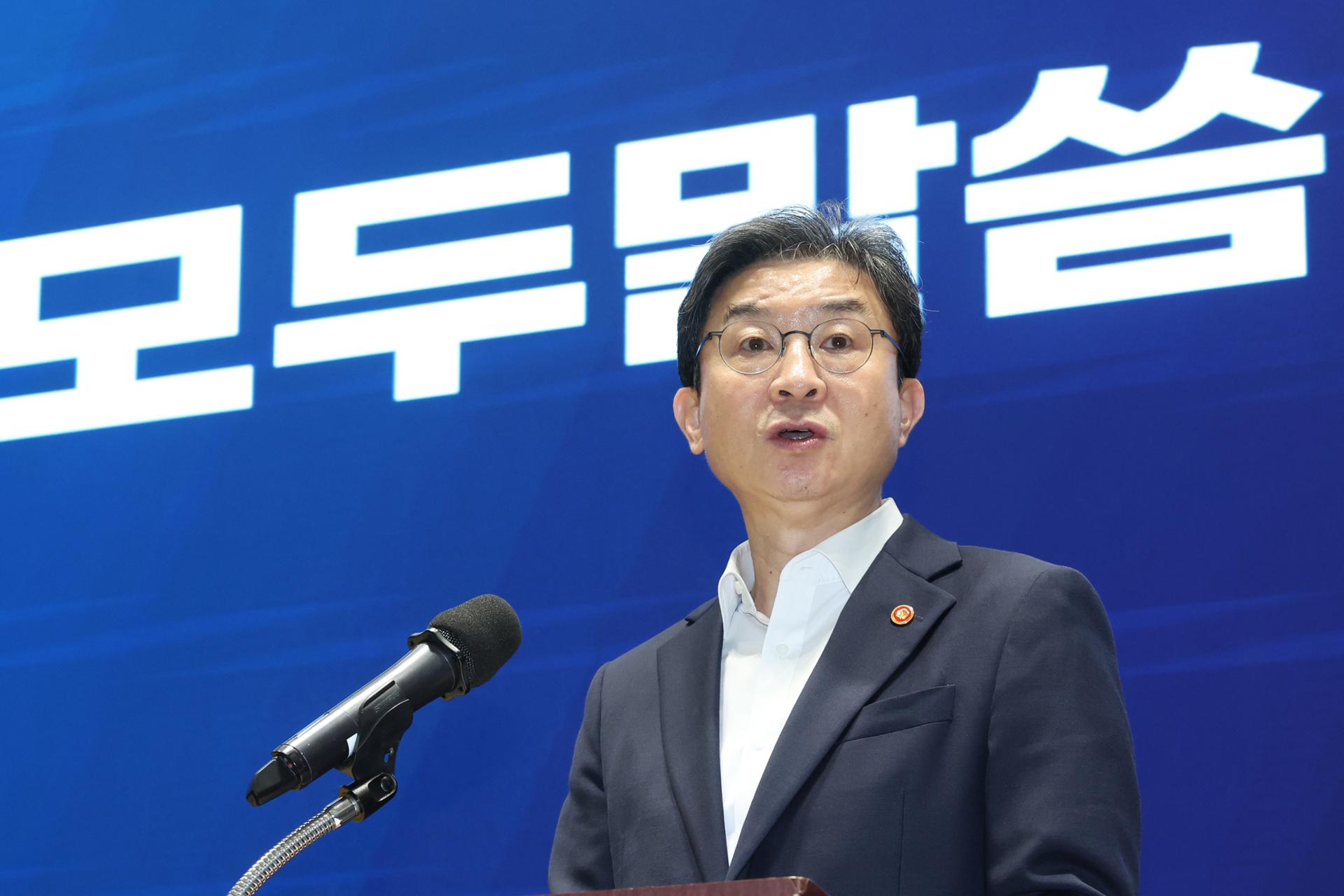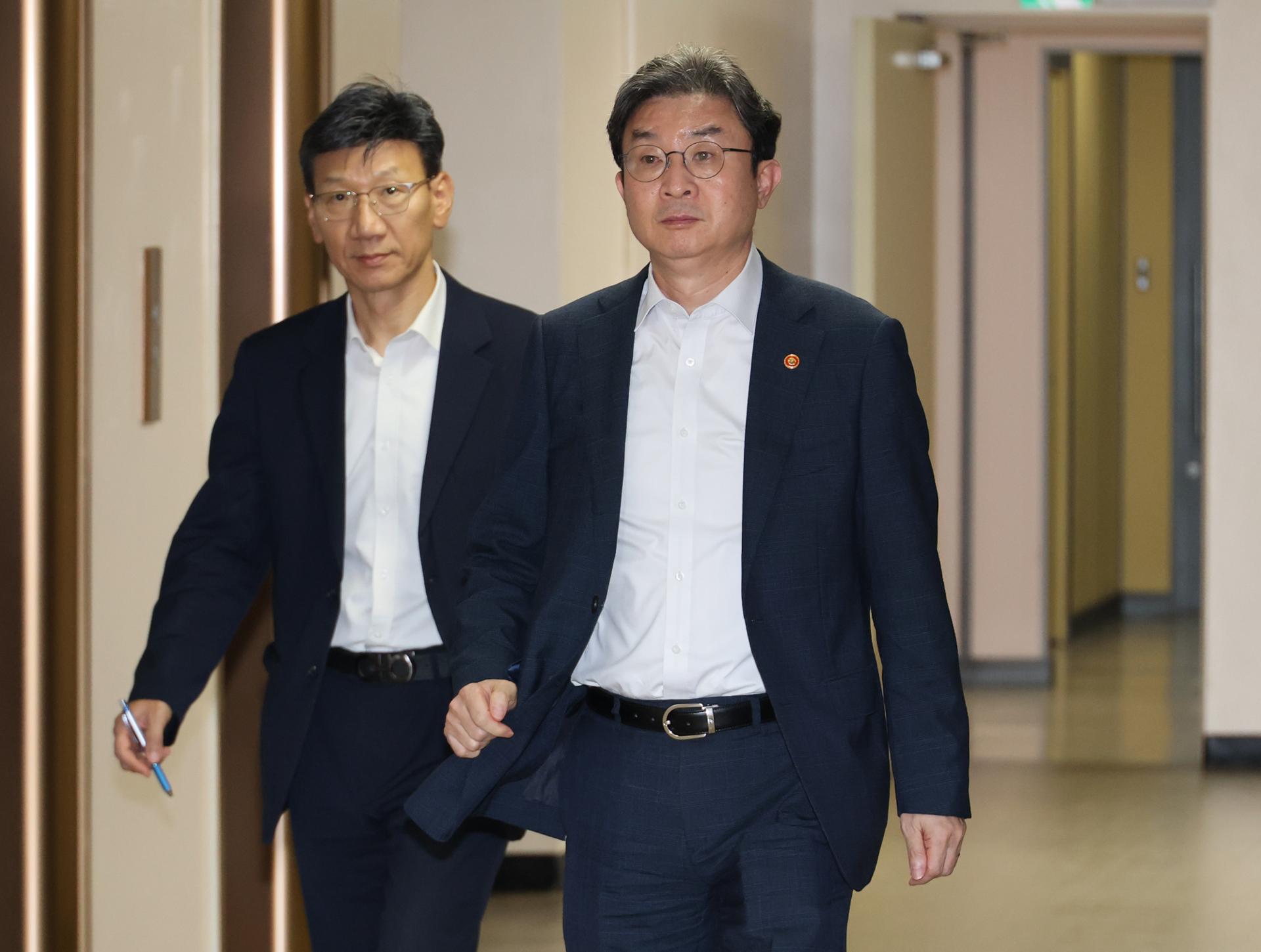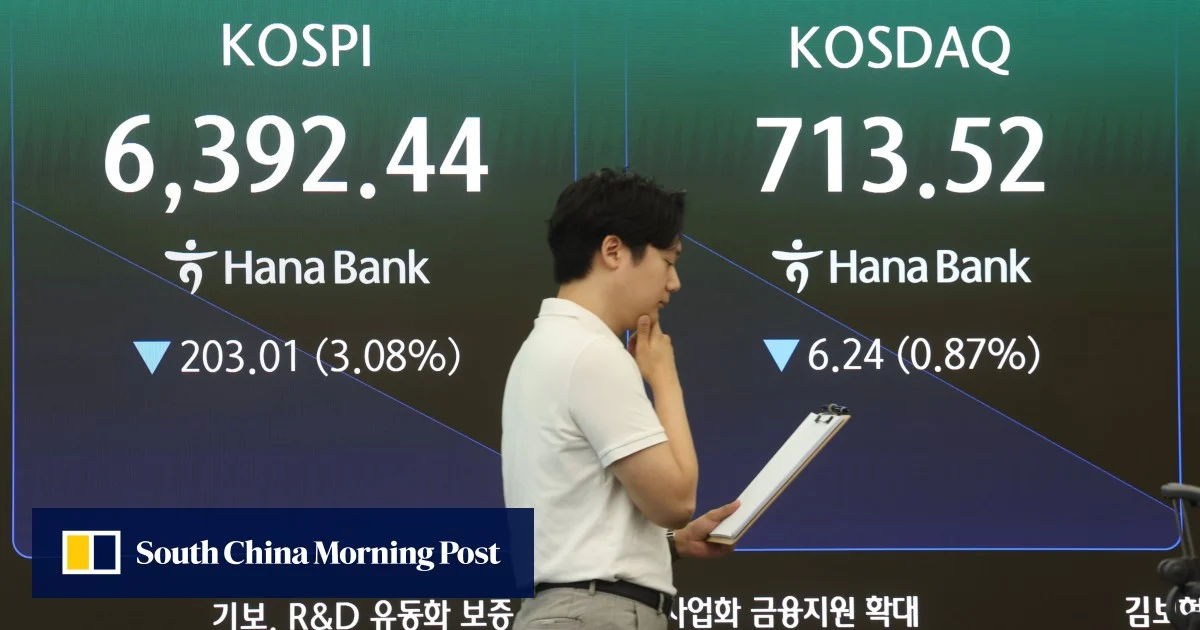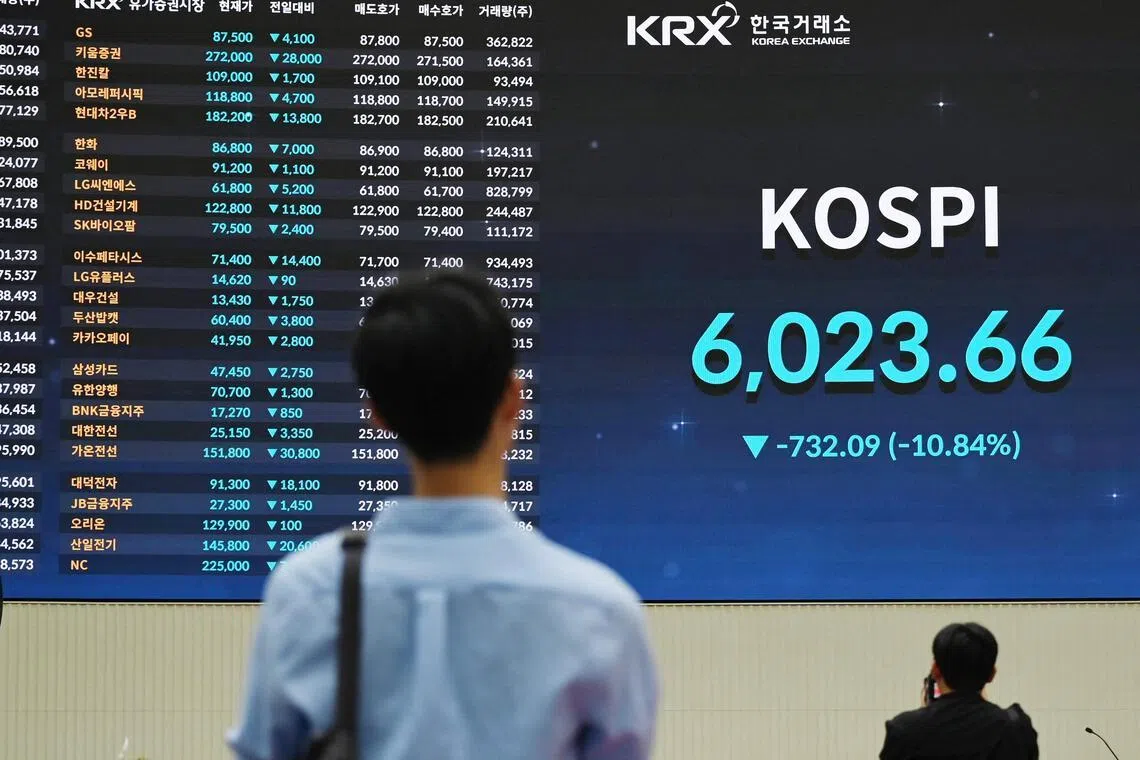
SEOUL – South Korea pledged additional measures to stabilise the stock market and curb retail access to leveraged exchange-traded funds (ETFs) after a stocks rout that has wiped billions of dollars off investors’ holdings.The slew of steps were announced in a statement late on July 29 after an emergency market meeting hosted by Finance Minister Koo Yun-cheol, which included all the country’s top financial authorities.“Participants agreed that concentrated trading in single-stock leveraged products has contributed to heightened market volatility and pledged to respond swiftly and decisively,” the finance ministry said in a statement. The authorities plan to limit retail involvement in leveraged ETFs including capping exposure at a set share of investors’ total portfolios and raising trading costs, the statement added.“(The) authorities will seek to establish a legal basis allowing regulators to take emergency market-stabilisation measures, drawing on overseas precedents such as Hong Kong’s flexible leverage regime,” the statement said, adding that Seoul would maintain “round-the-clock market monitoring under the highest level of alert”. While the authorities said the additional measures would be pursued immediately, they provided no details on the size of individual investment caps or the extent of any increase in trading costs.South Korea’s equity market, the world’s best performer earlier in 2026 on optimism over artificial intelligence and chip demand, has since been hit by a sharp selloff as volatility in Samsung Electronics Co. and SK Hynix Inc. rippled through the broader market.The Kospi has plunged about 40 per cent from its June peak. The selloff deepened on July 29 after SK Hynix reported weaker-than-expected earnings, raising doubts over the artificial-intelligence investment boom and accelerated retail selling. The fall triggered a market-wide circuit breaker for a second straight day.The new measures come on top of restrictions already set to take effect on July 31, including a higher minimum cash deposit requirement for investors trading leveraged single-stock ETFs.Earlier in the day, at a series of parliamentary hearings on the issue, South Korean lawmakers argued that single-stock leveraged ETFs – which were rolled out domestically in May – have amplified Kospi swings, making South Korea’s equity market significantly more volatile than global peers because speculative trading had become concentrated in a handful of blue-chip stocks.At the hearings, Finance Minister Koo apologised, acknowledging that authorities should have examined the products more carefully before their launch.The July 29 hearings broadened into an attack on the government’s handling of the policy. Opposition lawmakers questioned why the products were introduced at an unusual speed despite concerns from much of the asset-management industry, arguing officials prioritised efforts to boost stock prices over market stability.“The country has turned into a casino,” People Power Party lawmaker Lee Jongwook told Koo during the hearing. “These are products that should never have been allowed onto the market. I consider this a policy failure.”Several lawmakers said the authorities have failed to adopt safeguards used in other markets. They noted Hong Kong has not listed comparable products linked to domestic-listed companies and criticised regulators for approving two-times leverage in a market dominated by Samsung and SK Hynix. BLOOMBERG
South Korea steps up leverage ETF curbs after market rout
The authorities plan to limit retail involvement in leveraged ETFs including capping exposure at a set share of investors’ total portfolios and raising trading costs. Read more at straitstimes.com. Read more at straitstimes.com.
508 words~2 min read