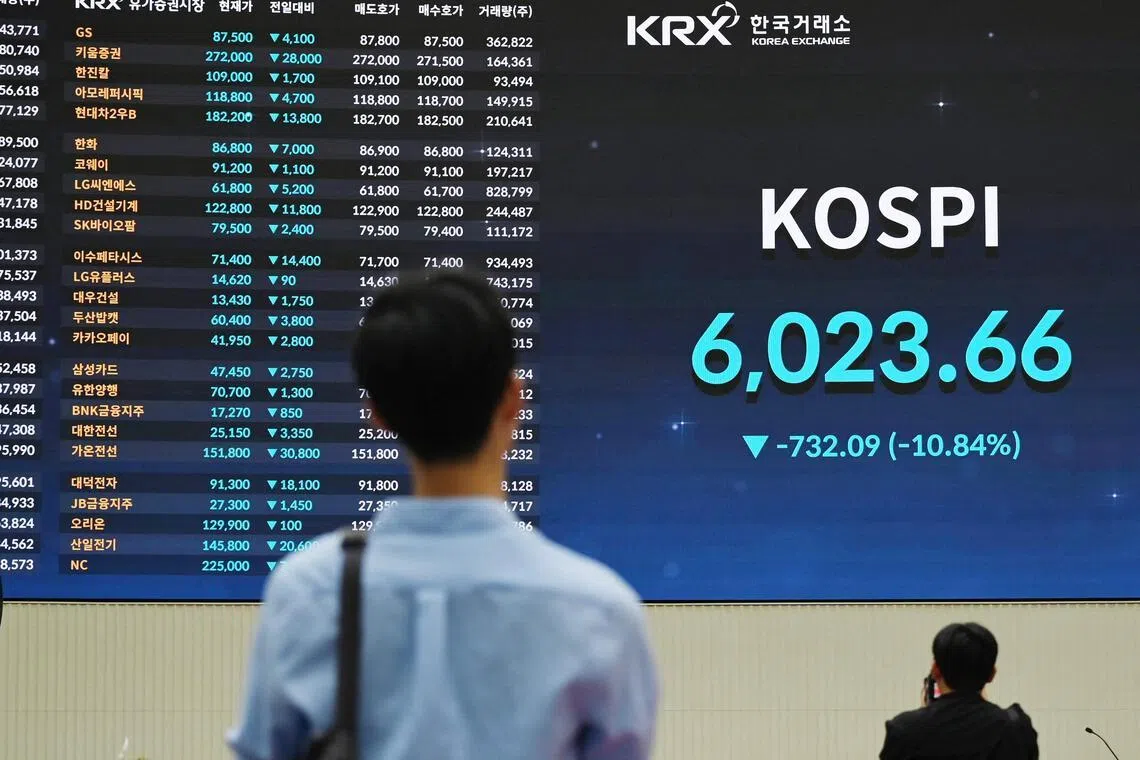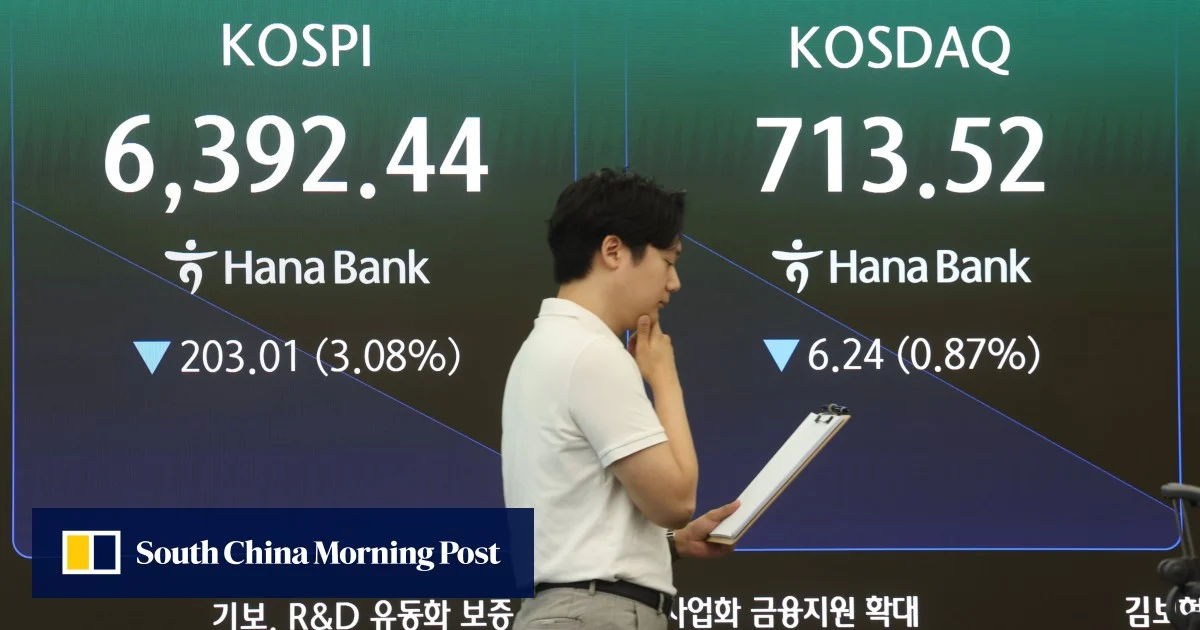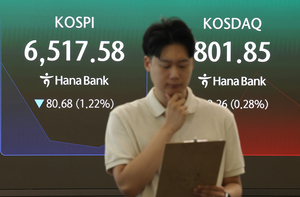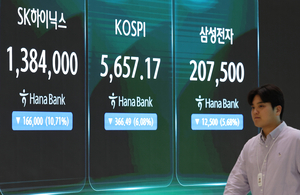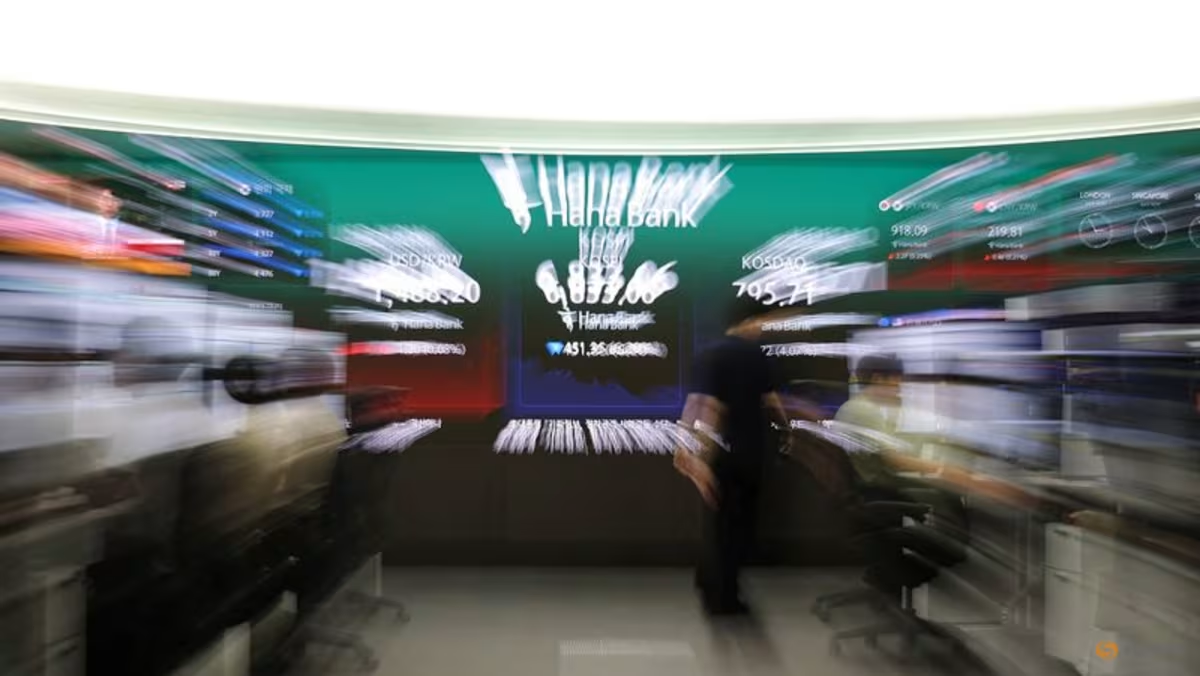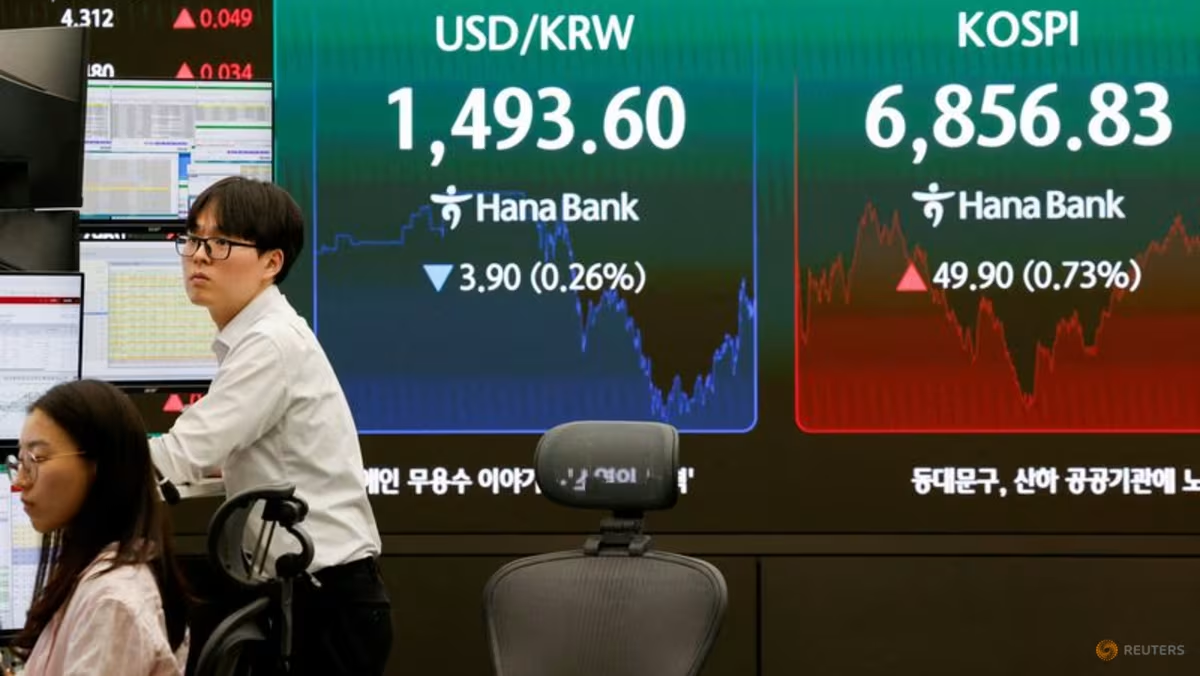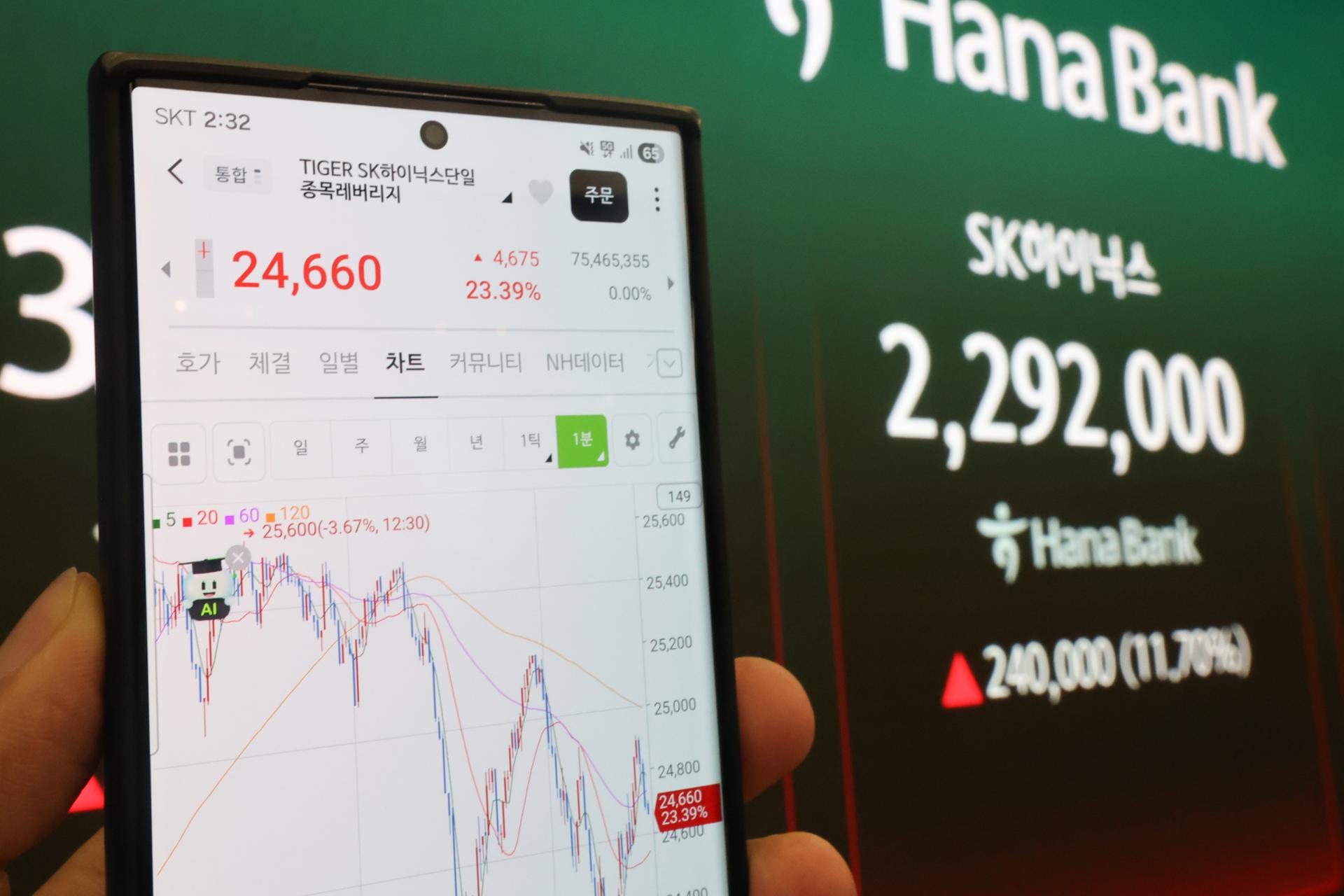
SynopsisSouth Korea’s regulators have announced new curbs on leveraged ETFs after a sharp market selloff erased over $2 trillion in KOSPI market value. Analysts, however, believe the measures may not be enough to curb volatility and investor losses.ETMarkets.comSouth Korea tightens leveraged ETF rules as market rout fuels investor concerns.South Korea's latest measures to curb the impact of leveraged exchange-traded funds (ETFs) may prove insufficient to restore stability in its sharply declining stock market, according to analysts, as mounting losses and public frustration intensify pressure on policymakers, Reuters reported.South Korean financial regulators announced fresh restrictions after a meeting between Bank of Korea Governor Rhee Chang-yong and the heads of the country's financial watchdogs on Wednesday evening. The measures include limits on individual investments in single-stock leveraged ETFs and higher trading costs for such products, which have played a significant role in amplifying recent market swings.The steps come after South Korea's stock market plunged about 40% over the past month, wiping out more than $2 trillion in market value from the benchmark KOSPI since its record high in June. The sharp reversal has disproportionately affected retail investors who borrowed heavily to invest during the rally, including young investors, retirees and households.The market collapse has increased political pressure on the government, which had previously supported the strong equity rally. Public anger has spilt onto the streets, with protesters placing condolence flower wreaths outside the National Assembly in Seoul to criticise the authorities' handling of leveraged investment products.Analysts question effectiveness of new rulesMarket participants argue that the latest restrictions do not address the core issue of leverage embedded within these investment products.Kim Jin-wook, an economist at Citi Korea, said the announced measures could help reduce market volatility but suggested that a broader market stabilisation mechanism, such as a liquidity support fund, would likely have a greater impact.Reuters also cited an anonymous head of research at a Seoul-based brokerage, who said the investment cap appeared to have been introduced hastily and was unlikely to significantly reduce volatility.The analyst pointed to Hong Kong's regulatory changes introduced on July 23, saying those measures were more effective because they reduced forced selling during periods of market stress. By contrast, South Korea's new rules do not require existing investors to reduce their holdings, limiting their immediate impact on market dynamics.In addition, the analyst noted that leveraged products listed in overseas markets such as New York and Hong Kong remain unaffected, meaning investors seeking similar exposure could continue trading through foreign-listed products.Public frustration growsAround 40 condolence flower wreaths were placed outside South Korea's National Assembly this week as part of protests against the government's handling of single-stock leveraged ETFs. The messages reflected growing dissatisfaction among retail investors who have suffered steep losses during the market downturn.Inside parliament, Finance Minister Koo Yun-cheol faced criticism from opposition lawmakers over the introduction of leveraged investment products. The minister apologised, acknowledging that the products had been introduced without sufficient consideration.Market steadies, but downtrend remainsSouth Korean equities showed signs of stabilisation on Thursday after two consecutive sessions of heavy losses. However, analysts caution that the broader downtrend remains firmly in place following one of the sharpest monthly declines in the market's history.The selloff has overshadowed robust corporate earnings from the country's largest chipmakers. Samsung Electronics and SK Hynix together reported quarterly profits totalling about 150 trillion won, or roughly $100 billion, this week. Despite those strong results, investor sentiment has remained dominated by concerns over leverage, volatility and the rapid destruction of market value. The disconnect between strong corporate fundamentals and severe market declines underscores the scale of the ongoing correction.Read More News on(What's moving Sensex and Nifty Track latest market news, stock tips, Budget 2025, Share Market on Budget 2025 and expert advice, on ETMarkets. Also, ETMarkets.com is now on Telegram. For fastest news alerts on financial markets, investment strategies and stocks alerts, subscribe to our Telegram feeds .) Subscribe to ET Prime and read the Economic Times ePaper Online.and Sensex Today. Top Trending Stocks: SBI Share Price, Axis Bank Share Price, HDFC Bank Share Price, Infosys Share Price, Wipro Share Price, NTPC Share Price...moreless(You can now subscribe to our ETMarkets WhatsApp channel)Read More News on(What's moving Sensex and Nifty Track latest market news, stock tips, Budget 2025, Share Market on Budget 2025 and expert advice, on ETMarkets. Also, ETMarkets.com is now on Telegram. For fastest news alerts on financial markets, investment strategies and stocks alerts, subscribe to our Telegram feeds .) Subscribe to ET Prime and read the Economic Times ePaper Online.and Sensex Today. Top Trending Stocks: SBI Share Price, Axis Bank Share Price, HDFC Bank Share Price, Infosys Share Price, Wipro Share Price, NTPC Share Price...moreless
Global Market | South Korea's ETF curbs may not be enough to calm market turmoil: Analysts
South Koreas regulators have announced new curbs on leveraged ETFs after a sharp market selloff erased over $2 trillion in KOSPI market value. Analysts, however, believe the measures may not be enough to curb volatility and investor losses.
774 words~4 min read