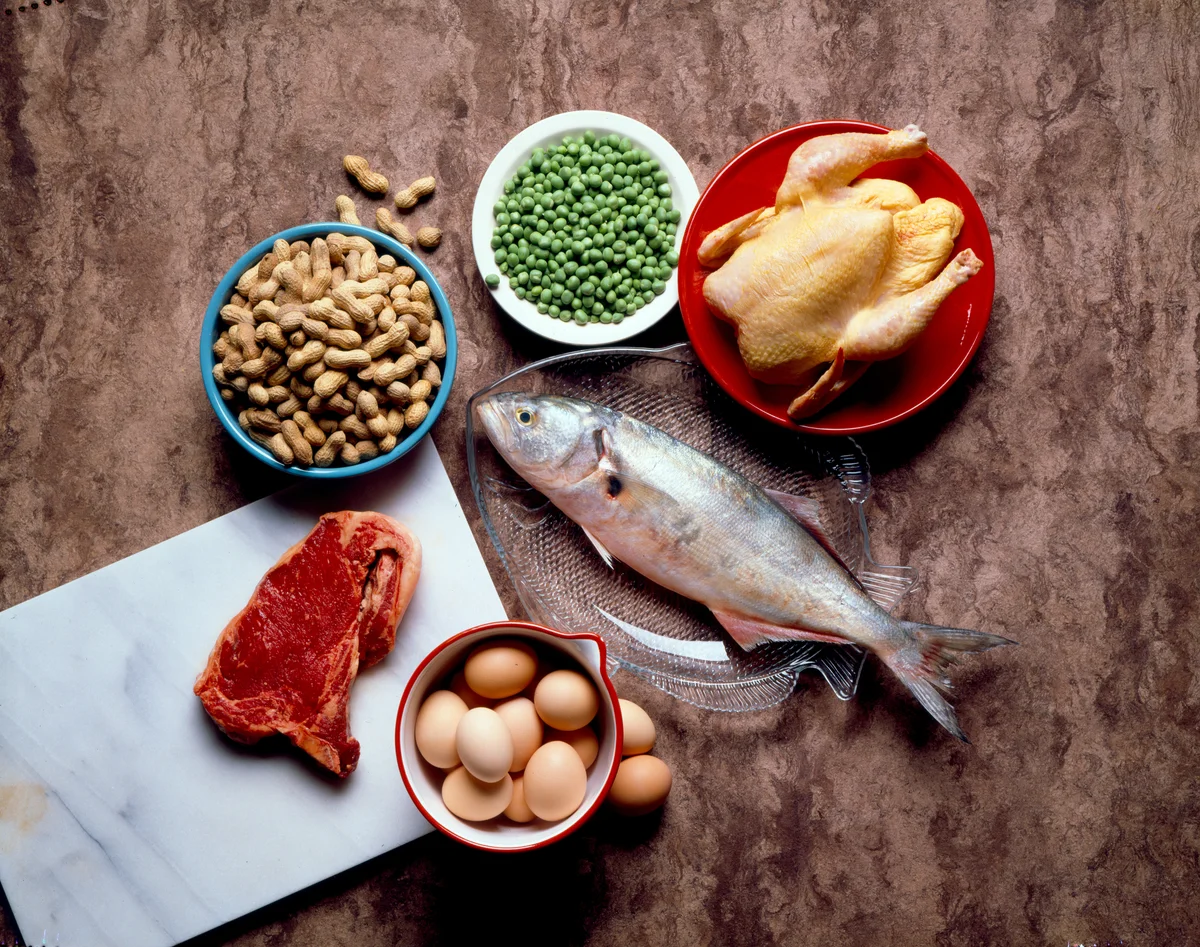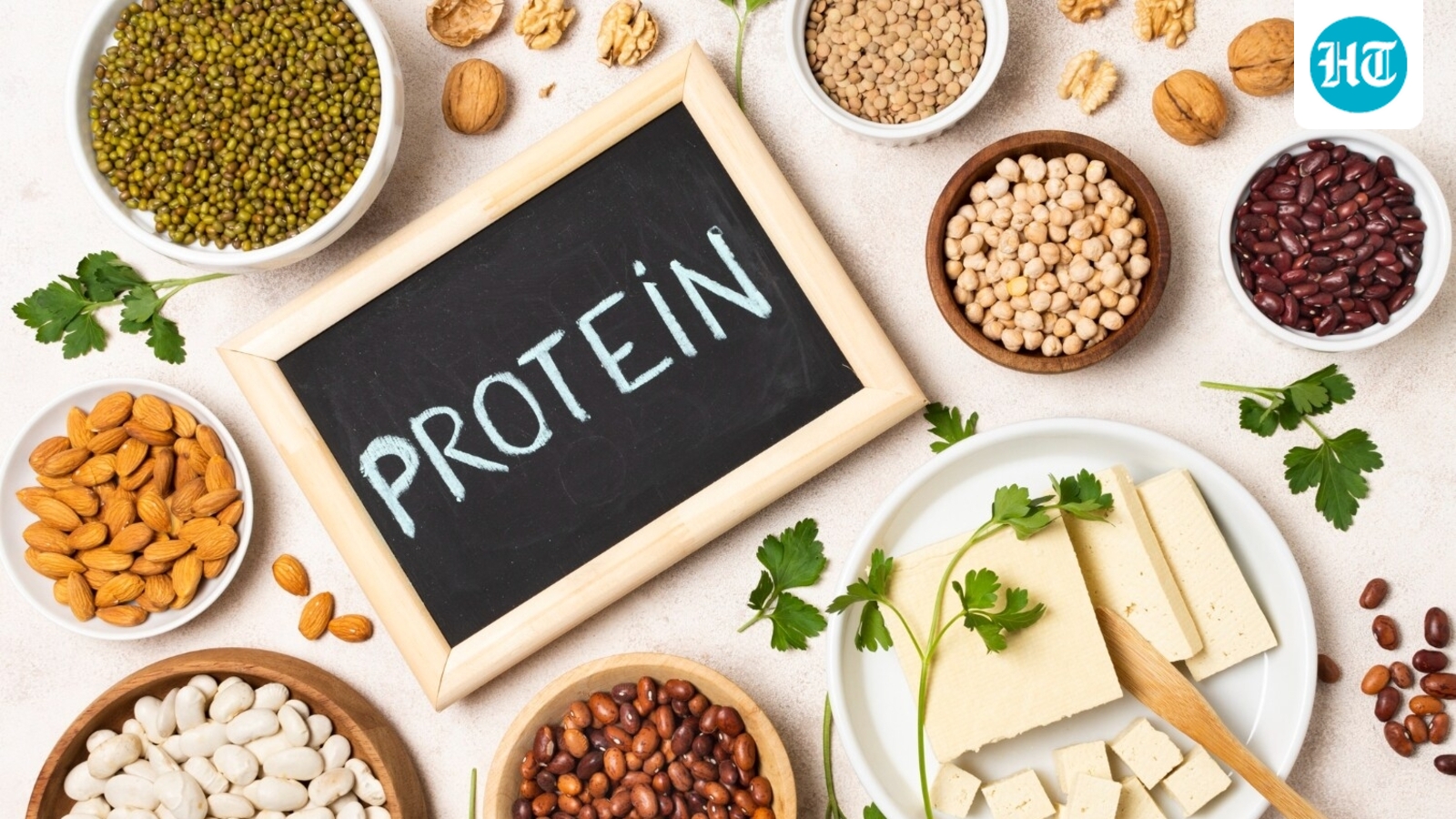
From protein powders to protein-packed cereal bars, "proteinmaxxing" — a trend in which people consume a high amount of protein — has become one of the biggest wellness trends of the decade. But as the world's population ages, new research suggests that eating less could be a smarter route to a longer, healthier life.
After analysing over 300 studies, researchers at the University of Wisconsin-Madison in the United States found that while official guidelines often suggest a high-protein diet, emerging evidence indicates that lowering protein can actually reduce age-related diseases, such as diabetes and cancer.
As the world’s population grows ever older, it is becoming increasingly imperative to identify interventions that can promote healthy ageing and reduce the burden of age-related disease.
“It's absolutely crystal clear that there are benefits of protein to muscle growth and exercise response of active individuals,” said Dudley Lamming, the study’s author, in a press release.
“But because most people are relatively sedentary, many people are likely consuming more protein than they actually need, which probably has negative health consequences,” he added.