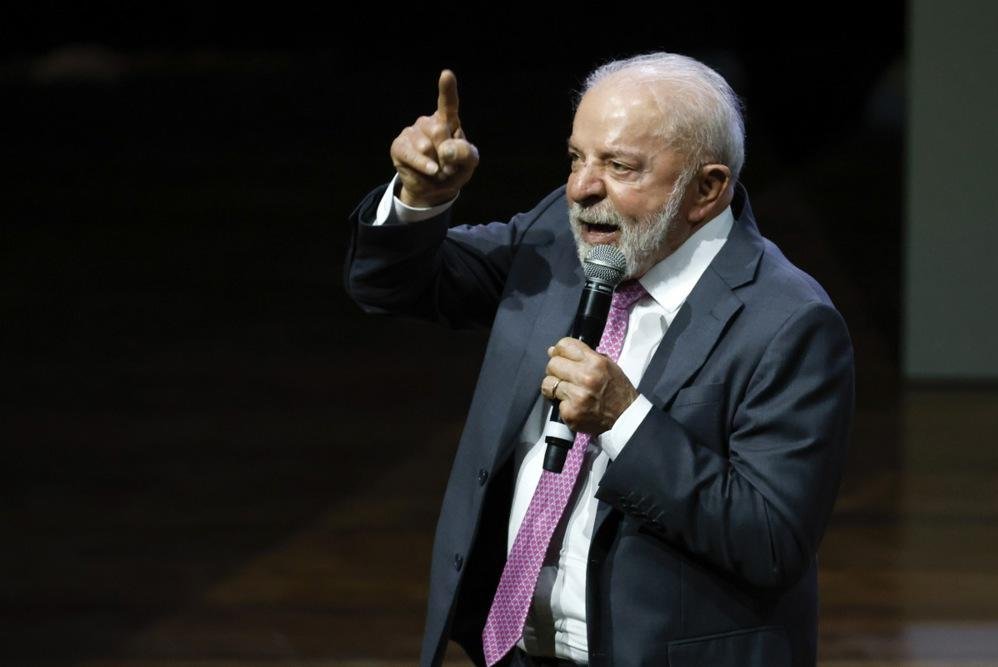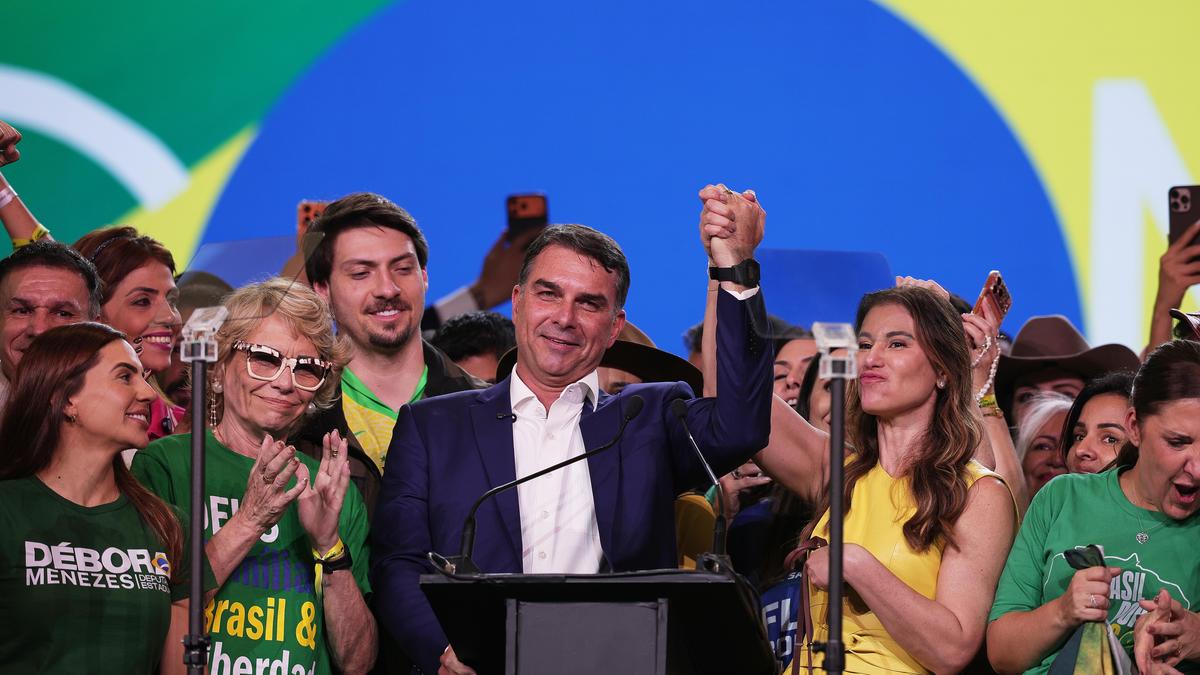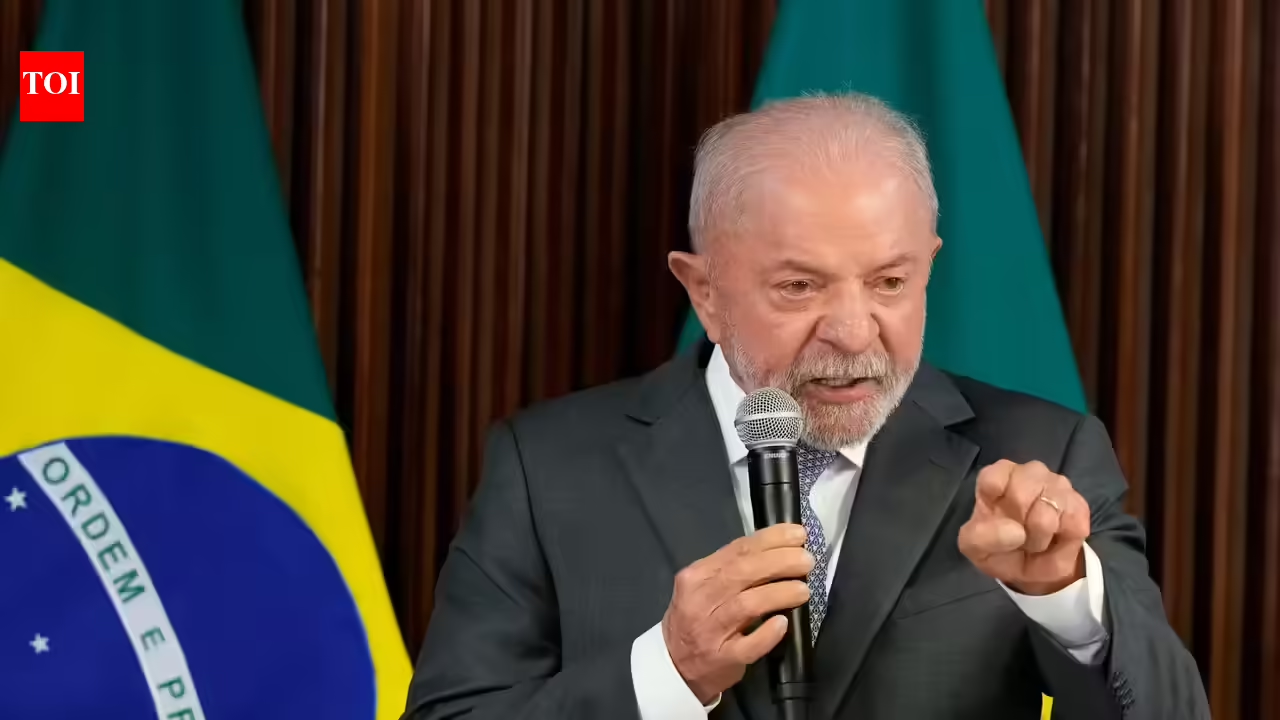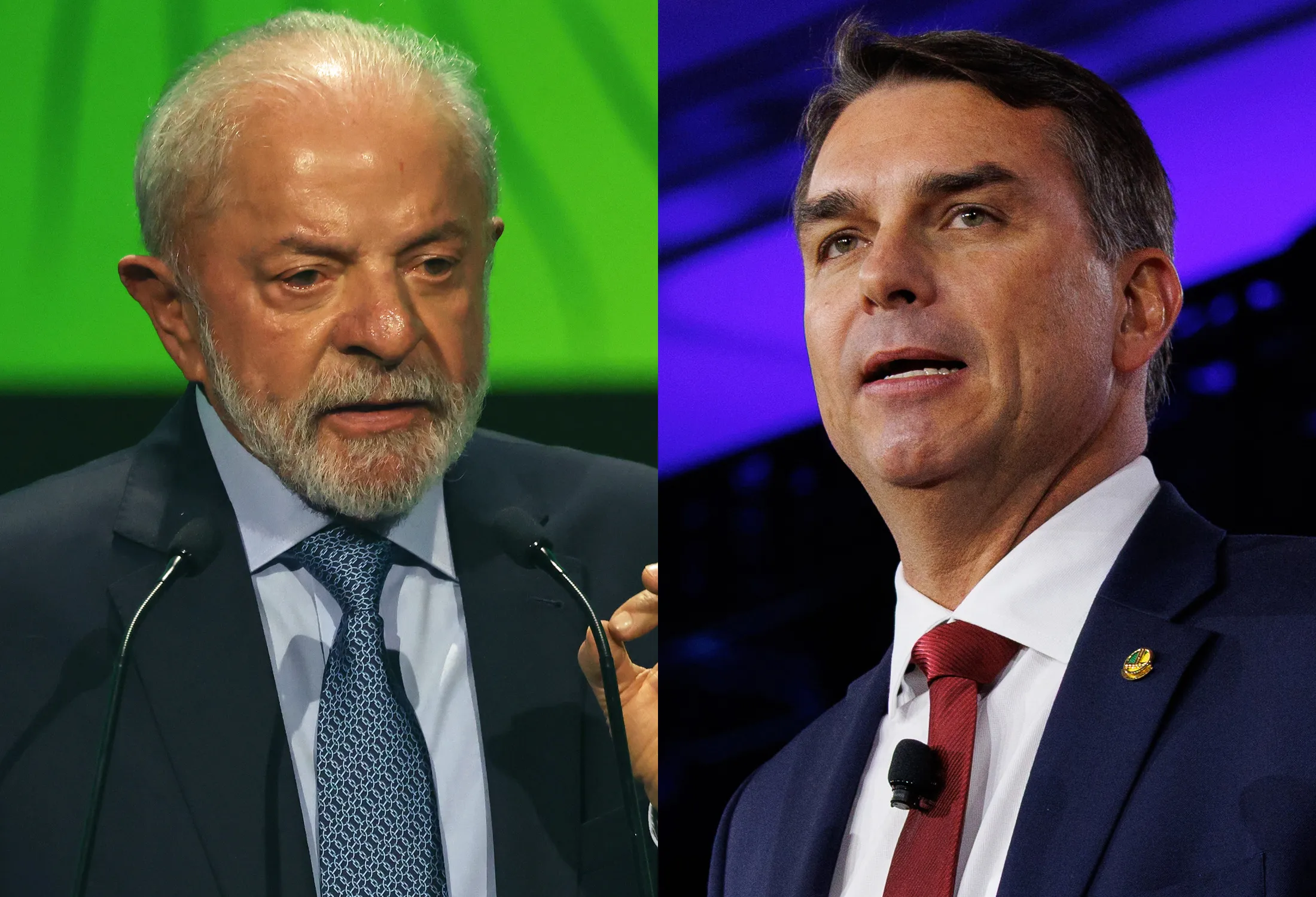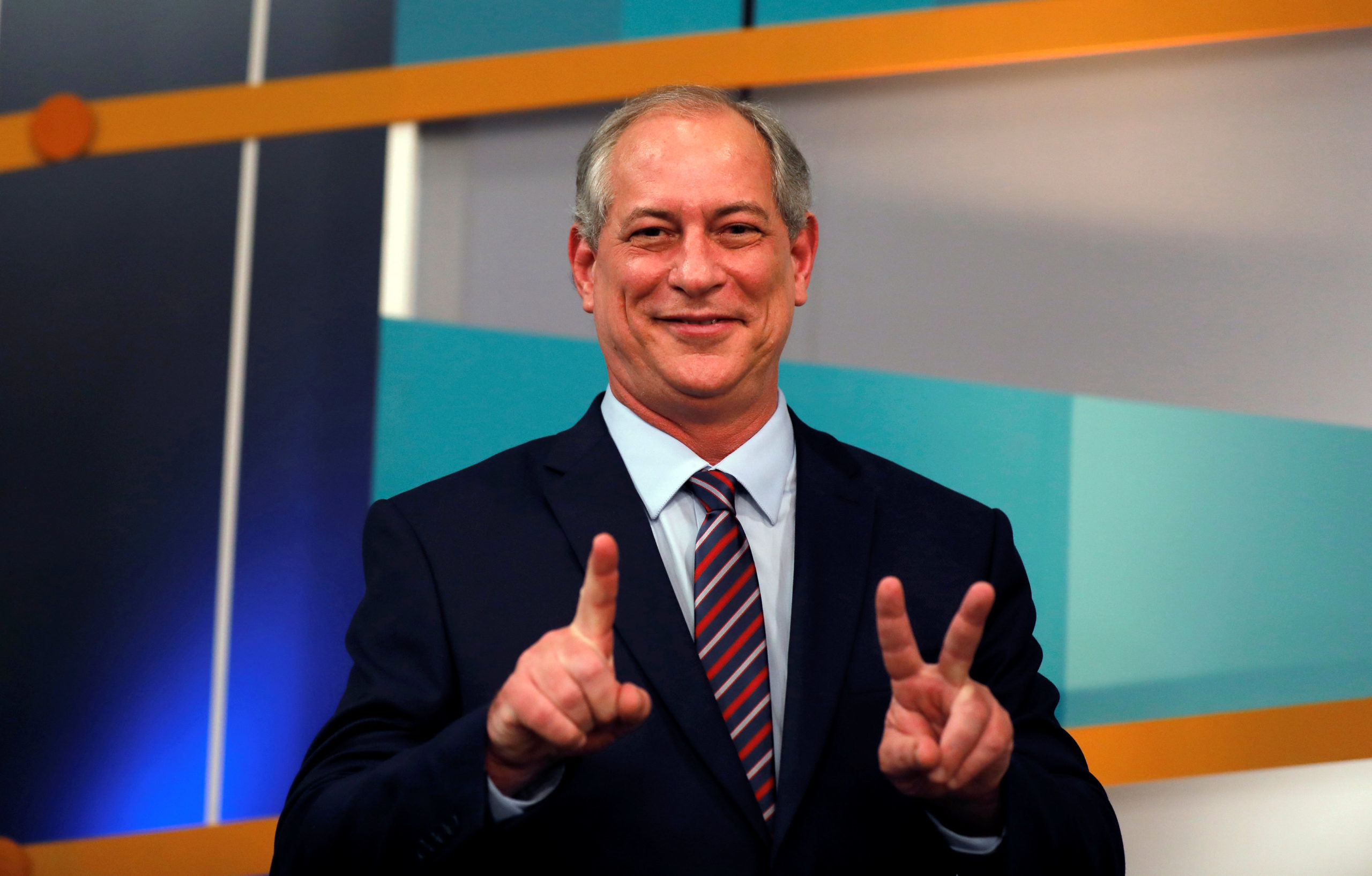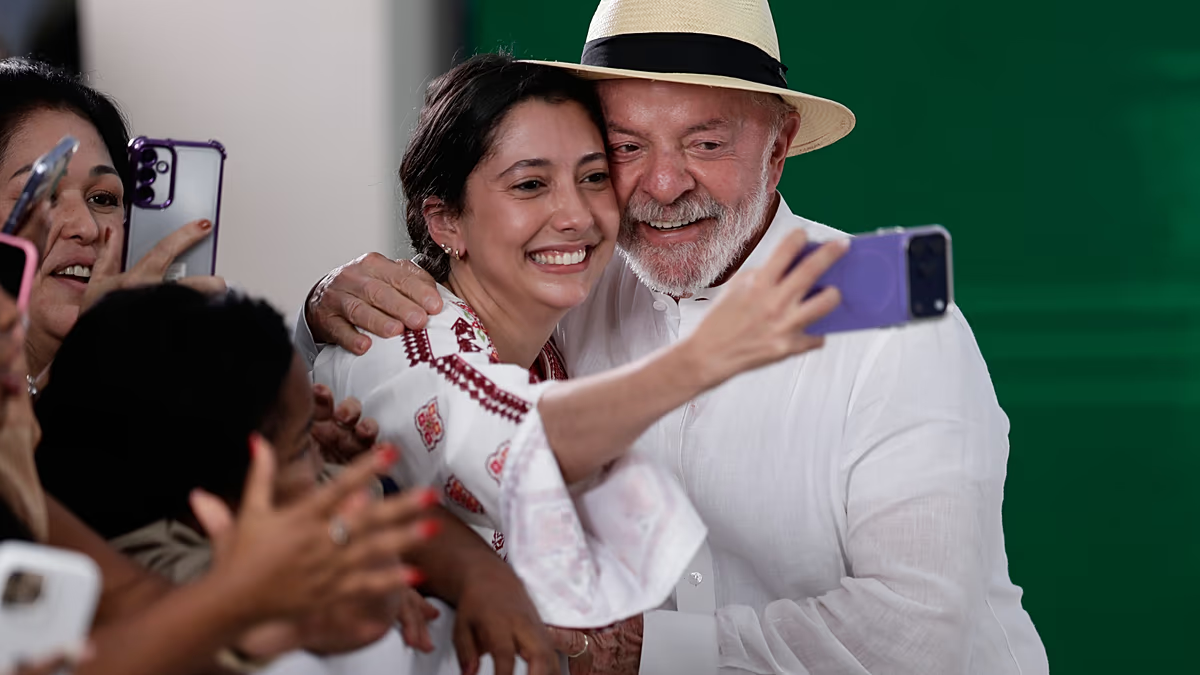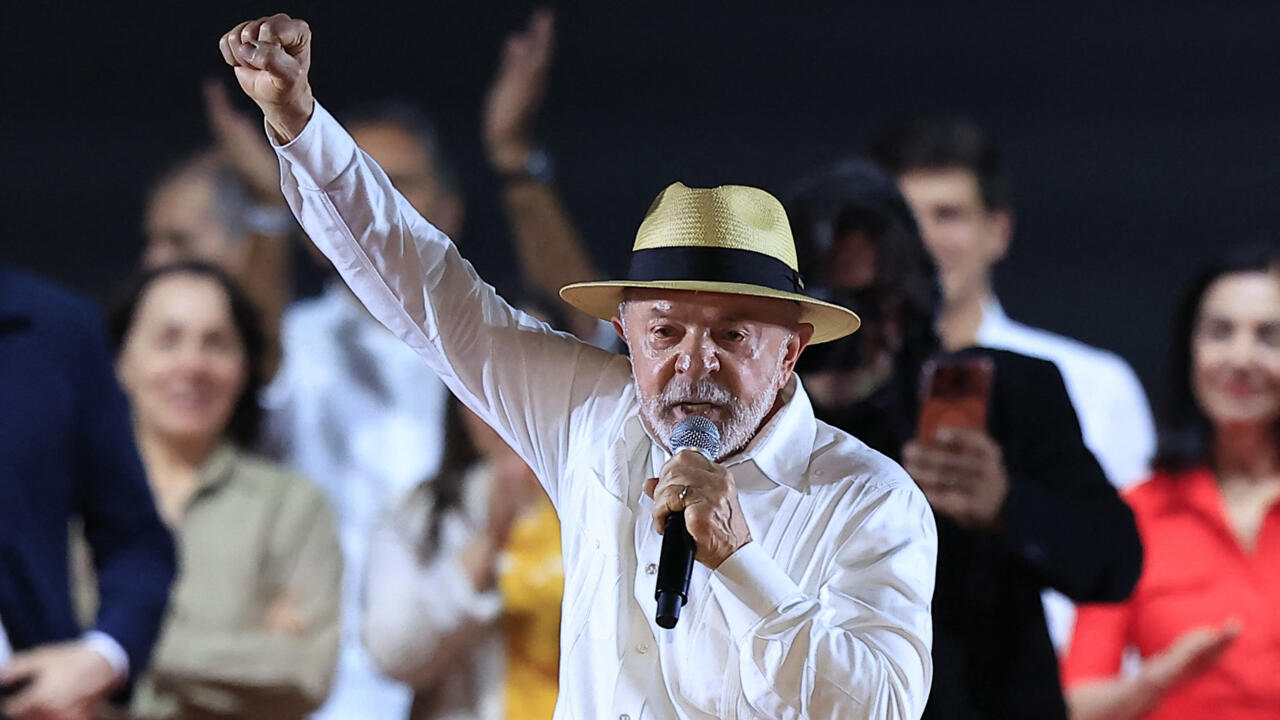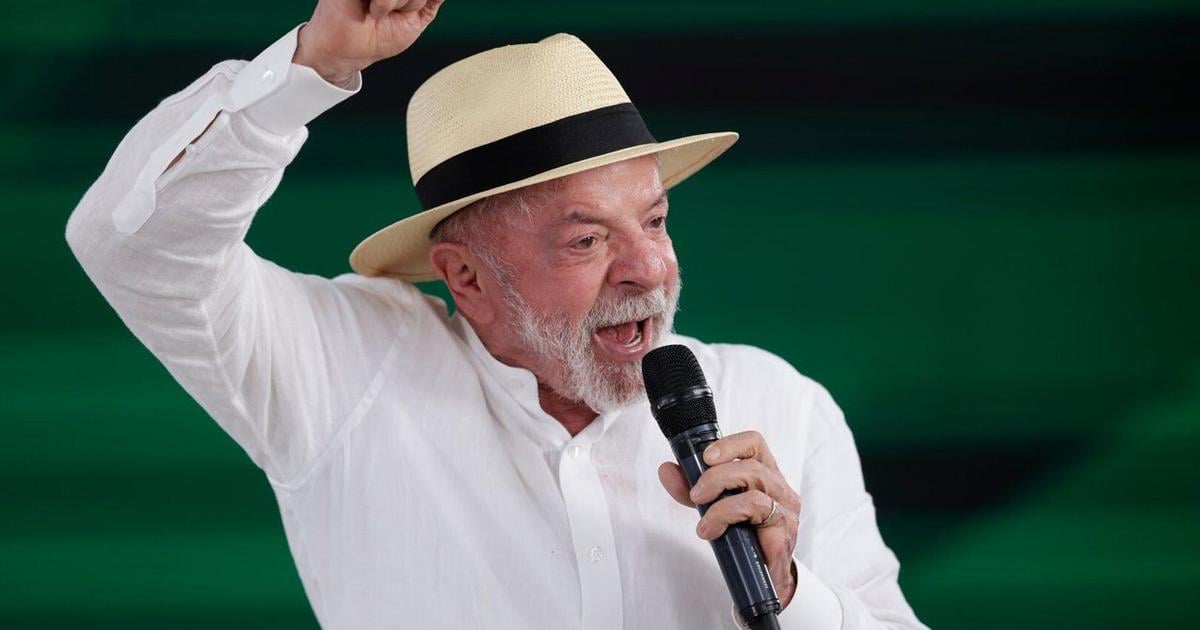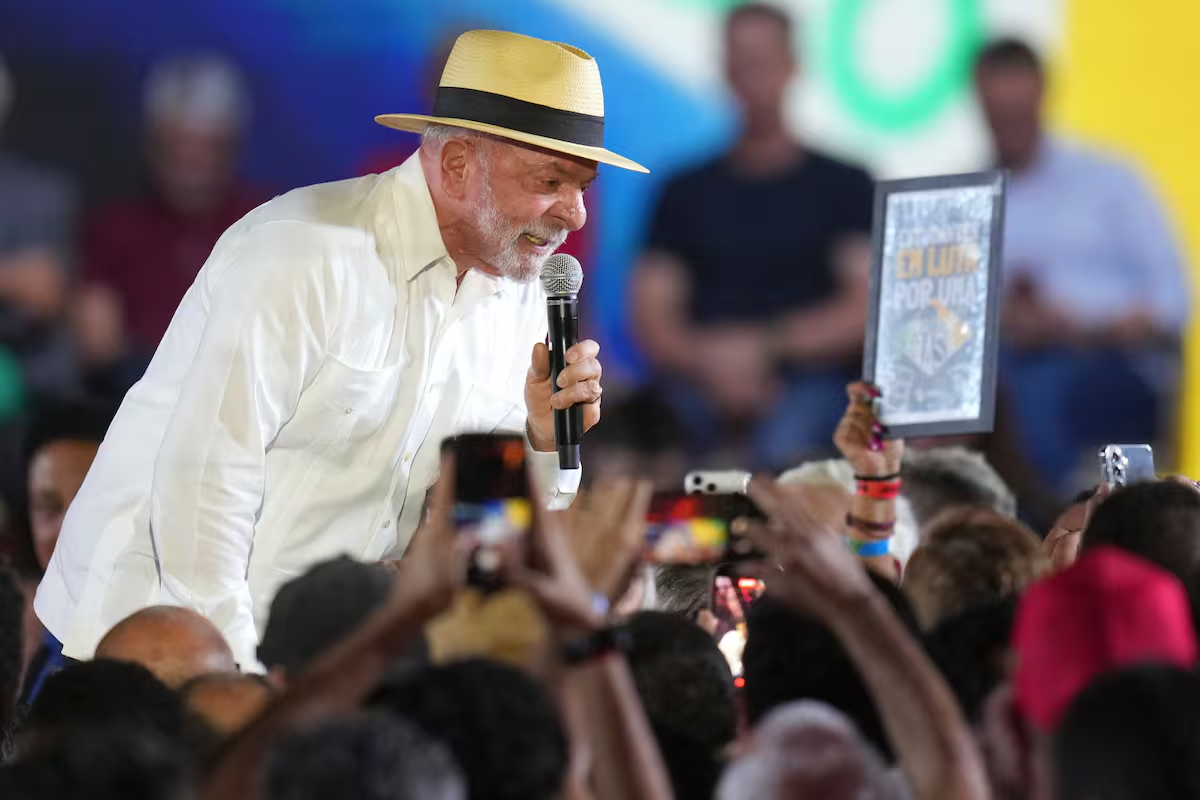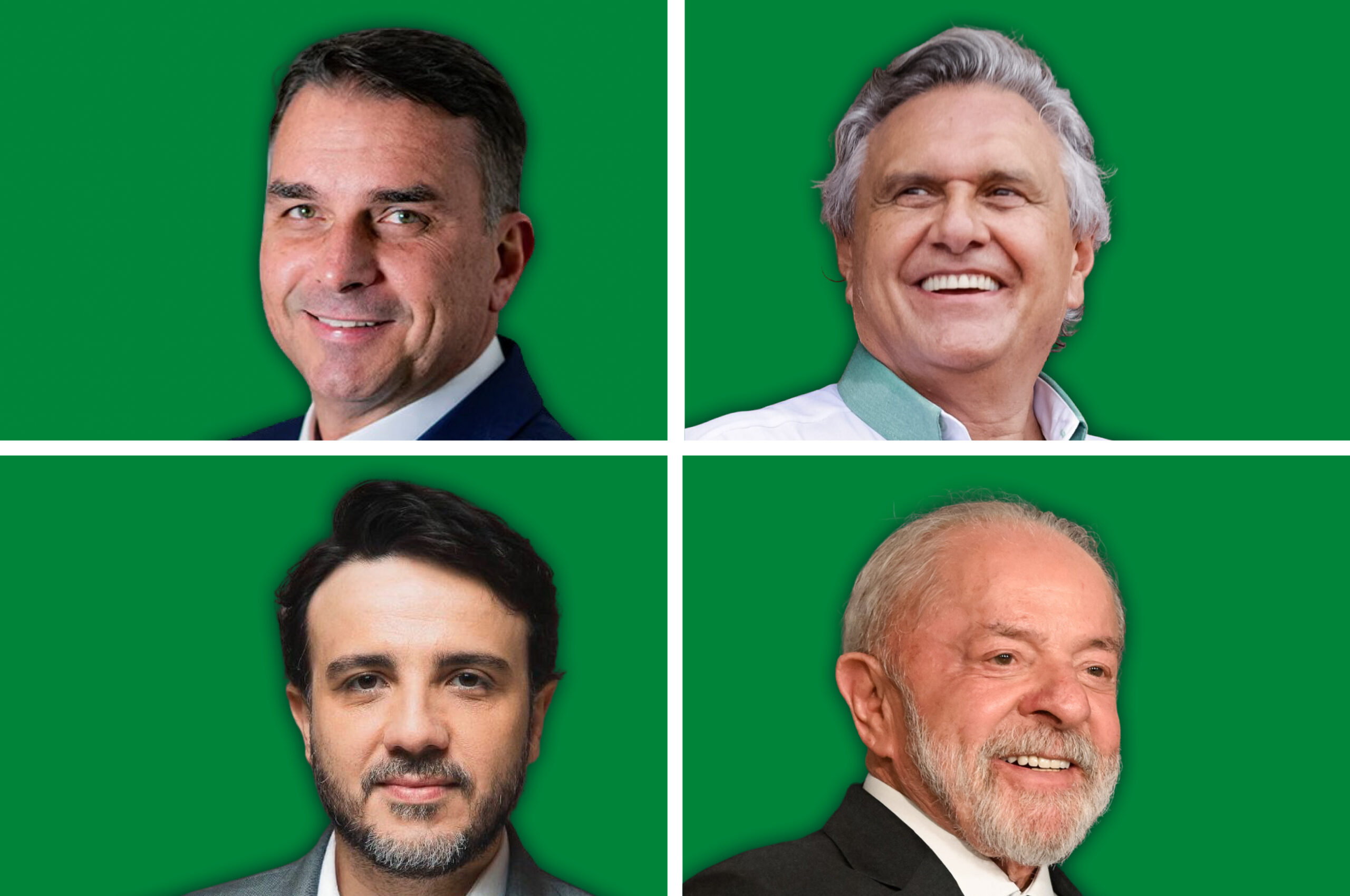
Reading Time: < 1 minuteBrazil’s presidential race has been dominated by two highly polarized candidates: President Luiz Inácio Lula da Silva, who is seeking a fourth term, and Senator Flávio Bolsonaro, a son of former President Jair Bolsonaro. Other right-wing contenders, including former Goiás governor Ronaldo Caiado and Missão party president Renan Santos, remain in the single digits in most polls.
Disputes over tariffs and terrorist designations against Brazilian gangs announced by the Trump administration have made the relationship with the United States a central campaign issue. Security, corruption, inflation and affordability are among voters’ top concerns.
On October 4, Brazilians will head to the polls to elect their next president and vice president, as well as governors, two-thirds of the Senate, the entire Chamber of Deputies, and more than 1,000 state assembly seats. In the presidential and gubernatorial races, if a candidate does not secure more than 50% of votes, a second round will be held on October 25.
Below, AQ covers the presidential candidates polling at 3% and above in a July survey by Genial/Quaest, listed in alphabetical order by last name. AQ asked a dozen nonpartisan experts on Brazil to help us identify where each candidate stands on two spectrums: left versus right on economic matters, and personalistic versus institutionalist on leadership style. The results are mapped on the charts below. We’ve published the average response, with a caveat: Platforms evolve, and so do candidates.