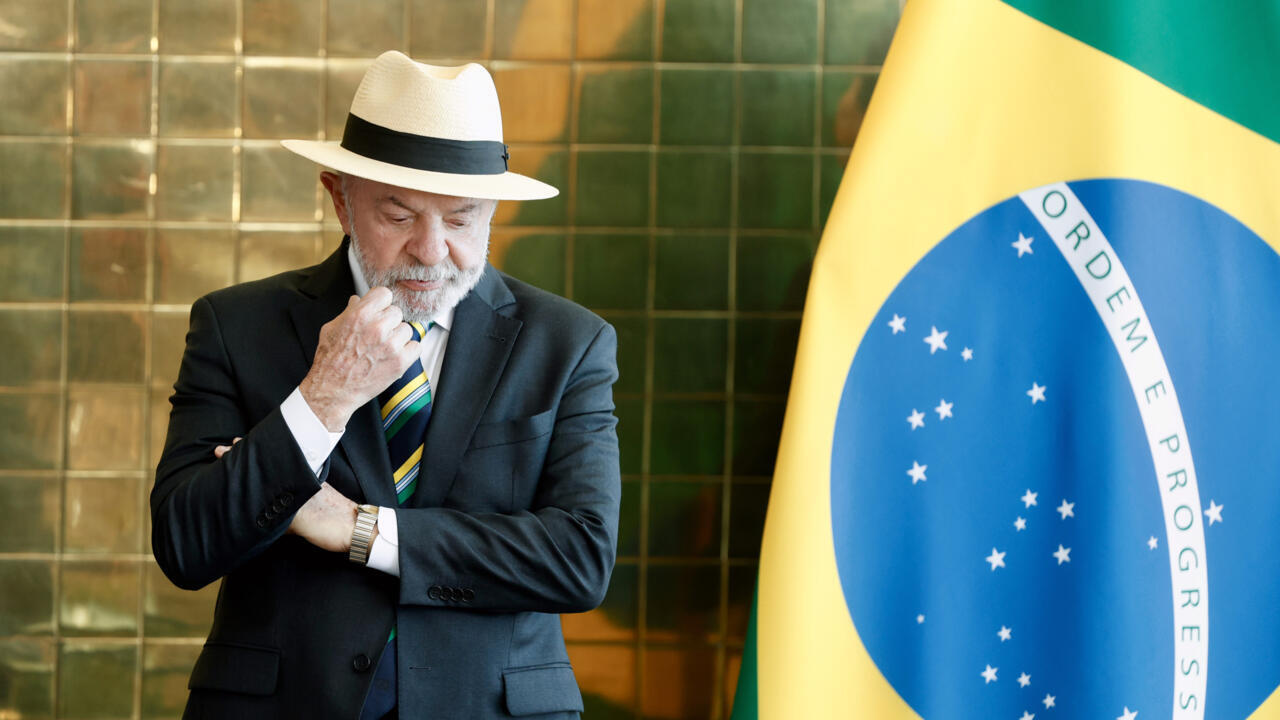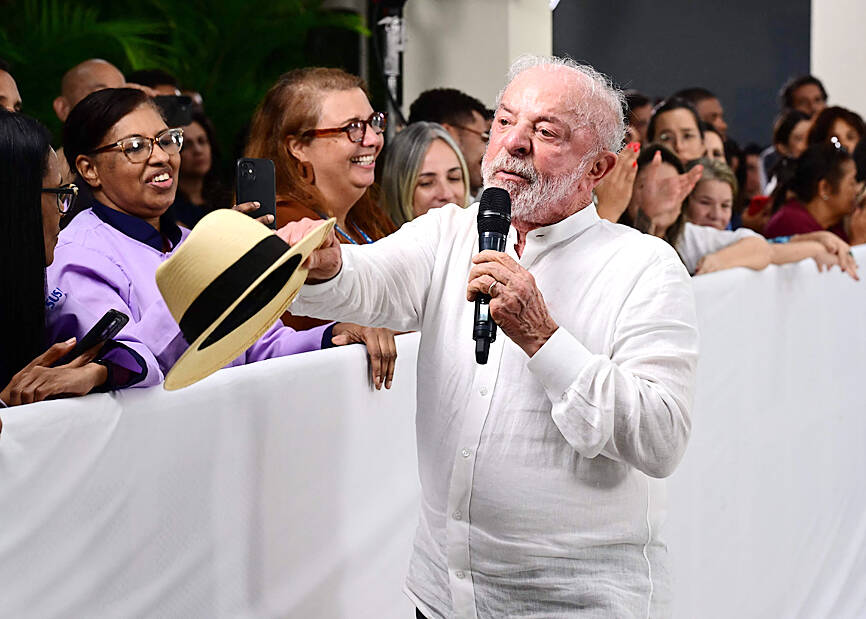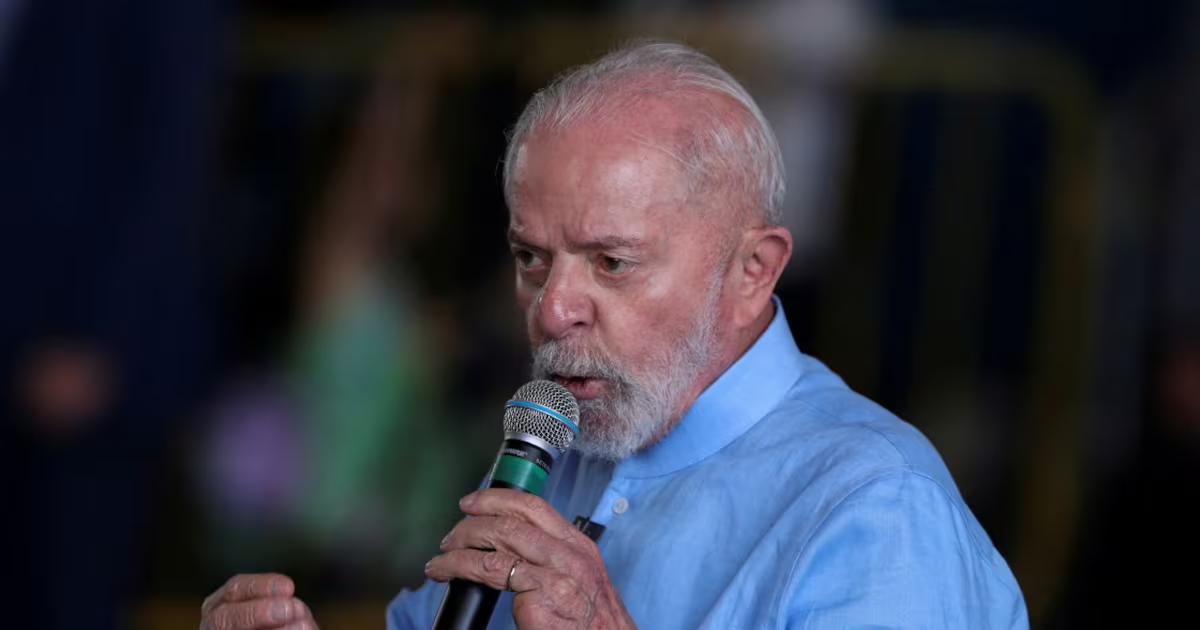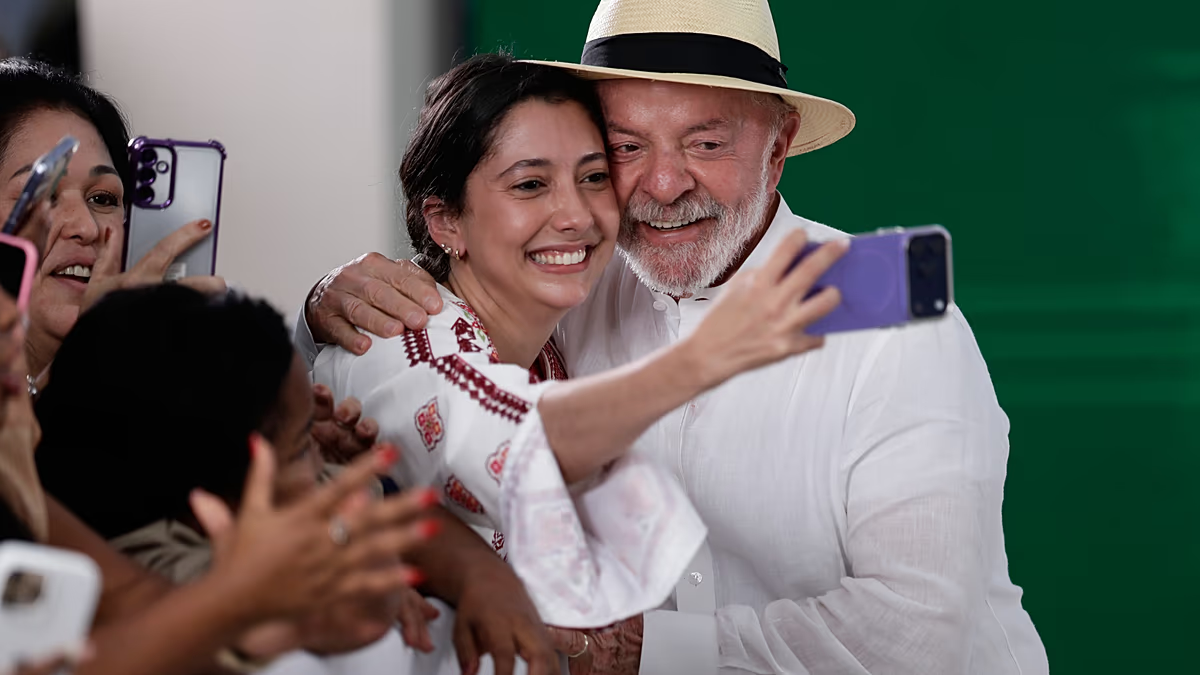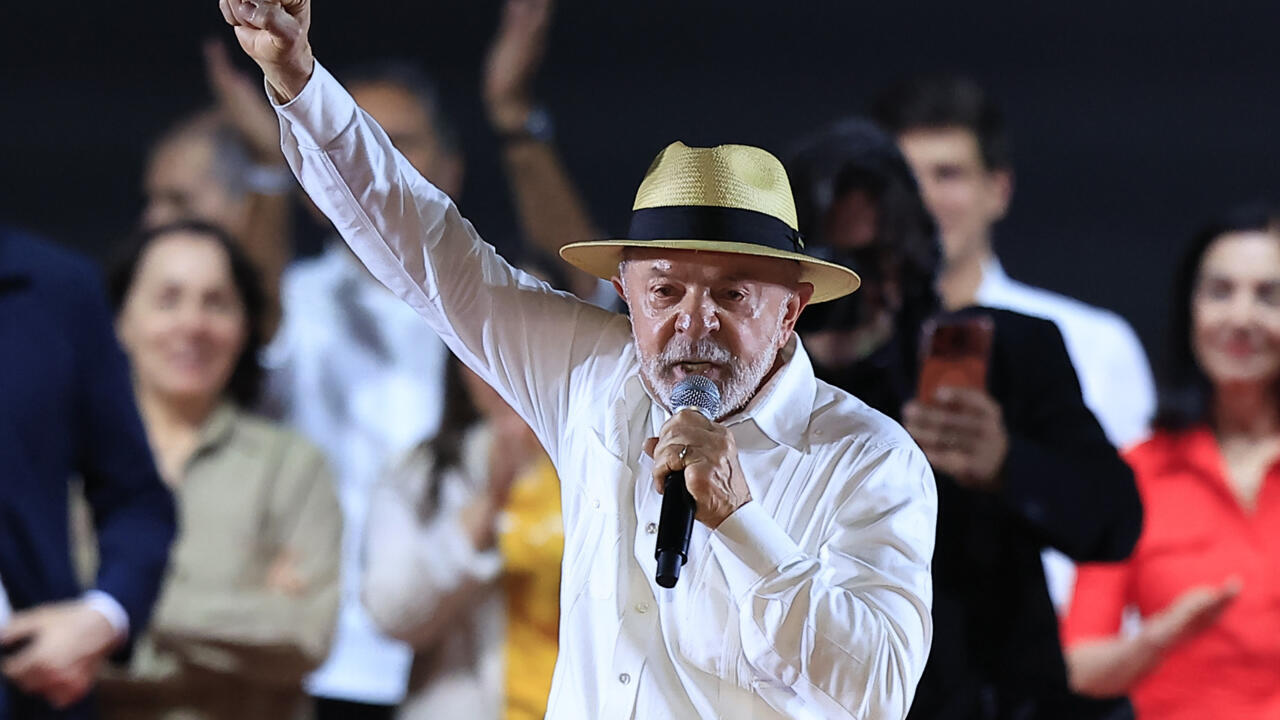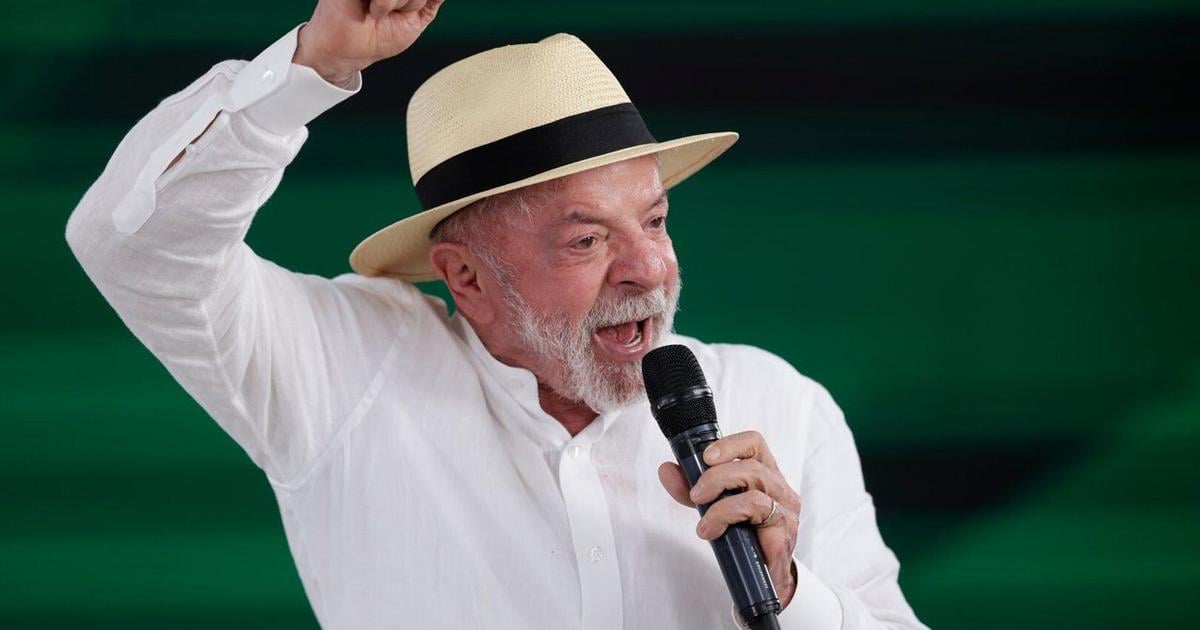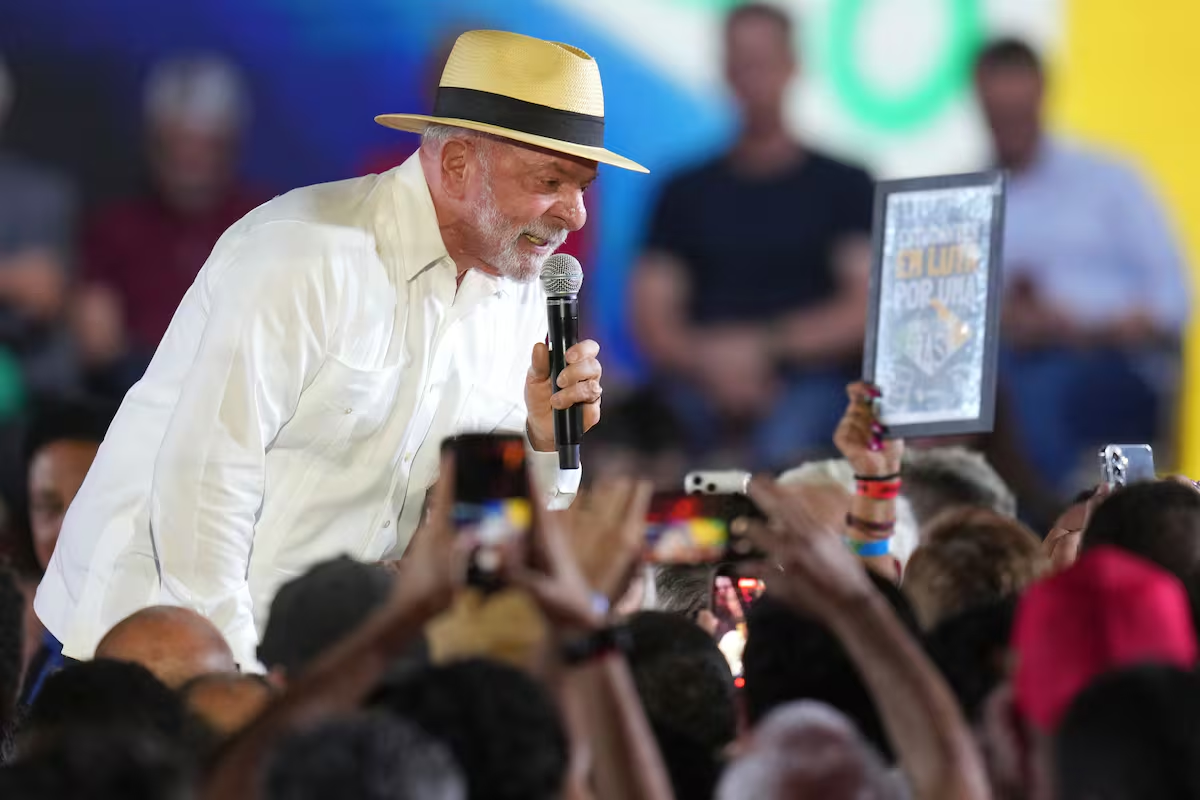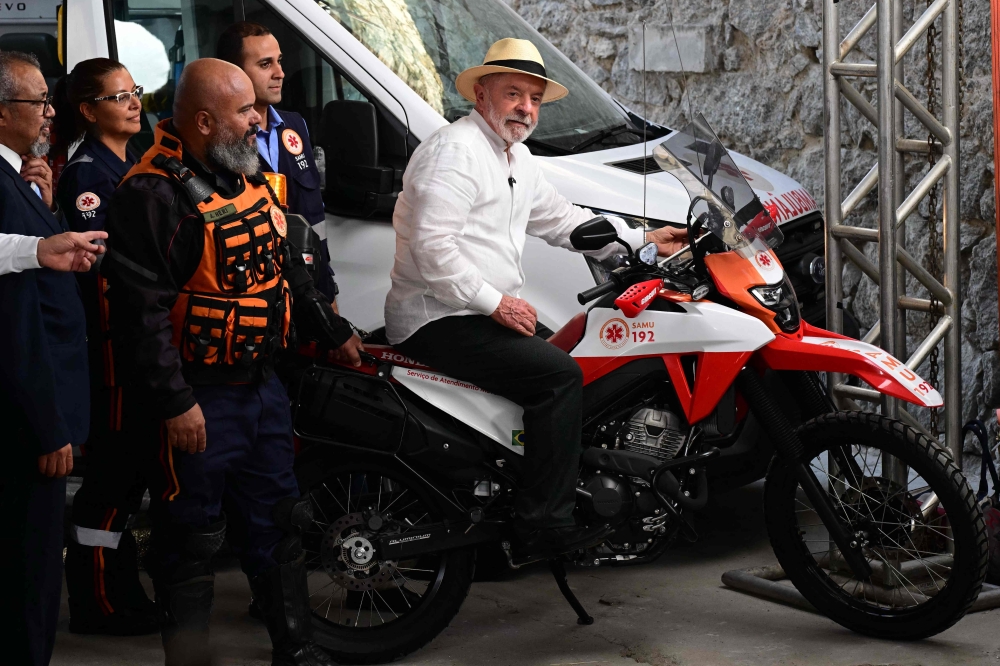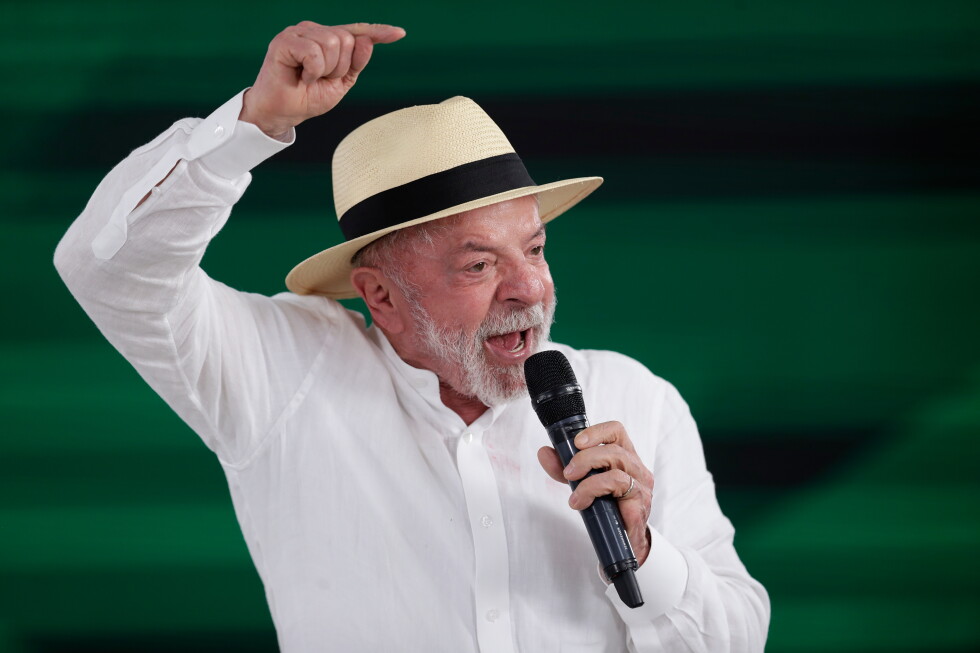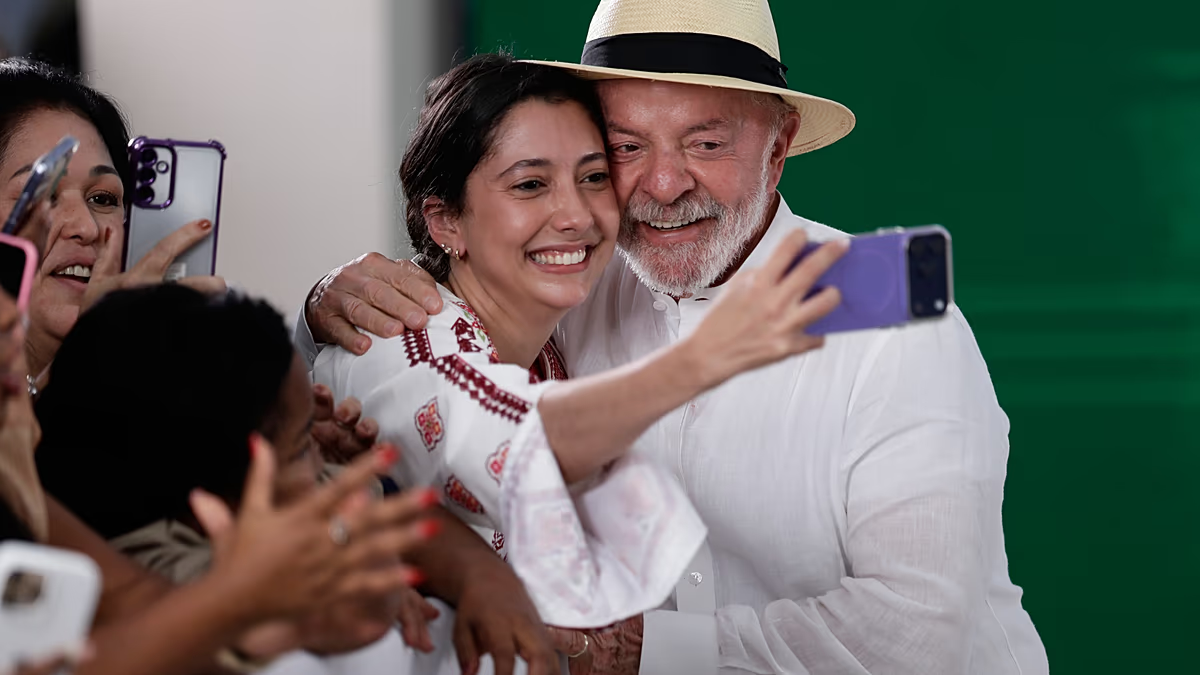
At 80, President Lula da Silva is once again running for the Brazilian presidency, presenting himself as a defender of the country's "sovereignty" at a time when external pressure exerted by the Trump administration, through the imposition of customs tariffs, is casting a shadow over the campaign.
Lula is one of the most influential left-wing leaders still in office in Latin America, where the right and far right have been steadily gaining ground in successive electoral cycles.
Silva is running for a fourth term in an election race that conveys a sense of déjà vu in a polarised country where the last elections pitted the left-wing candidate against the far-right Jair Bolsonaro.
In this October election, however, Lula da Silva's main opponent is Bolsonaro's eldest son, Flávio. The 45-year-old senator took on this role after his father was convicted over a coup attempt aimed at preventing Lula from taking office in 2023.
Although the campaign revolves around Lula da Silva, his party, the Workers' Party (PT), is standing in coalition with six political forces: PSB, PCdoB, PV, PDT, PSOL and Rede (source in Portuguese), repeating the winning ticket of 2022 with Geraldo Alckmin, of the PSB, as vice-president.