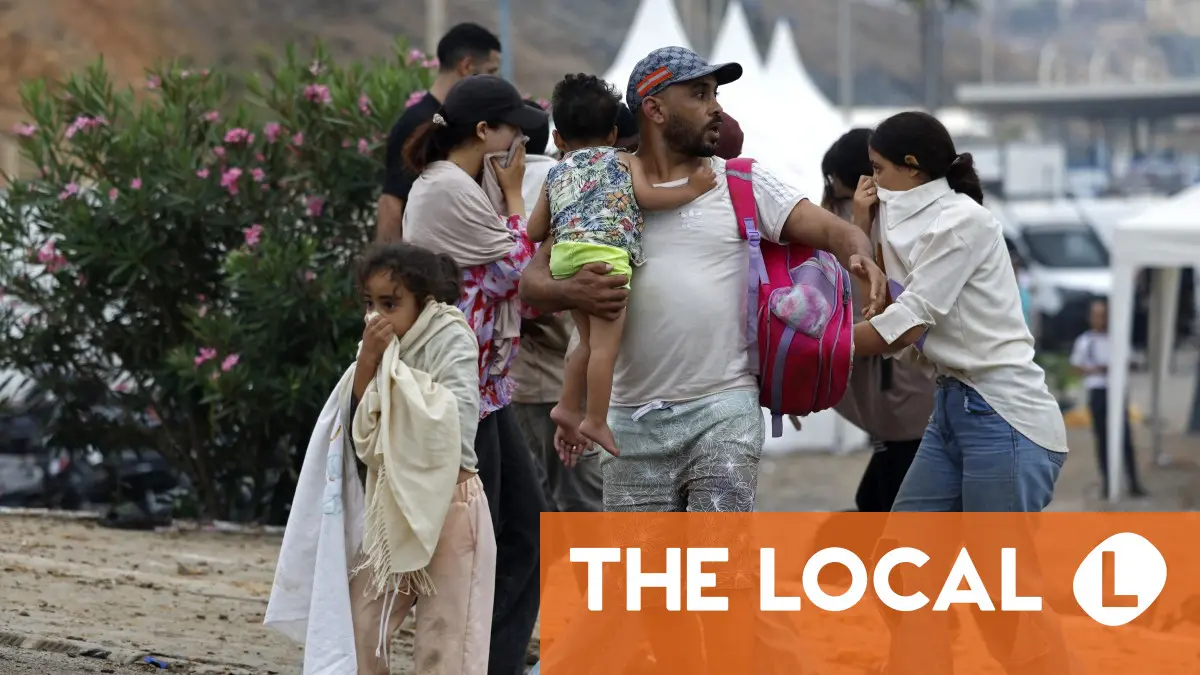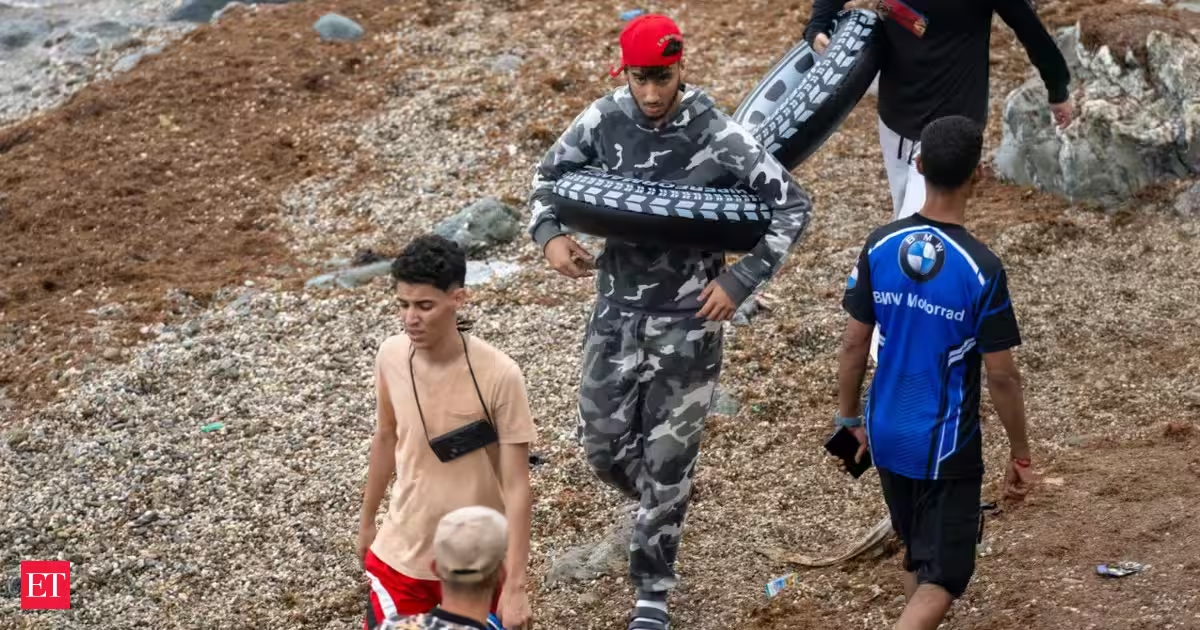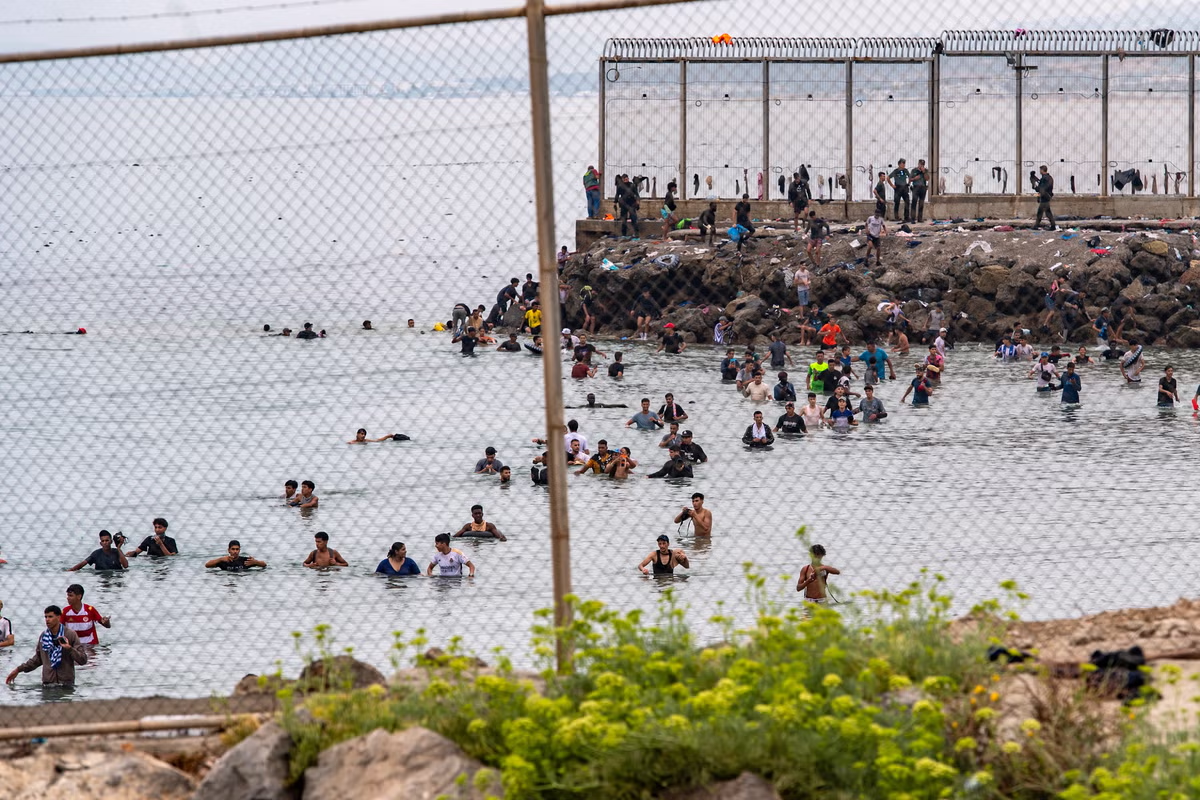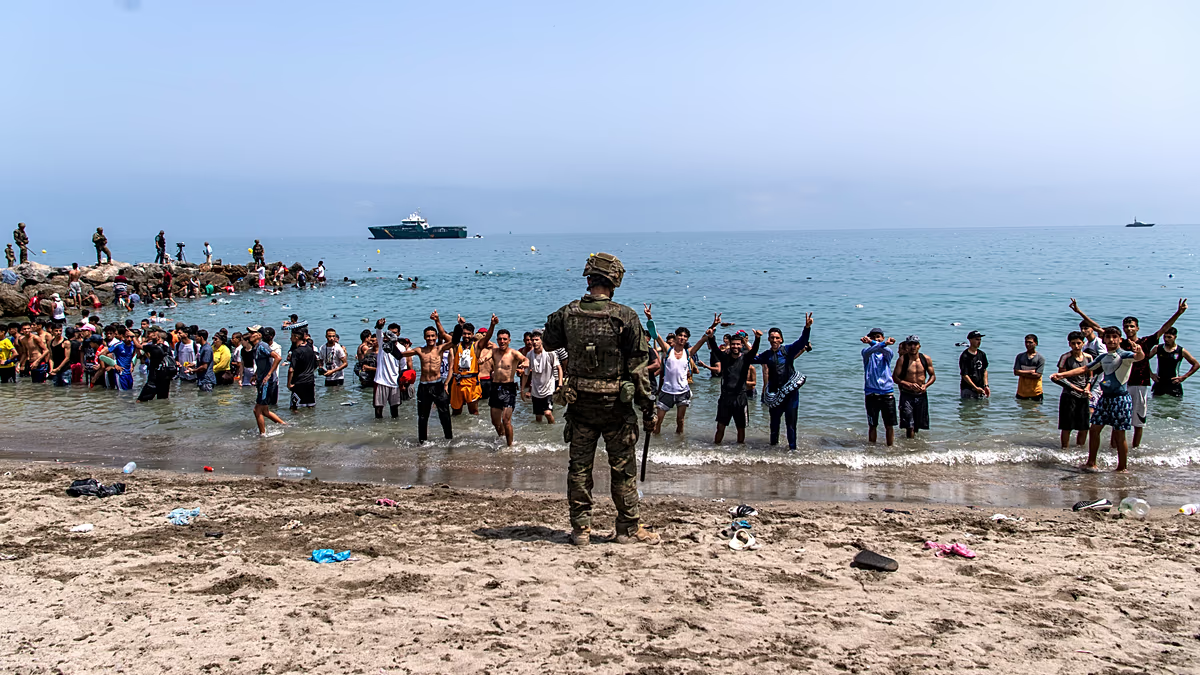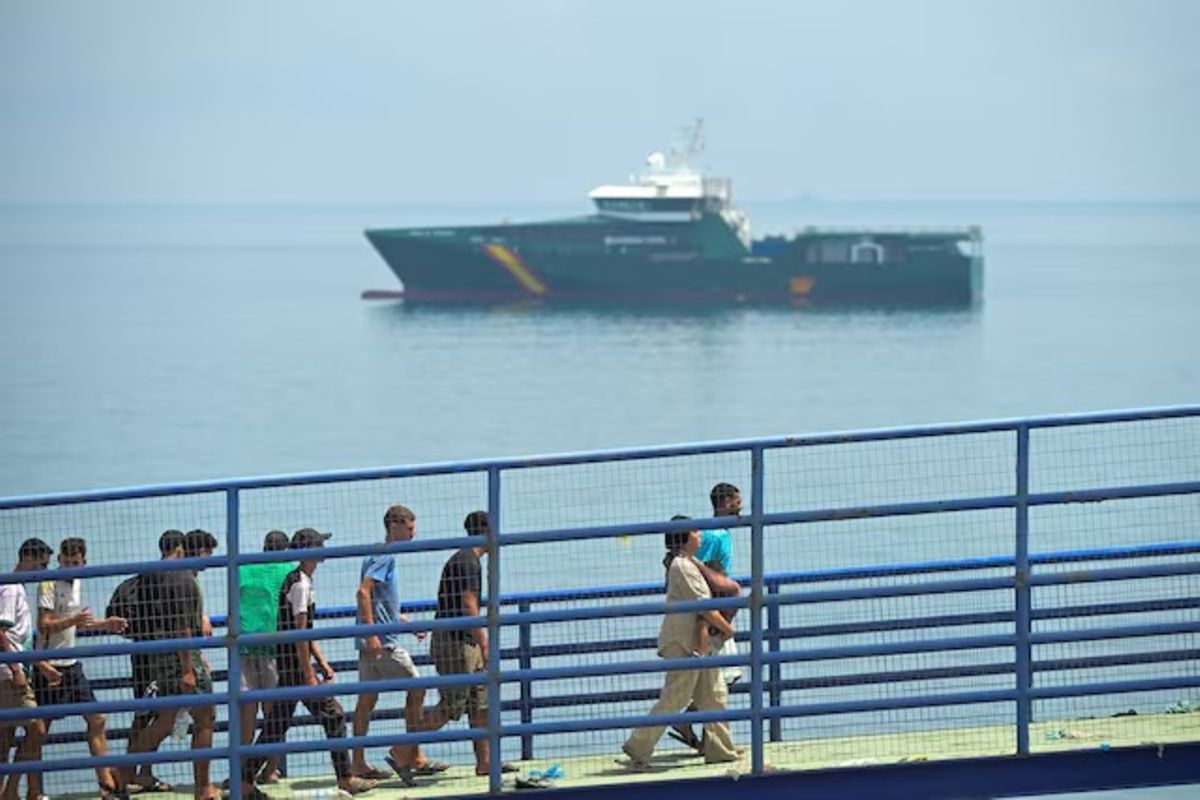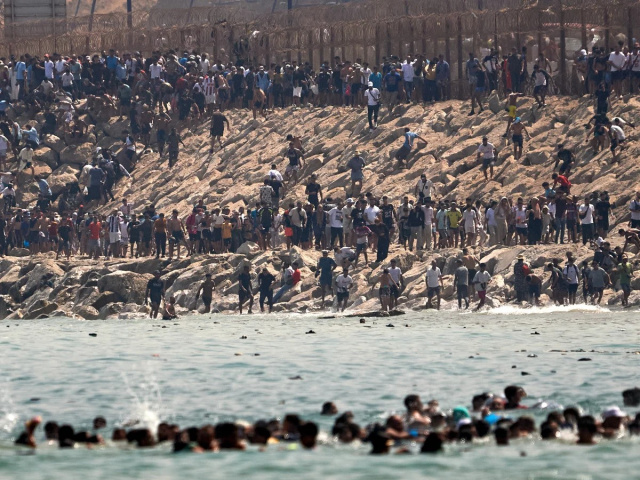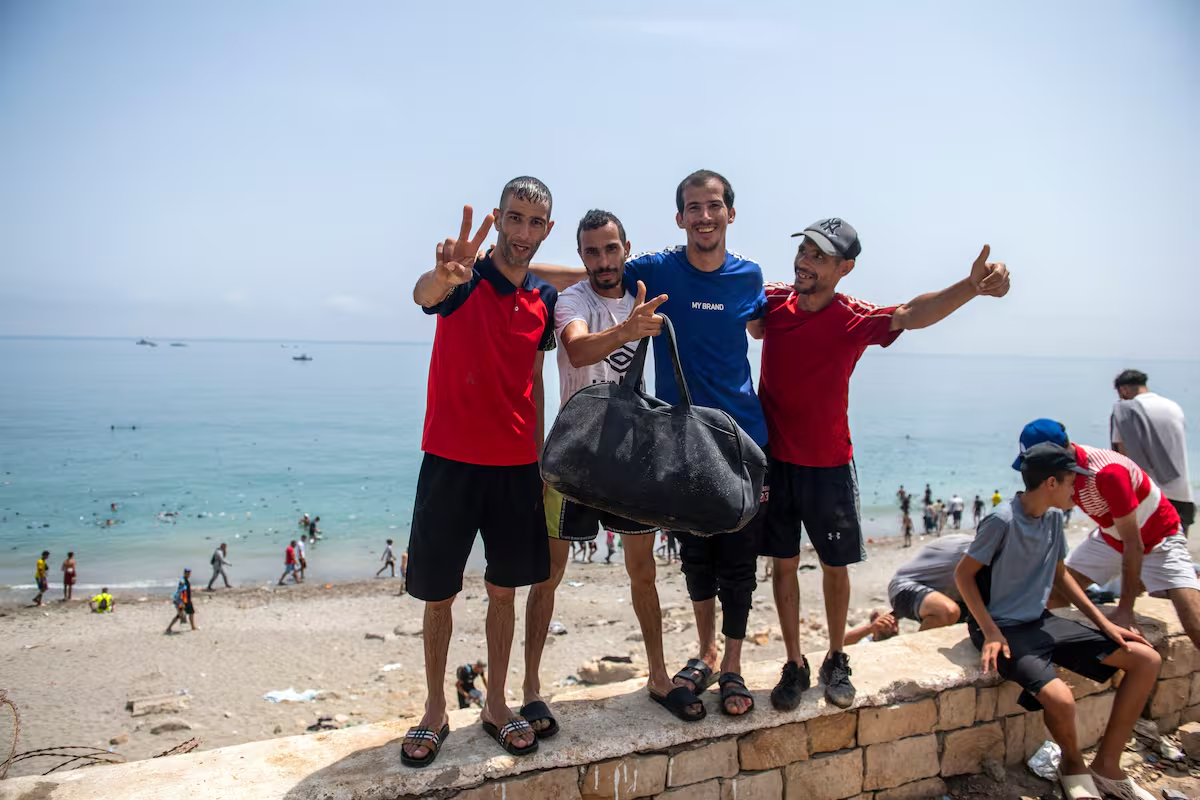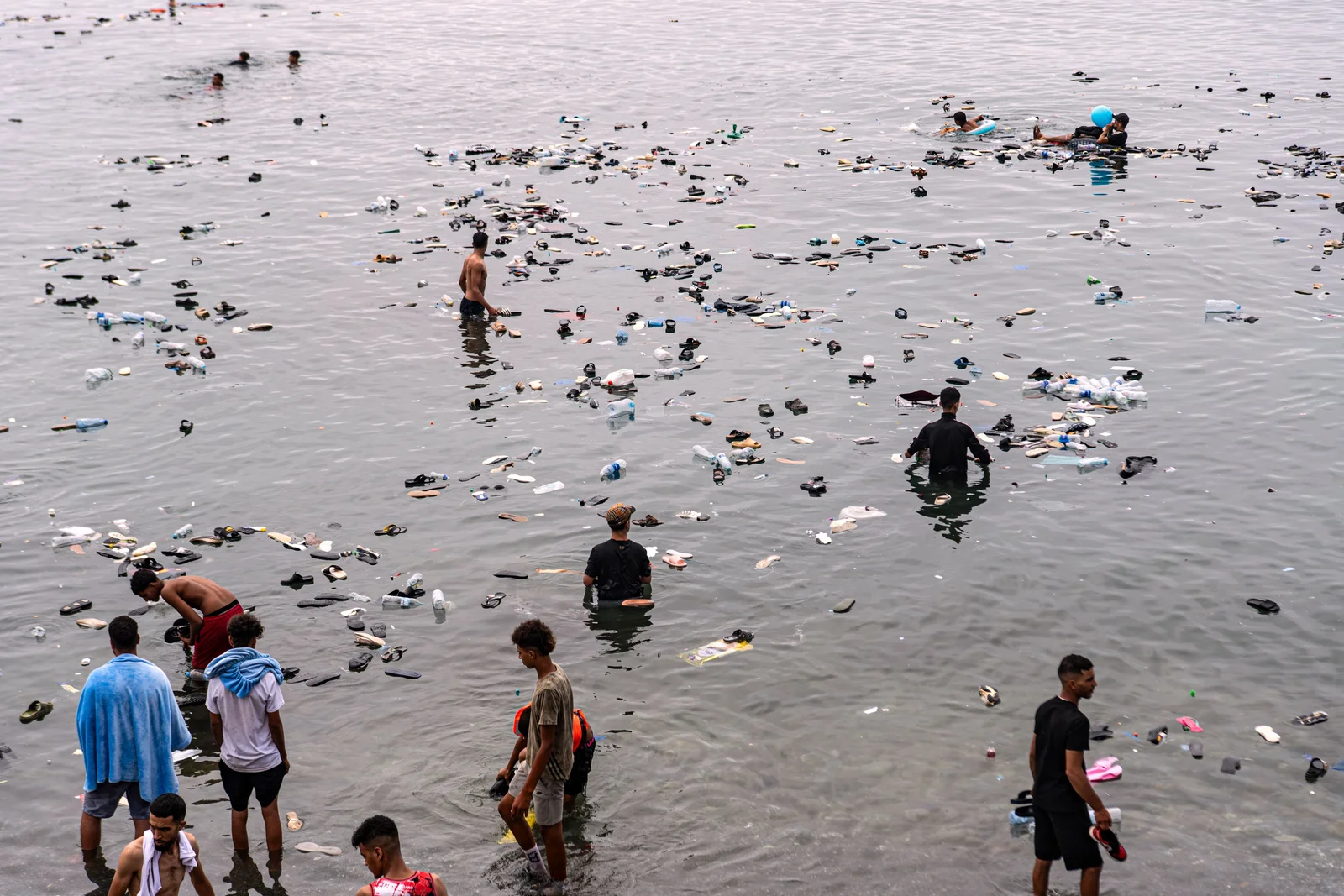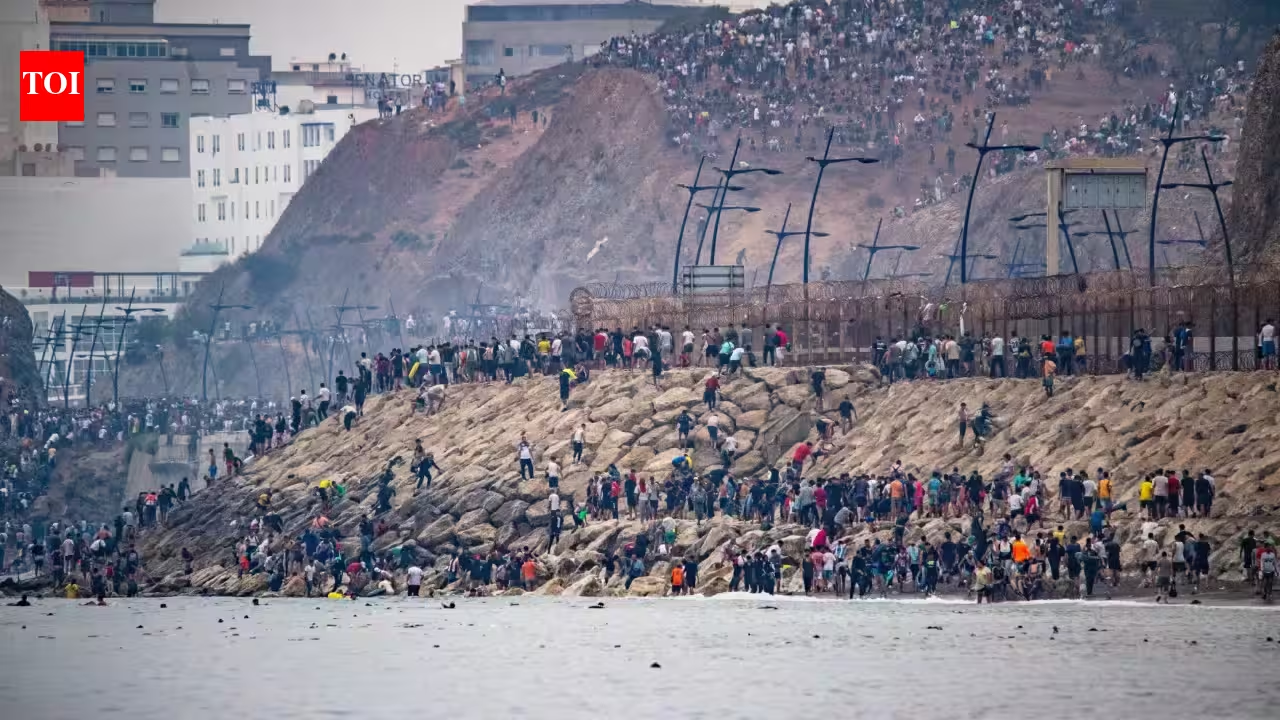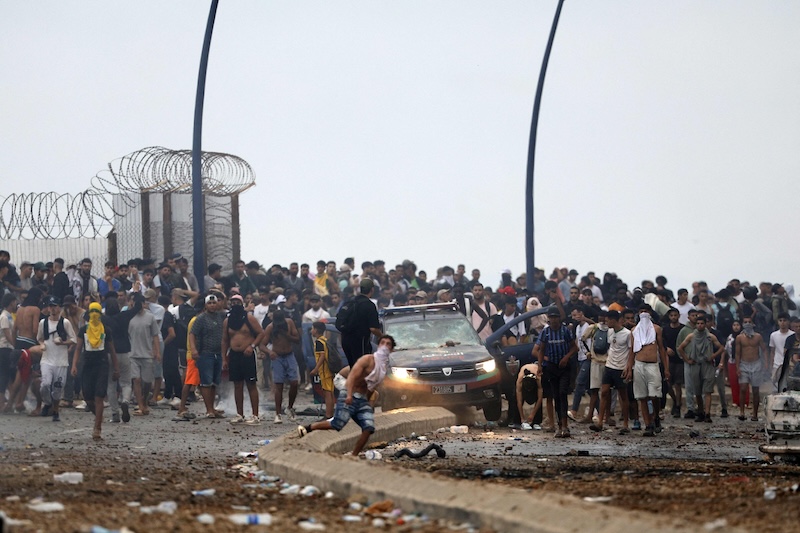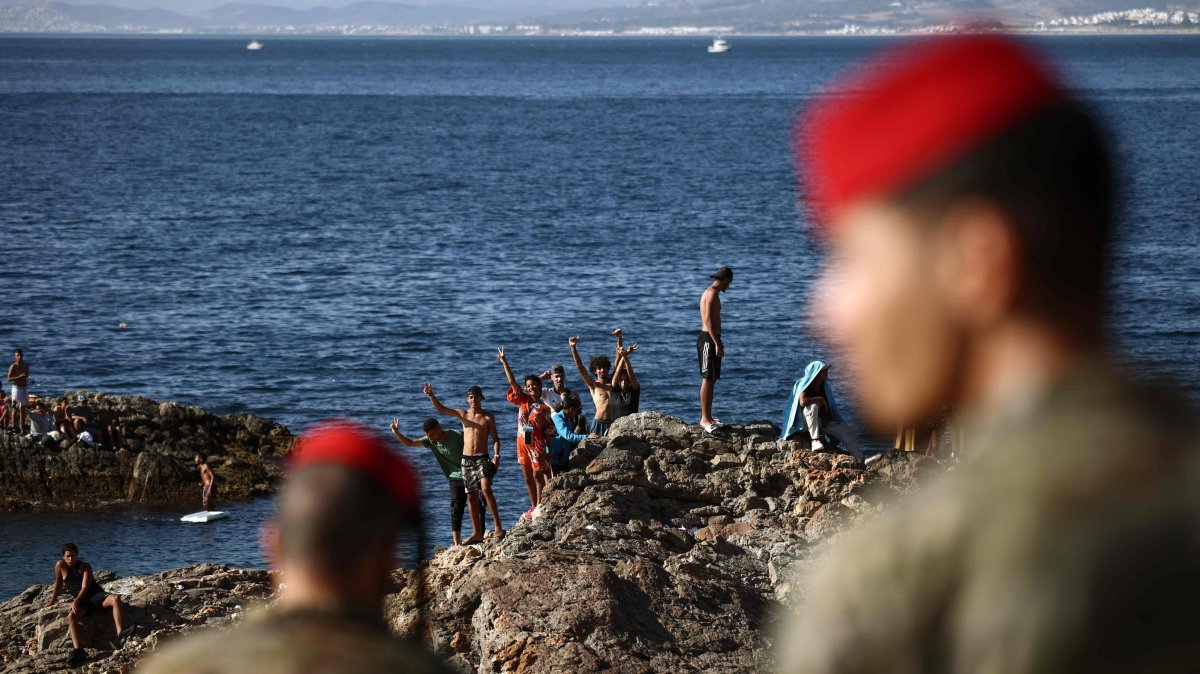
On the morning of July 30, the border separating Fnideq on Morocco’s northern coast from Spanish-administered Ceuta became effectively permeable within a matter of hours. More than 50,000 people entered the city, known in Morocco as Sebte, by land and sea. Ceuta’s president, Juan Jesús Vivas, said the total may have approached 60,000.
Many crossed by swimming around the Tarajal breakwater, walking through shallow waters or exploiting gaps in the land barrier. By Aug. 2, the confirmed death toll on the Spanish side had reached at least 72, while medical teams had treated more than 1,000 people. Madrid responded with police and military reinforcements, while Rabat increased its security presence to disperse the crowd gathered around Fnideq.
More than 48,000 of those who crossed returned to Morocco within two days. A movement on this scale cannot be explained by a single court ruling or one diplomatic calculation. In Ceuta, legal uncertainty, mounting social pressure, rapidly circulating images and a management vacuum during the first hours converged to produce the crisis.
Rumors crossed border first
The immediate factor accelerating the movement was a ruling issued by Spain’s Supreme Court at the end of June. The court held that people attempting to reach Ceuta or Melilla by swimming could not be immediately turned back under the special “border rejection” procedure applied at the land fences. The ordinary return procedure remained available. It nevertheless required safeguards including identity verification, access to a lawyer and interpreter, examination of protection requests and a reasoned decision.