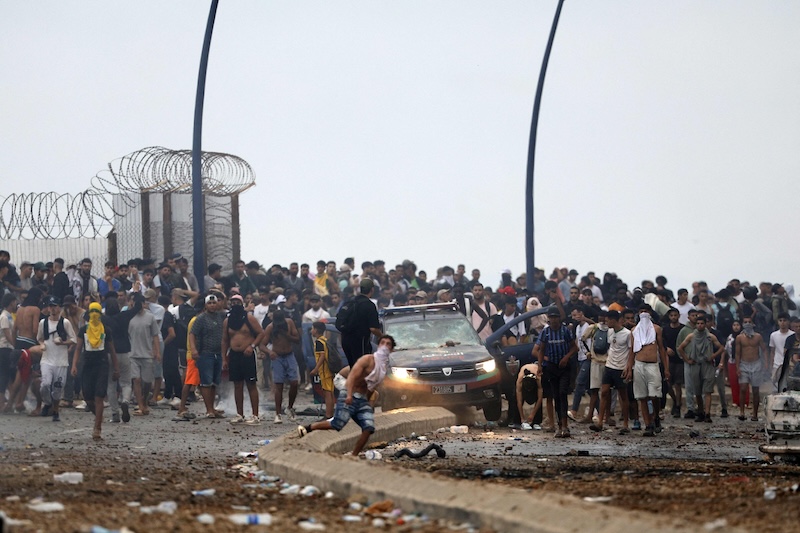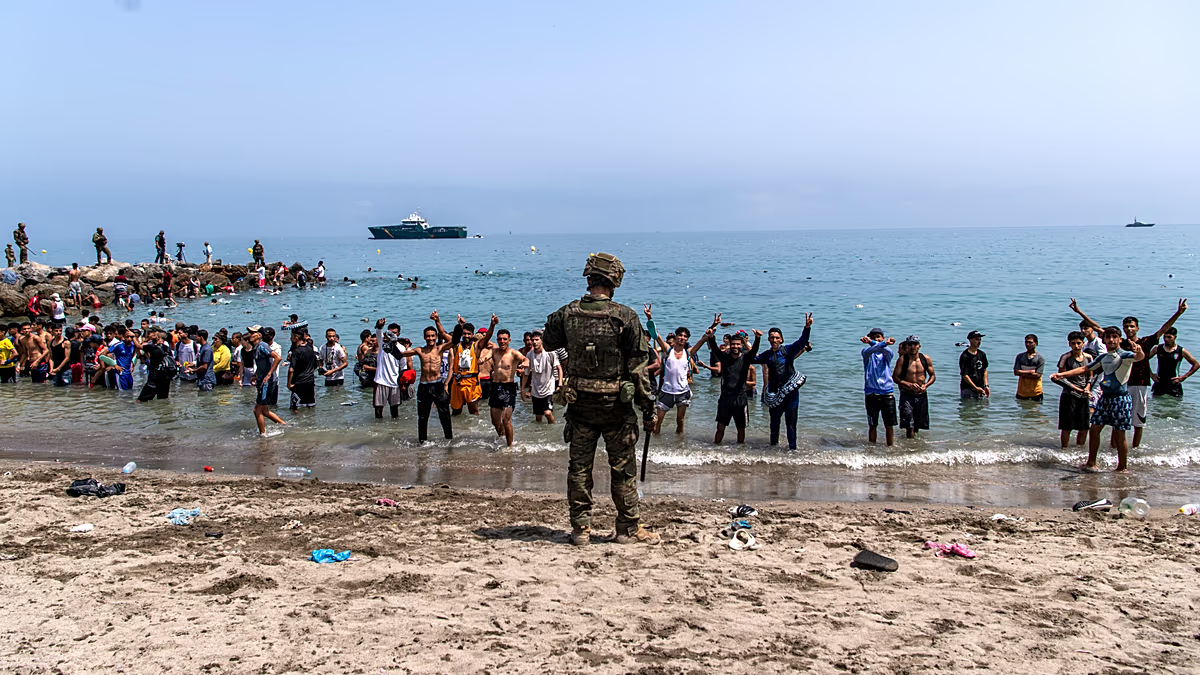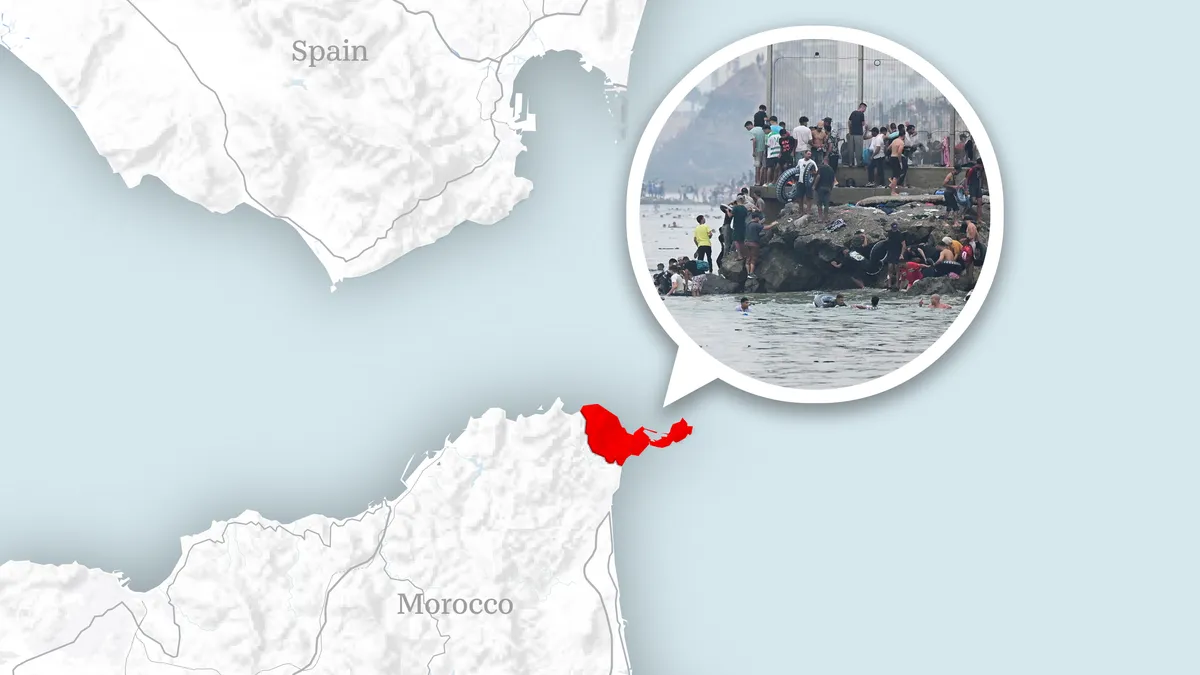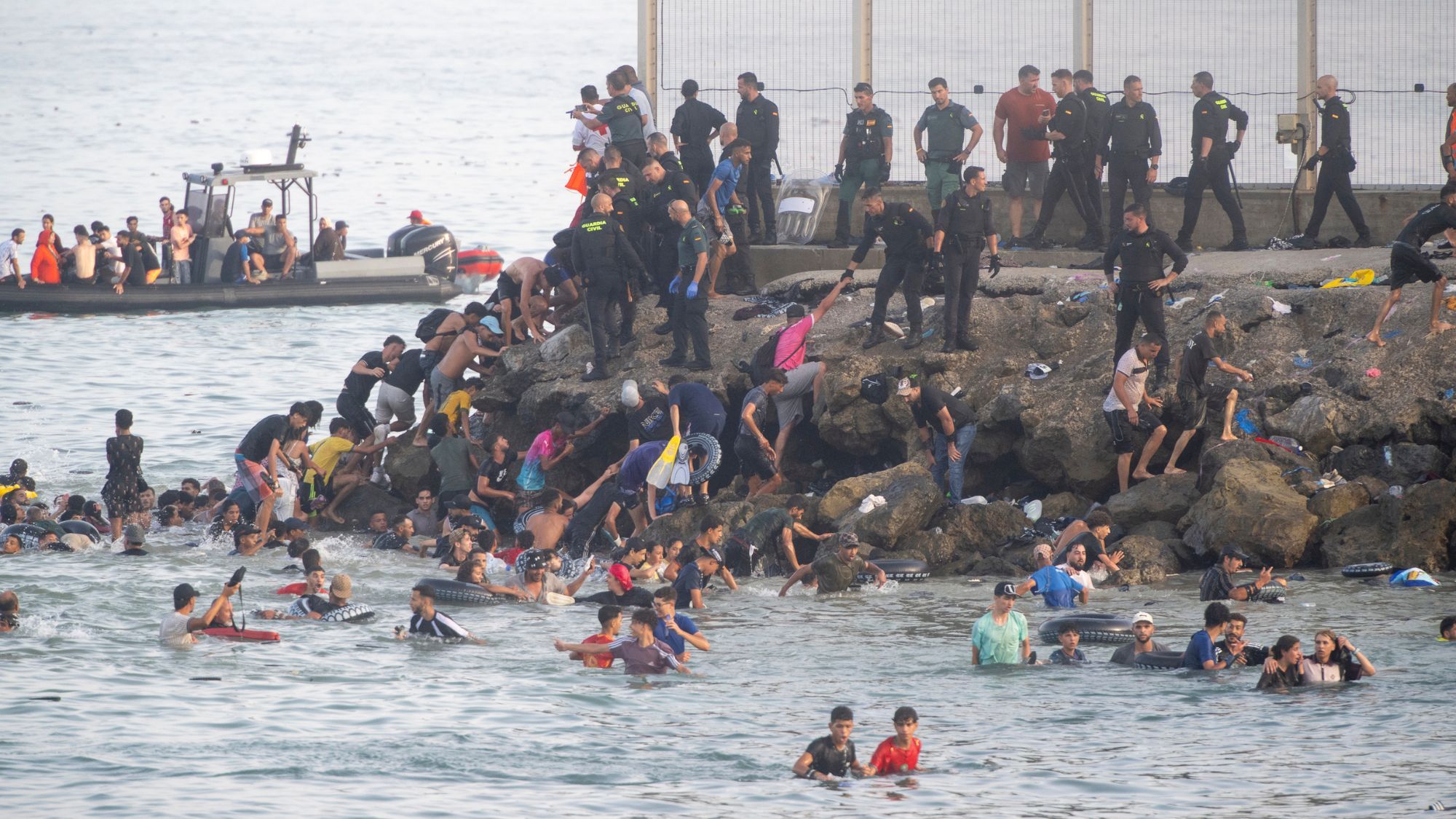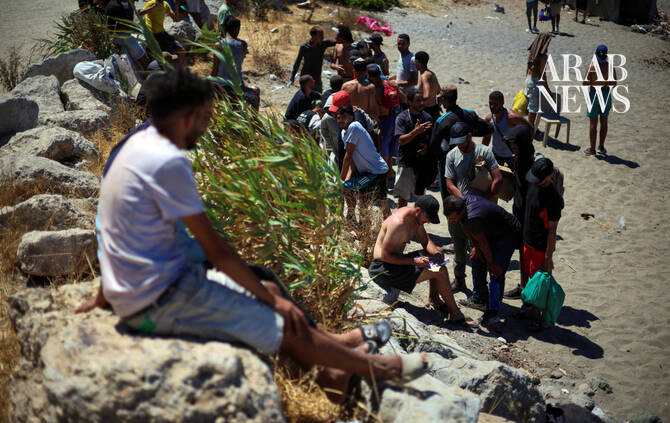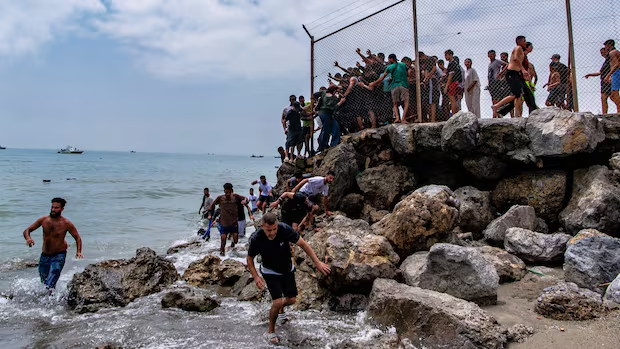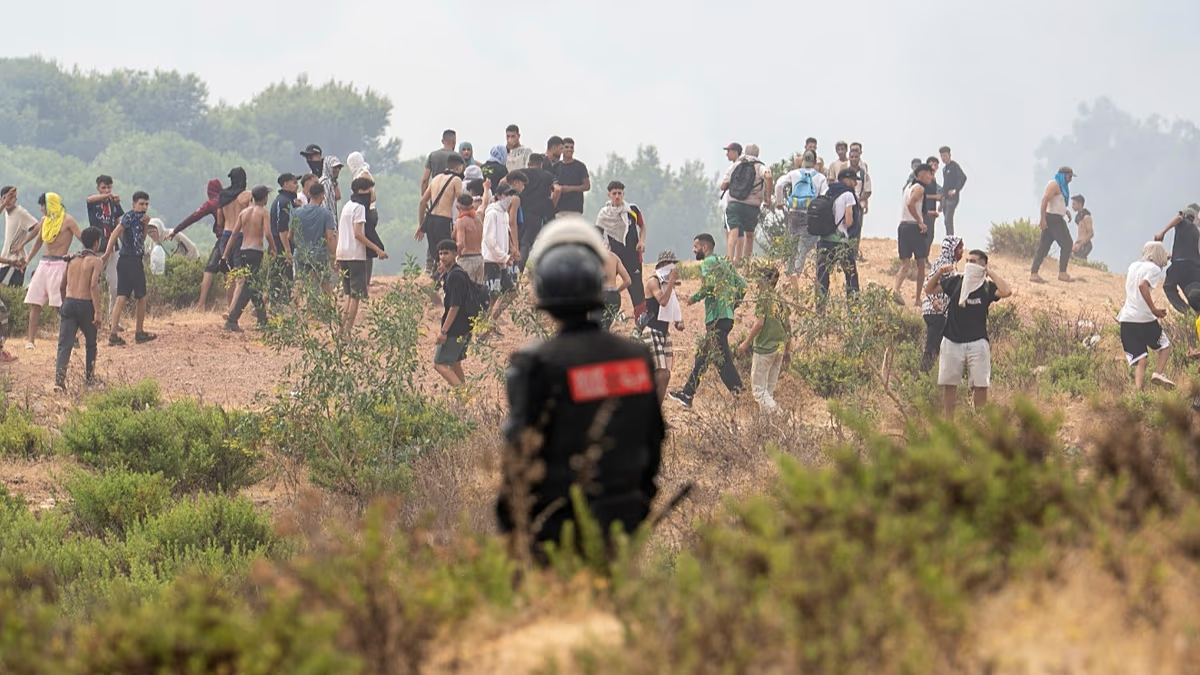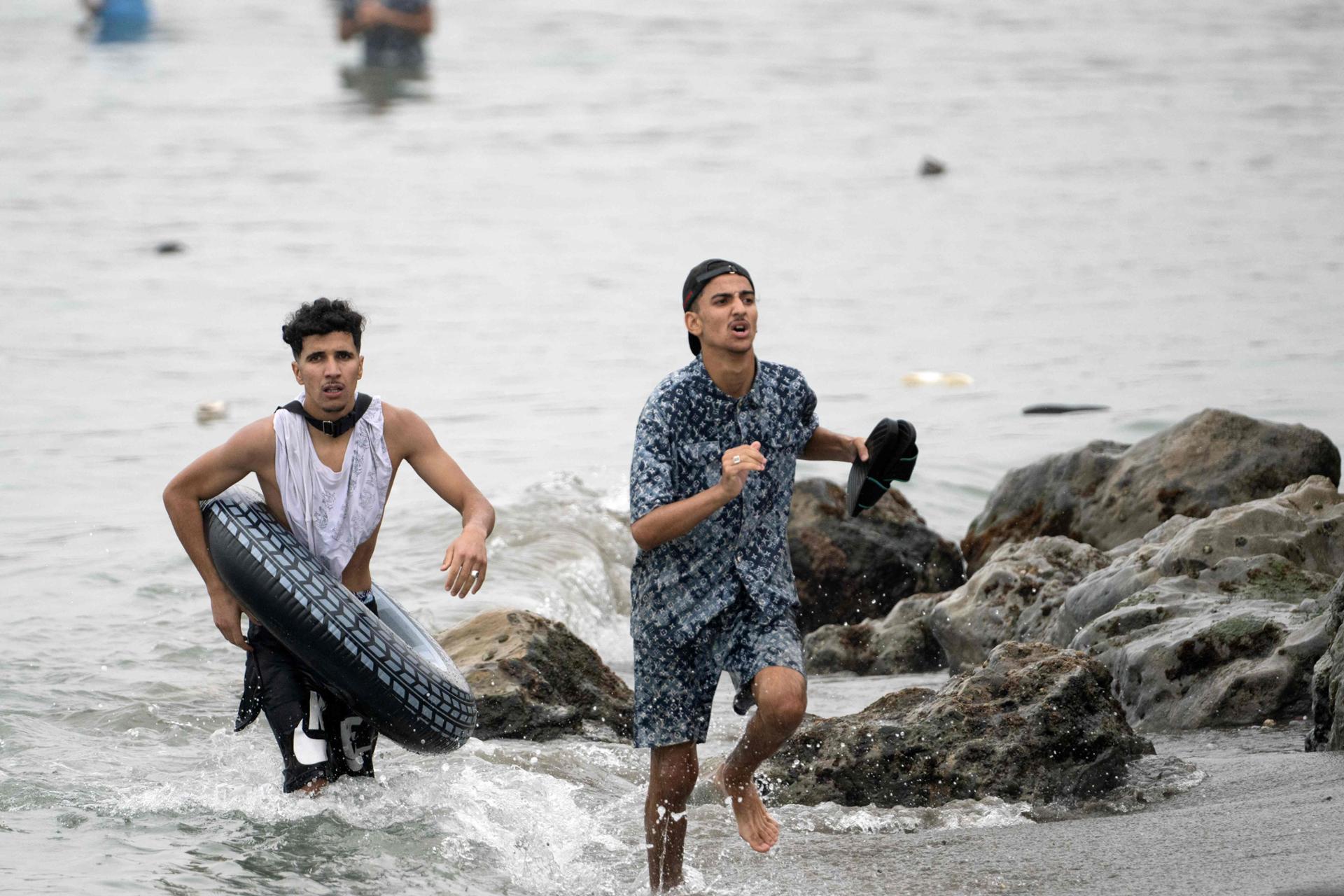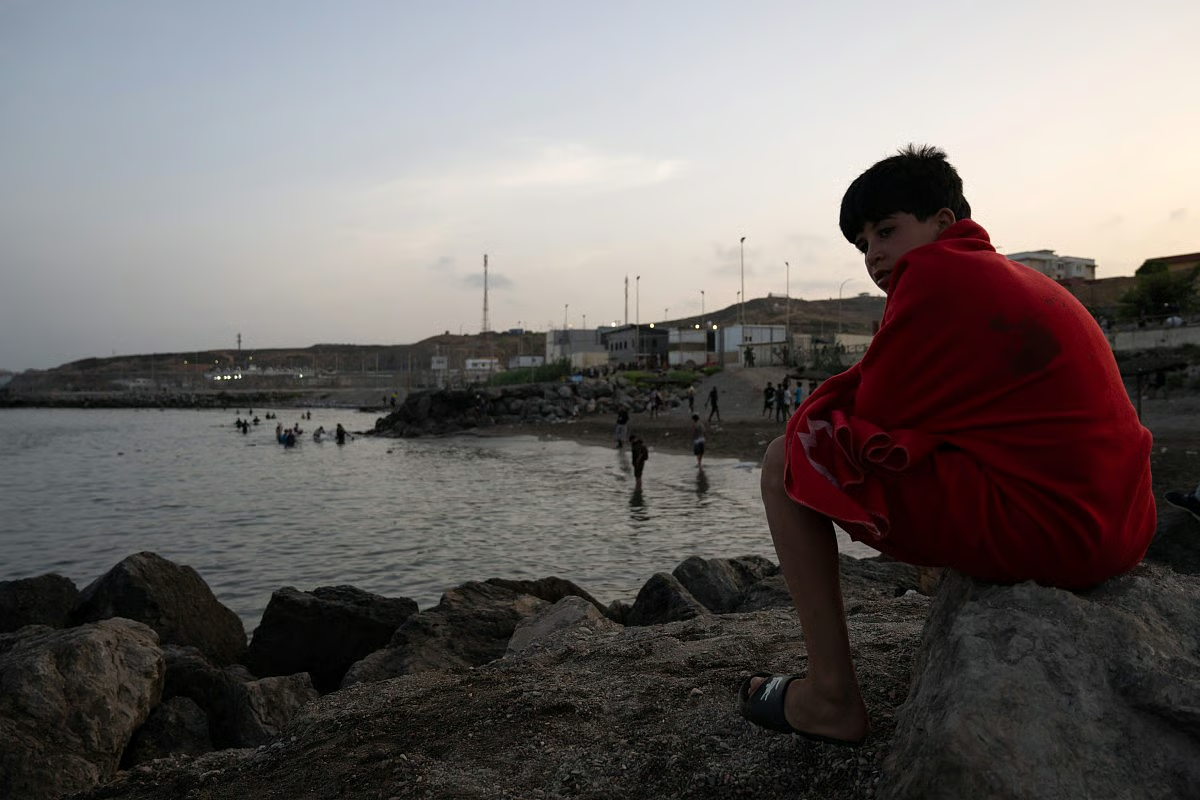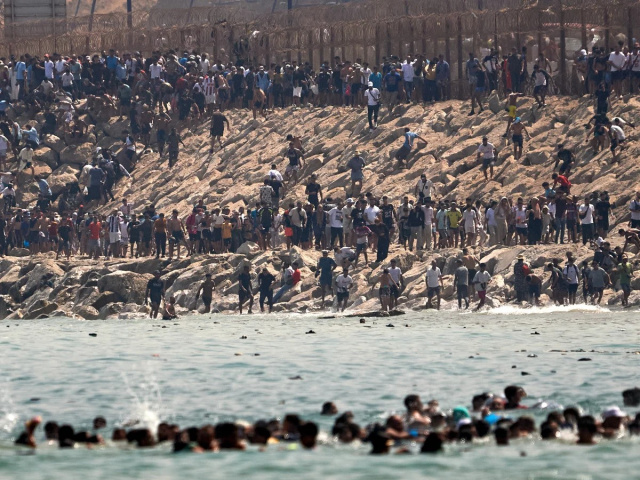
On Thursday, July 30, roughly 60,000 people crossed from Morocco into the Spanish enclave of Ceuta in a single day. It was the largest surge of irregular arrivals ever recorded on European Union territory, in a city of about 85,000 people. At least 57 died, some drowning as they swam around the breakwater at Tarajal beach, others crushed in the crush of bodies trying to get over it. By Friday evening, Spanish authorities said more than 48,300 had already gone back to Morocco, many voluntarily, some because there was no food or shelter waiting for them.
The political reaction outran the event itself. Italy suspended its Schengen arrangement with Spain for a month, closing air and sea entry points to non-EU nationals arriving from Spanish territory. Finland, Denmark, the Netherlands, Sweden and the Czech Republic moved toward Rome's position, with Danish Prime Minister Mette Frederiksen suggesting the EU consider suspending Spain from Schengen entirely. France quintupled its police presence at the Spanish border. Germany extended its internal checks past September. The European Commission spent the day insisting none of it was necessary, since Ceuta and Melilla are treated as external EU border points under the Schengen Borders Code, meaning nobody can board a ferry or flight to the Spanish mainland without an identity check.