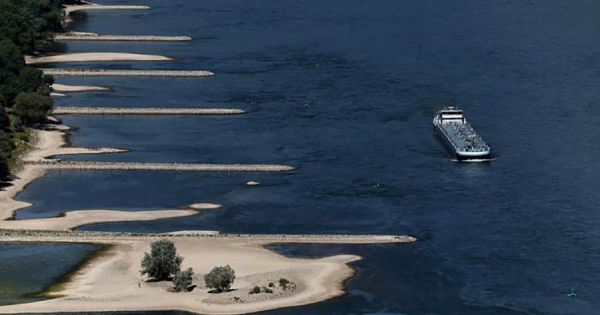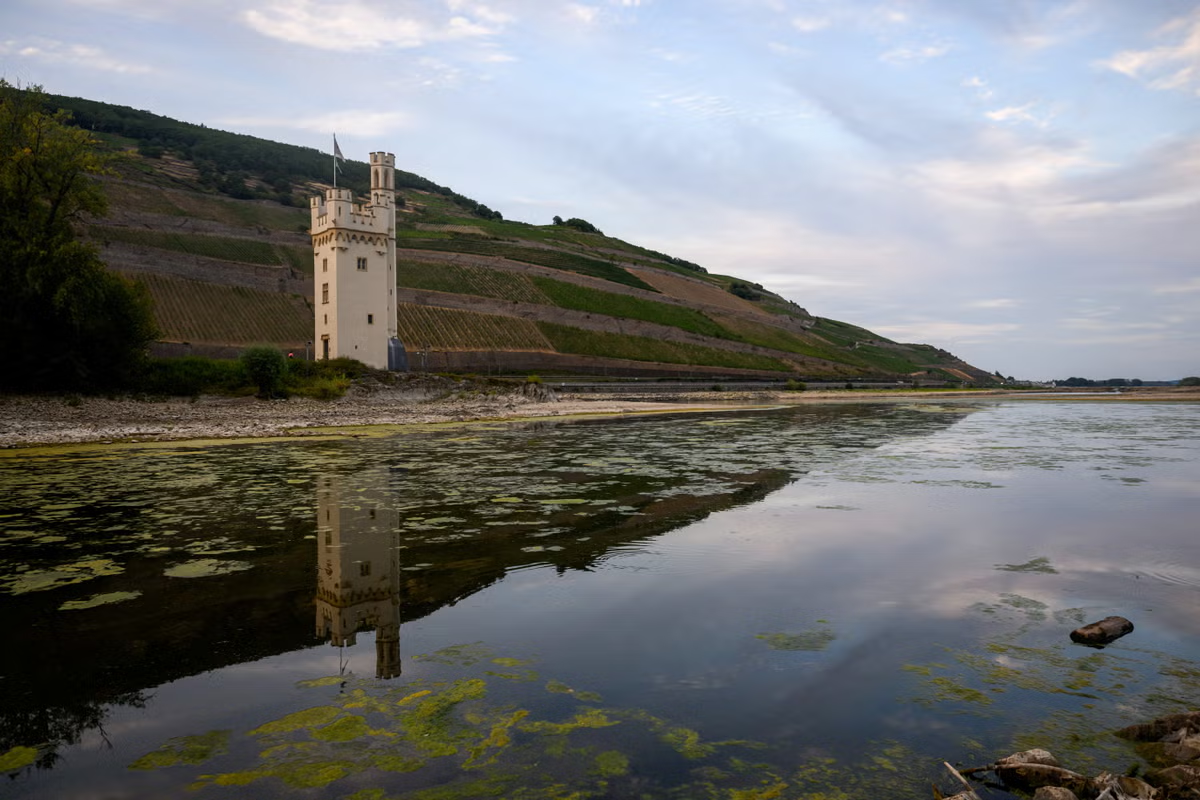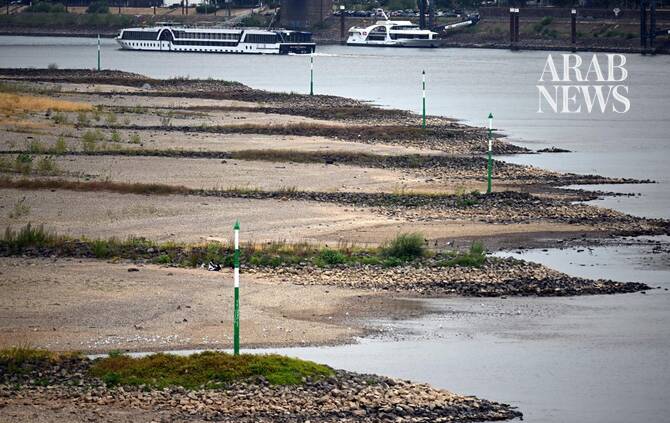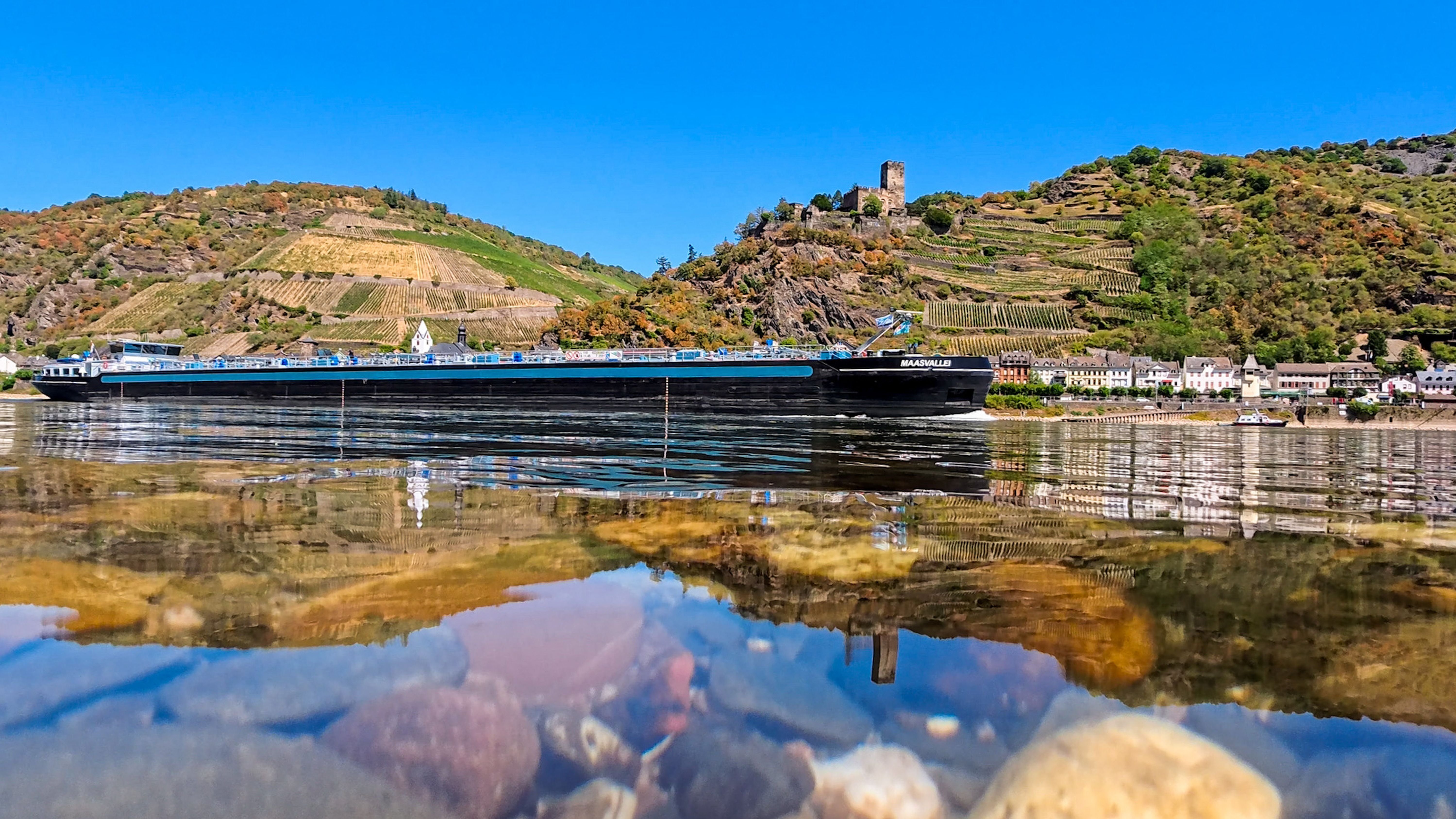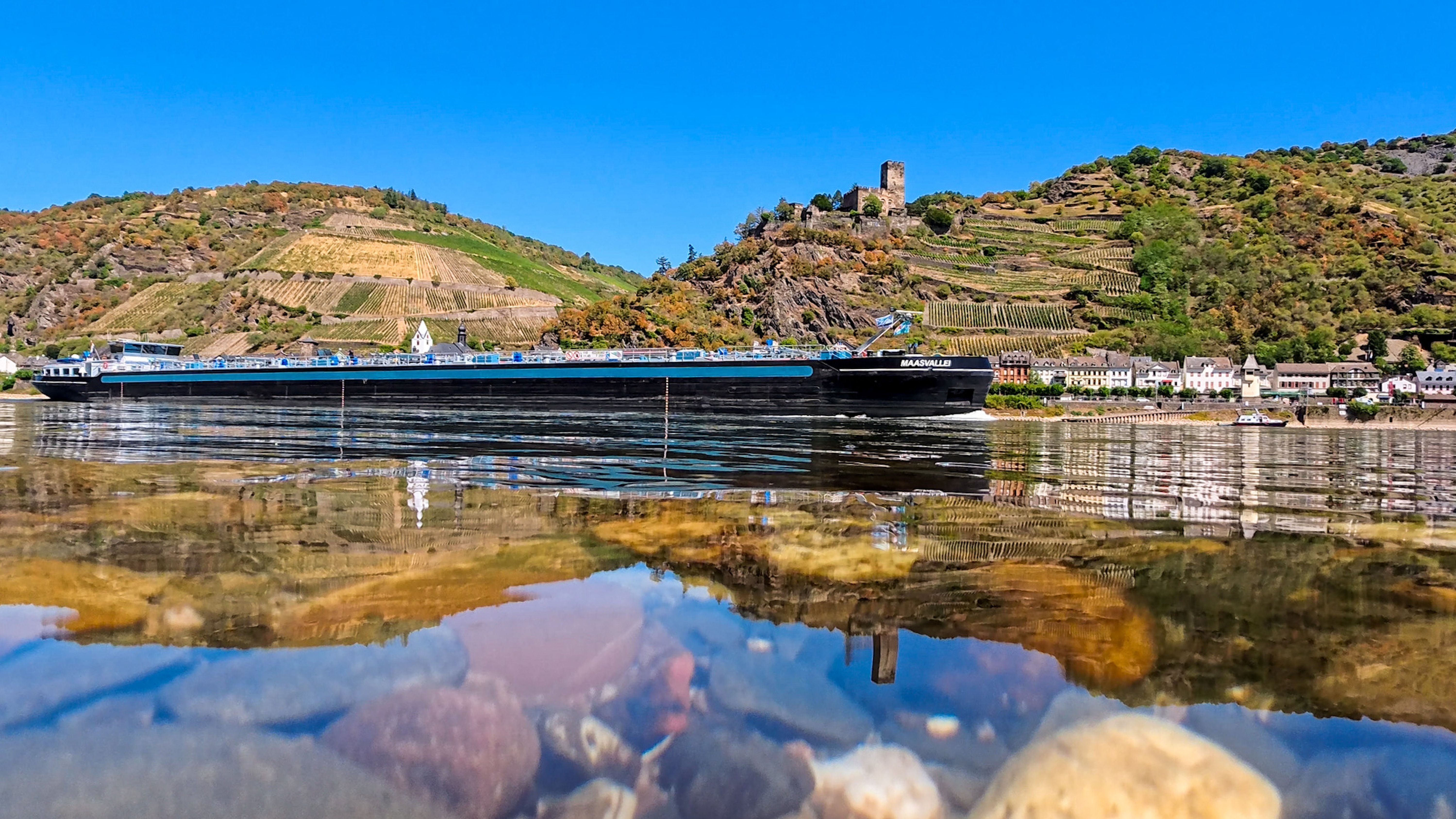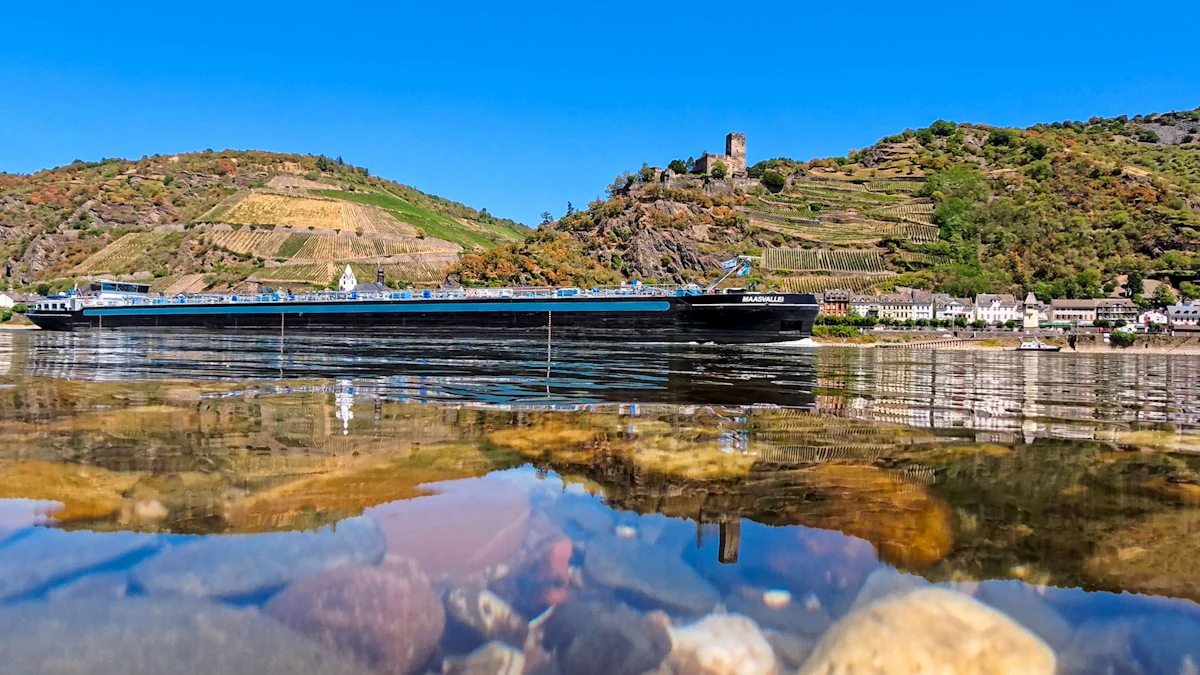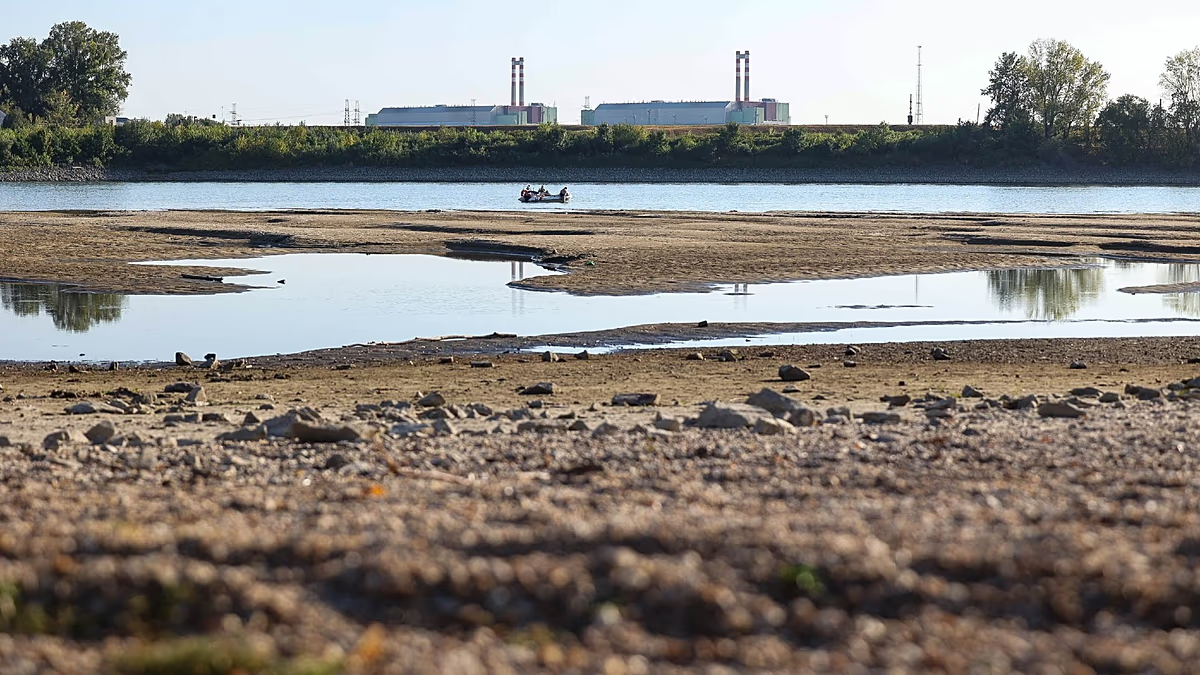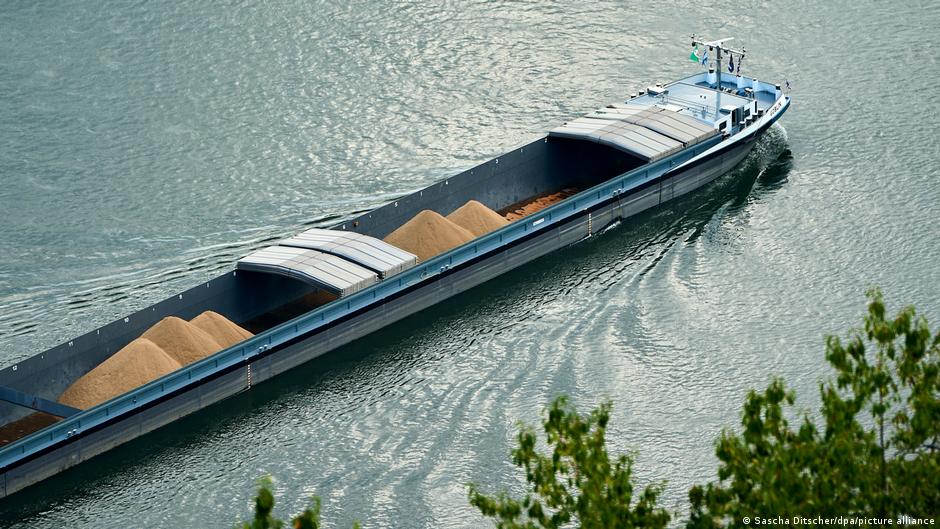
The Rhine, one of Europe's most vital arteries for transporting industrial goods, has fallen to one of its owest level since the drought-stricken summer of 2018. The resulting loss of shipping capacity is driving up freight costs and raising the risk of supply disruptions for iron ore, coal, chemicals, petroleum products and other commodities moving through Europe's industrial heartland.The Rhine water level gauge at Kaub, a key chokepoint on the Rhine for shipments heading to southern Germany and Switzerland, has fallen to just 25 centimeters, the lowest reading since the drought-stricken summer of 2018.Zwei eindrucksvolle Bilder bei Rüdesheim bzw. Bingen (Nahemündung) mit dem Rekordniedrigwasser am Rhein und auffällig großen Sandbänken. Danke an Christian. /LD pic.twitter.com/9GC4c3zv6y
— Kachelmannwetter (@Kachelmannwettr) August 2, 2026At levels of 40 to 50 centimeters, vessels can carry only about 20% of their normal cargo, according to Germany's Federal Waterways and Shipping Administration. The resulting loss of transport capacity is driving up freight costs and increasing the risk of supply disruptions of critical commodities.Some Rhine Freight Rates Rose 400% in Two Months as Water Levels Fell