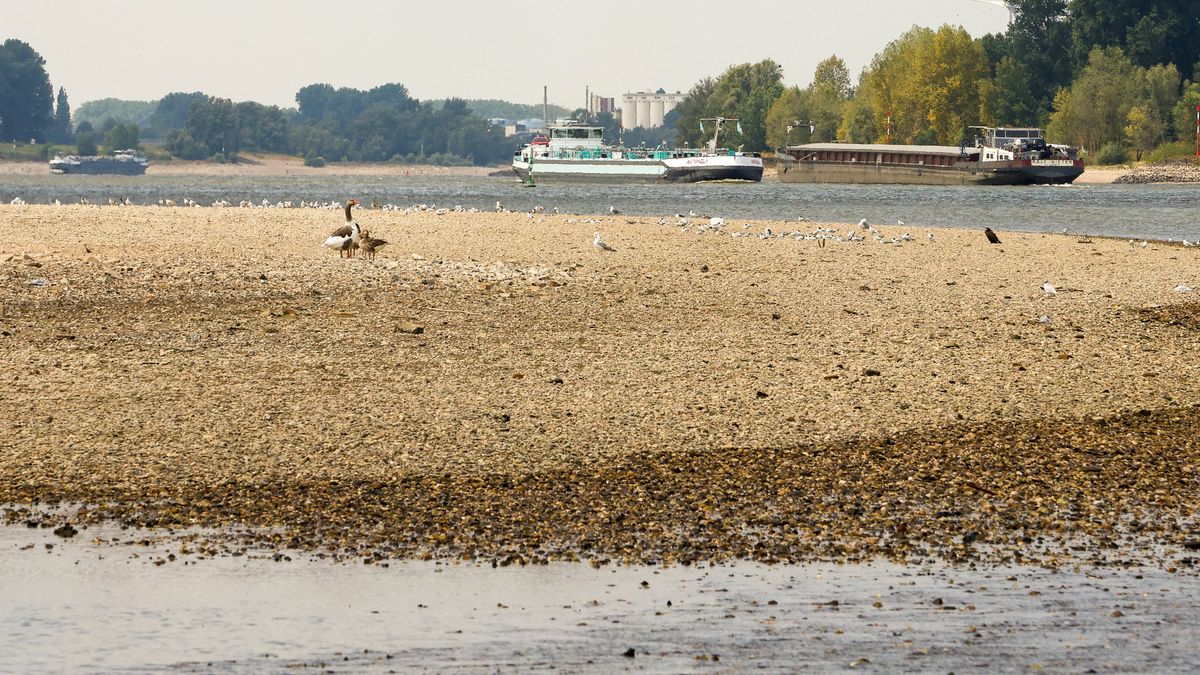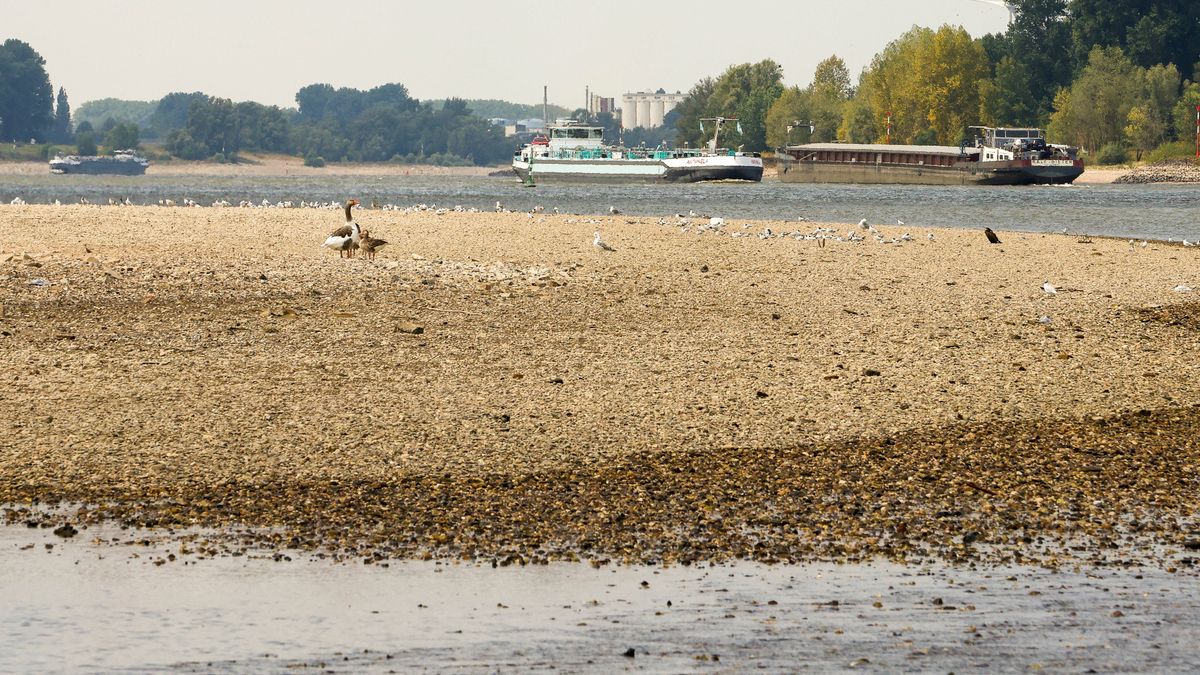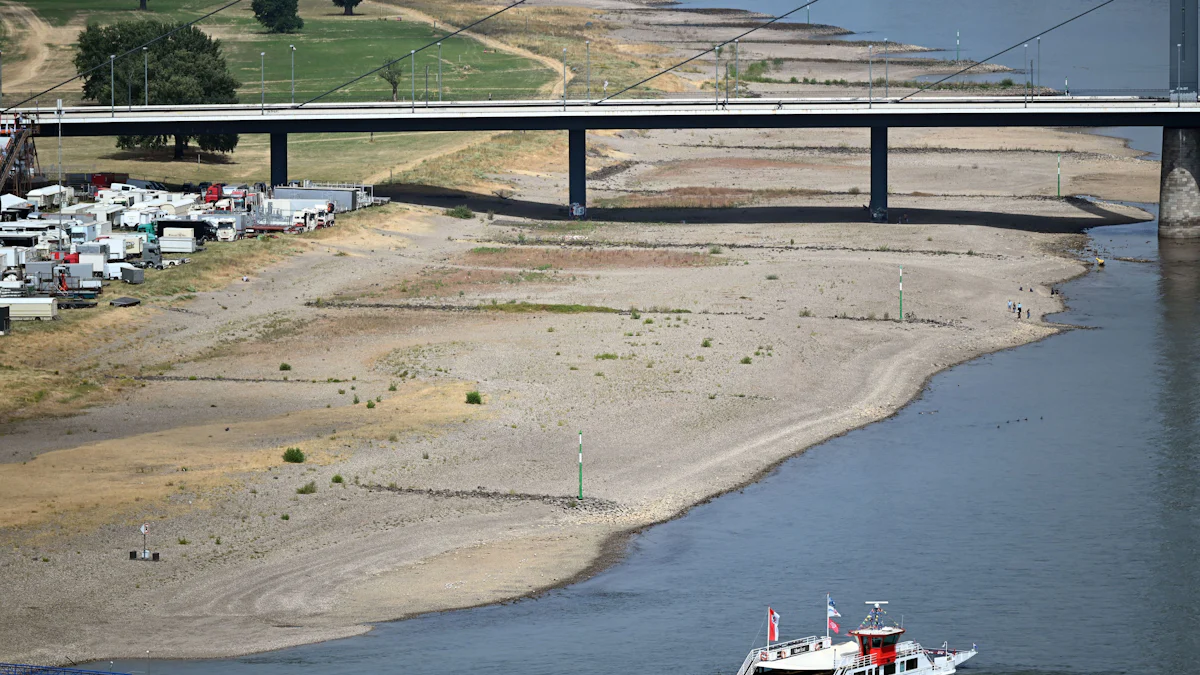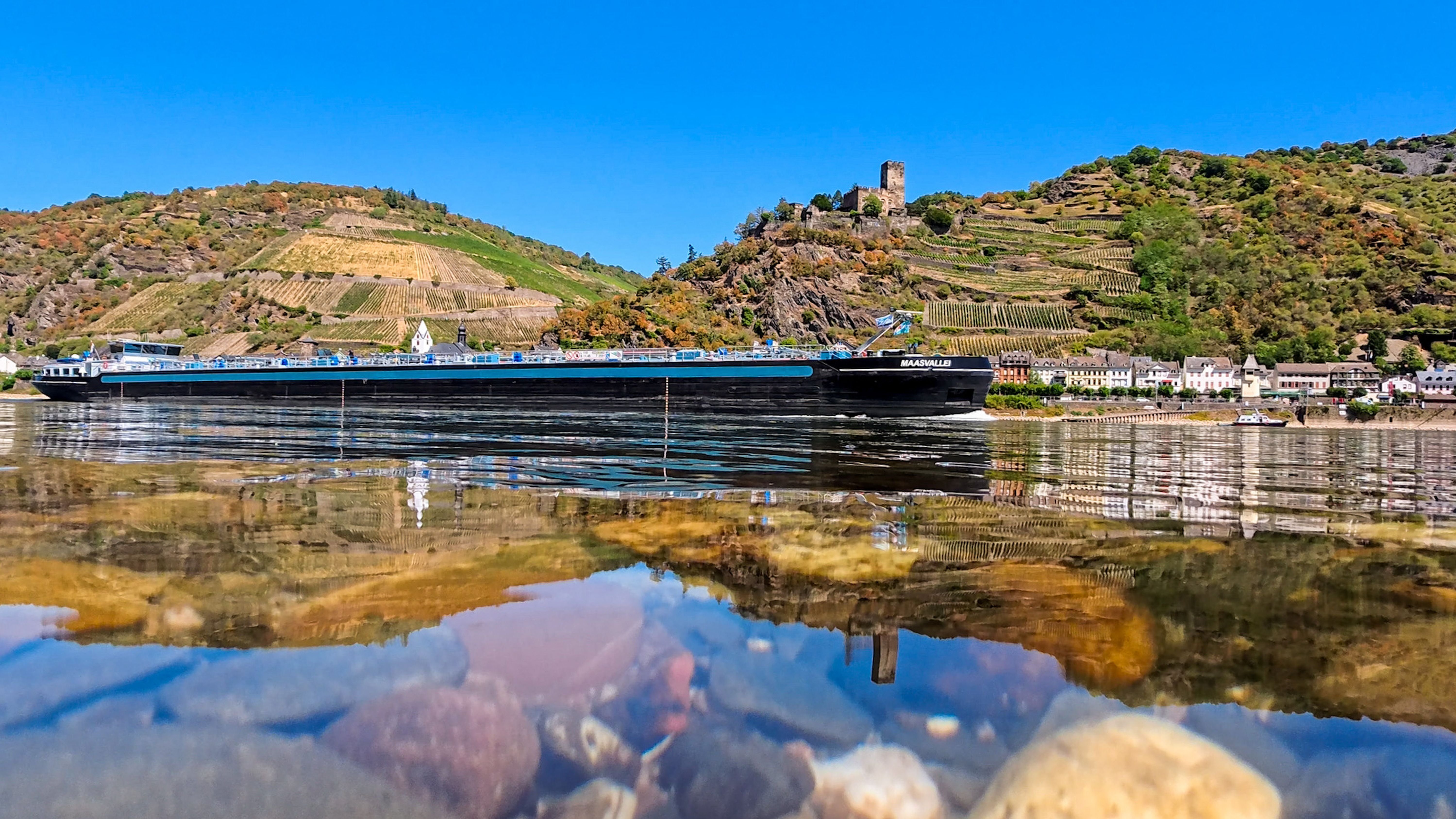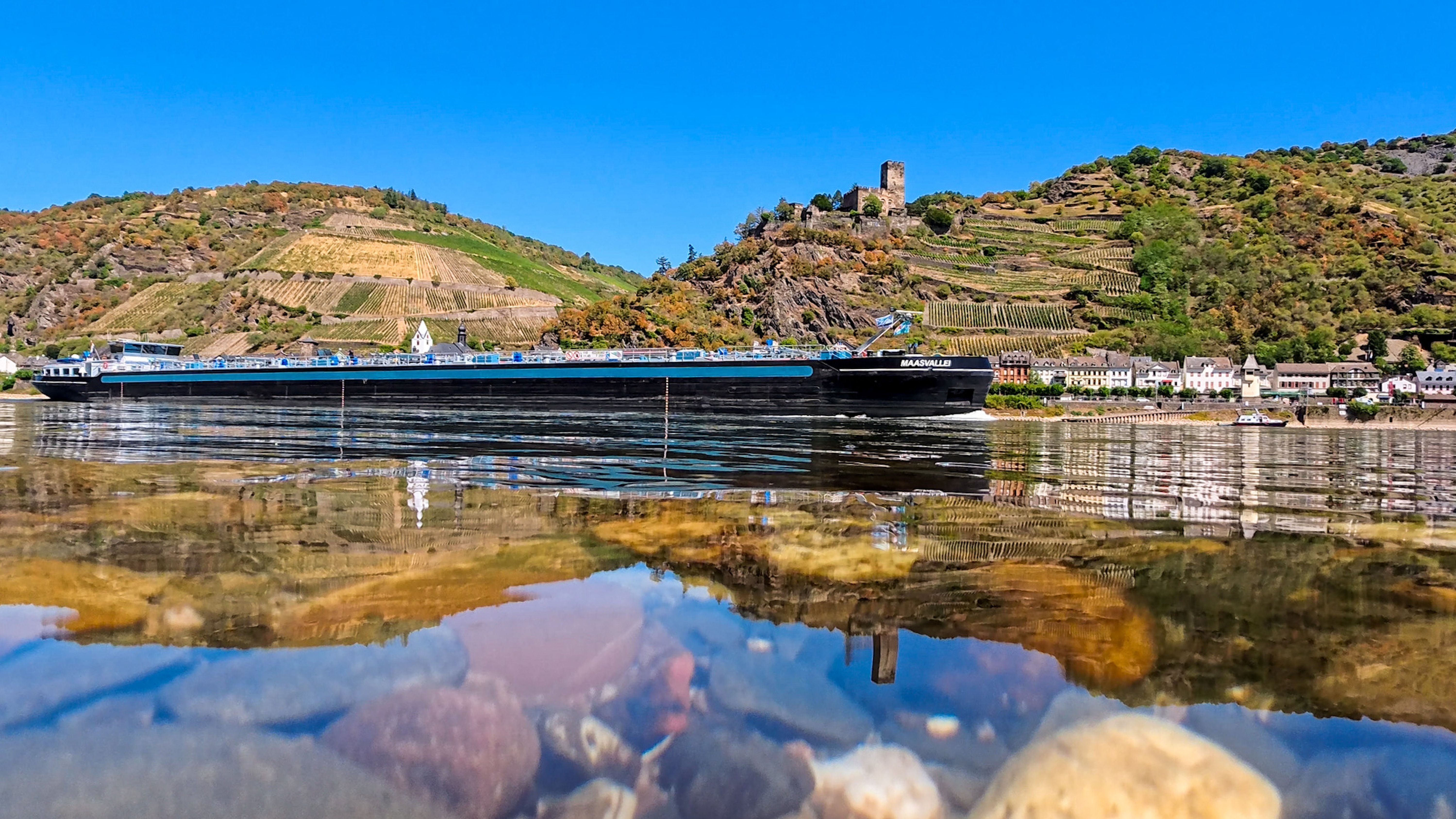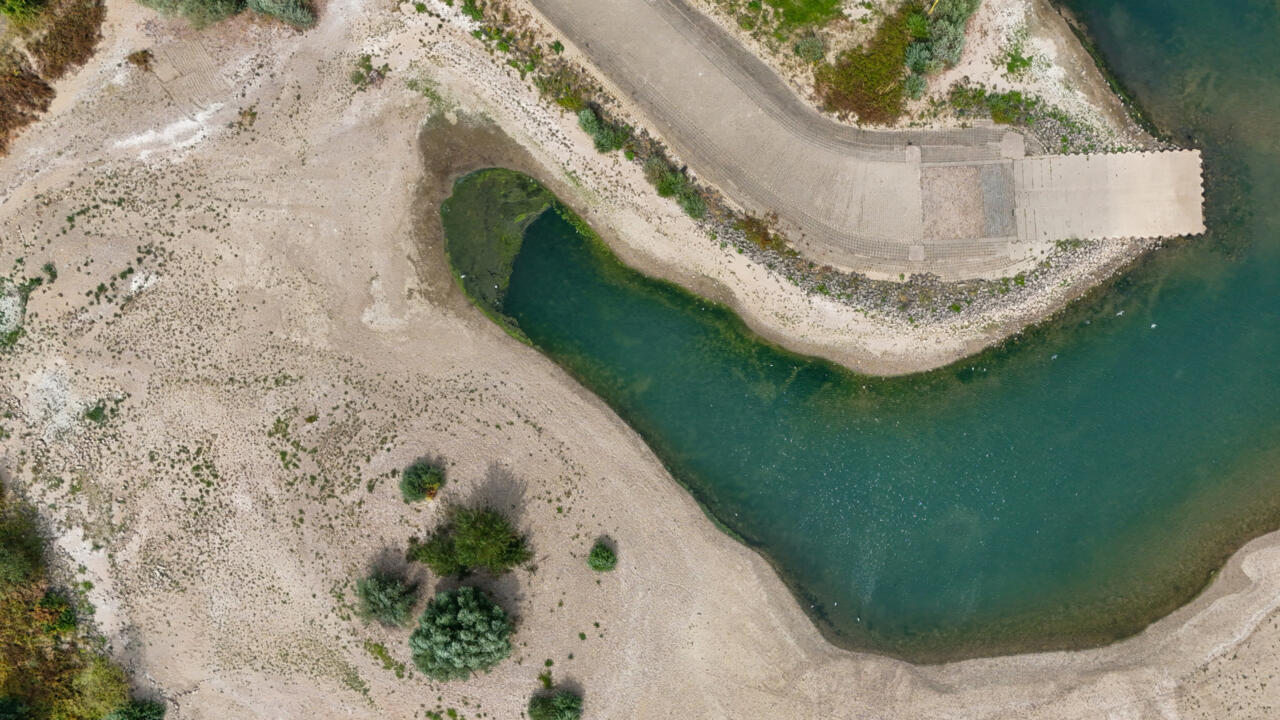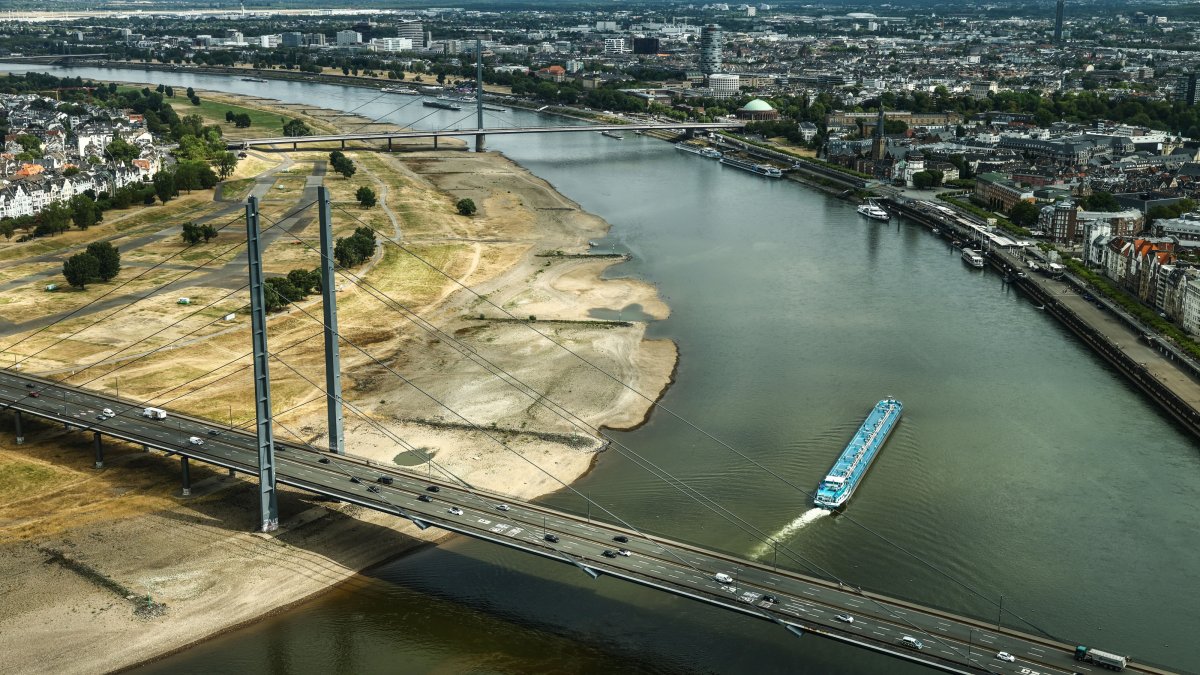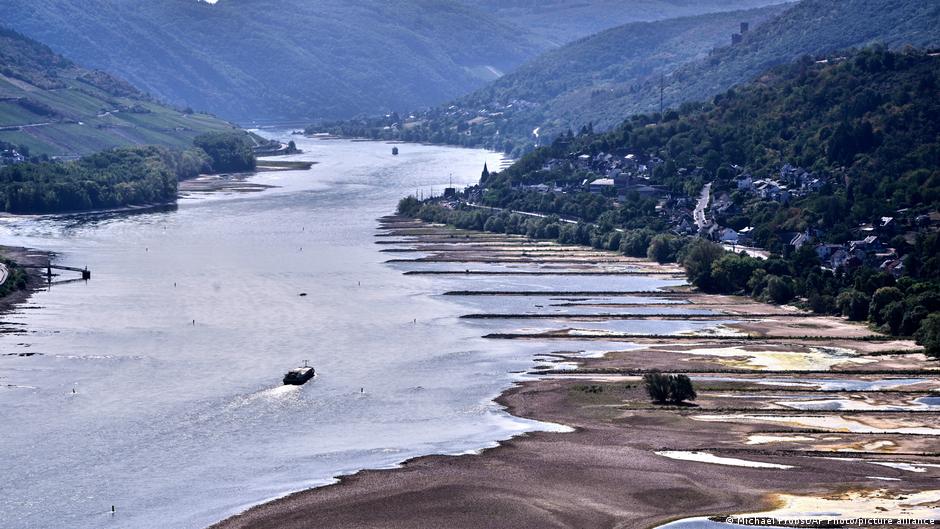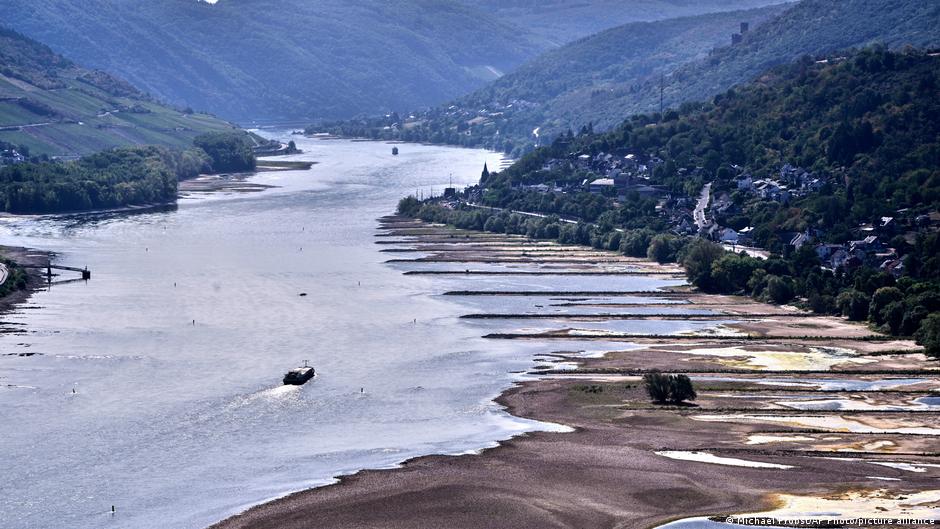
Prolonged dry weather has continued to lower levels on the busiest inland trade waterway on Europe, connecting the vast port of Rotterdam in the Netherlands with much of western Germany.
Less rain fell than forecast this past weekend, and the national weather service now forecasts another incoming period of high temperatures, particularly further south along the river. How can a low Rhine affect the economy?
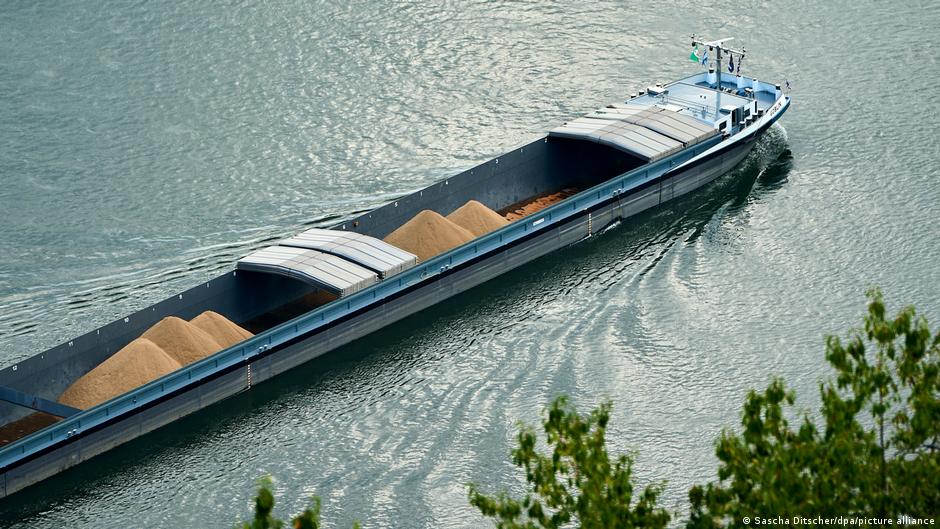
The Rhine carries key commodities including grain, minerals, ores, coal and petroleum products such as petrol.
When the river is low, cargo vessels can no longer travel fully loaded and must spread shipments across several ships.
Traders have said some inland vessels are operating at only 15% to 20% of their maximum load. That raises transport costs and places further pressure on an economy that had recently begun to show signs of a modest recovery. Water levels on the Rhine have been consistently low, even by summer standards, since late MayImage: Marc John/Bonn.digital/picture alliance