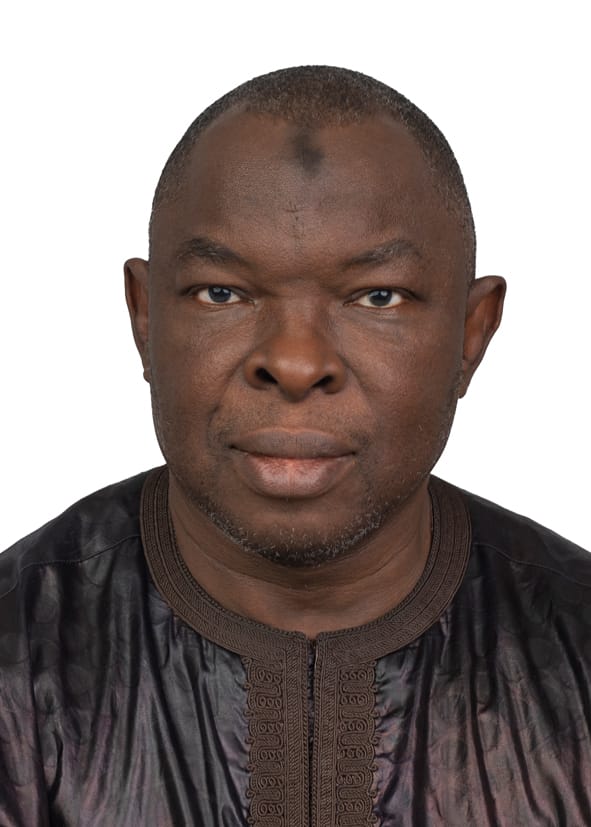
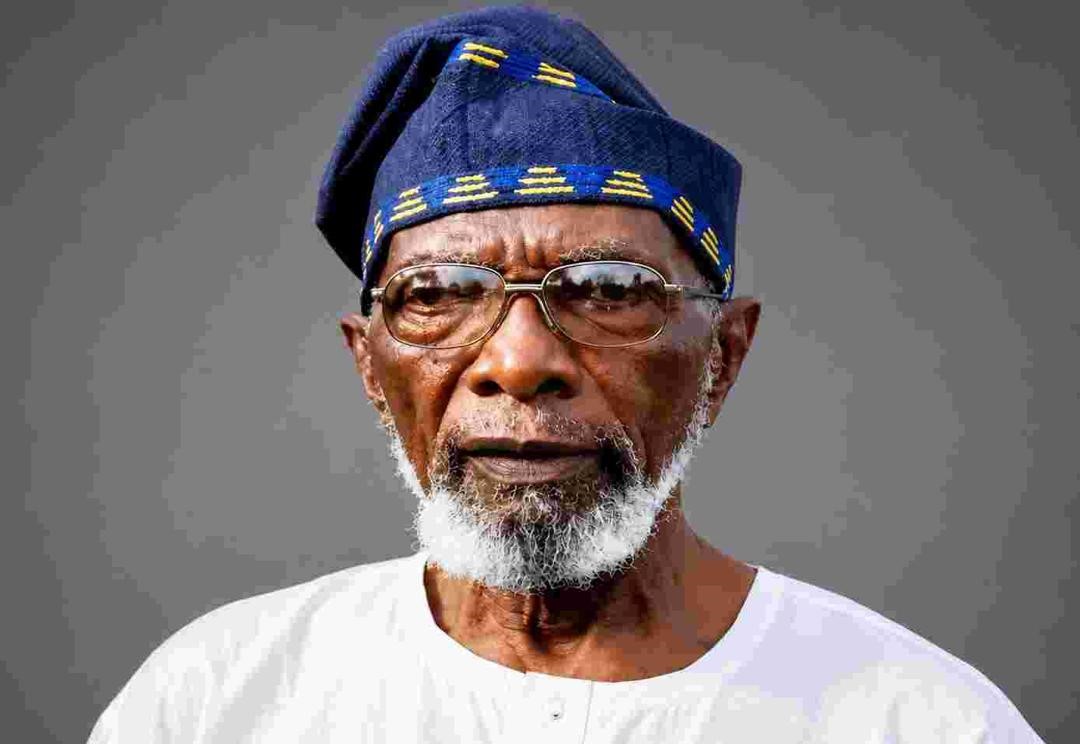
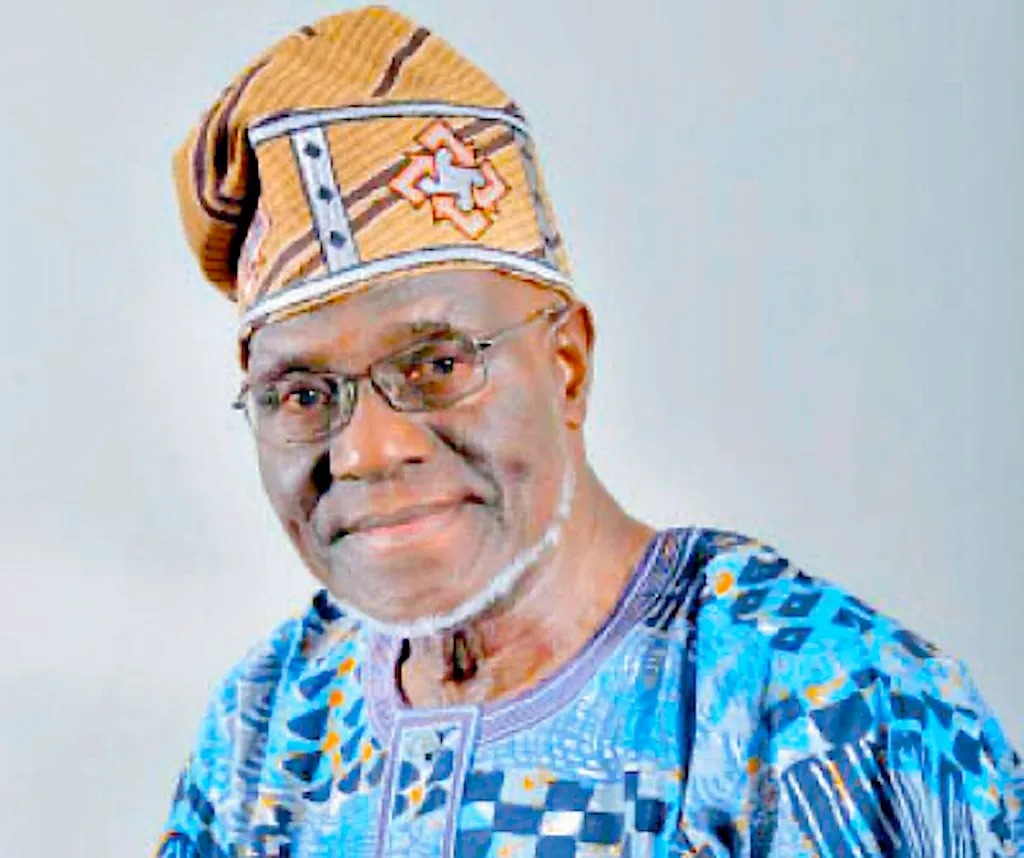
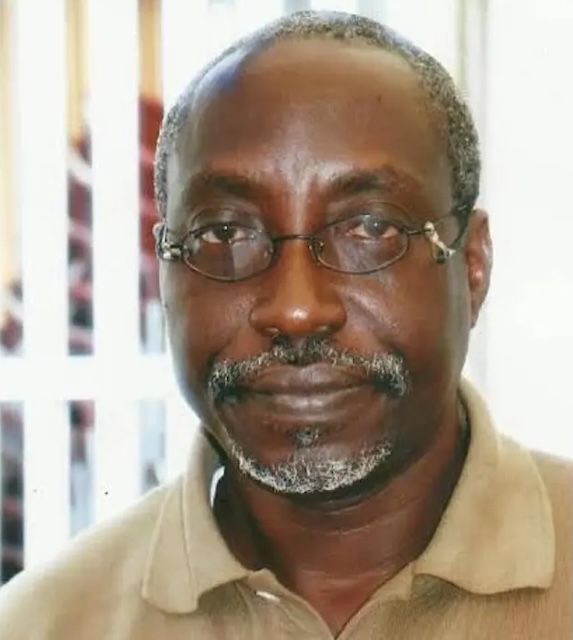
The internationalist, intellectual, radical historian and generally accepted leader of the Nigerian Left, Olusegun Osoba, left on May 14, 2026, at 92. What followed the exit of a man who greatly influenced and led three generations of Nigerian radicals was a twenty-six-day programme of celebrating his life, times and works. It was as if a father whose children and siblings could not come to the reality that their symbol of unity had bowed out of the arena. Indeed, their platform was called “Osoba for Eternity.” However, it is not the eternity of human existence, but of his ideas and legacy. The celebration, reflections and discussions, which cleared a path towards the unity of radicals in the country, included two international symposia: one in his ancestral Ijebu Ode on July 3 and the other in Abuja on July 28, 2026.
They were international not just because that was who Osoba was and participants came or participated from across the globe, but also because his revolutionary leadership of radicals in the country influenced their perspective of international politics. For instance, in the 1970s the South African liberation movement was mainly split between the Pan Africanist Congress, PAC, which saw the struggle as one of Black liberation, and the African National Congress, ANC, which saw it as part of human emancipation. Osoba steered young Nigerians towards the ANC. In the case of Zimbabwe, the Zimbabwe African National Union, ZANU, led by Robert Mugabe was chosen over the Ndabaningi Sithole-led Zimbabwe African People’s Union, ZAPU. It was also an easy choice for Nigerian radicals to support the POLISARIO Movement in Western Sahara and independence for that country rather than the occupying Moroccan-Mauritanian forces.