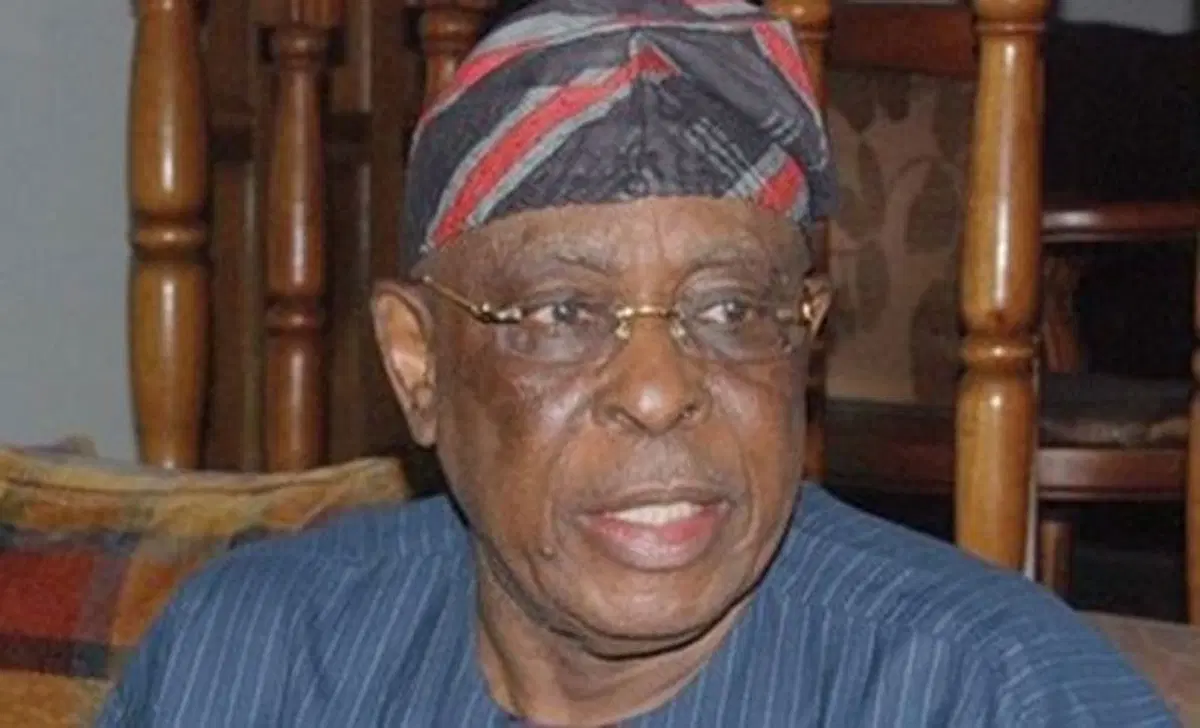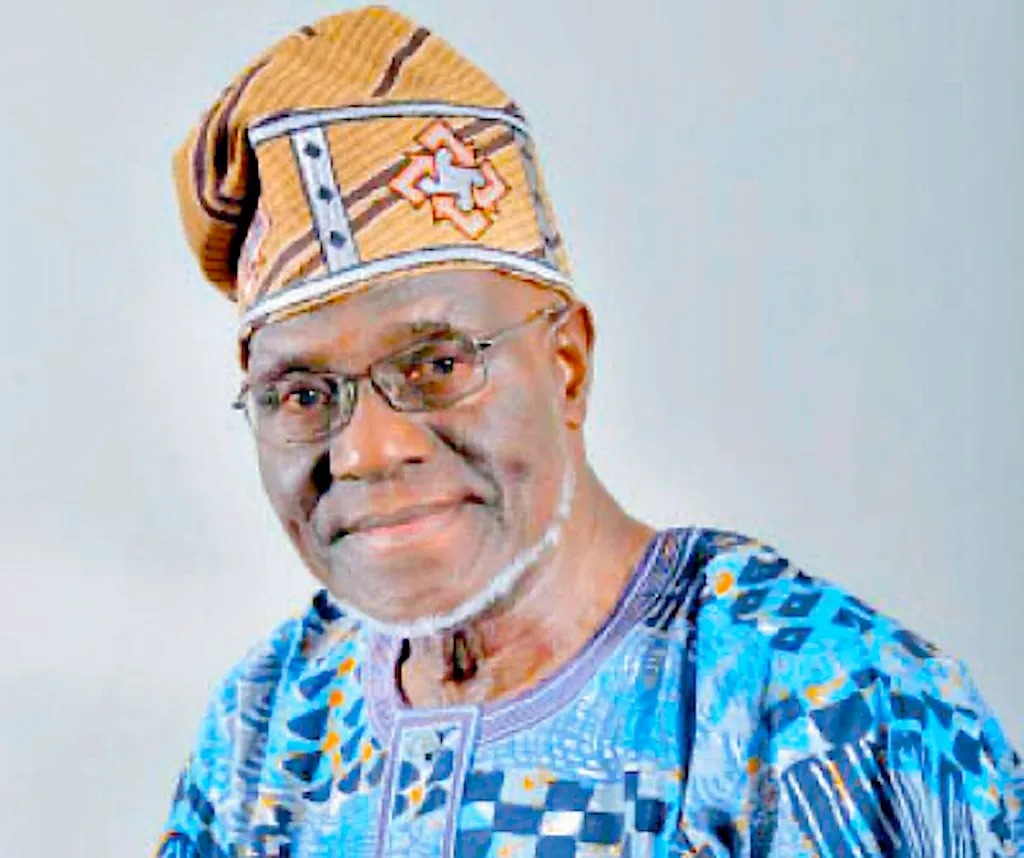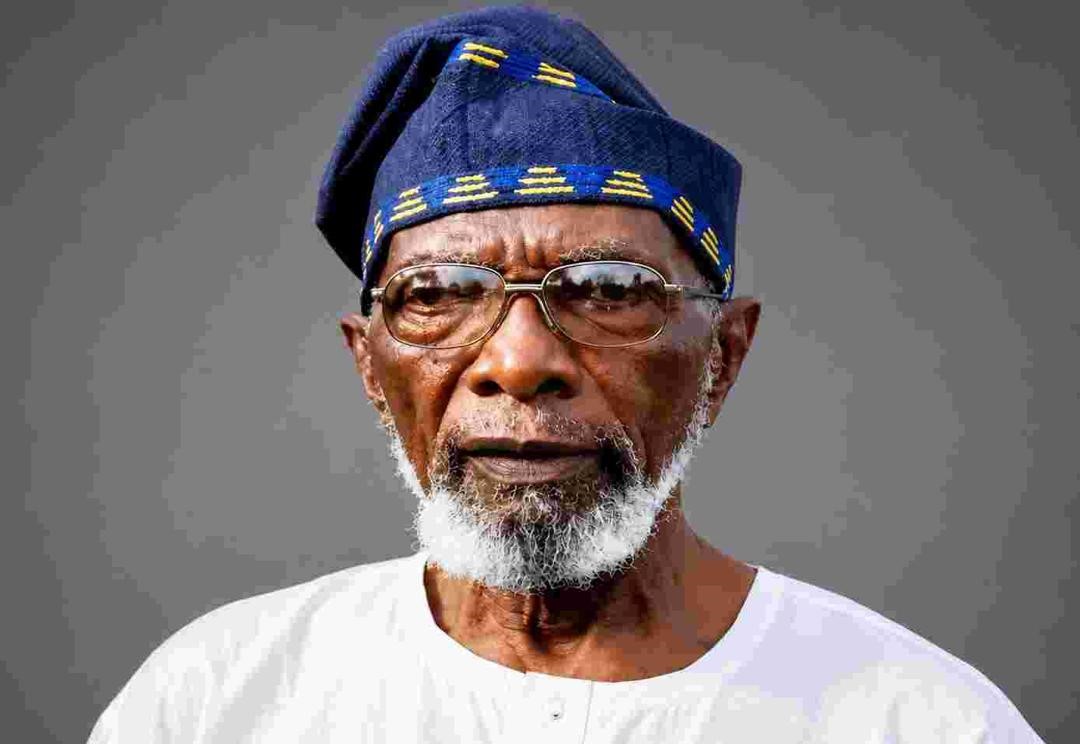
On the morning of 14 May, in his quiet bedroom in Ijebu Ode, Ogun State, an old man’s breathing simply stopped; the final breath left the modest bedroom of a man who had spent ninety-two years refusing to let power write its own history.
Samuel Olusegun Osoba, one of Nigeria’s best-known social historians, closed his eyes, and in that soft, unremarkable moment, Nigeria lost one of its last living links to a genuinely radical intellectual tradition.
He was not a kingmaker, not a court historian, but an academic rebel. For a generation of Nigerian scholars who came of age cutting their teeth on his lectures, who learned the mechanics of class struggle and colonial extraction rather than the genealogies of emirs, obas, and governors, Mr Osoba’s death was never felt as the mere end of a career. It landed, instead, like the slow, heavy shutter of a library door closing on an entire canon of subversive thought.
Those who sat in his classes remember a teacher with no patience for “great men” history, the kind told through statues and state portraits. To Mr Osoba, history was the record of an ongoing fight between the people who did the work and the people who took the profit: between the farmer, the trader, the schoolteacher, and the political class that took over from the British in 1960 and, as he saw it, simply put on new clothes over the old arrangement.