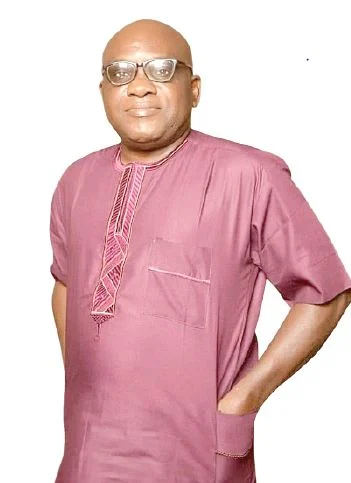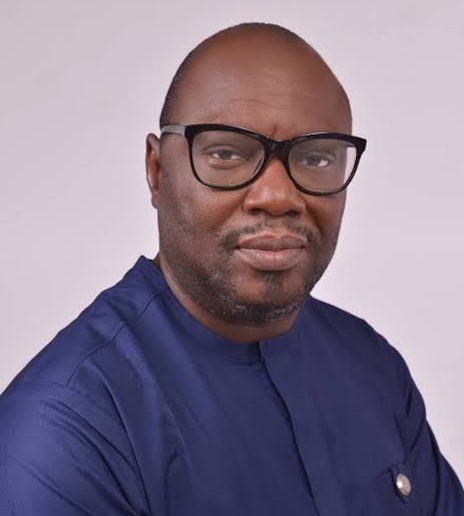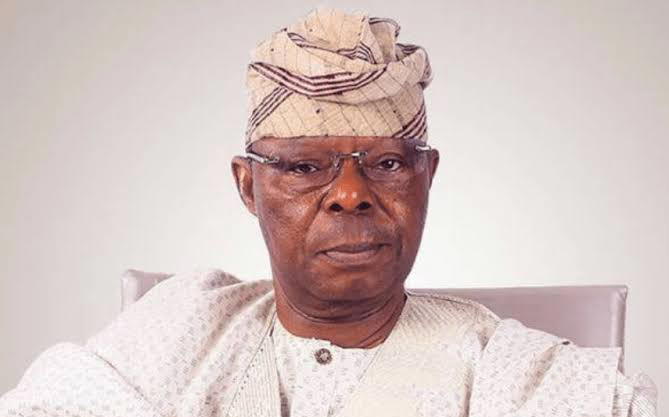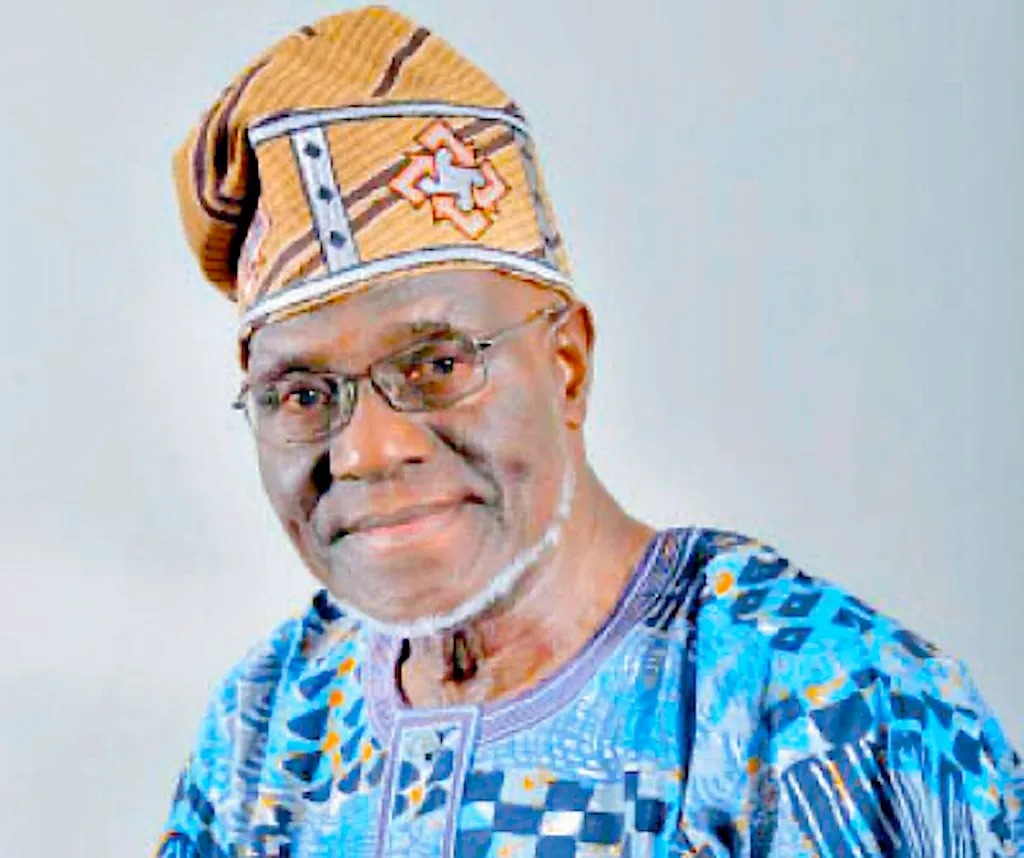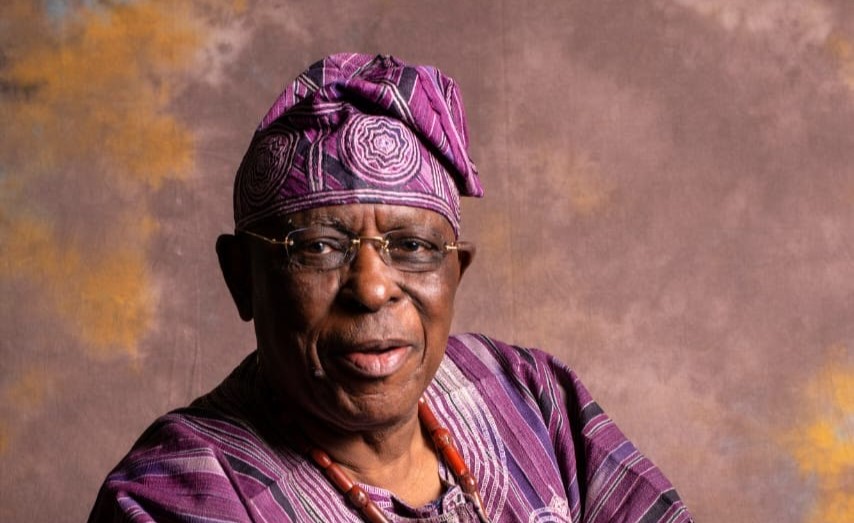
Segun Osoba, who has died aged 91, was a radical Nigerian Marxist historian who influenced a generation of scholar-activists. Osoba studied history at Nigeria’s University College Ibadan before obtaining his doctorate at Moscow State University, which entrenched his lifelong commitment to Marxist revolution. He taught history at Nigeria’s Obafemi Awolowo University in Ile-Ife for 24 years until 1991, retiring aged 56, well before his intellectual peak.As a teacher Osoba made history come alive for his students through his political economy approach, encouraging them to engage in empirically based critical thinking that promoted an egalitarian society. He urged his students to use history to understand contemporary events and to question idées fixes (an idea or desire that dominates the mind). Osoba’s “people’s history” focused on re-interpreting the past through assessing social forces rather than adopting the more popular “Great Man Theory” of history.He was one of Nigeria’s earliest public intellectuals who sought to use radical scholarship to speak truth to power, slaughter sacred cows and change society in favour of the impoverished masses. He was an unapologetically engaged Marxist scholar who sought to wage class struggle to achieve a fairer society. He helped to establish socialist cells in universities across Nigeria in a bid to build a mass movement, and greatly admired radical Afrobeat superstar Fela Anikulapo-Kuti.Osoba took great risks in challenging Nigeria’s repressive military governments between 1967 and 1998, suffering periods of detention. Two military autocrats, generals Olusegun Obasanjo and Ibrahim Babangida, later singled him out as being among the country’s most effective social critics. Nominated to Nigeria’s constitution drafting committee, Osoba famously submitted a minority report and draft constitution, co-authored with fellow Marxist Yusufu Bala Usman in 1976, in which they called for immunity to be lifted on presidents and state governors and advocated a constitutionally guaranteed fairer society. The two scholars critiqued the final 1979 constitution as an elite pact, and not a document of the masses to promote Nigeria’s socioeconomic transformation.Osoba’s ire was particularly reserved for what he described as Nigeria’s neocolonial, comprador “national bourgeoisie” of military brass hats, mandarins, politicians and entrepreneurs. He often cited Martiniquan scholar Frantz Fanon’s description of this corpulent class as lacking a patriotic national consciousness, even as it collaborated with “foreign monopoly capitalist interests”.He urged this elite instead to seize control of the Nigerian economy and work with the masses to establish an equitable socialist country. He castigated Nigeria’s avaricious governing elite, which he argued could not even ensure its own survival. But the soil for socialist revolution was not fertile in an ultra-capitalist Nigeria revelling in an unexpected oil boom from the 1970s. Osoba scathingly exposed kleptocracy, which he argued had become entrenched during British colonial rule, and then in post-independence Nigeria. He particularly regarded military misrule between 1984 and 1995 as the locust years, bemoaning the fact that “corruption as a way of life has become pervasive and popularised in the Nigerian polity”. The ascetic Osoba’s final days were spent mostly at Ijebu-Ode Club, where he enjoyed intellectual debates with academics of diverse ideologies. I met him when I spent a year teaching in Ife during my national youth service. When I told him I had won the Rhodes scholarship to study at Oxford he said without skipping a beat: “That thing is dripping with blood.” I did not think too much about it at the time but the phrase stuck in my mind, instilling in me a responsibility to wage future anti-imperialist battles. Until he took his final breath, Osoba never surrendered his utopian vision of a “just society”. • Adebajo is professor and senior research fellow at the University of Pretoria’s Centre for the Advancement of Scholarship.
ADEKEYE ADEBAJO | Farewell to radical scholar-activist Segun Osoba
Enduring voice against corruption and military rule in postcolonial Nigeria
610 words~3 min read