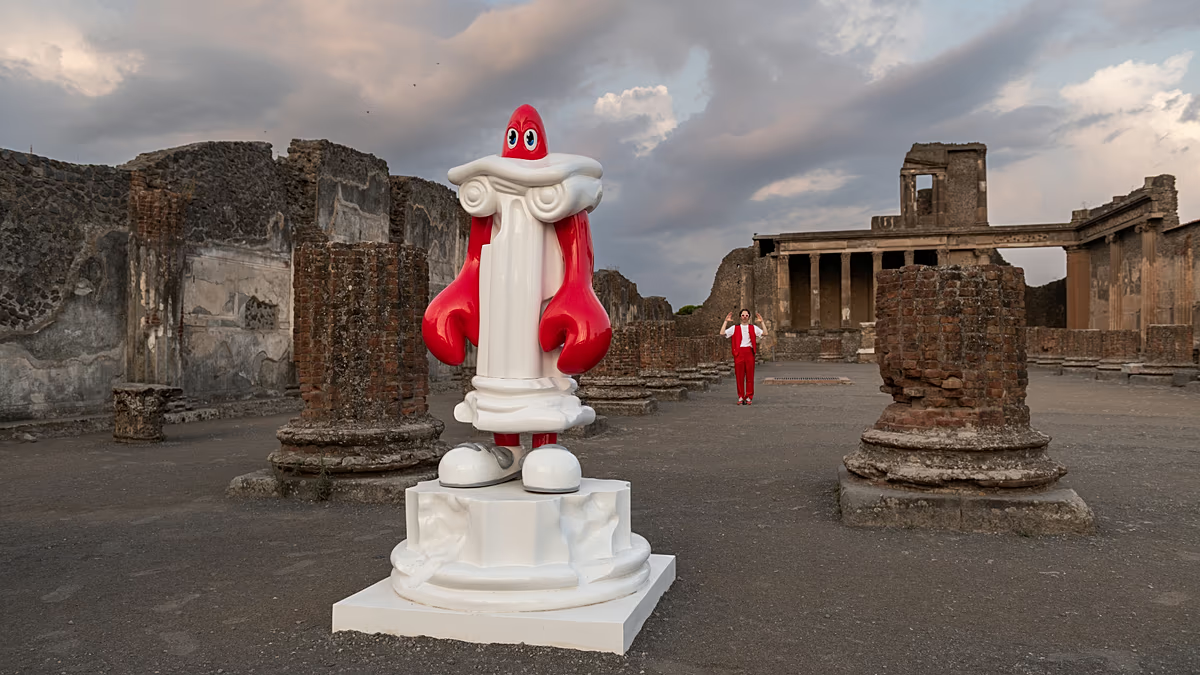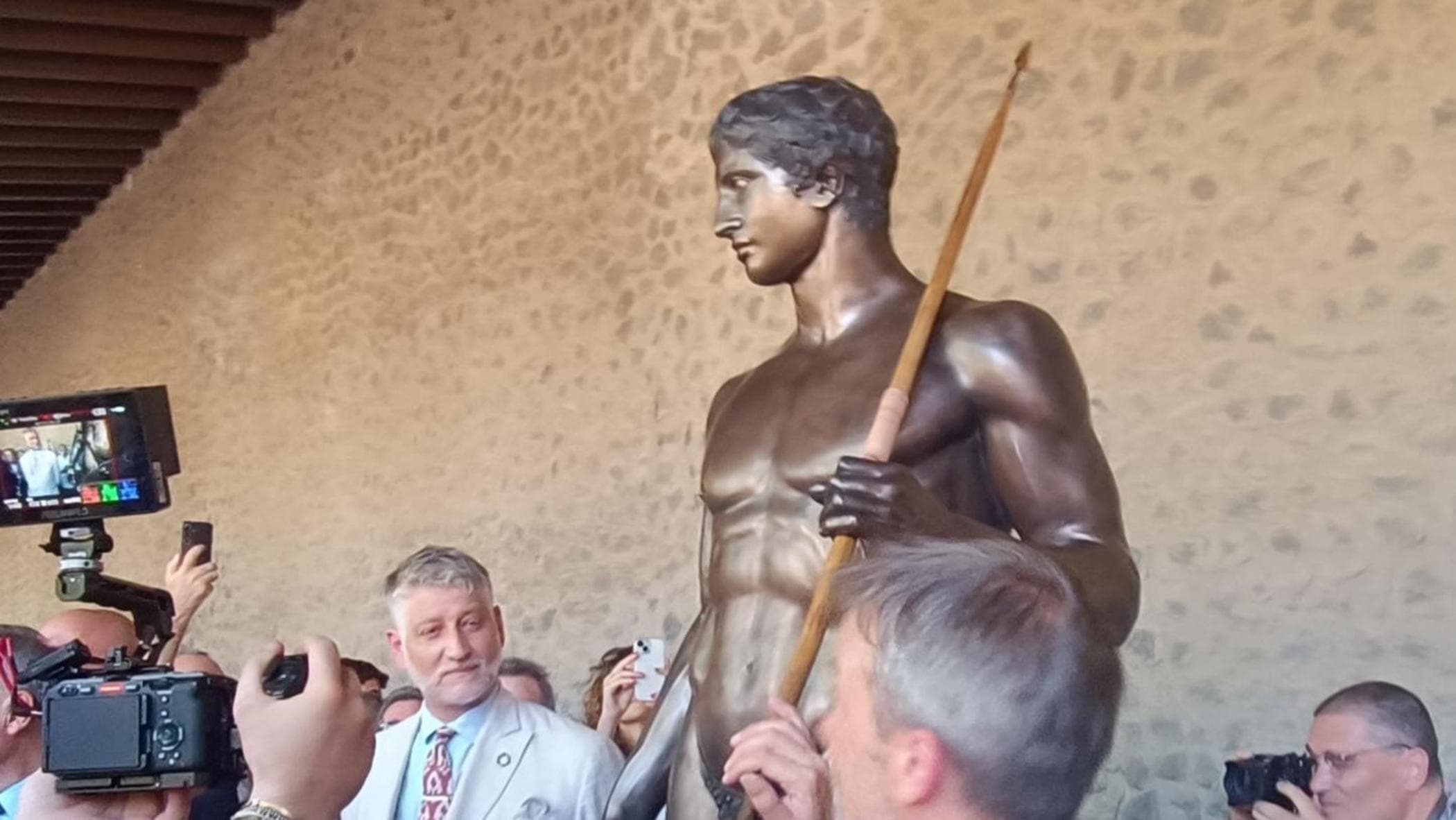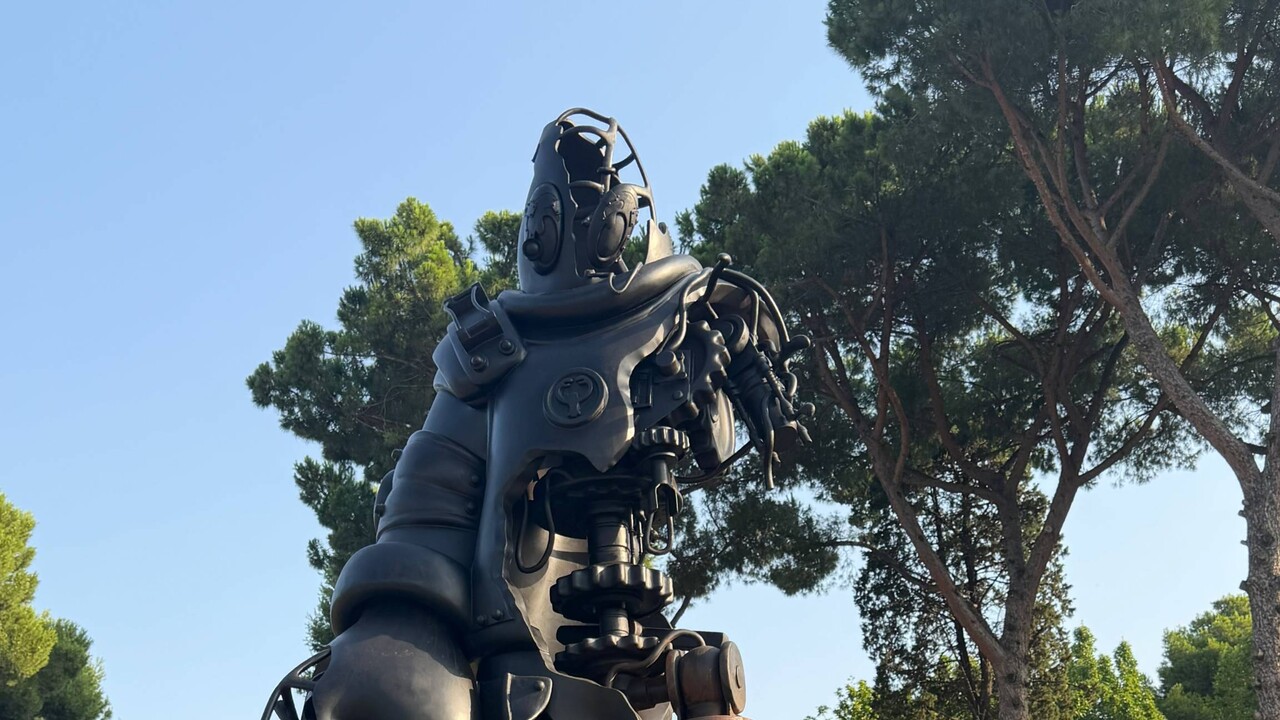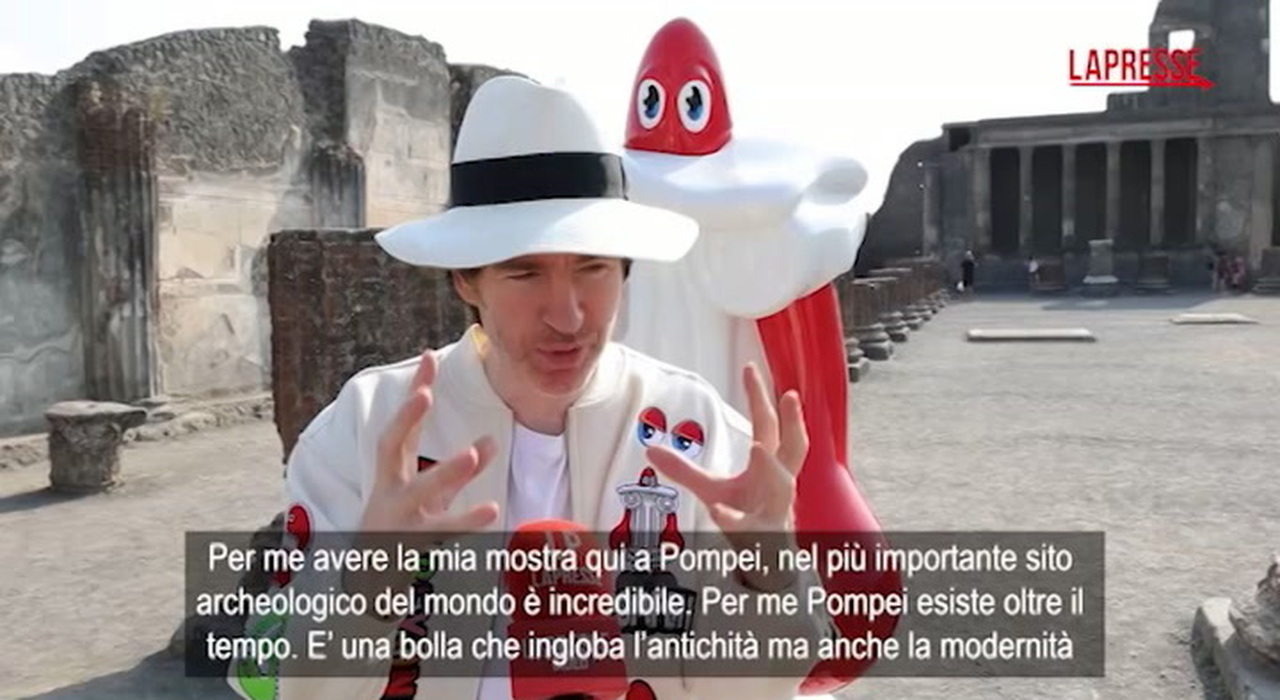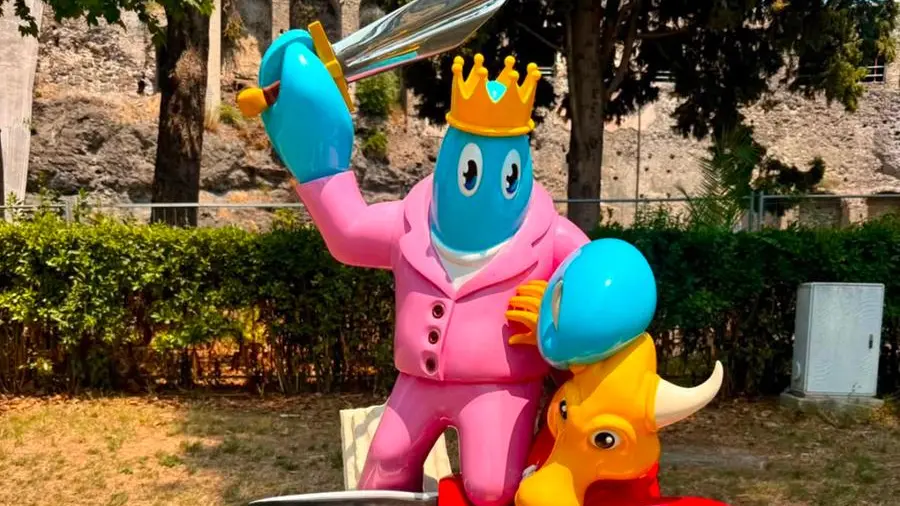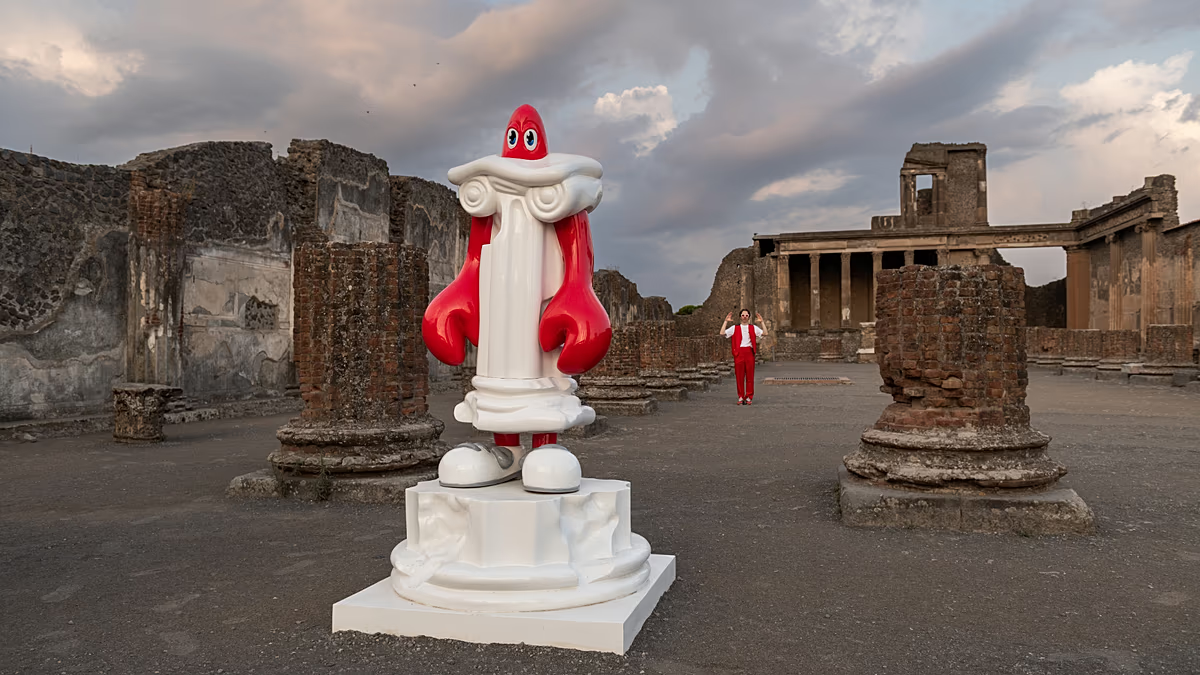
Visitors exploring the ancient ruins of Pompeii this summer may stumble upon an unexpected sight: towering lobster sculptures standing among Roman villas, ancient streets and archaeological remains.
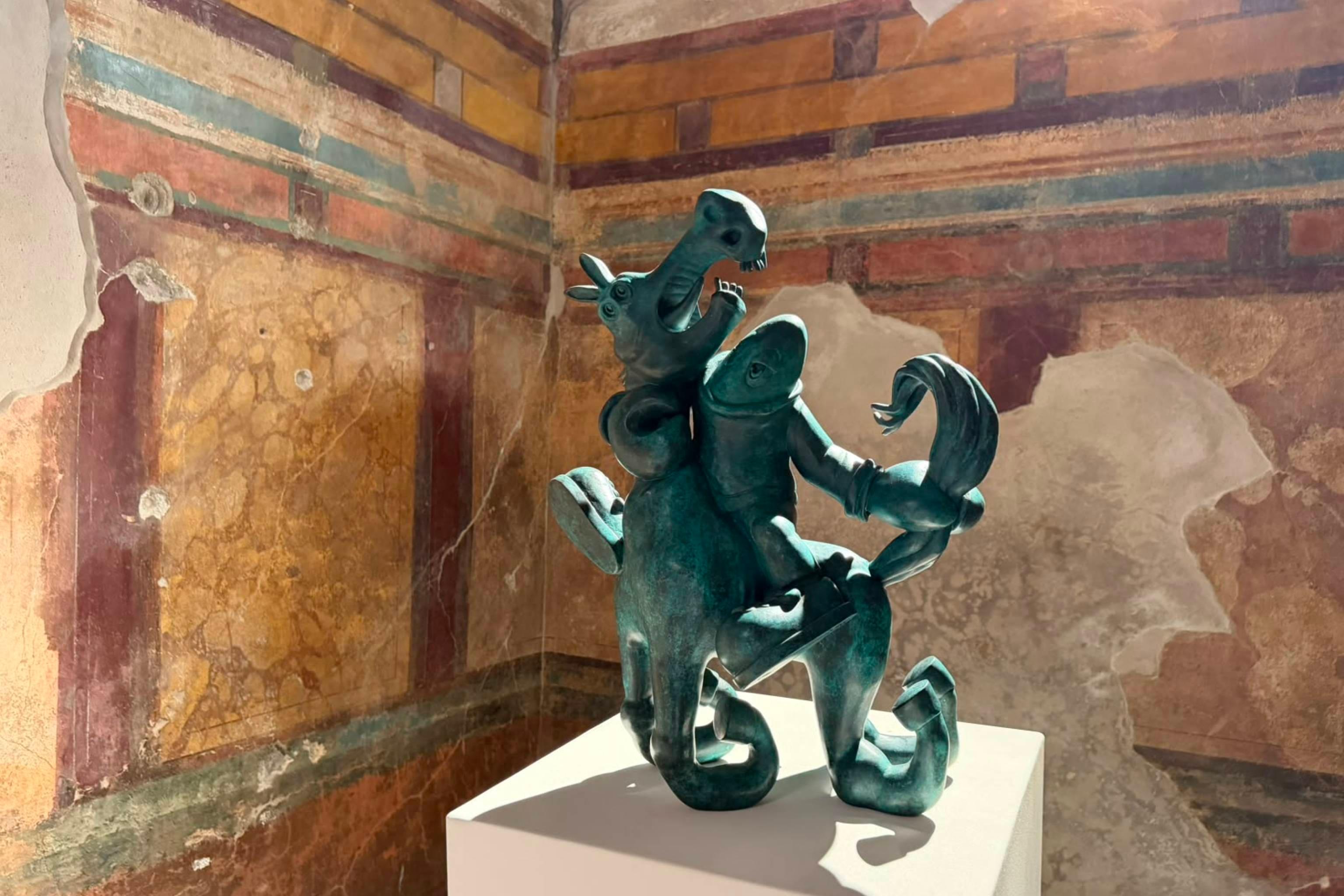
The surreal intervention, which began last week is part of Philip Colbert in Pompeii: Pop Mythology, the British artist's largest exhibition to date. On display at one of the world's most celebrated archaeological sites are more than 30 monumental lobster sculptures, creating an unusual conversation between antiquity and contemporary pop culture.
Known for his colourful alter ego The Lobster, Colbert has built an international reputation by reimagining art history through the language of pop art. Frequently described by critics as the heir to Andy Warhol, the London-based artist has staged large-scale public installations from London and Venice to Seoul, Singapore and Shanghai. Pompeii, however, marks his most ambitious takeover yet.
The exhibition is also a milestone for the archaeological park. It is the first contemporary sculpture exhibition in Pompeii in 30 years, and the first time an artist has exhibited inside the ancient city's houses.
For Colbert, Pompeii is much more than an archaeological landmark.