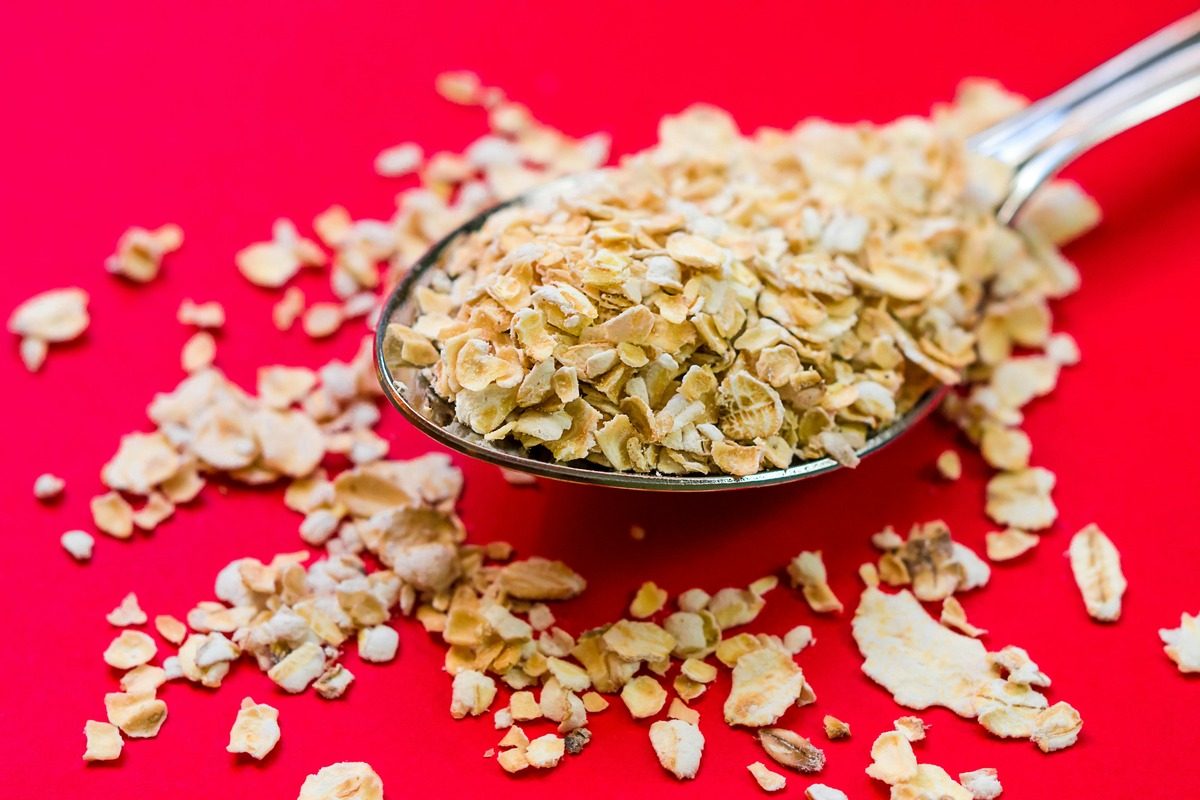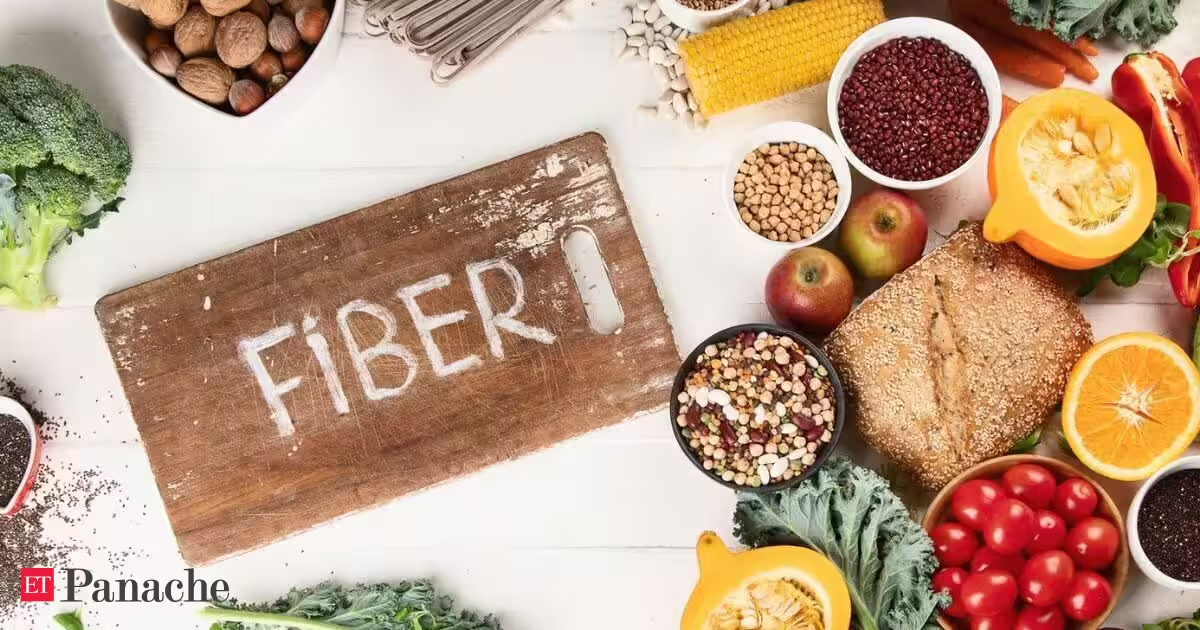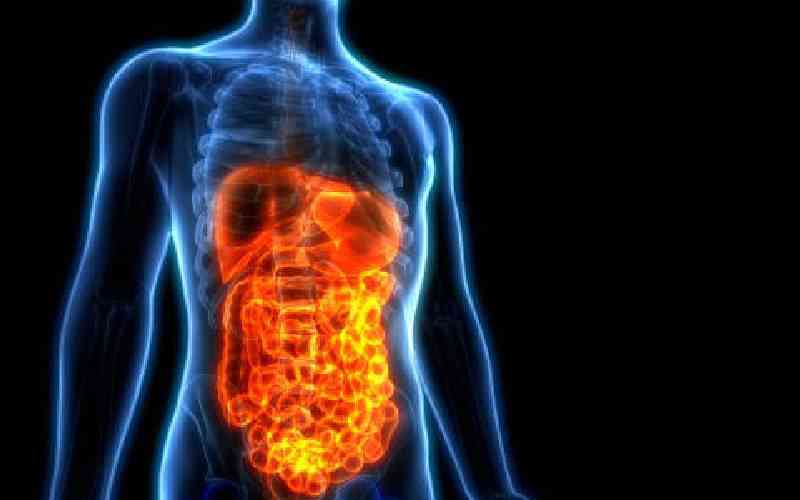
For decades, fibre has been one of the quiet heroes of healthy eating. It keeps the bowel moving, helps prevent constipation and feeds the uncountable bacteria living in the gut. Now, social media has given fibre a new identity. The trend known as “fibremaxxing” is encouraging people to dramatically increase their fibre intake, sometimes to more than 50 grammes a day in the belief that more fibre automatically means better health.
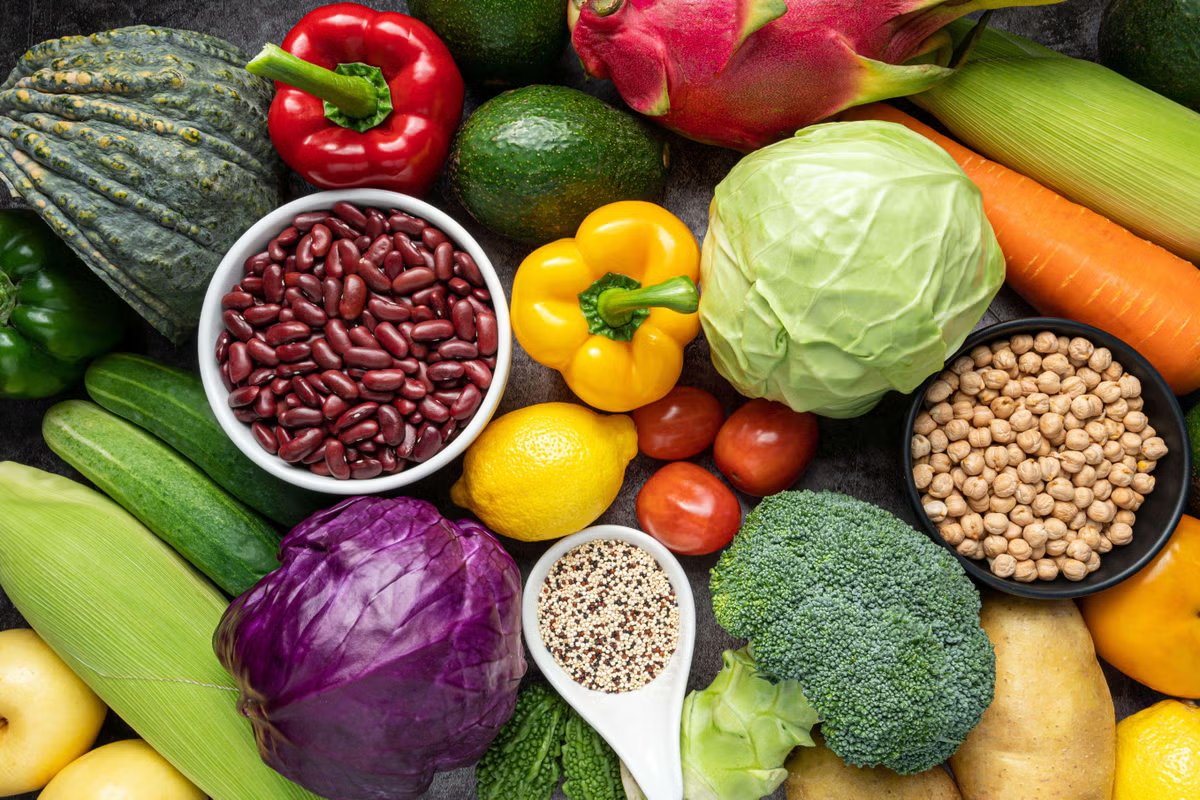
But the gut may not always agree. The trend is rooted in a legitimate concern. Many people do not consume enough fibre, particularly as diets increasingly shift towards highly processed foods. In Kenya, however, traditional foods such as beans, green grams, peas, vegetables, fruits, whole maize, millet and sorghum offer excellent sources of dietary fibre. For many people, improving fibre intake may therefore be less about buying expensive supplements and more about eating a wider variety of whole and minimally processed foods. Fibre is important because, unlike sugars and starches, it is not digested and absorbed in the small intestine.
Facts First
Continue reading with your Standard INSiDER subscription
Already have an account? Login