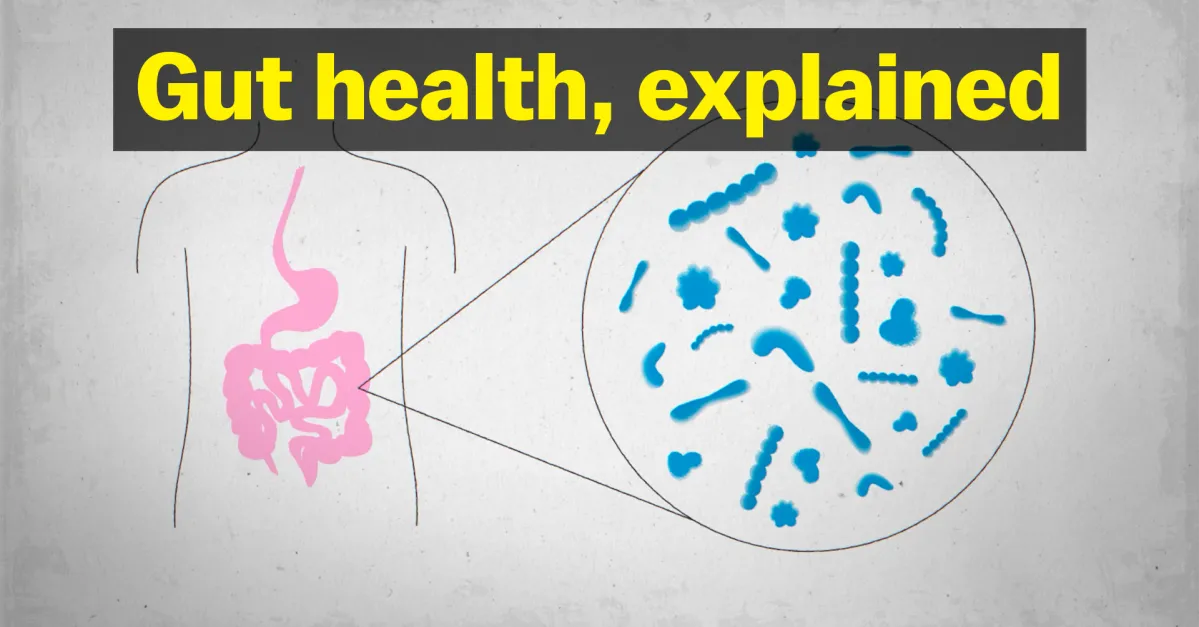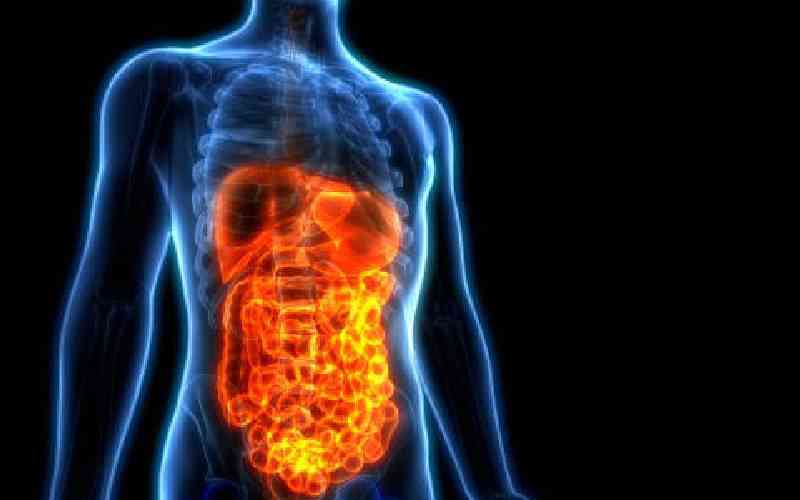
You may have heard of ‘fibremaxxing’. The recent health trend has been popularised on social media platforms like TikTok and involves people increasing their daily fibre intake dramatically – often well beyond the recommended amount of 25–30g (0.9–1oz) per day – with the aim of improving their gut health.
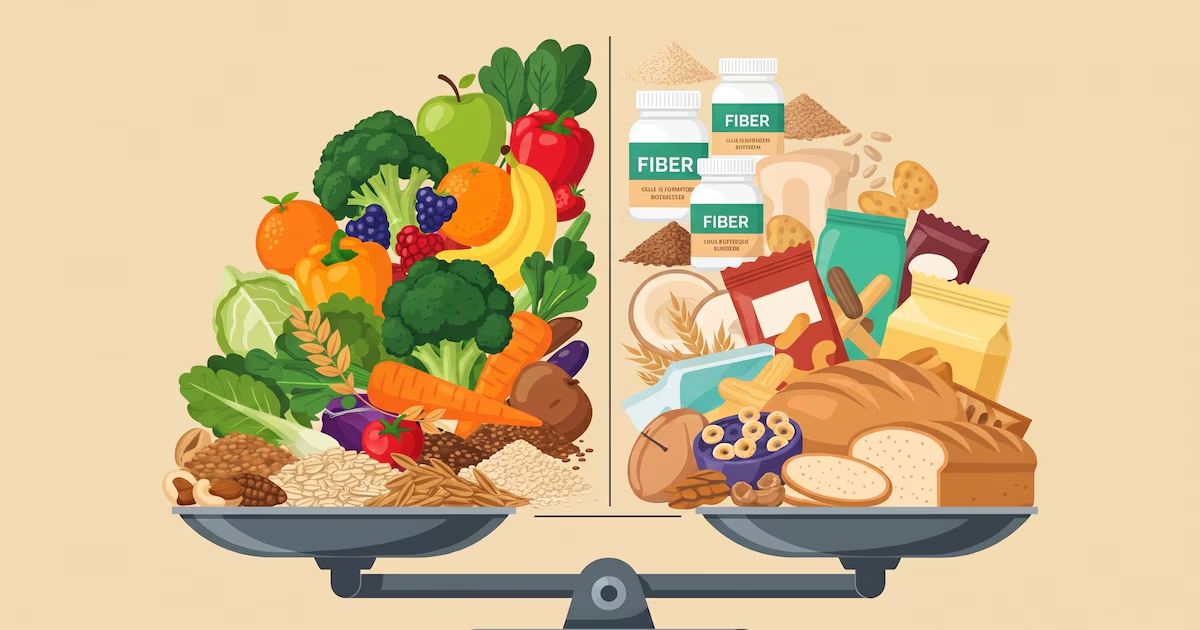
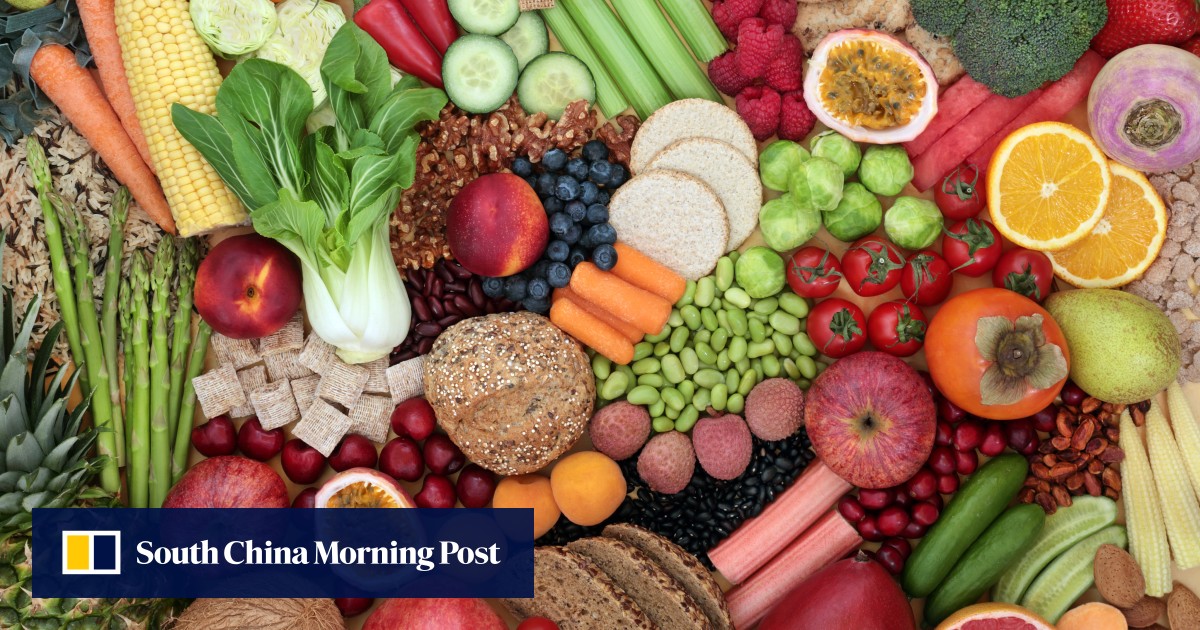
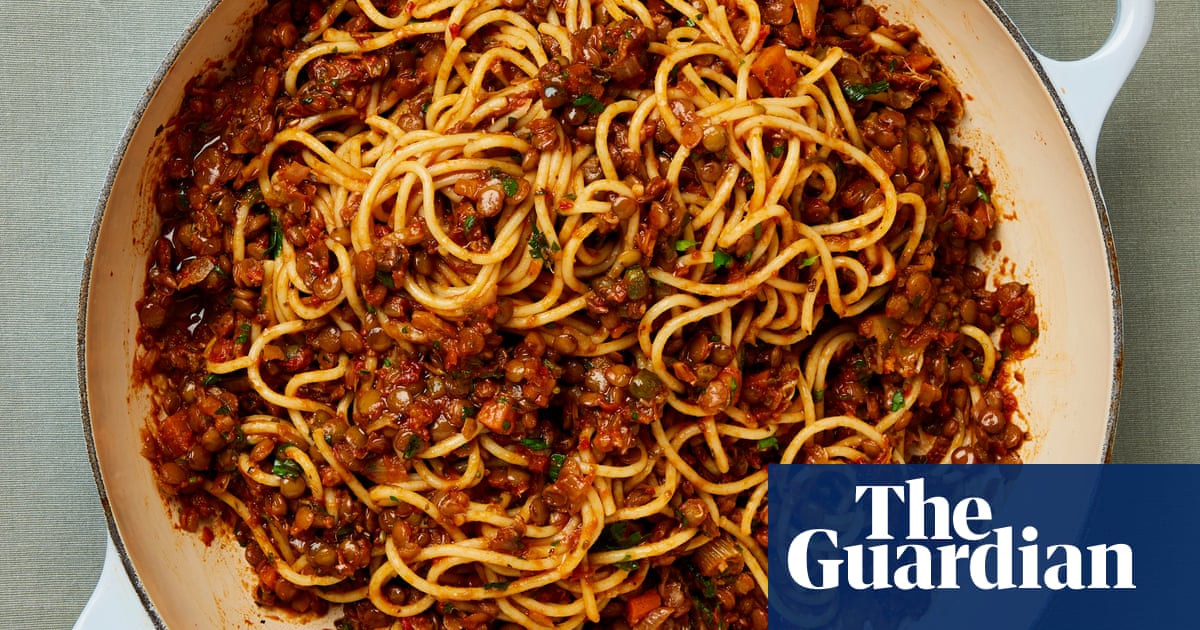
Influencers have been hailing fibre as the “new protein” and loading up on high-fibre foods such as beans, lentils, whole grains, fruits and vegetables, and even taking extra fibre supplements to hit their elevated daily consumption targets.
The theory is that doing so has a suite of health benefits. It’s said to improve digestion, help to make bowel movements more regular, increase gut bacteria and potentially help ease the symptoms of irritable bowel syndrome (IBS).
The trend has grown out of the belief that modern diets don’t provide us with enough fibre and there is a grain of truth to that.
Indeed, the most recent data shows that 91 per cent of people in the UK fall short of the recommended target for the nutrient and the same is true in the US, where national consumption surveys show that 95 per cent of people aren’t getting enough fibre.