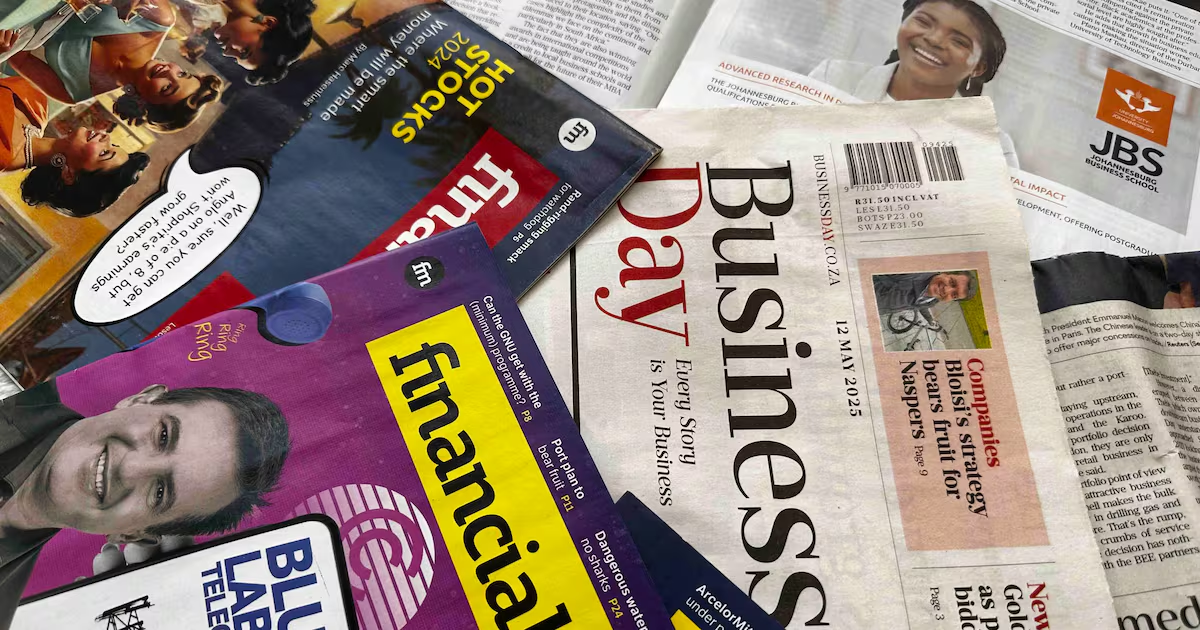
I don’t care for social media outrage, but something happened recently that should worry everyone in the media. The Financial Mail, South Africa’s premier business news magazine, ran a promotional advert informing the public that it would be folding digital news brands Currency and Miningmx into its stable. The problem was that the advert, which billed itself as a team of decades-experienced award-winning journalists, depicted only white people. There’s no value in rehashing the racial implications of the post, which drew much flak and was later apologised for. Nor is there any revelling in the misfortune of colleagues. Media start-ups are a giant middle finger to ambivalent owners and our Big Tech overlords. They deserve our support.Currency is a news start-up formed a few years ago by former Financial Mail and Business Day writers. It will now be folded into the Financial Mail, which was partly sold off by Arena Holdings last year. The image added to the social media post was mostly Currency staff. The most charitable interpretation of the image is that it was of a team made up of colleagues who enjoy friendly relationships and decided to branch out and do their own thing. However, look closely at Currency’s public-facing team and you’ll see the makeup of the newsroom many media executives dream about: a group of prominent reporters and editors with established reputations but little visible evidence of the wider production ecosystem. Whether or not those functions exist behind the scenes, they disappear from the story being told about modern journalism. This reflects where the industry is heading.For years, publishers have tried to produce more journalism with fewer people. Digital publishing reduced production costs while increasing the volume of work expected from journalists. Now the rollout of AI threatens to consume the roles of entry-level tasks and production responsibilities across the industry.As digital disruption continues to gut mainstream journalism we will start to see more media start-ups in this vein: a lean model built around a small number of journalists with personal brands, supported by dwindling production teams.But journalism has never been an individual pursuit. Every celebrated reporter has relied on an invisible chain of expertise. Stories are sharpened by subeditors. Layouts are built by designers. Audiences are reached through social media editors and digital specialists. Breaking news depends on reporters who spend long hours doing work that rarely earns awards or public recognition. Yet these are often the first jobs to be undervalued, outsourced or made redundant.The exalted ones of our industry desire a newsroom in this mould. A coterie of prominent journalists who have social capital, without any real place for production staff, who in any case never received the respect they deserved. Maybe this explains why the Currency marketing campaign centred on the journalists at all. Why not the news, or the country, or someone reading the publication while having breakfast? We have seen a disturbing trend of the celebrity journalist developing in recent years, where your social media following is a proxy for your worth as a professional. This has only been accelerated in the age of video-based reporting, news influencers and content creators. Look around you and you will see it. It is found in salary structures, seniority, job security and possibilities for upward mobility. Support staff are generally lower paid and treated relatively poorly. By the time there’s a collective realisation that production units, social media people, designers, digital editors, pavement-pounding breaking news reporters and others actually contributed a lot to this thing called journalism, it may be too late. The faces on the adverts may come to recognise that they were actually bolstered by the thousands of faceless practitioners who did the underpaid dirty work that helped them shine.• Pillay is a Business Day web producer.Business Day
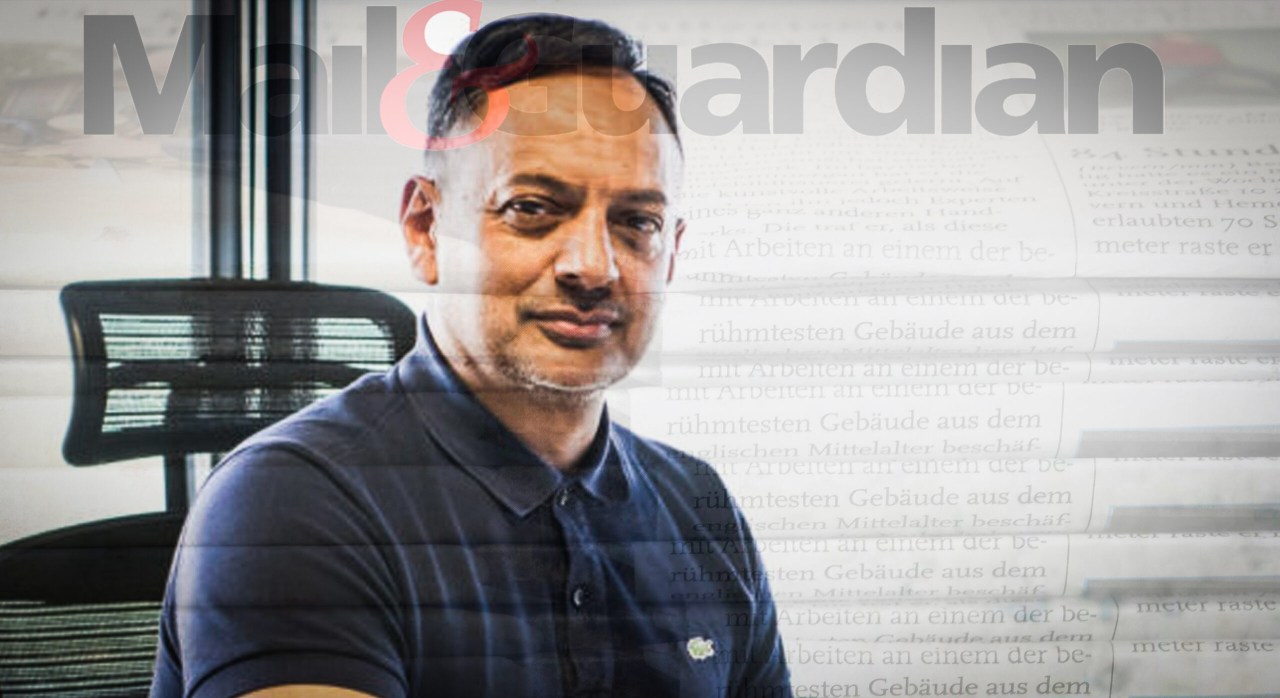
KERUSHUN PILLAY | The hidden issue in the Financial Mail drama
The controversy over the promotional image focused on who appeared in the photograph
TL;DRAI
Financial Mail absorbed startup Currency into a lean model centered on prominent journalists, sidelining production roles. AI-driven job erosion is now replicating this pattern: infrastructure, QA, and support roles—the invisible systems—are being devalued and eliminated.
628 words~3 min read