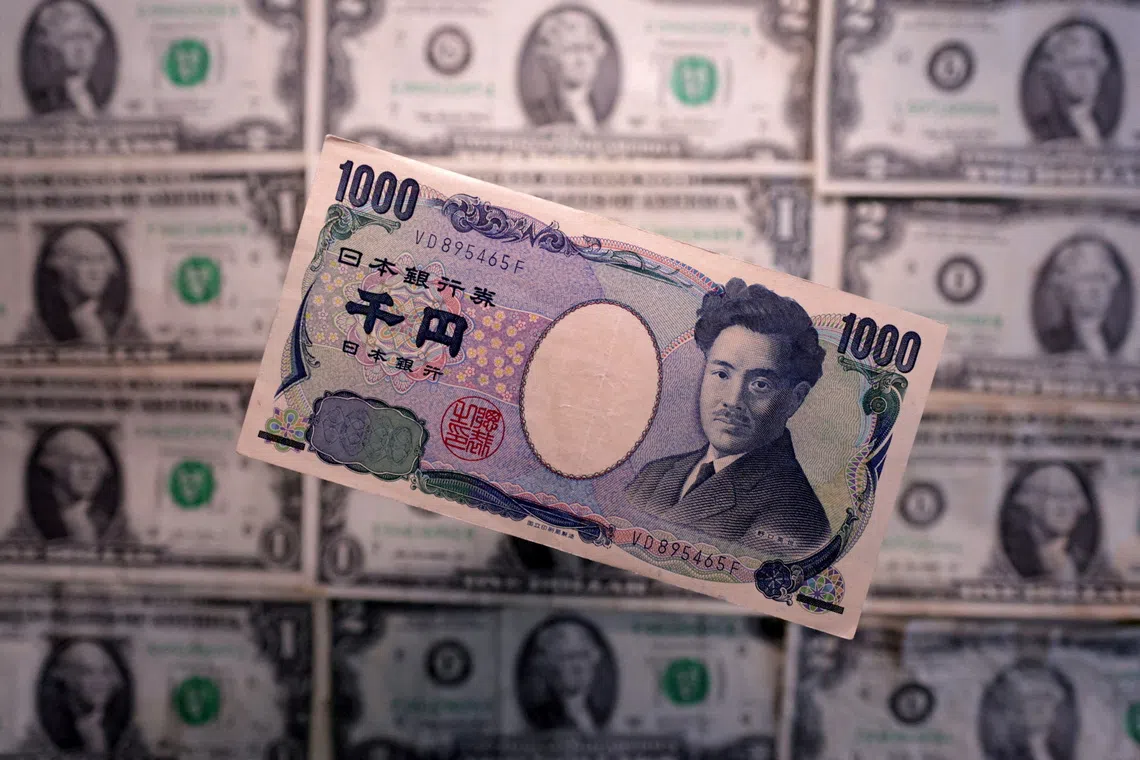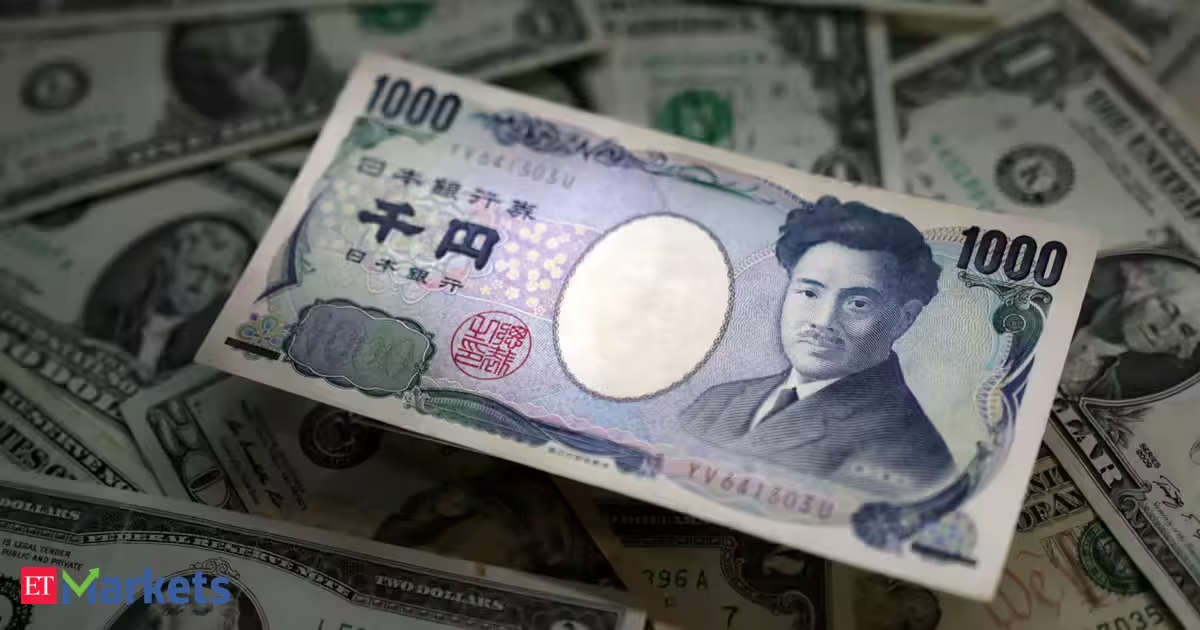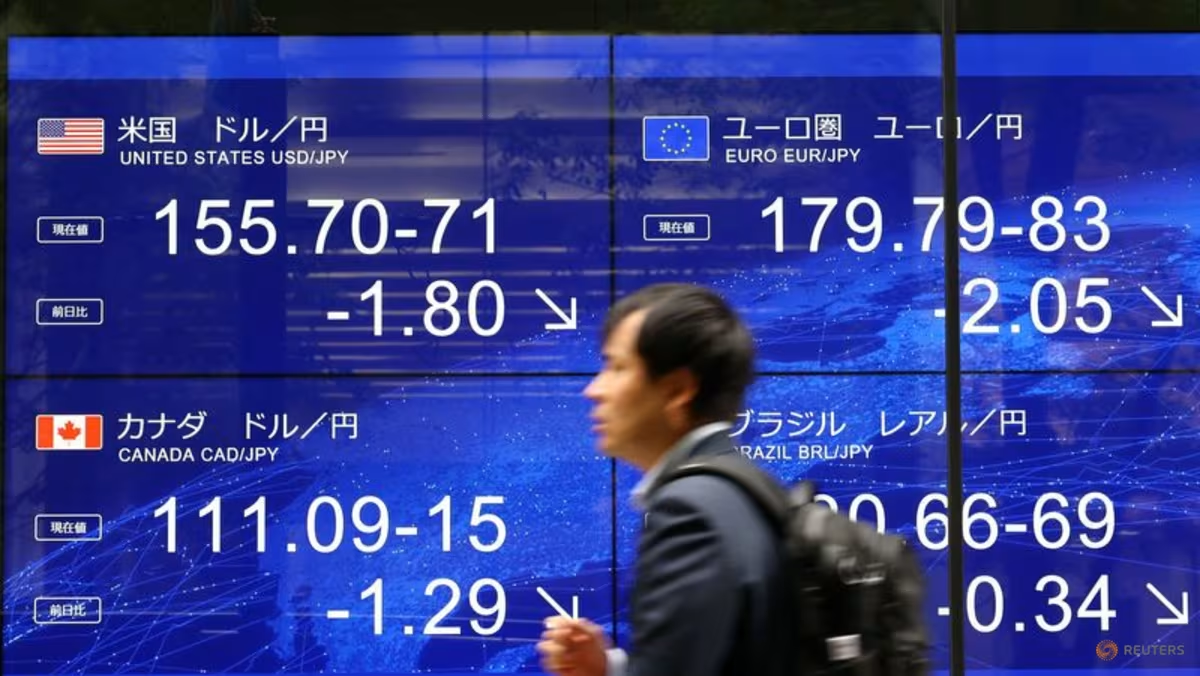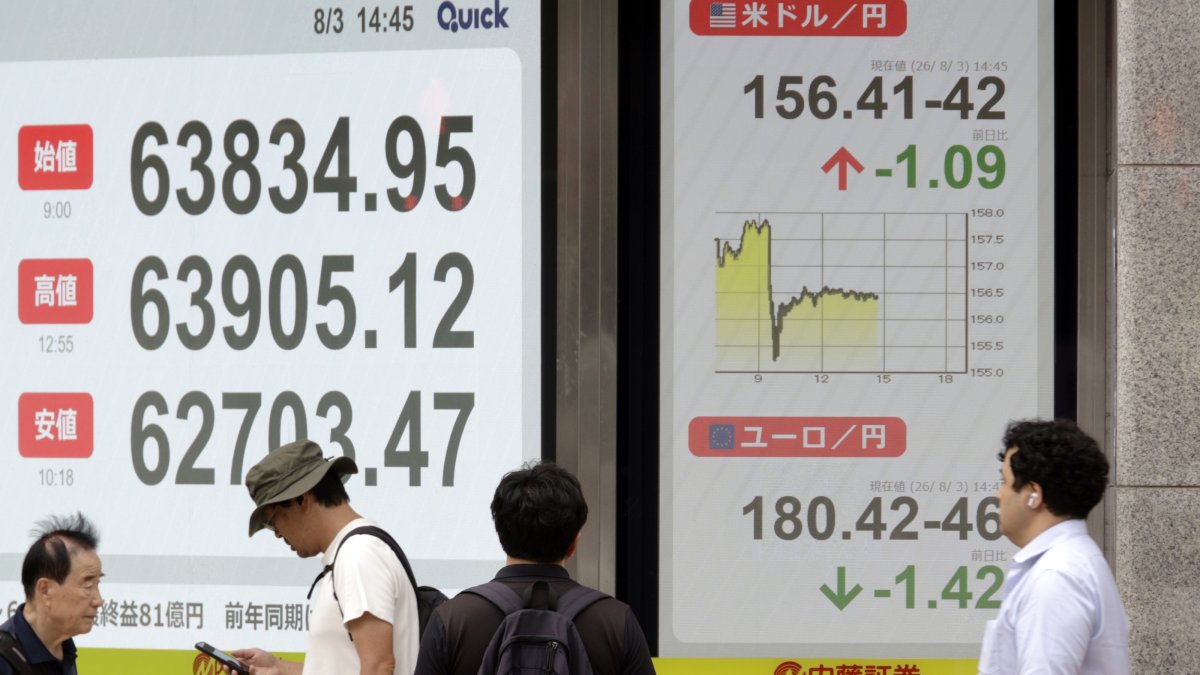
Japan just spent roughly $59 billion in a single day defending its currency. That number is worth sitting with for a moment, because it’s not a typo.
Atsushi Mimura, Japan’s Vice Finance Minister for International Affairs, confirmed on July 31 that Tokyo conducted large-scale yen-buying interventions and is working closely with the Bank of Japan to manage ongoing volatility in the foreign exchange market. He also flagged the FIMA Repo Facility, a tool operated by the U.S. Federal Reserve, as one option available to Japanese authorities for securing dollar liquidity without having to sell U.S. Treasury holdings outright.
What the FIMA repo facility actually is, and why Japan mentioned it
The FIMA Repo Facility was launched in 2020 as a pandemic-era emergency tool. It allows foreign central banks and monetary authorities to temporarily exchange U.S. Treasuries for dollars through repurchase agreements with the Fed.
The practical benefit for Japan is significant. If Tokyo needs dollars to intervene in currency markets, one option is to sell Treasuries directly. But large Treasury sales put upward pressure on U.S. yields, which complicates things for the Fed and strains the broader relationship between the two governments. The FIMA route sidesteps that problem by keeping the Treasuries on ice while Japan accesses the liquidity it needs.