Three thousand people, perhaps more, had fled east across the burning hills of Pakistan-occupied Kashmir, escaping the freedom that had descended upon them. Teenage boys of the village of Soon-Patochi, as leaders of the All-Jammu and Kashmir Muslim Conference recorded in a complaint to Pakistan’s constituent assembly, had been “subjected to unnatural vices” by the Punjab Police. The women were “not only been raped, but in some cases, their breasts and secret parts have been bitten,” the complaint further alleged.
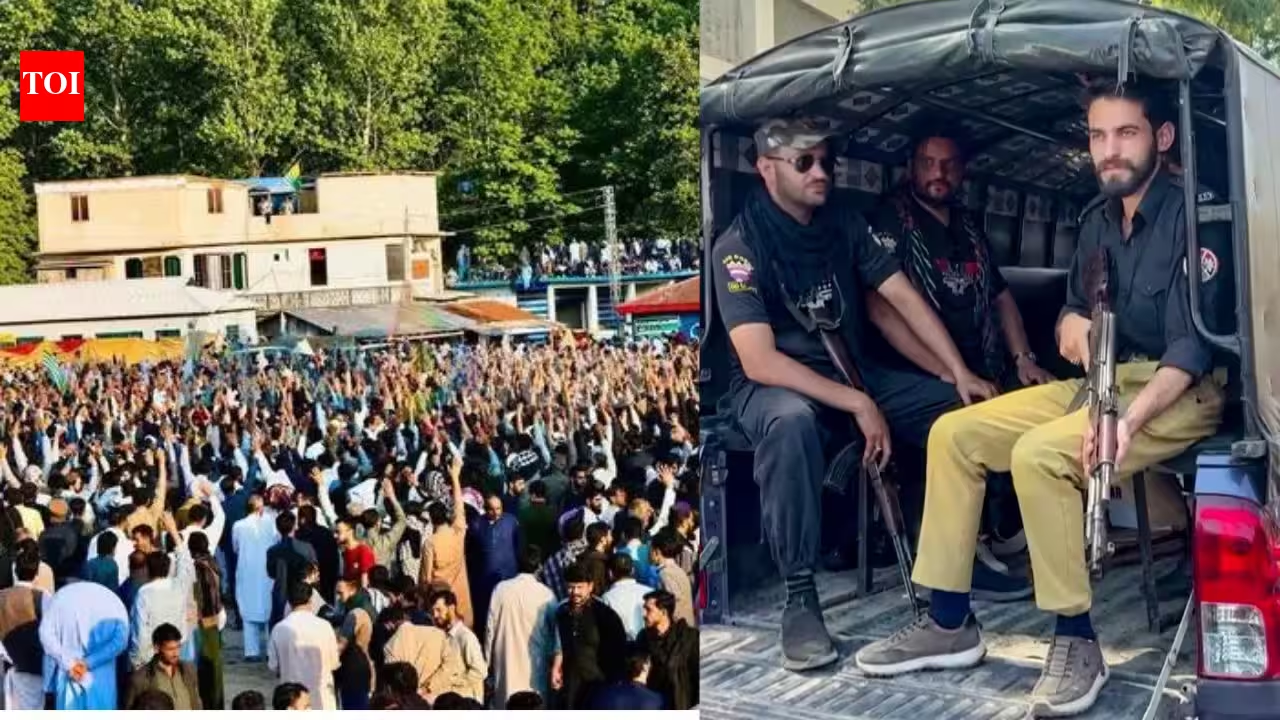
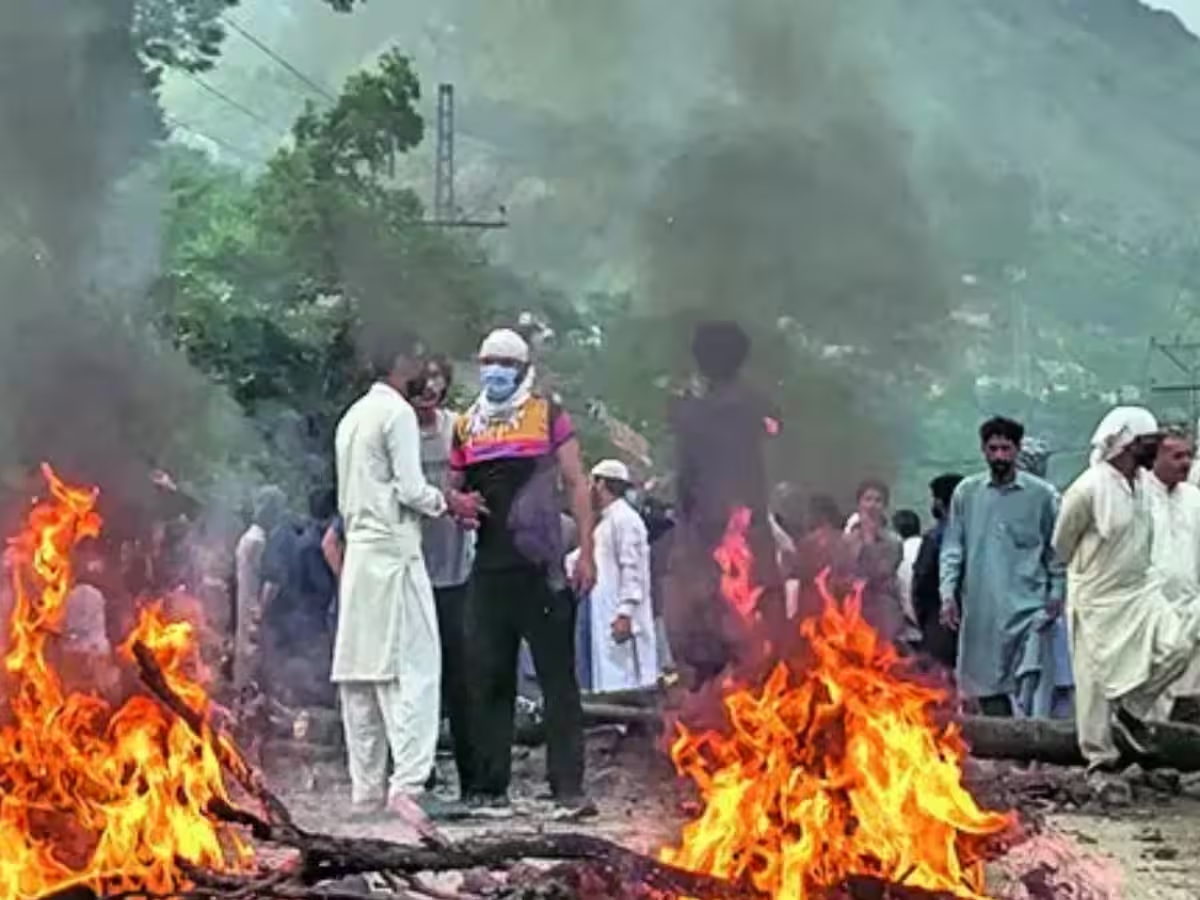
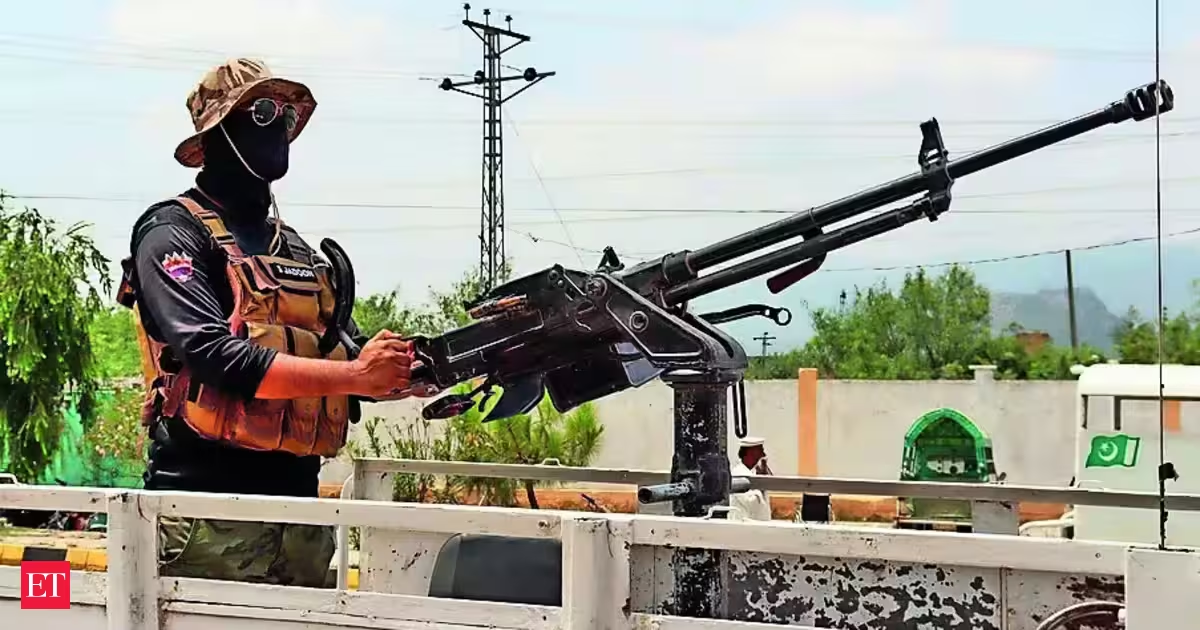
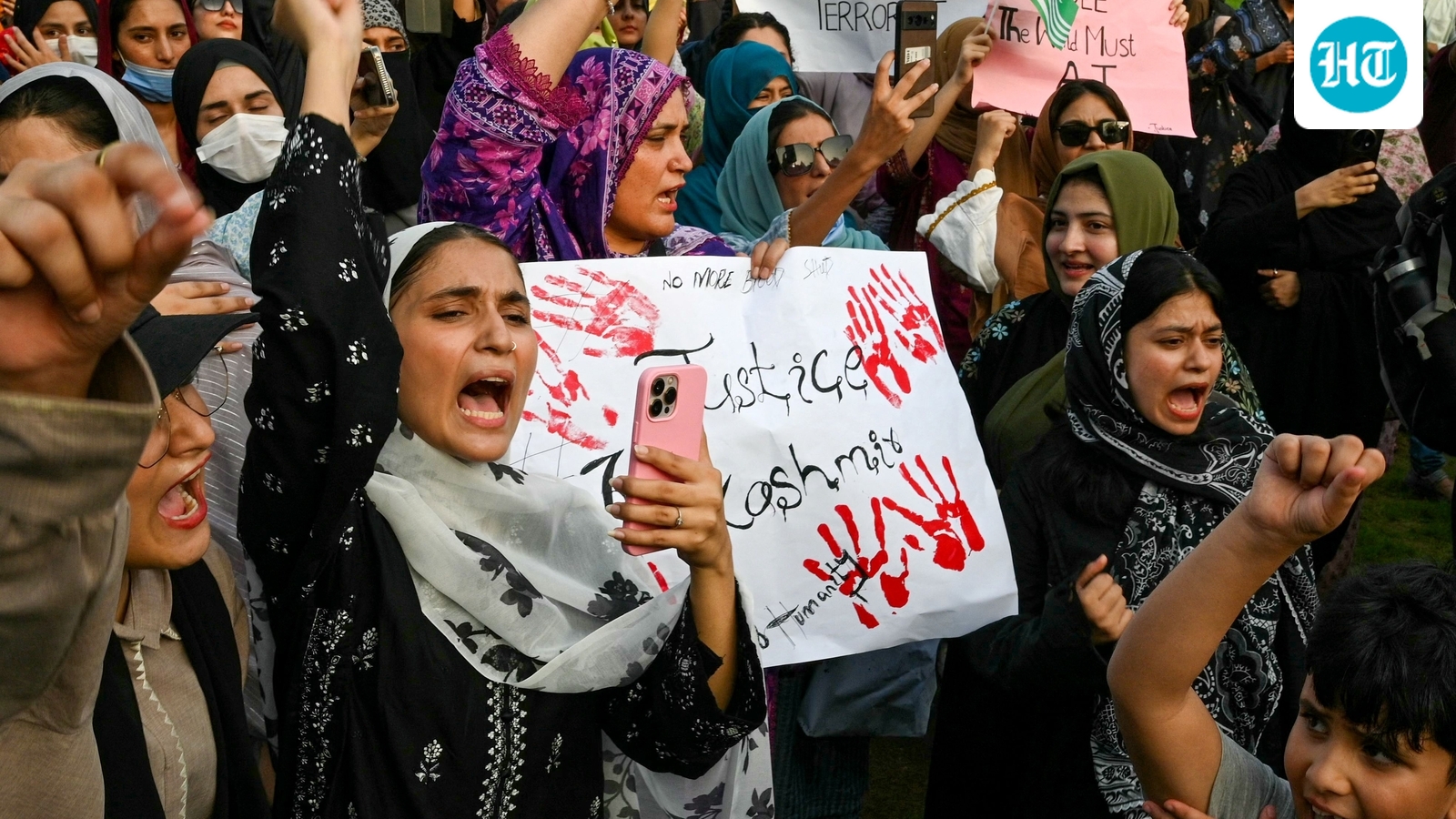
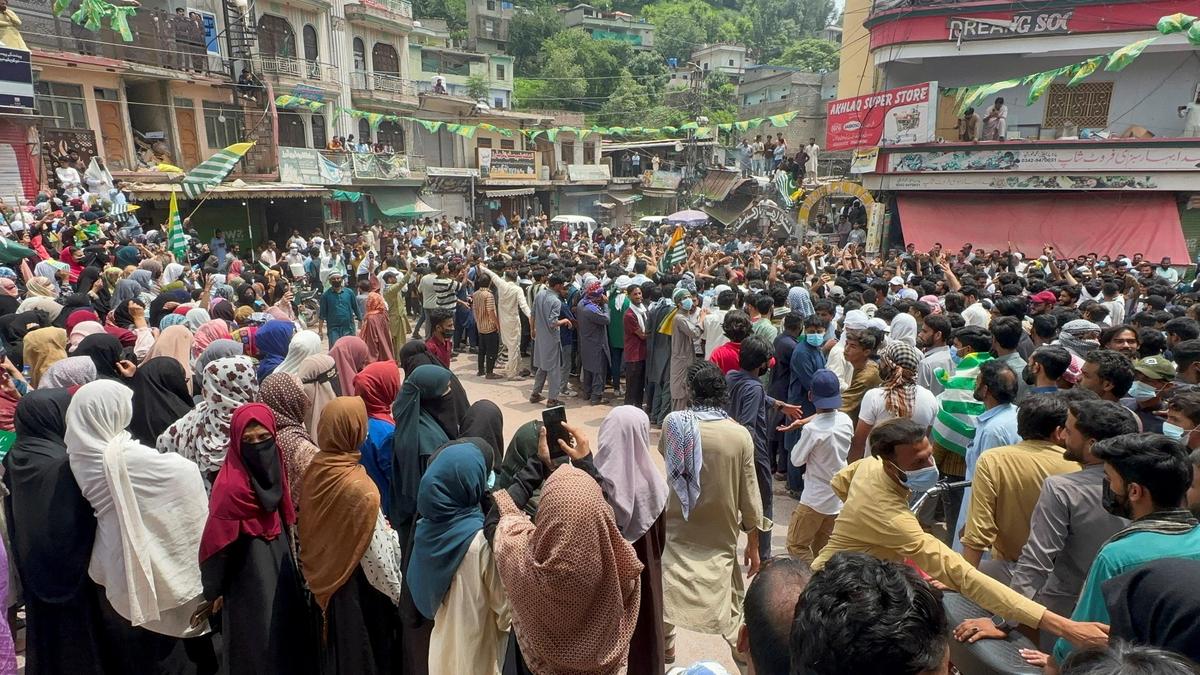
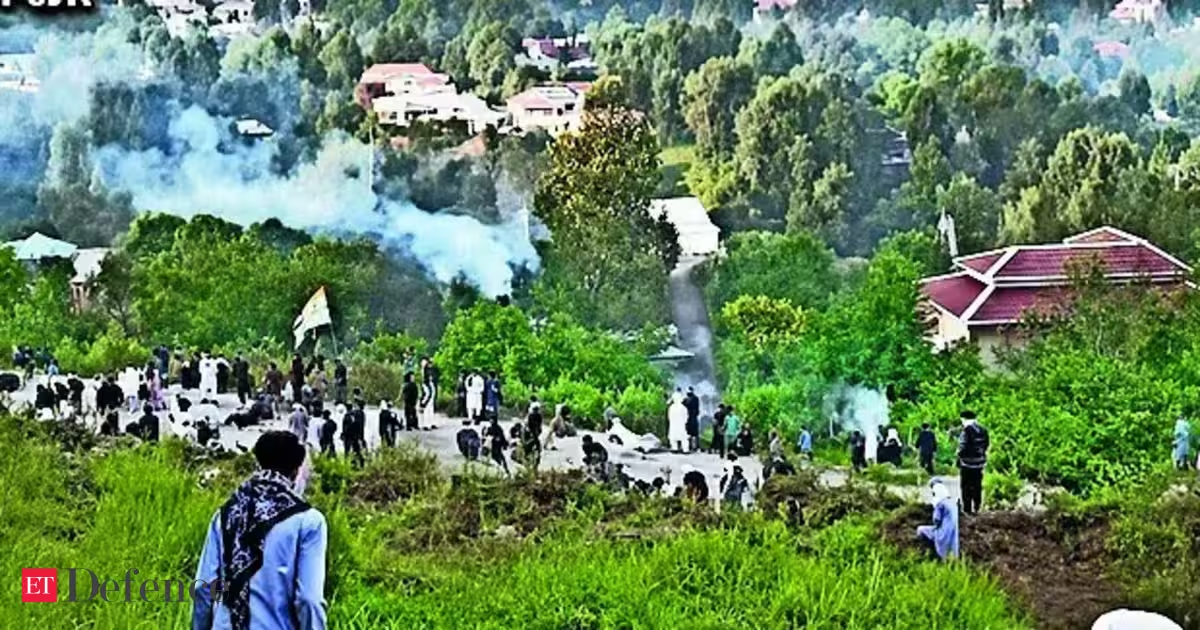
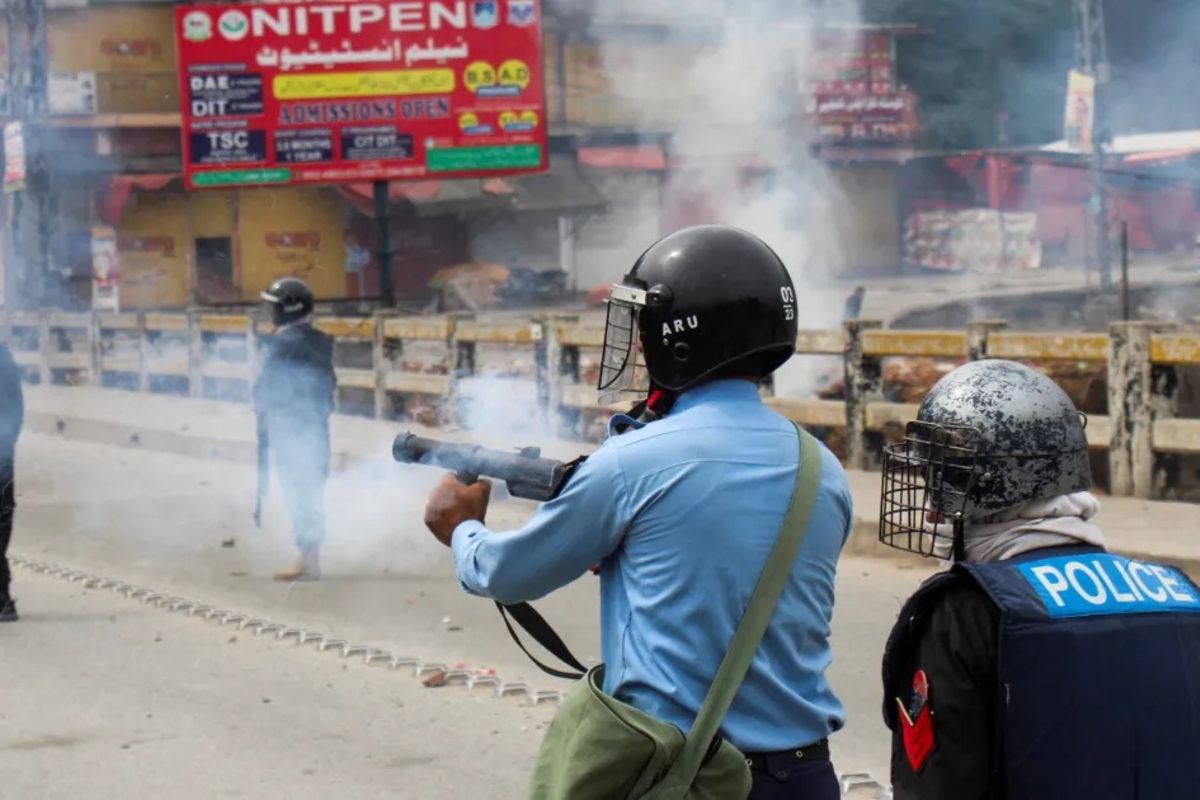
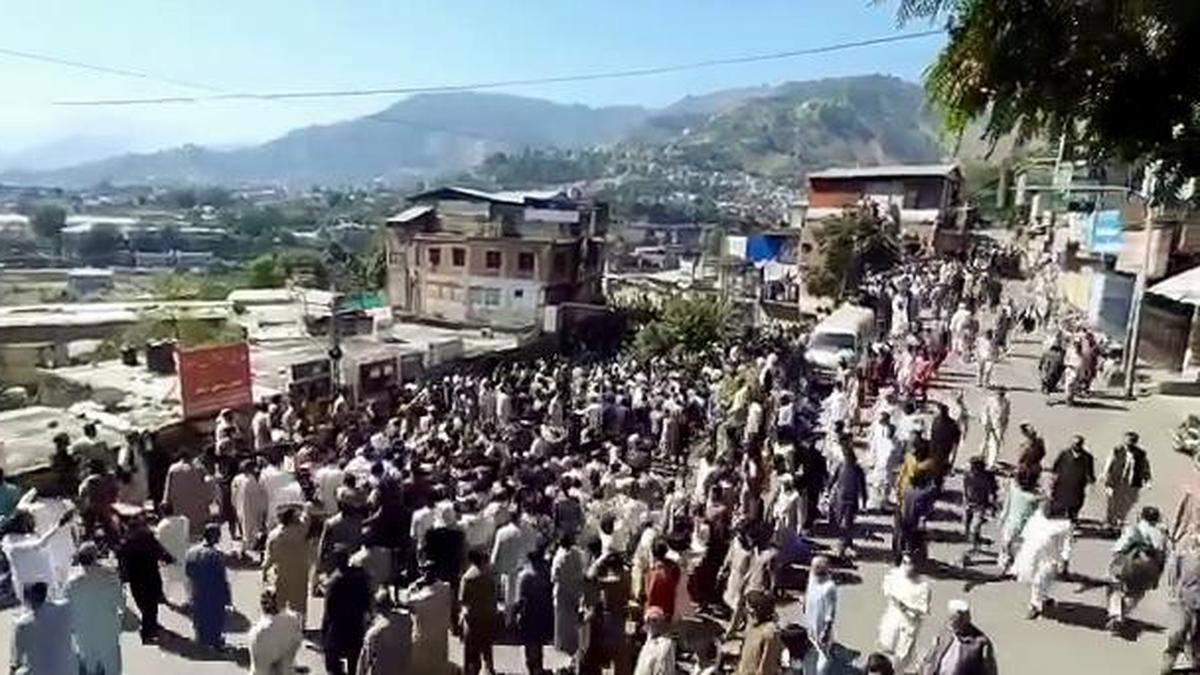
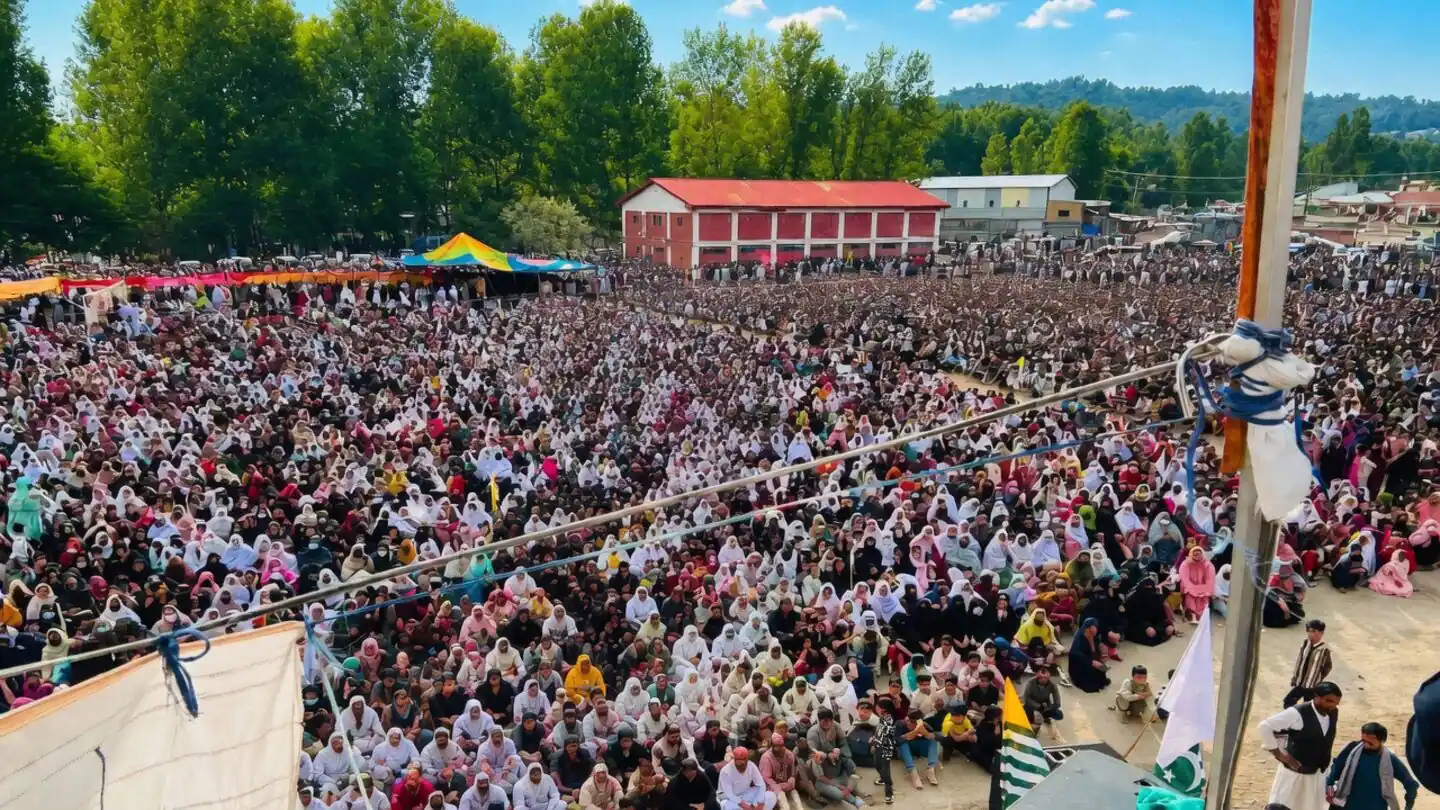
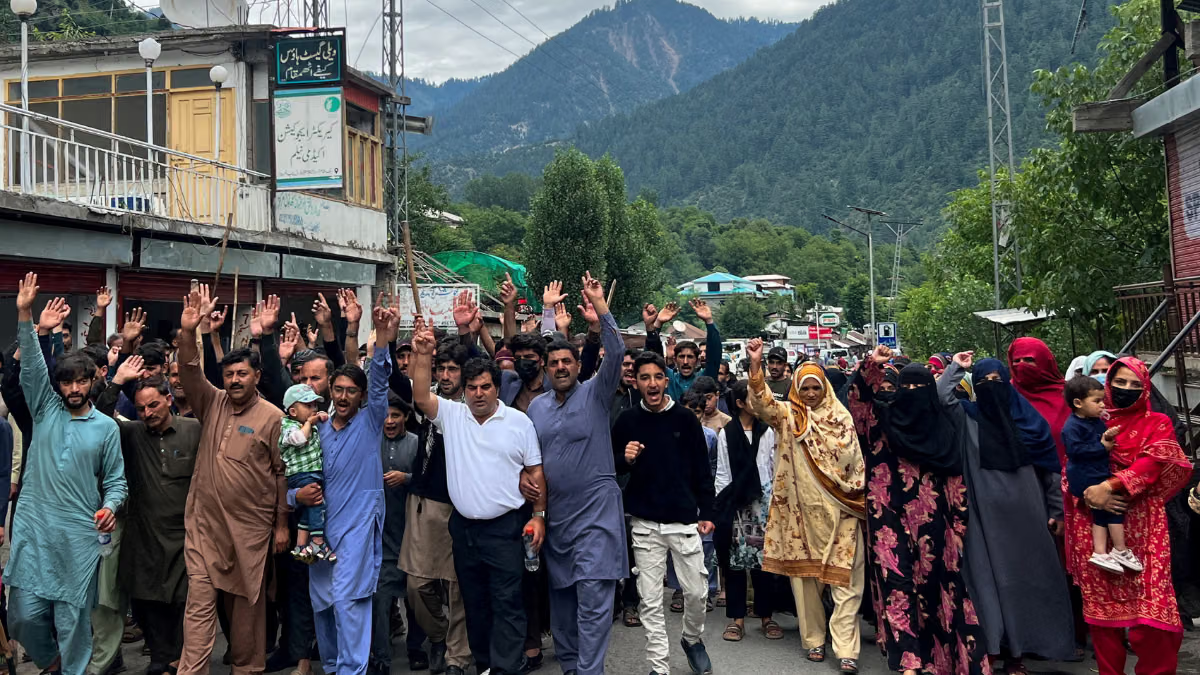
Elders and notables, soon-to-be Prime Minister Sardar Abdul Qayyum wrote, were flogged, then marched through Palandri Bazaar tied with rope: “Some of them were ordered to bark like dogs and the others were compelled to mew like cats.” For more than eight weeks, the villages and towns torn apart by the violence of 1955 have been under attack—again. More than 87 people, journalist Haris Qadir has reported, have been shot dead by central and provincial police since protests broke out seeking democratic reforms and control over economic resources. The group spearheading the protests, the Jammu Kashmir Joint Awami Action Committee, or JAAC— has been declared a terrorist group in June.