In Focus delivers deeper coverage of the political, cultural, and ideological issues shaping America. Published daily by senior writers and experts, these in-depth pieces go beyond the headlines to give readers the full picture. You can find our full list of In Focus pieces here.Suburbia has long been a favorite target for cultural critics.Readers of a certain age will remember the genre of white suburban fiction.
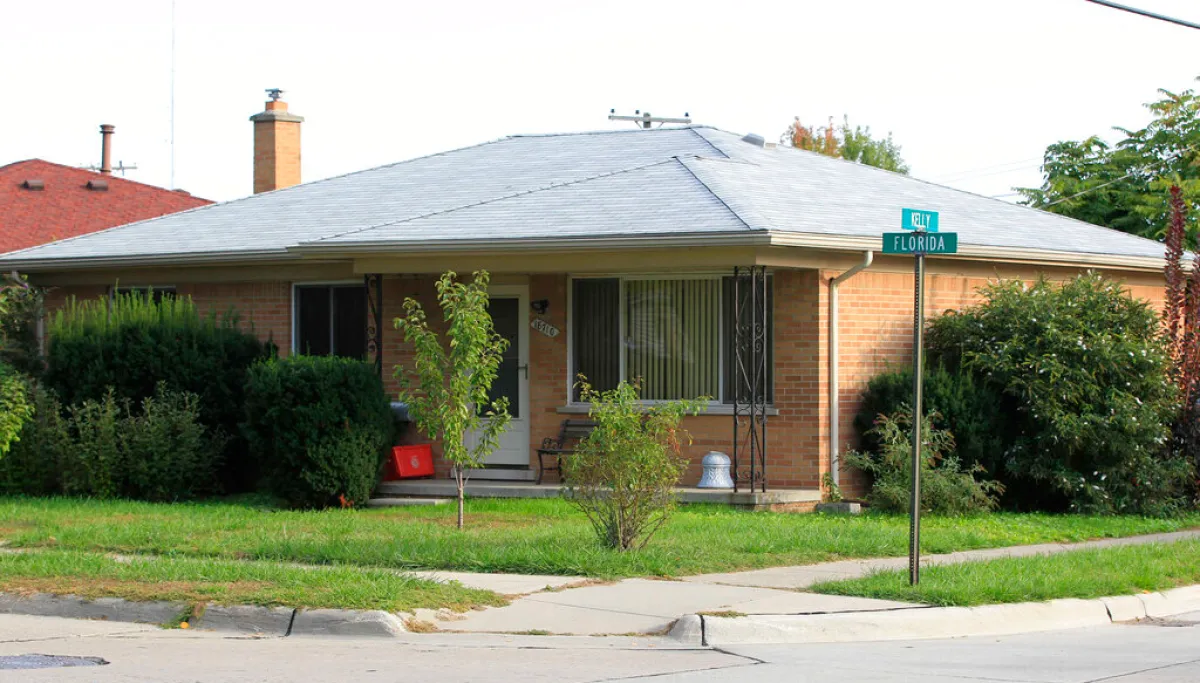
The Ice Storm and American Beauty were the 1990s big-screen versions. John Updike’s Rabbit novels and Richard Yates’ Revolutionary Road were among the 1960s-inflected novels on these themes.The message: Suburban life is impossibly stultifying and repressive. Nobody is actually happy living in a brick single-family home with a yard and a white picket fence.Suburbia-hating of this sort fit perfectly into some strains of feminism, such as Betty Friedan’s The Feminine Mystique: Marriage is a golden cage, and the suburban housewife is either on quaaludes or about to run away with her French lover.The Left’s favorite bogeymen have all been deployed against the burbs: They are all white (both racist and uncool), sprawl causing global warming, lawns are useless, and destroying the planet.The subversive, edgy anti-suburban take became a cliched by the end of the 20th Century. In the first 10 or 15 years of the new century, America’s cities enjoyed a renaissance, while the suburbs, according to the tastemakers, were knocking on death’s door.“Manhattan is thriving. Crime is at record lows, and ‘inner cities’ in San Francisco, Chicago, Los Angeles, and Boston are vital,” wrote Harvard social scientist Robert J. Sampson, author of Great American City. “Meanwhile, many a suburb is hemorrhaging. Vacant homes dot the suburban landscape of the subprime mortgage crisis, and poverty is growing. Suburbs are increasingly seen as culturally stale and boring, especially for those who will define the future—the young.”Sampson was reviewing The Great Inversion, an acclaimed 2012 book by Alan Ehrenhalt.“The late 20th century,” Ehrenhalt wrote, “was the age of poor inner cities and wealthy suburbs; the 21st century is emerging as an age of affluent inner neighborhoods and immigrants settling on the outside.”These counter-cultural, counter-intuitive stories are told so often with so little pushback that they are no longer counter-anything. They are the official dogma. They’re also largely at odds with how Americans live and want to live.What the people want