In Focus delivers deeper coverage of the political, cultural, and ideological issues shaping America. Published daily by senior writers and experts, these in-depth pieces go beyond the headlines to give readers the full picture. You can find our full list of In Focus pieces here.For America’s semiquincentennial, my son and I drove from New York to Williamsburg, Virginia, to hear the Declaration of Independence read from the old Capitol — the very spot where it was proclaimed to cannon fire 250 years ago.The heat pushed 100 degrees, the fifes and drums came up Duke of Gloucester Street, and the reading began.
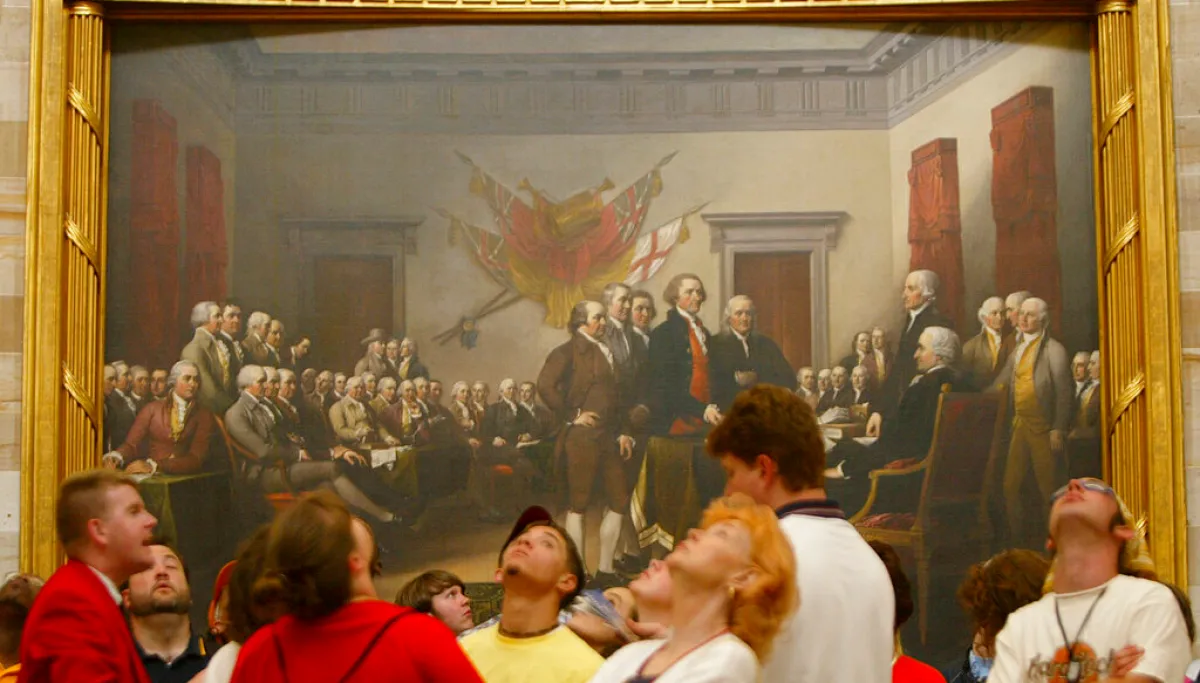
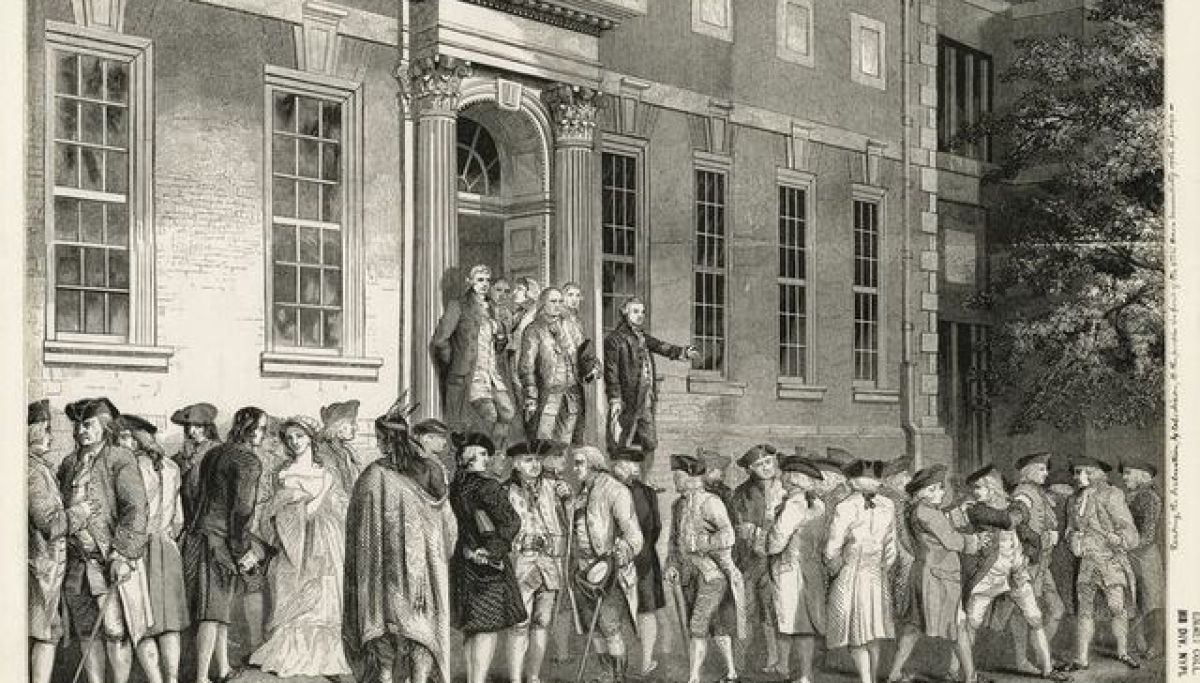
My son and I had a wonderful time exploring the shops and exhibits of the old colonial city and celebrating our nation. As we walked the historic streets, I couldn’t stop thinking about the huge crowd around the Capitol during the reading. Thousands of strangers stood together in the sun, most of them in red, white, and blue, and, aside from a few hats and shirts, I had no way of knowing who among them voted for whom. That morning, nobody was arguing. Individual political choices and attitudes did not matter, for we were all listening to the same words.That feeling I had listening to the Declaration of Independence aloud should not have felt so remarkable, but it did, and I want to name it here. As a professor of politics for almost two decades, one of the deepest problems I see in American life is not that we disagree — free people always disagree — but it is the fact that disagreement has become the only register in which we speak to one another.Regrettably, we are fluent in the vocabulary of difference. Cable news, social media, campaign consultants, and, I regret to share, much of the academy are all organized to name what divides us, and they do it with seemingly tireless energy. Ask Americans what separates them from their neighbors, and they can answer immediately, but ask what they share, and you get a shrug, ignorance, and few answers.Fortunately, the data have long told a different story than the shouting suggests. Twenty years ago, my colleagues and I made the case that America’s culture war was largely a myth — that the polarization filling our screens belonged to a political class, not to the public. The shouting has only grown louder since, but the basic finding holds: new national data show a polity that is not at war with itself but deeply estranged from the parties that claim to speak for it. Americans agree on far more than partisan platforms suggest.We agree on the dignity of the individual, that legitimacy is derived from the consent of the governed, and on the right to speak, express ourselves, and live our lives on our own terms. What has changed is not agreement on these ideas; it is the occasions for affirming them. We have not stopped sharing ideals; we have stopped saying them together, out loud, and in front of one another. We have become very good at proclaiming and parading our disagreements and much less practiced at declaring what binds us.Col. John Nixon at the Pennsylvania State House sharing with the men, women and children — gathered to hear the announcement that the 13 colonies had declared themselves independent states. (image public domain)