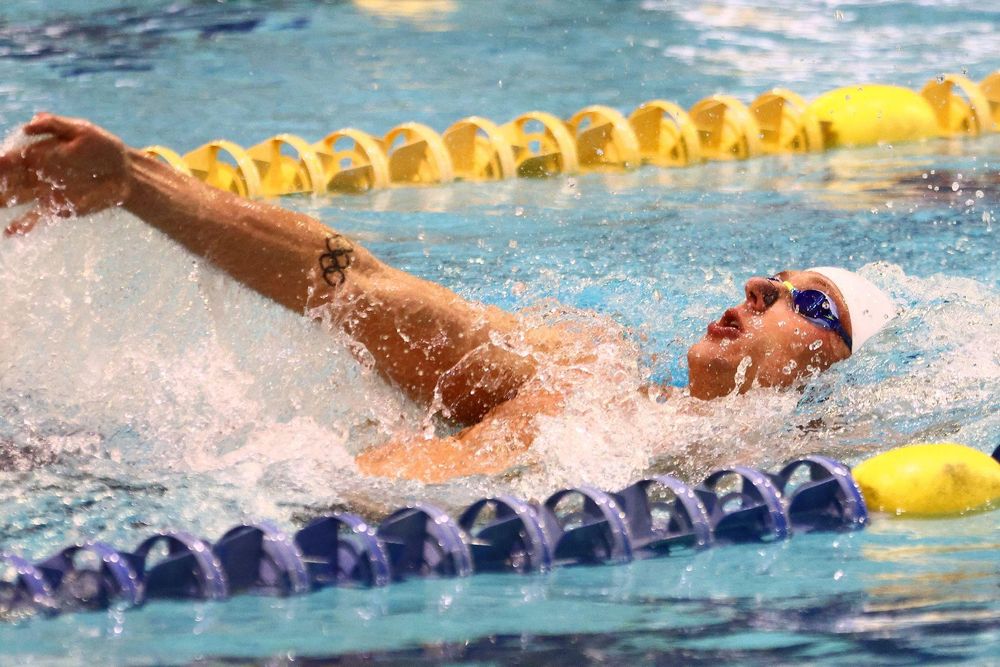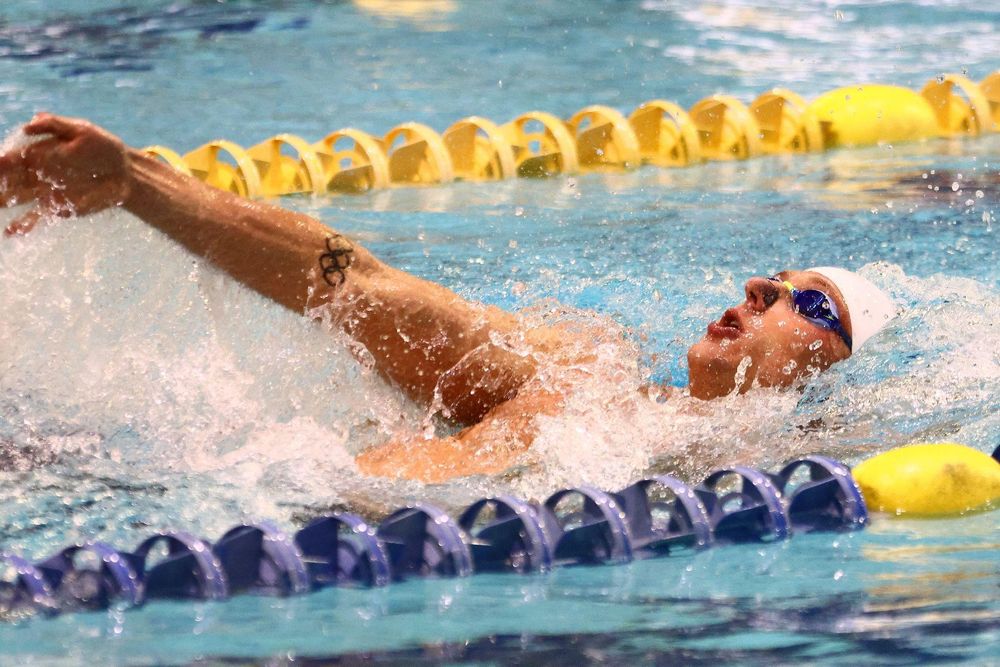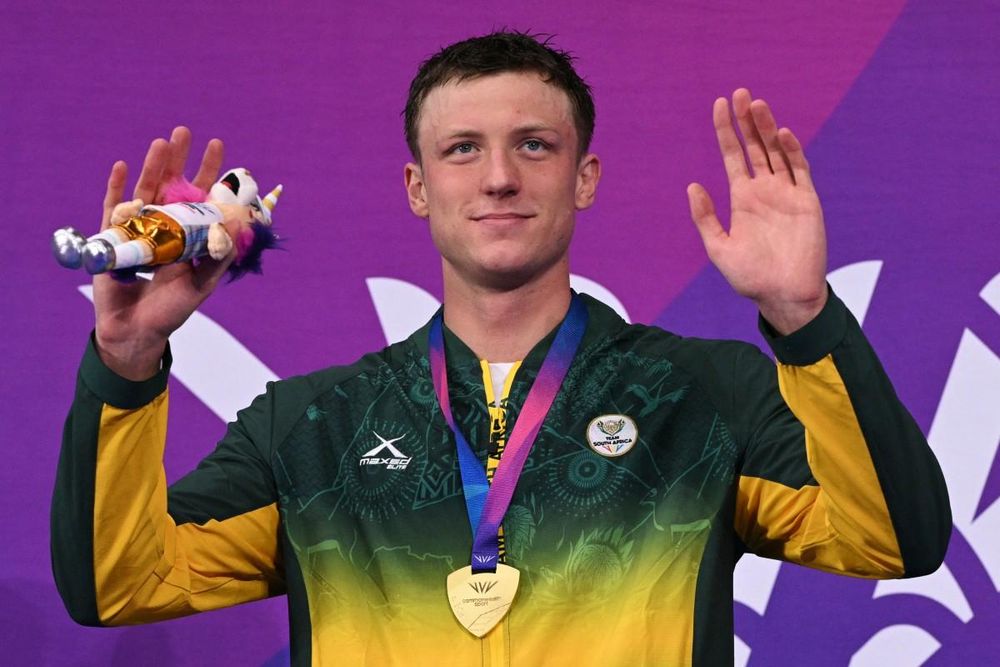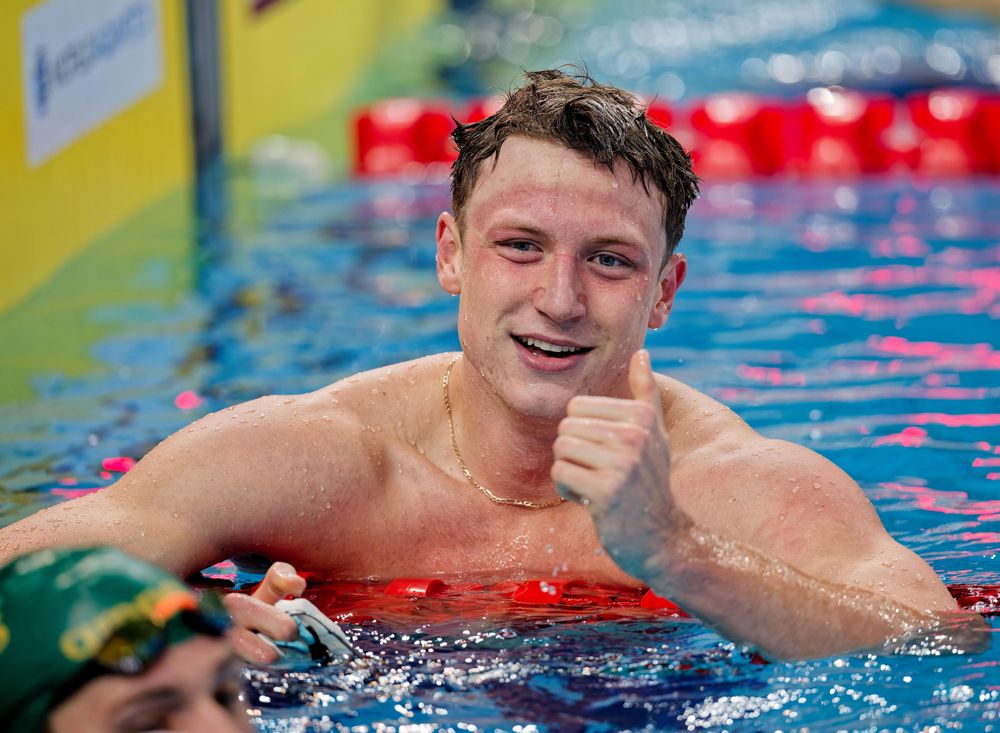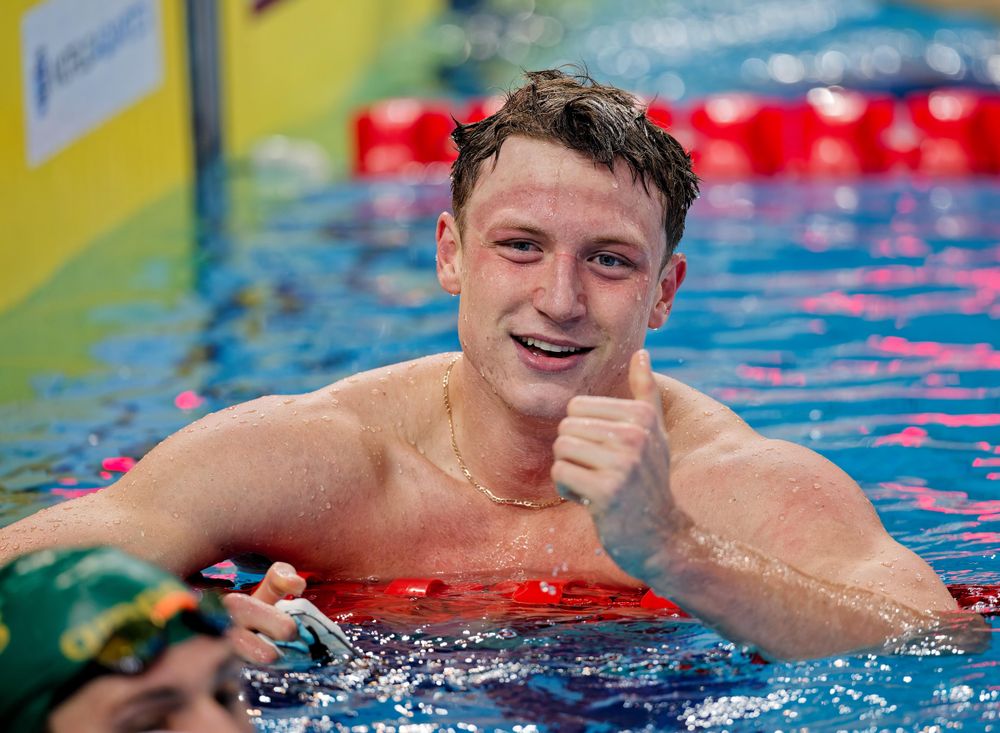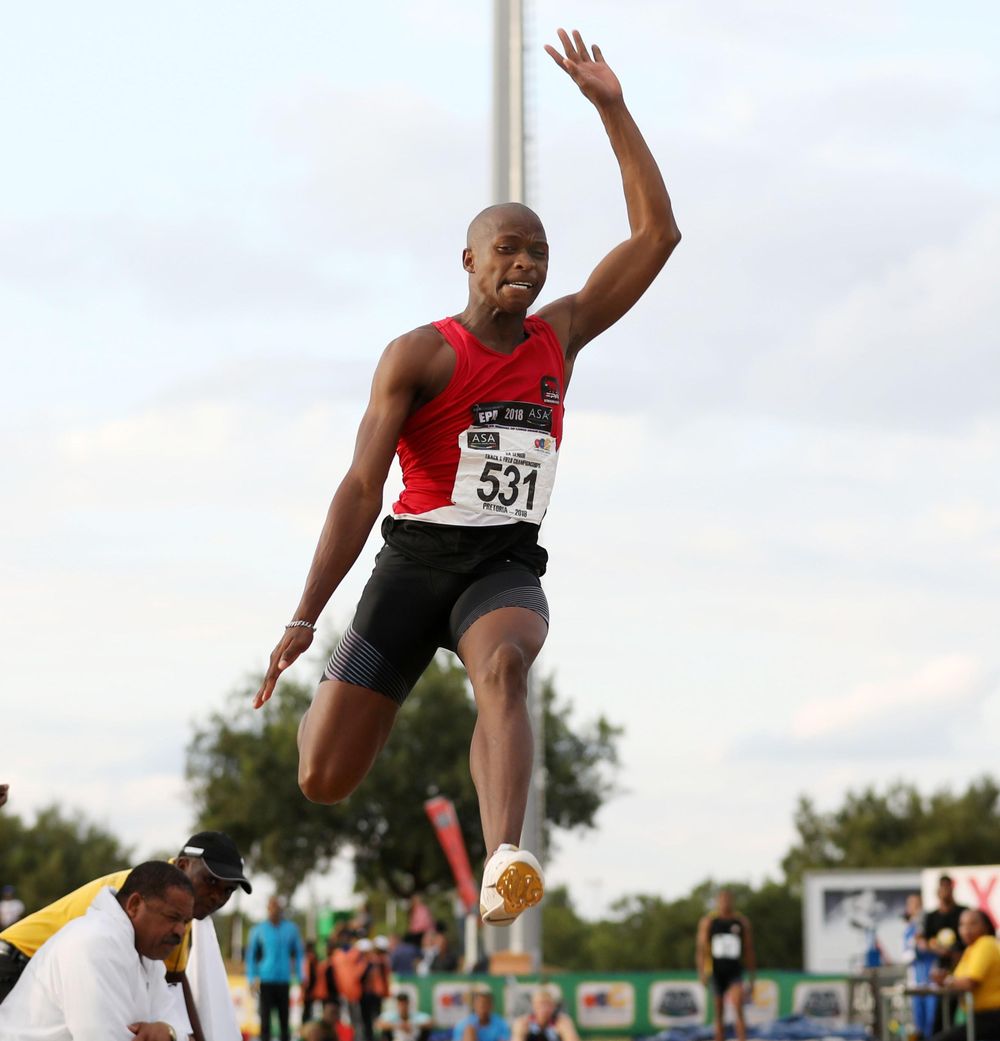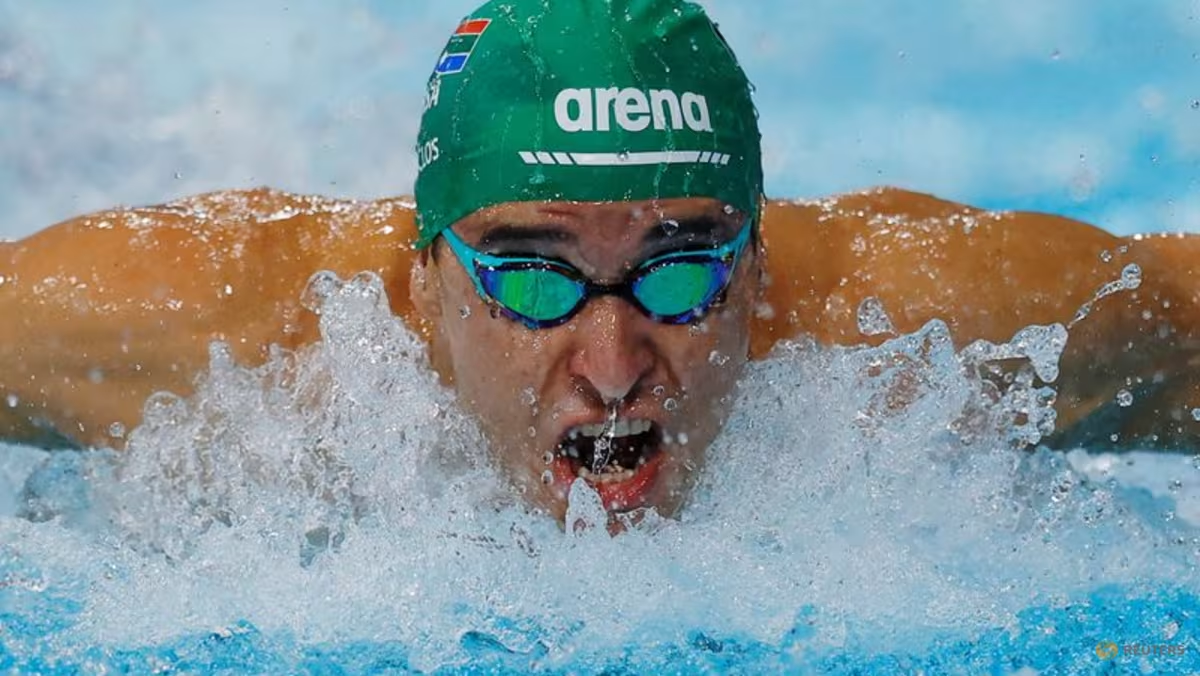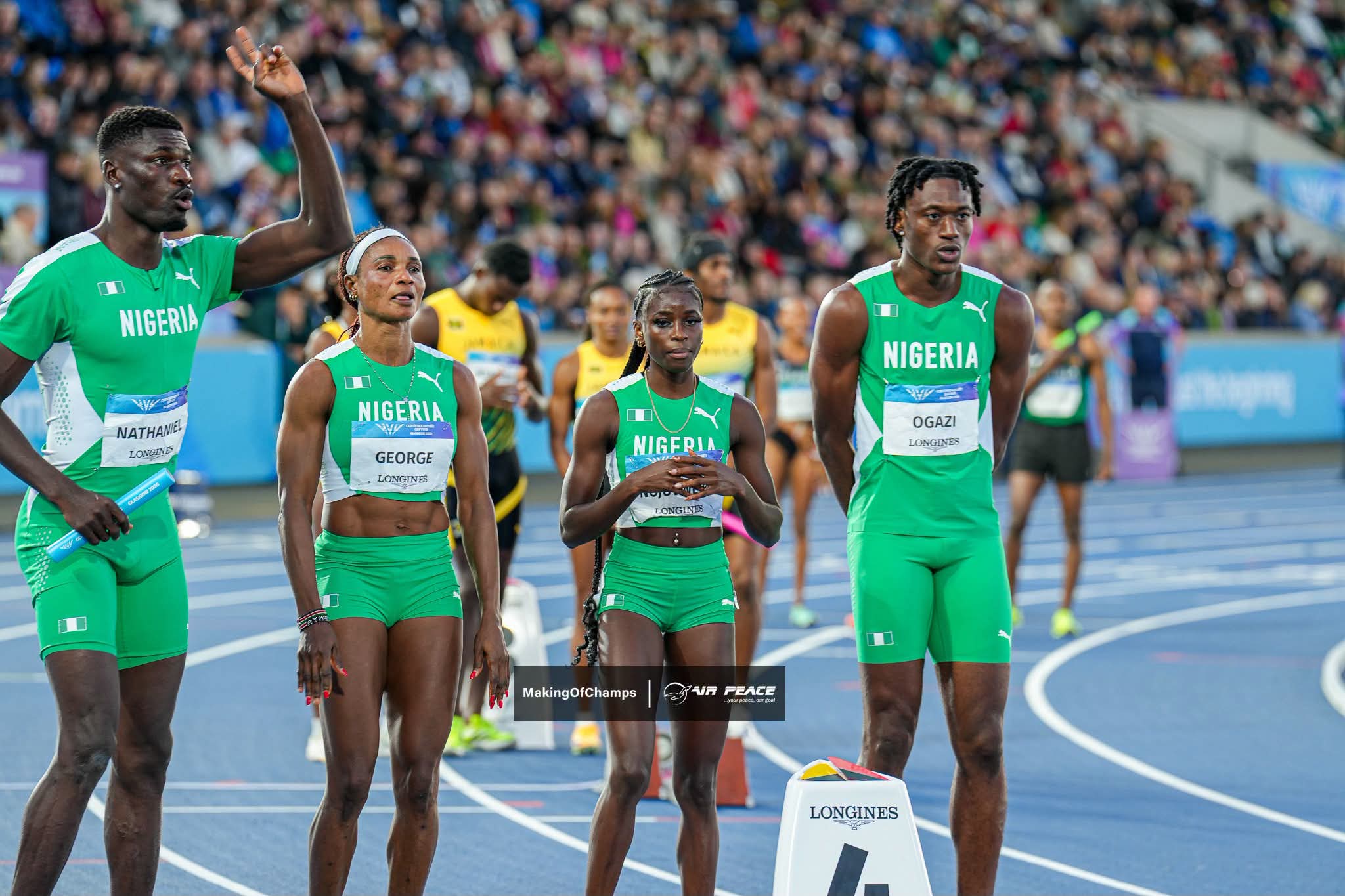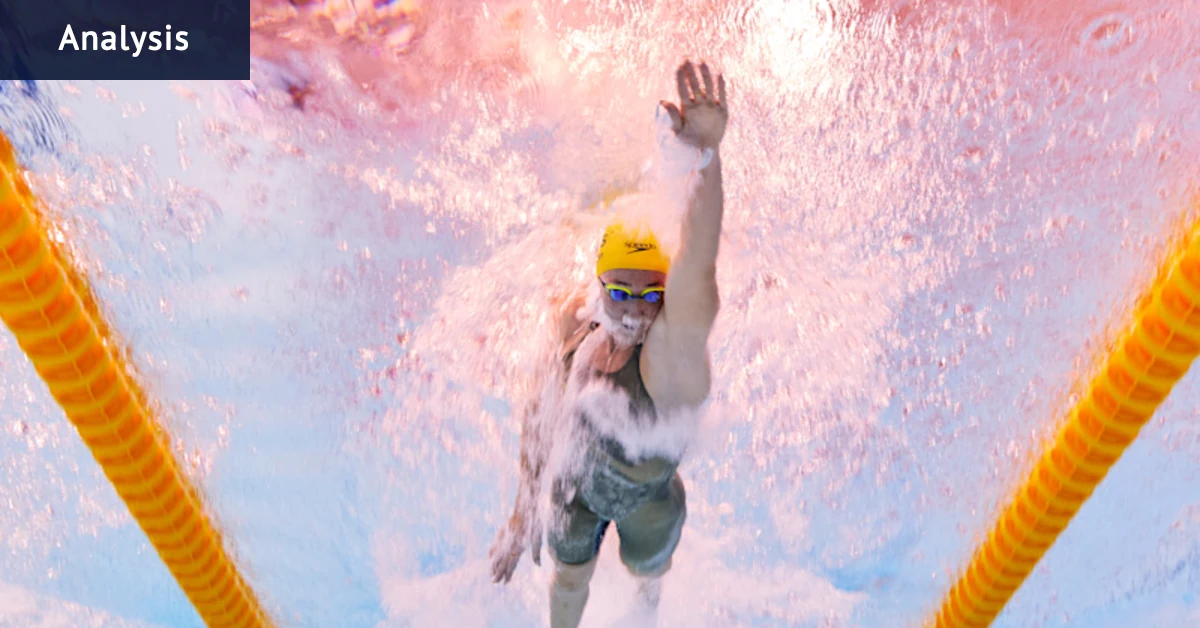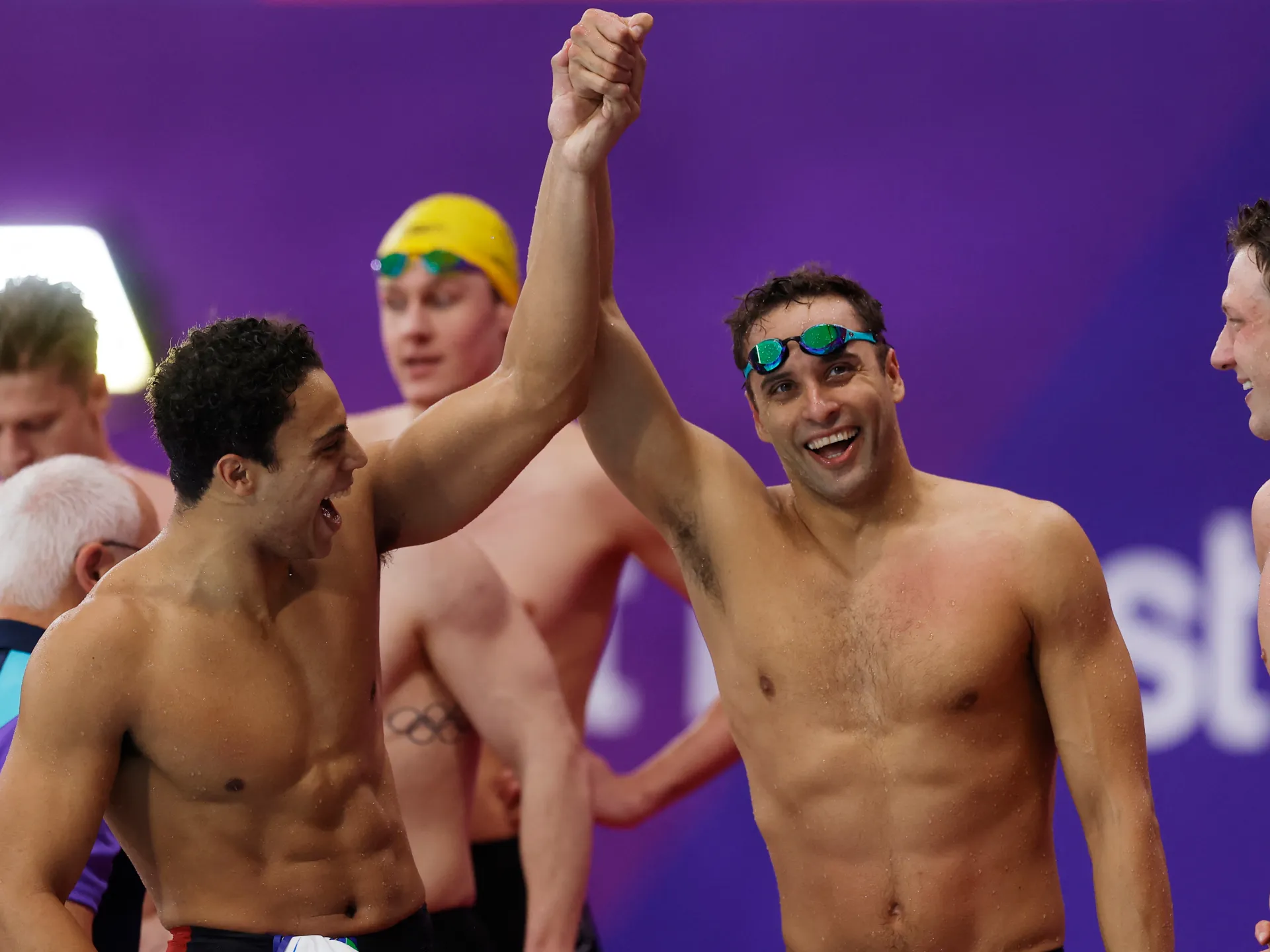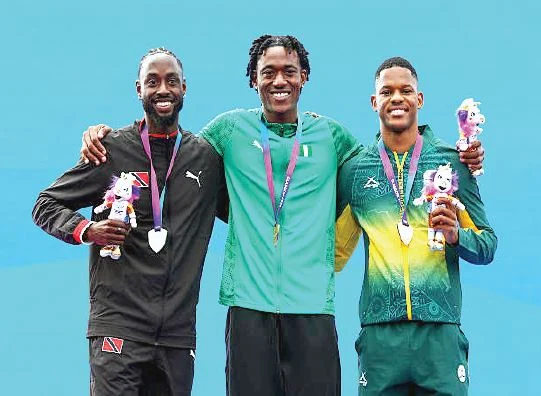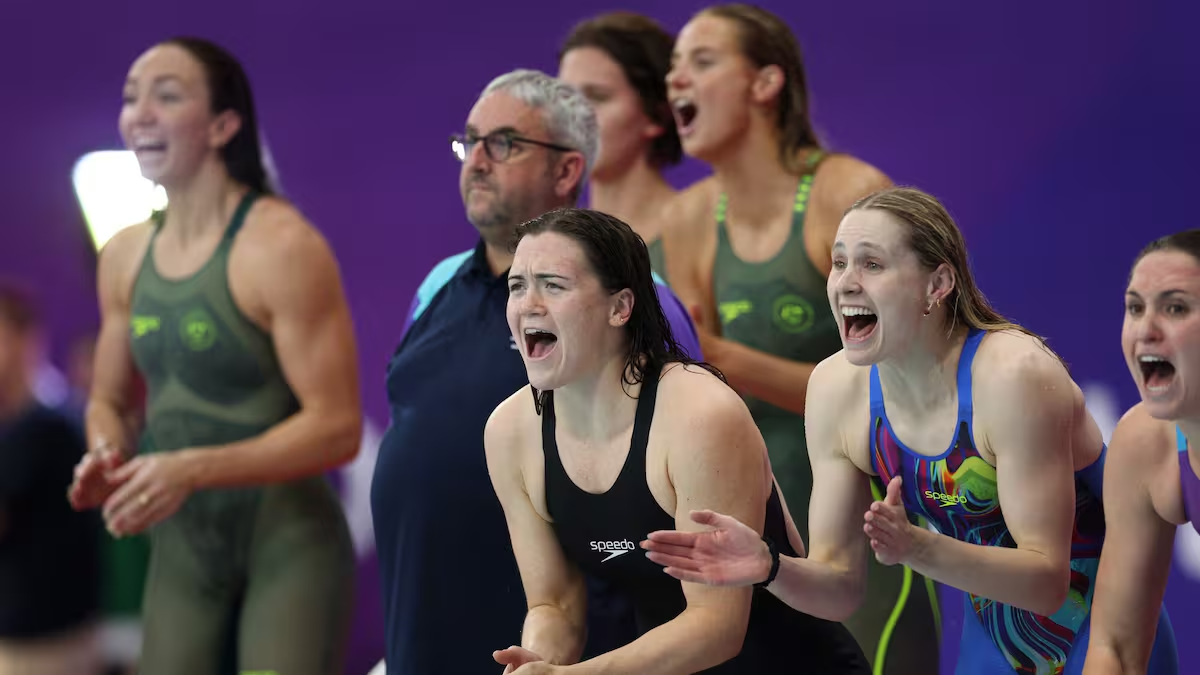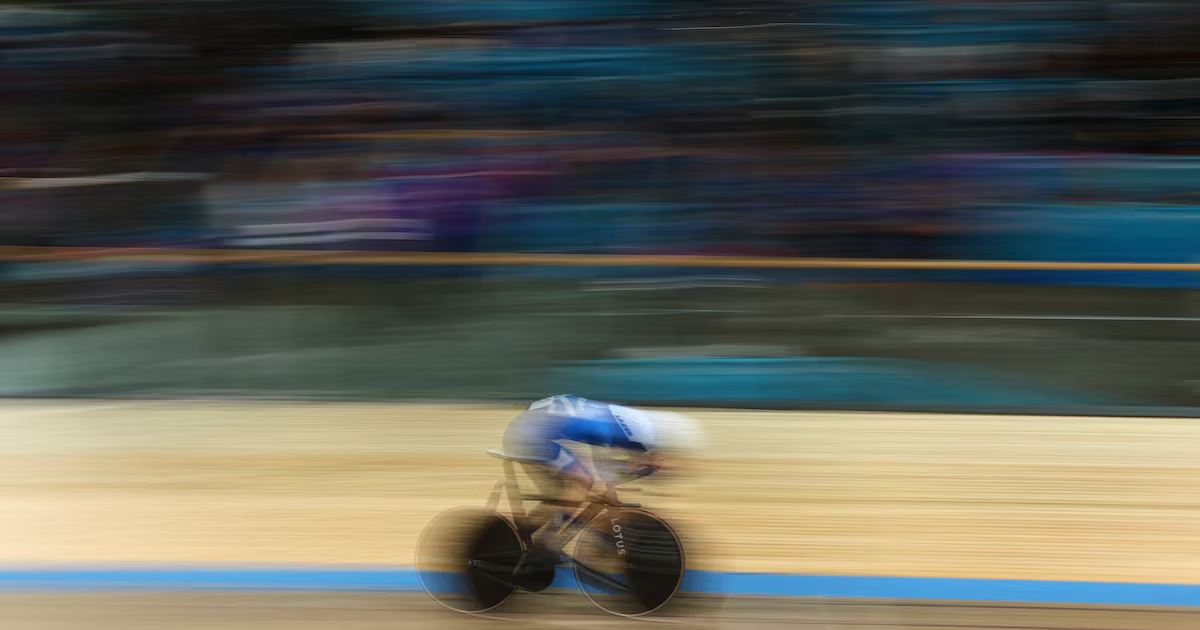
Team South Africa bowed out without adding silverware on the final day of the Commonwealth Games in Glasgow on Sunday, their medal haul capped at 28 medals across just three sporting codes. The swimmers delivered 22 of those, with athletics contributing four and judo two. The heroes most fans will remember are swimmers Pieter Coetzé, Chad Le Clos, Lara van Niekerk and Aimee Canny, sprinter Sinesipho Dambile and even judoka Timothy Meuwsen. The overall medal tally was an improvement of one on the 27 achieved at Birmingham 2022, but their spot on the medal table dropped from ninth to 11th, the nation’s lowest position since ending 12th at Victoria 1994, their first Commonwealth competition of the post-isolation era. They are travelling in the wrong direction considering South Africa has finished fifth on three occasions (Kuala Lumpur 1998, Melbourne 2006 and Delhi 2010), sixth twice (Manchester 2002 and Gold Coast 2018) and seventh (Glasgow 2014). A contributing factor was the truncated format of the Games after Glasgow took over as host after the withdrawal of Victoria, Australia, offering just 11 sports. Rugby sevens was cut completely and bowls was shunted indoors and the trips and fours competitions being cut out.For the first time in the history of South Africa’s Commonwealth participation, from 1930-58 and then from readmission, bowlers failed to reach the podium. Cycling offered only track, where Mitchell Sparrow ended 14th in the men’s 1,000m time trial on Sunday and S’annara Grove was the first one to drop out in the women’s elimination race. There were no road or mountain-biking events, in which Daryl Impey, Ashleigh Moolman-Pasio, Alan Hatherly and Candice Lille have featured at the past three editions. But there’s no excuse for the poor performance of a sport like boxing, which not only failed to produce a medal, but not one of the four boxers there won a fight. This was South Africa’s richest source of Olympic silverware and second-highest producer of Commonwealth medals pre-isolation, but it’s now in ICU and in desperate need of resuscitation. Athletics put in a sub-par showing, ranking 11th behind table-toppers Australia, followed by Jamaica and England. Nigeria and Kenya were the top two African countries in track and field.Dambile’s gold in the 200m was a rare highlight at Scotstoun Stadium, along with Kyle Rademeyer’s gutsy silver in the pole vault and Zakithi Nene’s hard-fought 400m bronze. Four track-and-field medals, which also included para-athlete’s Masala Makatu’s 100m T12 silver, was the lowest haul since 1950. The poor standard of administration at federations has been highlighted regularly over the years. But equally important is the blatant lack of political will to seek a holistic solution. Municipalities around the country have allowed public facilities to fall into disrepair; the national government has failed to set up reliable streams of funding for elite sports programmes and, when it comes to meaningful development, there’s no cohesion between the sport and education departments to create early pipelines of talent at schools, especially those in previously disadvantaged areas. Swimming, which enjoyed its best-ever Games haul, illustrates how South African sport is reliant on small pockets of excellence. If one were to remove Tuks swimmers and those in the US collegiate system, South Africa’s 18 able-bodied swimming medals in Glasgow would have been reduced to one single gong. Tuks teammates Coetzé, Kaylene Corbett and Erin Gallagher won six individual medals between them, while the American brigade of Canny, Michael Houlie, Ruard van Renen and Olivia Nel also contributed six. Breaststroke sprint queen Van Niekerk, whose Pretoria Aquatic Club is based at Woodhill College, is the team’s only individual medallist from outside the two systems.All of them, along with some other Tuks and US-based swimmers, were crucial contributors to the five relay medals won. Raise an extra glass to South Africa’s medallists in Glasgow, because they succeeded despite a broken system.
Team SA’s 11th spot finish in Glasgow highlights country’s decaying sports ecosystem
SA swimmers delivered 22 medals, with athletics contributing four and judo two
640 words~3 min read