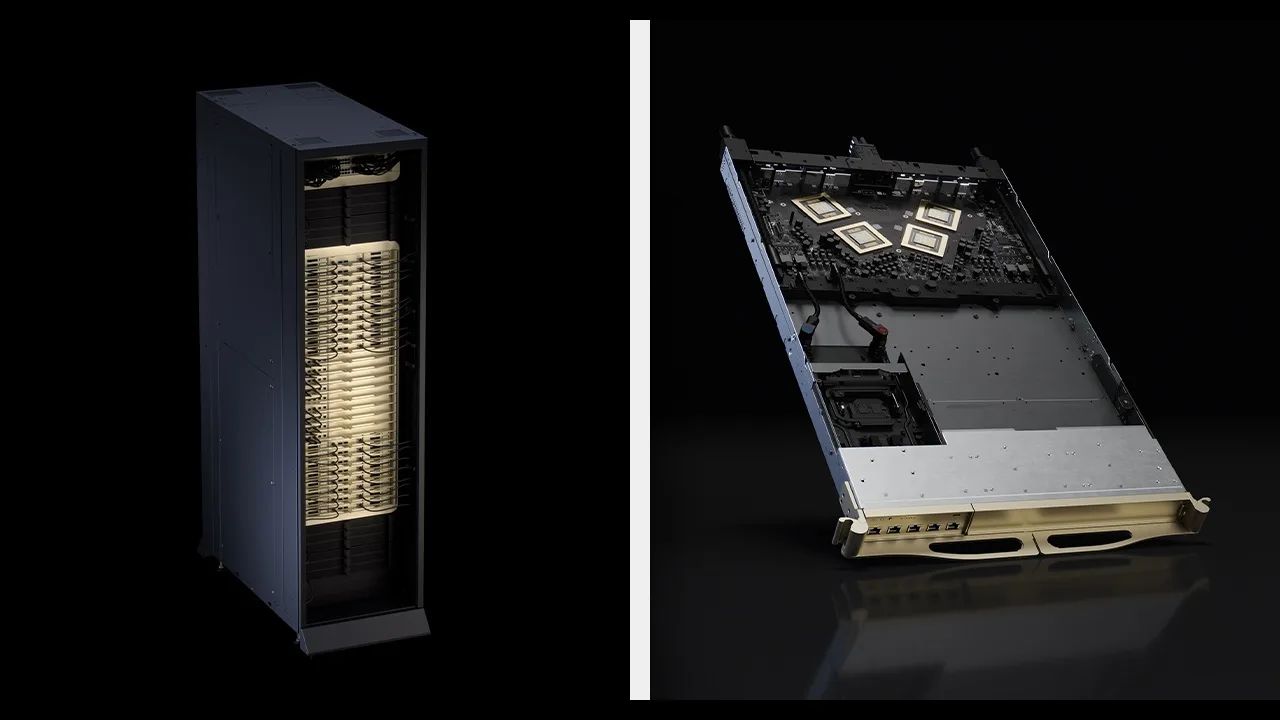
The race to scale advanced AI models is accelerating at a pace few industries have seen before. Enterprises are pouring billions into GPU infrastructure, data center expansion, and chip partnerships.
When Nvidia's $2 billion investment in Marvell made headlines, the conversation centered on chips — on silicon, on compute density. But that’s only half the debate we need to have. What's getting less attention is network connectivity, despite it being a foundational success layer for every AI investment underneath it. And as AI ambitions scale faster than infrastructure can keep pace, the connectivity bottleneck is one enterprises cannot afford to ignore.
I spend a significant amount of time working with infrastructure leaders across distributed enterprise environments, and I’ve found that our conversations have shifted noticeably over the past 12 to 18 months. Too many organizations are still stitching together multiple network types that don't operate as a single system. With AI, moving data efficiently matters as much as processing it, a reality forcing IT leaders to confront infrastructure that was never designed for today's scale, speed, or interconnectivity.
Stress-testing legacy network architectures