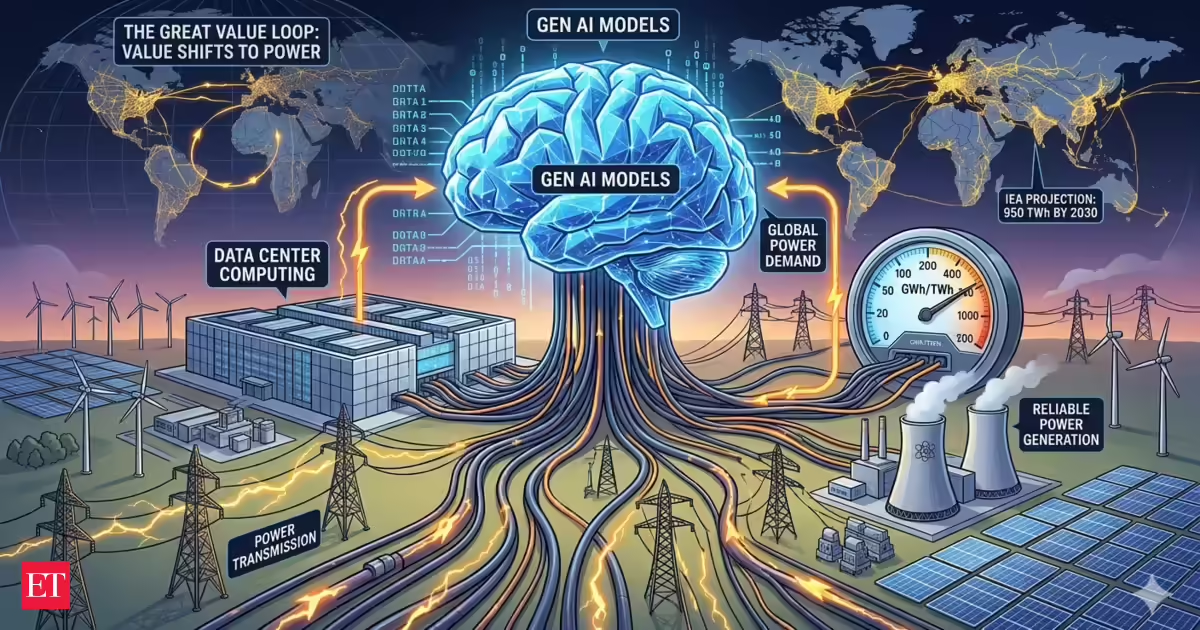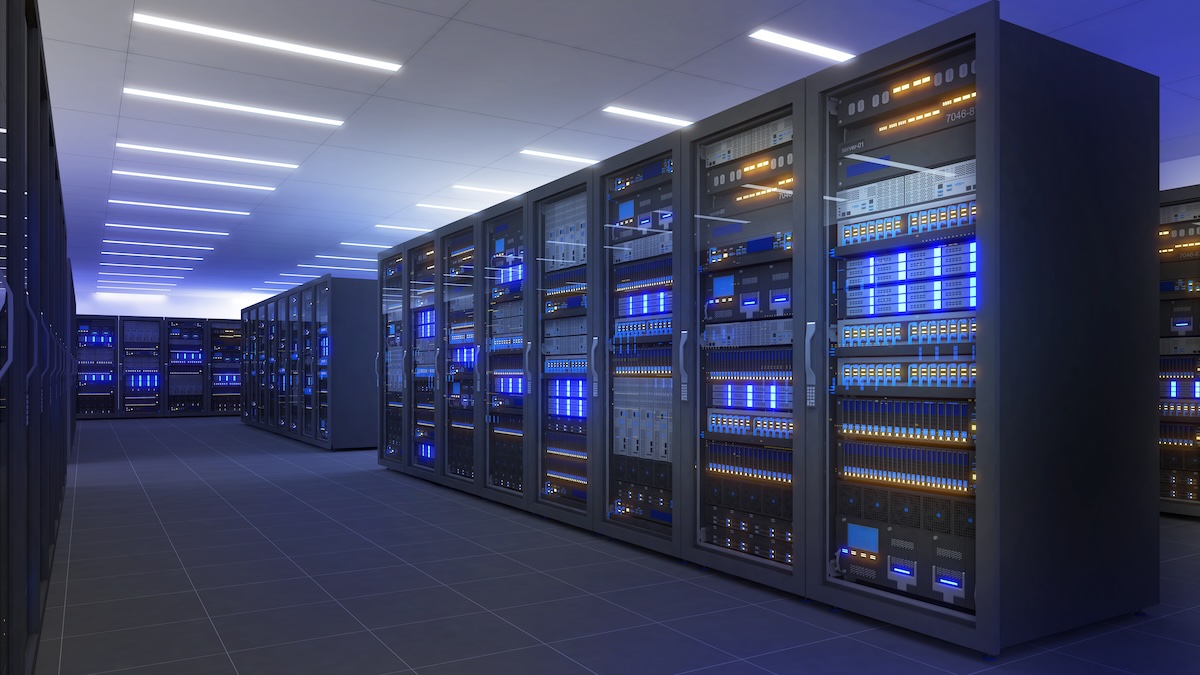
AI’s rapid growth is reshaping data center infrastructure needs. While many assume chips are the main bottleneck, supply is not the primary constraint. The immediate challenge is powering and cooling systems at scale.
It’s not control of the GPUs that will grant you control of the AI economy. The processors are certainly important, but computing availability is not a major constraint on growth. Operators need assurance that the underlying infrastructure can deliver power, cooling, and resiliency at scale. At the moment, many markets fall short of delivering the energy and reliability required.
This shift from computing to energy constraints is already affecting business outcomes. Timelines are shifting, capital is being spent on stalled projects, and in this atmosphere, securing power has become a primary competitive advantage. No matter what your model looks like, if you can’t deliver power and run the center efficiently, then your fancy model is of no use.
Data center design requirements have changed due to high cabinet-level densities with GPU clusters drawing 30–60 kW per cabinet. Facilities built just five years ago may already be ill-equipped to handle the sustained load and thermal output required today. So, you can have all the high-quality chips you want, but if a facility isn’t equipped for these demands, the underlying silicon becomes irrelevant.